Dog enrichment is not just a cute extra.
It is how dogs get to do normal dog things: sniff, chew, lick, search, chase, solve small problems, explore, rest, and use their senses.
The clear answer: good dog enrichment gives your dog a safe outlet for natural behavior without pushing them into frustration or chaos. Start simple. Use the dog's meals, walks, toys, nose, mouth, and daily routine before buying a pile of complicated products.
Enrichment should leave your dog more satisfied, not more frantic.
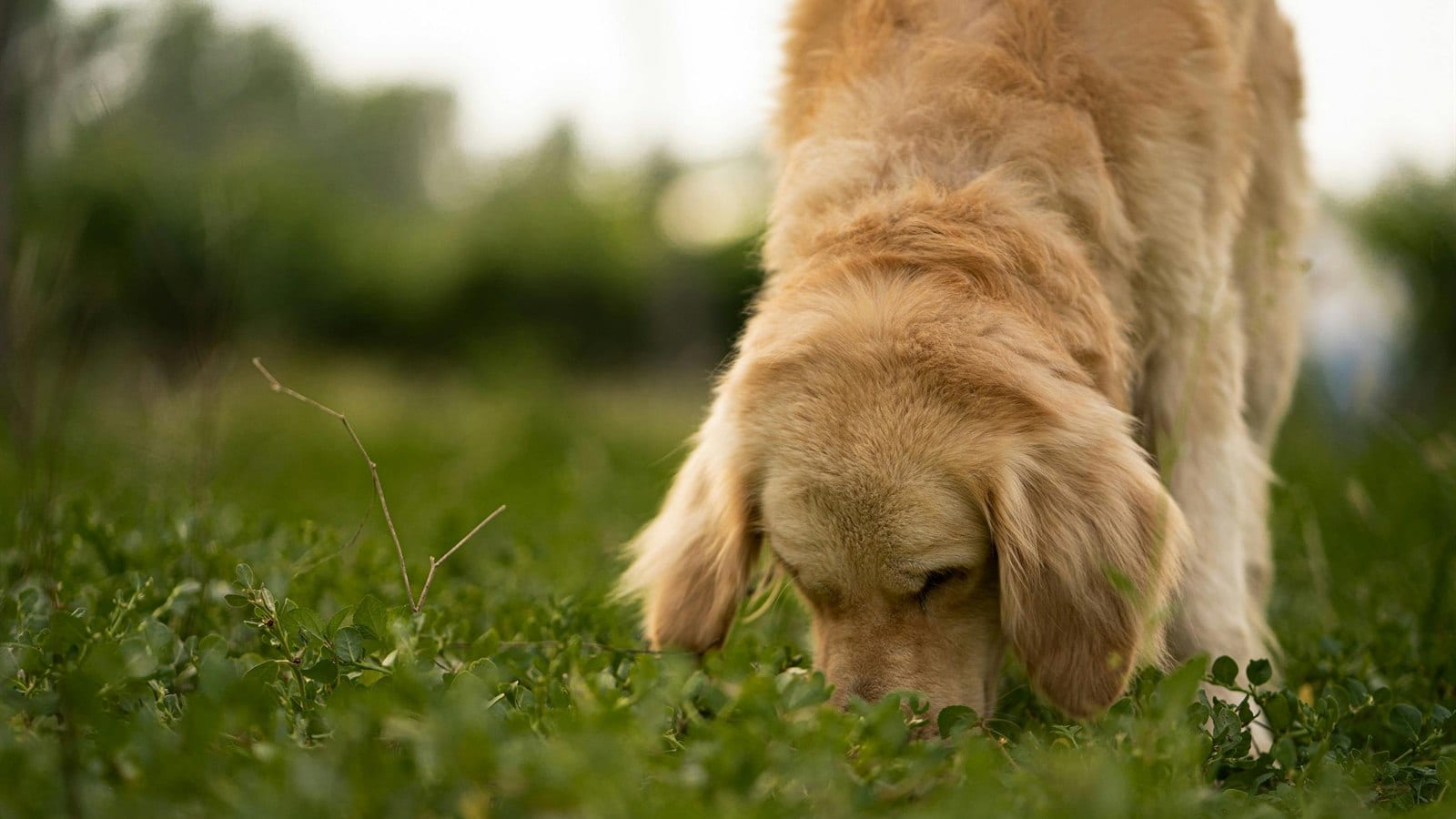
Sniffing is one of the simplest forms of enrichment because it lets dogs gather information at their own pace.
What Dog Enrichment Really Means
Dog enrichment means changing your dog's day so they can safely express normal behavior.
That can include:
- sniffing
- chewing
- licking
- foraging
- digging in approved places
- chasing toys
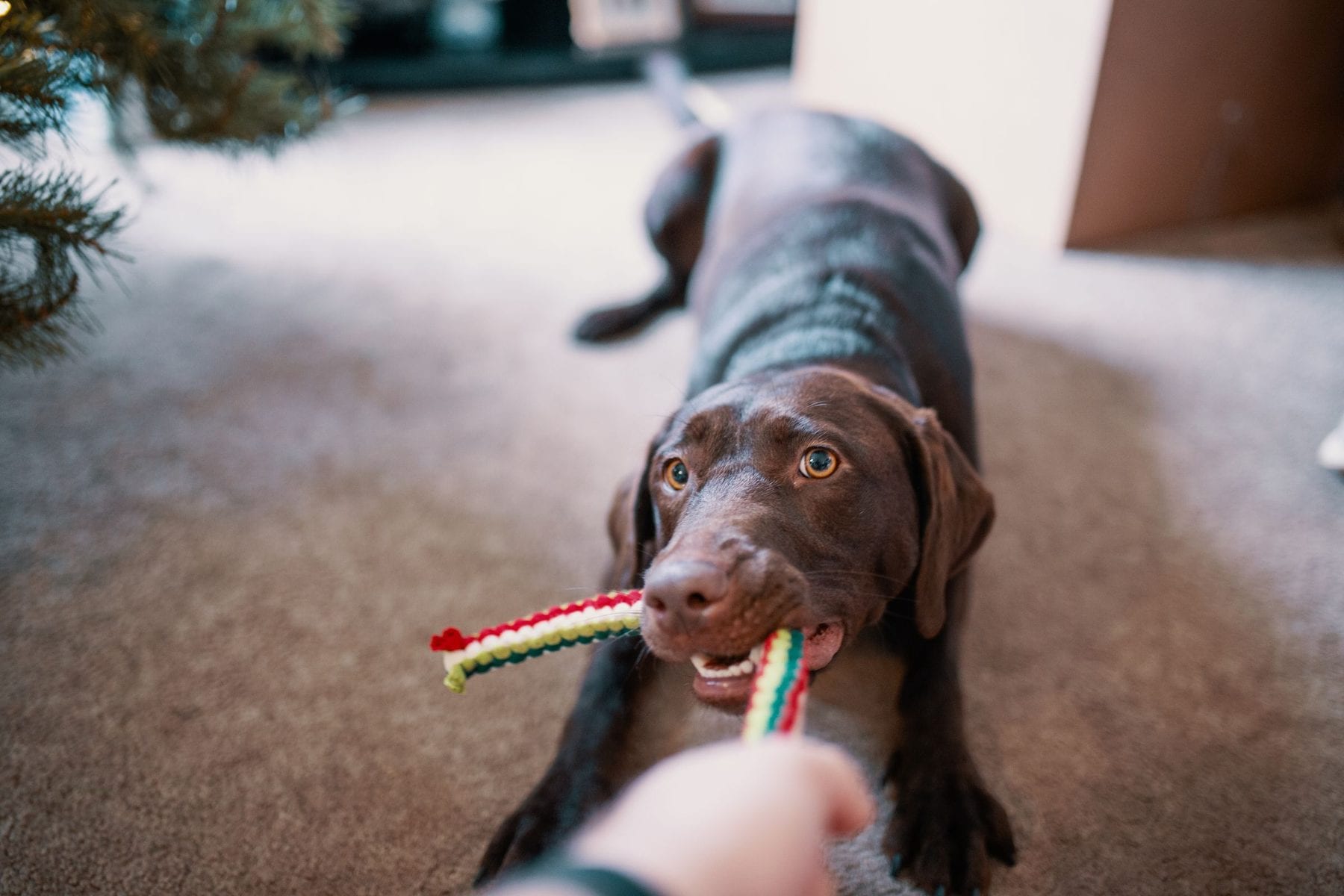
- tugging
- problem solving
- training games
- exploring new places
- calm social time
- resting after stimulation
The RSPCA describes enrichment as activities that help meet species-specific and individual needs, supporting physical and emotional well-being. That is the right way to think about it: not "how do I exhaust my dog?" but "what need is my dog trying to meet?"
A dog who chews chair legs may need legal chewing. A dog who barks out the window may need fewer triggers plus better outlets. A dog who pesters you at 8 p.m. may need a predictable evening routine, not another hour of wild fetch.
Start With Sniffing
Sniffing is easy to overlook because humans are visually oriented.
Dogs are not.
A sniff walk can be more satisfying than a fast march around the block. Let your dog stop, investigate, double back, and follow scent trails when it is safe.
Try:
- a slow route with no strict mileage goal
- five minutes of sniffing before a structured walk
- a quiet grassy area
- a long leash in a safe legal space
- letting your dog choose the direction sometimes
- scattering a few treats in grass for a "find it" break
The ASPCA's enrichment guidance emphasizes letting dogs use their noses during indoor scent games and walks. AKC scent-work guidance also highlights how scent games can build teamwork and give dogs a job that uses their strongest sense.
For reactive dogs, sniffing can be especially useful after hard moments. It pairs naturally with decompression walks for reactive dogs and reactive dog threshold.
Use Meals as Enrichment
Most dogs eat every day. That means every meal is an opportunity.
Instead of always using a bowl, try:
- scatter feeding in grass
- kibble hidden in a towel
- a slow feeder
- a food puzzle
- a stuffed rubber toy
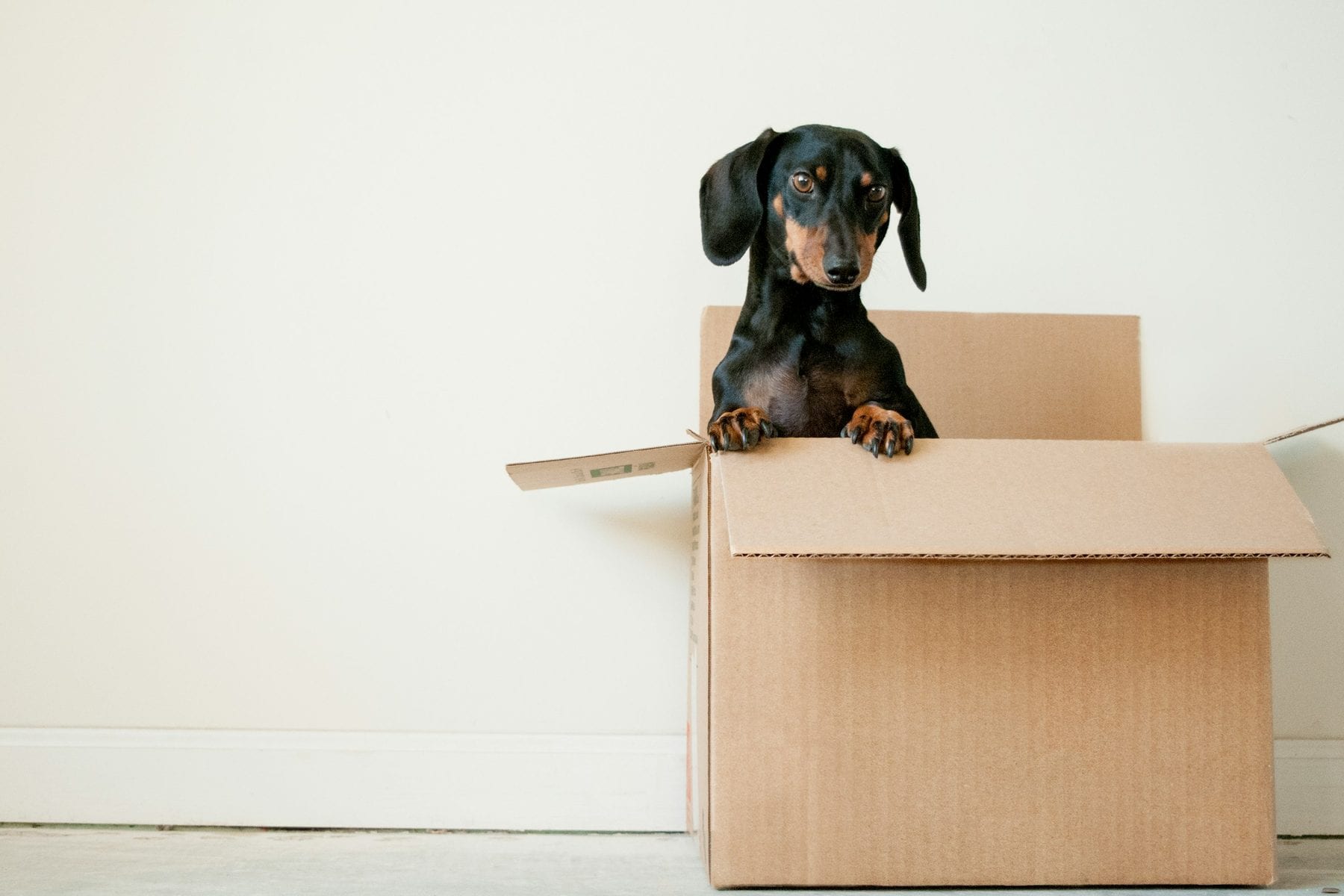
- a cardboard box search
- a muffin tin puzzle with tennis balls
- hiding small piles of food around one room
VCA explains that food-based enrichment can help dogs fulfill natural behaviors like foraging and hunting for food, while also providing mental stimulation.
Keep it easy at first. A puzzle that is too hard is not enrichment; it is frustration.
If your dog gives up, barks at the toy, paws frantically, or starts chewing unsafe pieces, simplify the setup.
Chewing Is a Need, Not a Problem
Dogs chew for many reasons.
Chewing can:
- relieve boredom
- help puppies explore
- support calm settling
- give the mouth a job
- help some dogs decompress
- redirect destructive chewing into a safe outlet
The ASPCA's destructive chewing guidance recommends giving dogs enough exercise and mental stimulation, including puzzle toys and appropriate chew outlets.
Good chew enrichment might include:
- vet-approved dental chews
- rubber chew toys
- stuffed food toys
- safe edible chews
- frozen soft food in a toy
- supervised cardboard shredding for dogs who do not swallow pieces
Match the chew to your dog. A gentle chewer and a power chewer should not get the same item.
Always supervise new chews. Remove broken pieces, items that splinter, or anything your dog tries to swallow whole. Ask your vet about chews if your dog has dental disease, pancreatitis risk, allergies, weight concerns, or a history of obstruction.
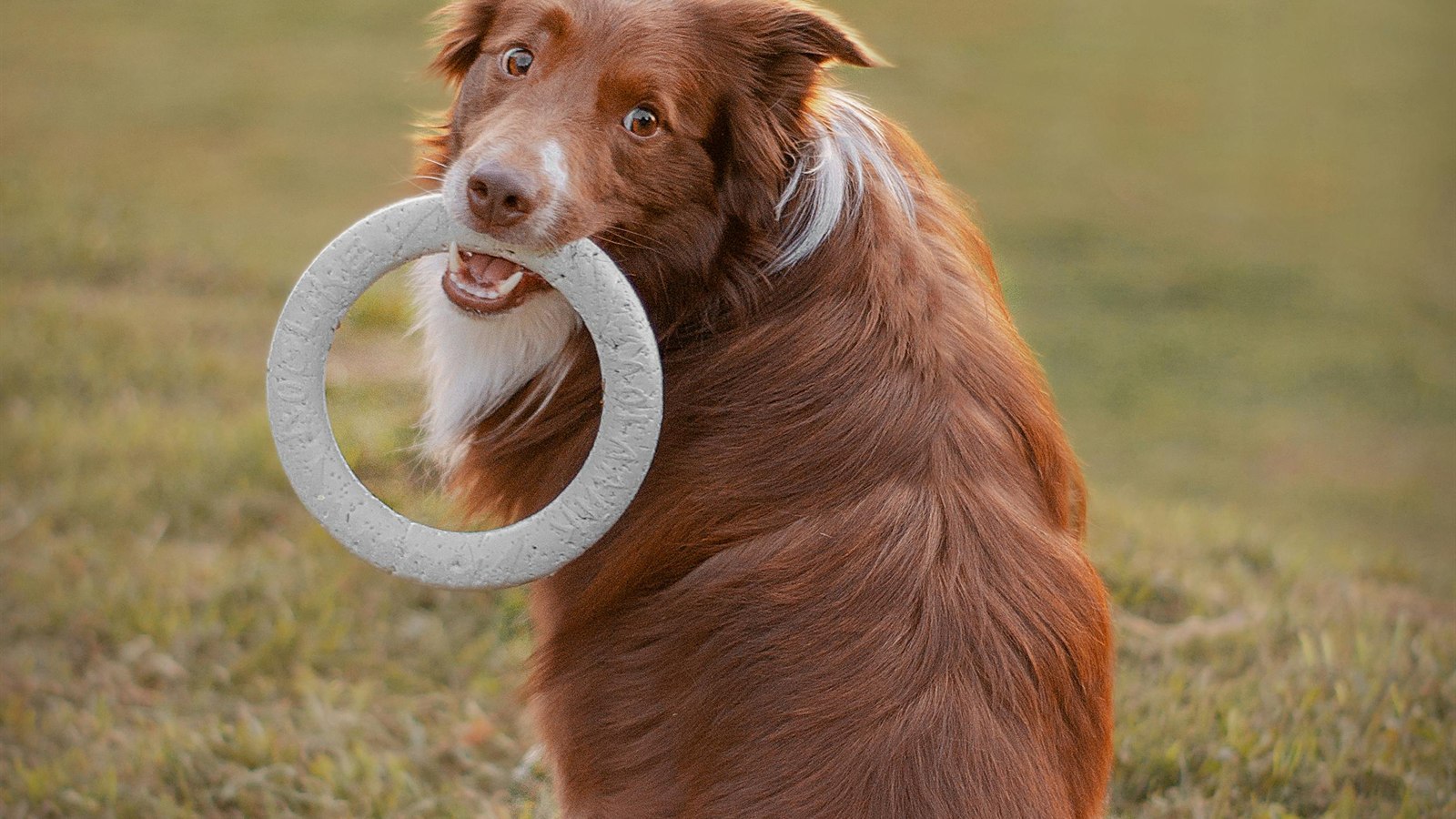
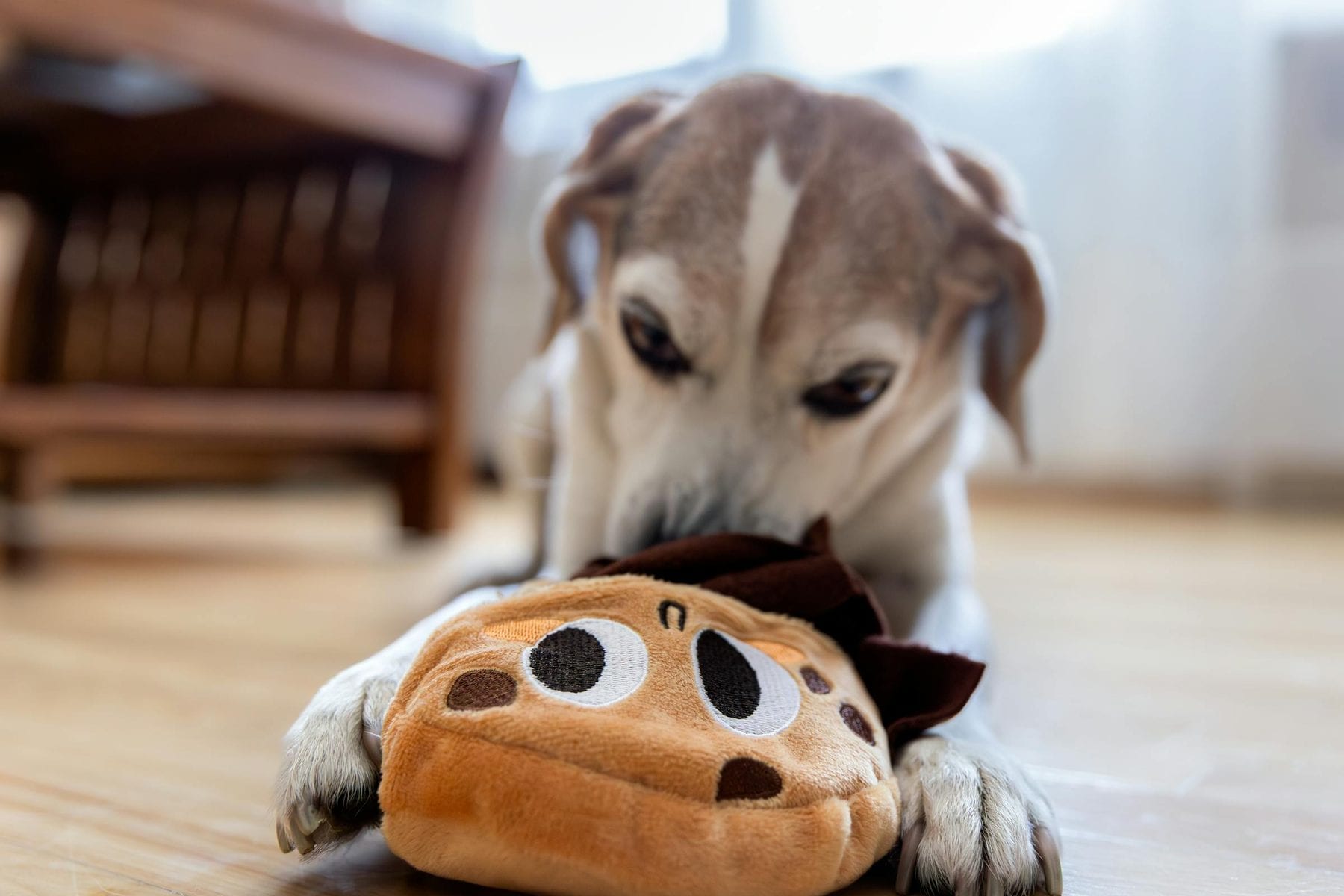
Toy play can be enrichment when it matches the dog's play style and does not push them into frantic arousal.
Licking Can Help Some Dogs Settle
Licking is often calming for dogs when the setup is safe and not frustrating.
Common licking activities include:
- lick mats
- thin layers of wet food
- plain canned pumpkin if tolerated
- soaked kibble spread on a mat
- yogurt only if your dog tolerates dairy
- soft food frozen in a toy
For setup, food, freezing, and cleaning details, use the complete lick mat guide for dogs. If your dog prefers searching to licking, start with the snuffle mat guide.
Use small amounts. Lick mats do not need to be loaded like dessert plates.
Good times for licking enrichment:
- after a walk
- during grooming practice
- before crate rest
- while guests arrive behind a gate
- after a reactive dog has settled from a trigger
- during calm evening routines
Avoid licking activities around other dogs if your dog guards food. Use separate spaces.
Add Simple Search Games
Search games are cheap and flexible.
Try the easy version first:
- Ask your dog to wait or gently hold their collar.
- Toss one treat where they can see it.
- Say "find it."
- Let them eat.
- Repeat several times.
Then make it slightly harder:
- toss treats into grass
- hide food under one towel fold
- place a treat behind a chair leg
- use two cardboard boxes
- hide a favorite toy in one room
Keep early wins obvious. Confidence is part of enrichment.
If your dog becomes frantic, go easier. You want searching, not panicking.
Use Training as Mental Enrichment
Training can be enrichment when it is short, clear, and reward-based.
Useful low-pressure skills:
- hand target
- name response
- spin
- paw
- chin rest
- mat training
- toy names
- find it
- put toys in a basket
- wait and release
Two or three minutes can be enough.
Do not turn every enrichment session into obedience work. Dogs also need sniffing, chewing, exploring, and rest without constant human direction.
For reactive dogs, training games should stay below threshold. Use best treats for reactive dog training if your dog can work at home but struggles outside.
Rotate Toys Without Making Life Complicated
Novelty helps, but you do not need a closet full of toys.
Try a simple rotation:
- keep a few toys available
- put the rest away
- swap them every few days
- bring out food toys only when supervised
- retire damaged toys
- notice which ones your dog actually uses
RSPCA Knowledgebase notes that dogs may get bored with the same toys day after day and that enrichment should be appropriate and safe. Rotation helps without constant shopping.
Watch what your dog chooses. Some dogs love squeaky toys. Some prefer tug. Some want sniffing games more than toys. Some enjoy shredding cardboard more than any store-bought puzzle.
Build a Calm Evening Routine
Many dogs become difficult in the evening because the day has not met their needs.
Try a predictable routine:
- Short potty walk.
- Five to ten minutes of sniffing.
- Dinner in a simple food puzzle.
- Chew or lick activity.
- Lights lower, less excitement.
- Rest.
This is especially useful for apartment dogs, adolescent dogs, and reactive dogs who have had a busy day.
If your dog spends evenings barking at windows or door sounds, pair enrichment with management from dog barks out the window and dog barks at the doorbell.
Indoor Enrichment for Rainy Days
Bad weather does not have to mean a bored dog. The same indoor plan is useful when a walk is unsafe because of heat; use the decision guide in how hot is too hot to walk a dog before replacing outdoor exercise.
Indoor ideas:
- towel roll with kibble
- food hidden in cardboard boxes
- short trick sessions
- hallway find-it games
- gentle tug
- toy-name practice
- stuffed food toy
- lick mat
- mat training
- sniffing a safe new object
- supervised shredding box
Keep indoor enrichment matched to the space. A small apartment is not the place for high-speed fetch with a large dog.
If your dog gets more wired after indoor games, switch to sniffing, licking, chewing, and slower food work.
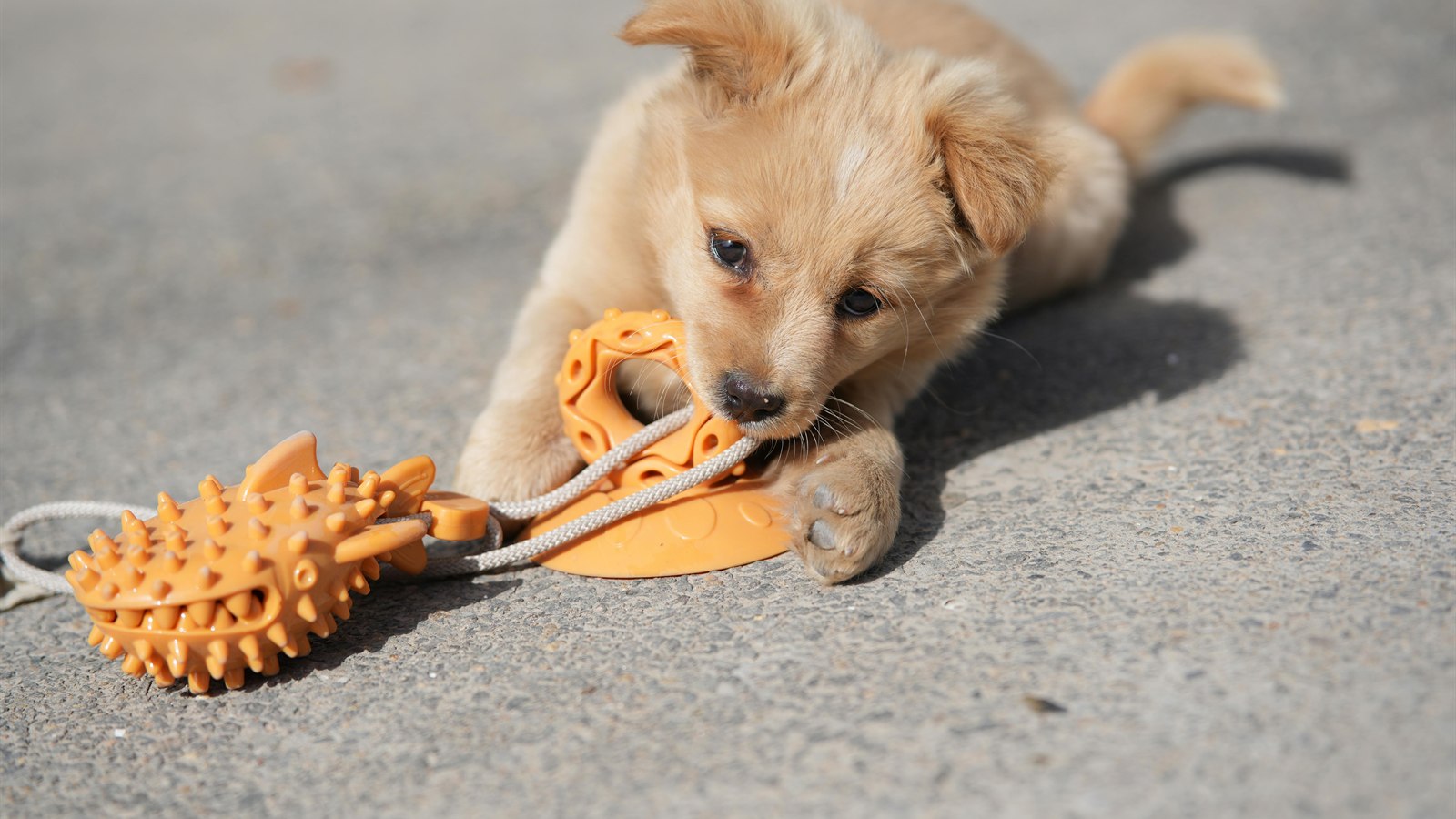
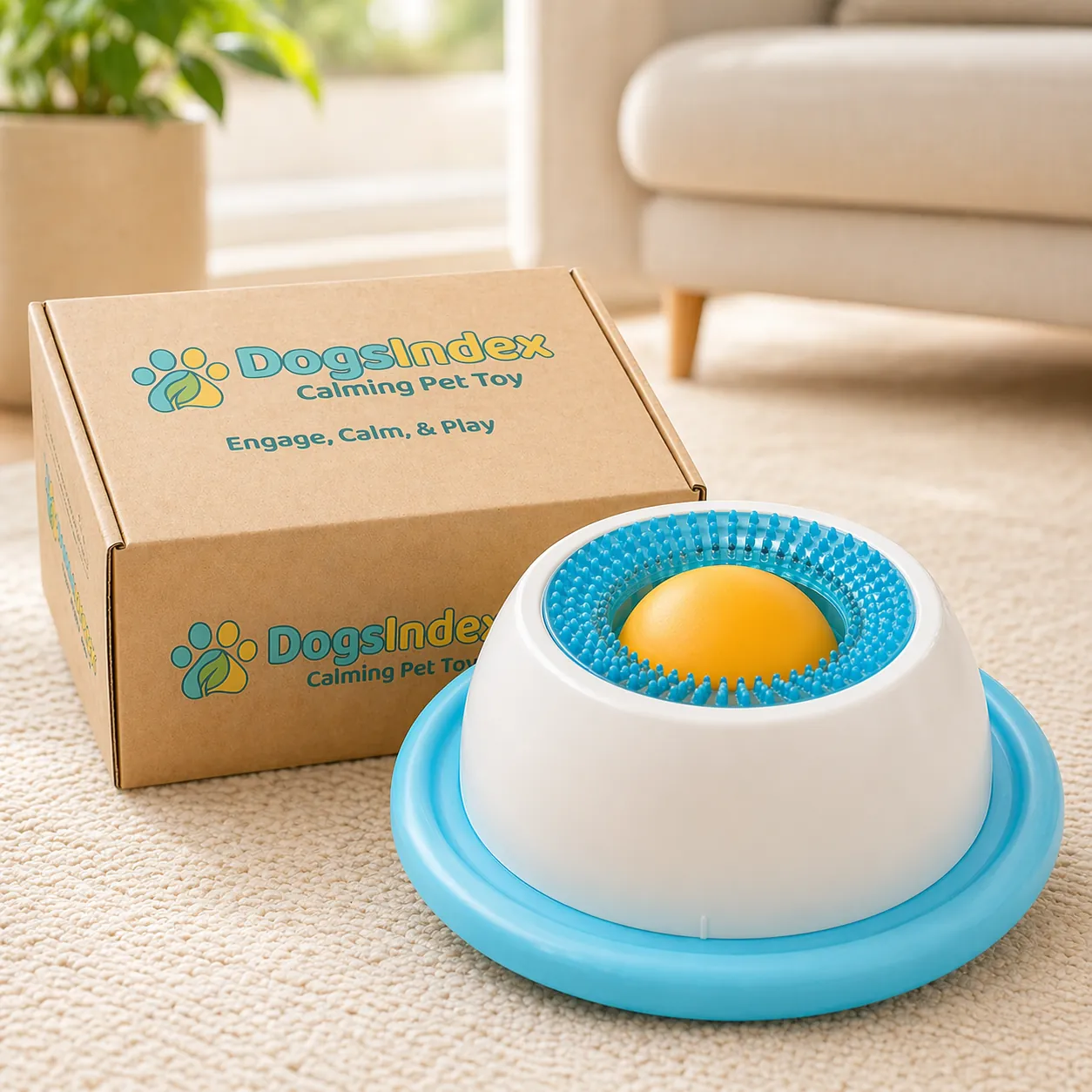
Toy enrichment works best when the toy matches the dog's age, chewing style, and frustration tolerance.
Enrichment for Reactive Dogs
Reactive dogs often need enrichment, but not all enrichment helps.
Some activities raise arousal too much:
- intense fetch
- rough chase games
- window watching
- dog parks
- chaotic daycare
- hard puzzles when already stressed
- greeting every dog or person as "social enrichment"
Better options often include:
- sniff walks
- scatter feeding
- decompression walks
- lick mats
- safe chews
- mat training
- easy find-it games
- calm food puzzles
- quiet exploration
- predictable rest
The goal is not to tire the dog into collapse. The goal is a nervous system that can come down.
Use reactive dogs guide as the main behavior map, then use enrichment to support recovery and daily needs.
Common Mistakes
The first mistake is making enrichment too hard. A puzzle your dog cannot solve is not mentally healthy; it is annoying.
The second mistake is using only food. Food enrichment is useful, but dogs also need sniffing, movement, social choice, play, and rest.
The third mistake is ignoring calories. Use part of meals instead of adding endless treats.
The fourth mistake is leaving unsafe toys unsupervised. New chews, ropes, cardboard, and food toys should be watched.
The fifth mistake is choosing activities that make the dog more frantic. If enrichment creates barking, guarding, or crashing around the house, simplify.
The sixth mistake is skipping recovery. Enrichment should include downtime.
A Simple Weekly Enrichment Plan
Use this as a starting point.
| Day | Easy enrichment |
|---|---|
| Monday | Breakfast scatter in grass |
| Tuesday | Towel roll dinner |
| Wednesday | Sniff walk with no mileage goal |
| Thursday | Short trick session plus chew |
| Friday | Cardboard box search |
| Saturday | New quiet route or decompression walk |
| Sunday | Lick mat and toy rotation |
Repeat what works. Drop what does not.
Your dog's best enrichment plan is the one that leaves them safer, calmer, and more satisfied in the real home you share.
When to Get Help
Talk with a vet, qualified reward-based trainer, certified behavior consultant, or veterinary behavior professional if your dog:
- guards food toys or chews
- swallows toy pieces
- destroys items dangerously
- cannot settle even after enrichment
- becomes frantic during puzzles
- has sudden behavior changes
- shows separation distress
- reacts aggressively if you approach food or toys
- has medical or diet restrictions
Enrichment is powerful, but it is not a substitute for medical care or a behavior plan when safety is involved.
FAQ
What is dog enrichment?
Dog enrichment means giving your dog safe ways to use natural behaviors like sniffing, chewing, licking, foraging, playing, exploring, problem solving, and resting.
What are the easiest dog enrichment ideas?
Start with scatter feeding, sniff walks, towel-roll meals, cardboard box searches, short training games, safe chews, lick mats, and toy rotation.
How often should I do enrichment with my dog?
Most dogs benefit from daily enrichment, but it does not need to be long or complicated. Several small activities often work better than one intense session.
Can enrichment stop barking?
It can help if barking is partly boredom, frustration, or lack of outlets. It will not fully solve fear, territorial behavior, pain, separation distress, or serious reactivity by itself.
Are food puzzles good for dogs?
Food puzzles can be useful when they are safe and matched to the dog's skill level. Start easy, supervise, and use part of the dog's regular meal to avoid overfeeding.
What enrichment is best for reactive dogs?
Reactive dogs often do best with sniff walks, decompression walks, scatter feeding, licking, chewing, easy search games, mat work, and predictable calm routines.
Can enrichment make dogs worse?
Yes, if it is too hard, too exciting, unsafe, or used without rest. Watch your dog's body language and choose activities that lead to calmer recovery.