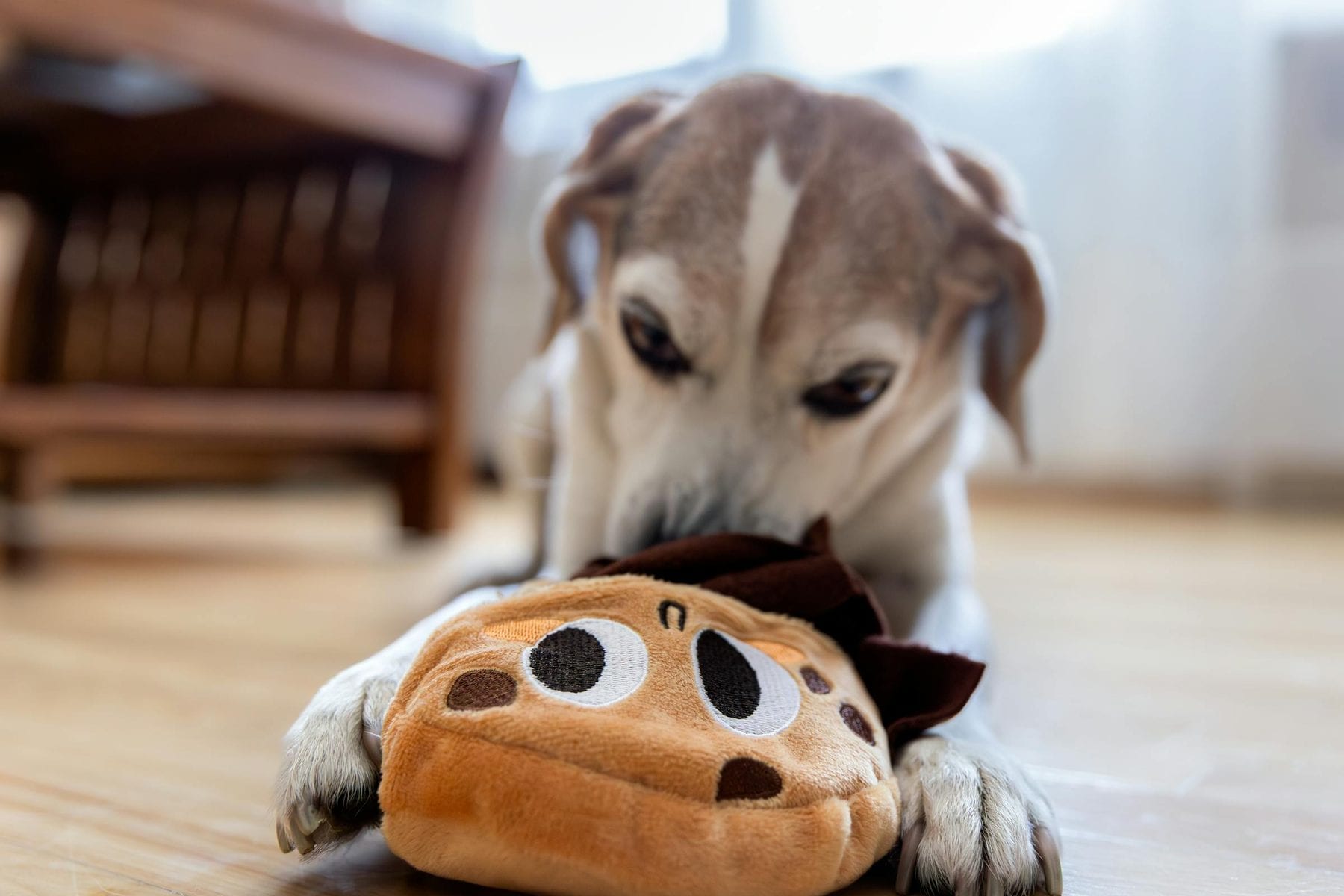
Your older dog may sleep more, walk more slowly, or lose interest in games they once loved. That does not mean they no longer need interesting things to do.
The clear answer: good senior dog enrichment keeps an older dog involved without asking their body or brain to work beyond what feels comfortable. Use short sniffing games, easy food searches, gentle play, slow exploration, simple training, social time, and plenty of recovery.
The activity should fit the dog you have today, not the dog they were five years ago.
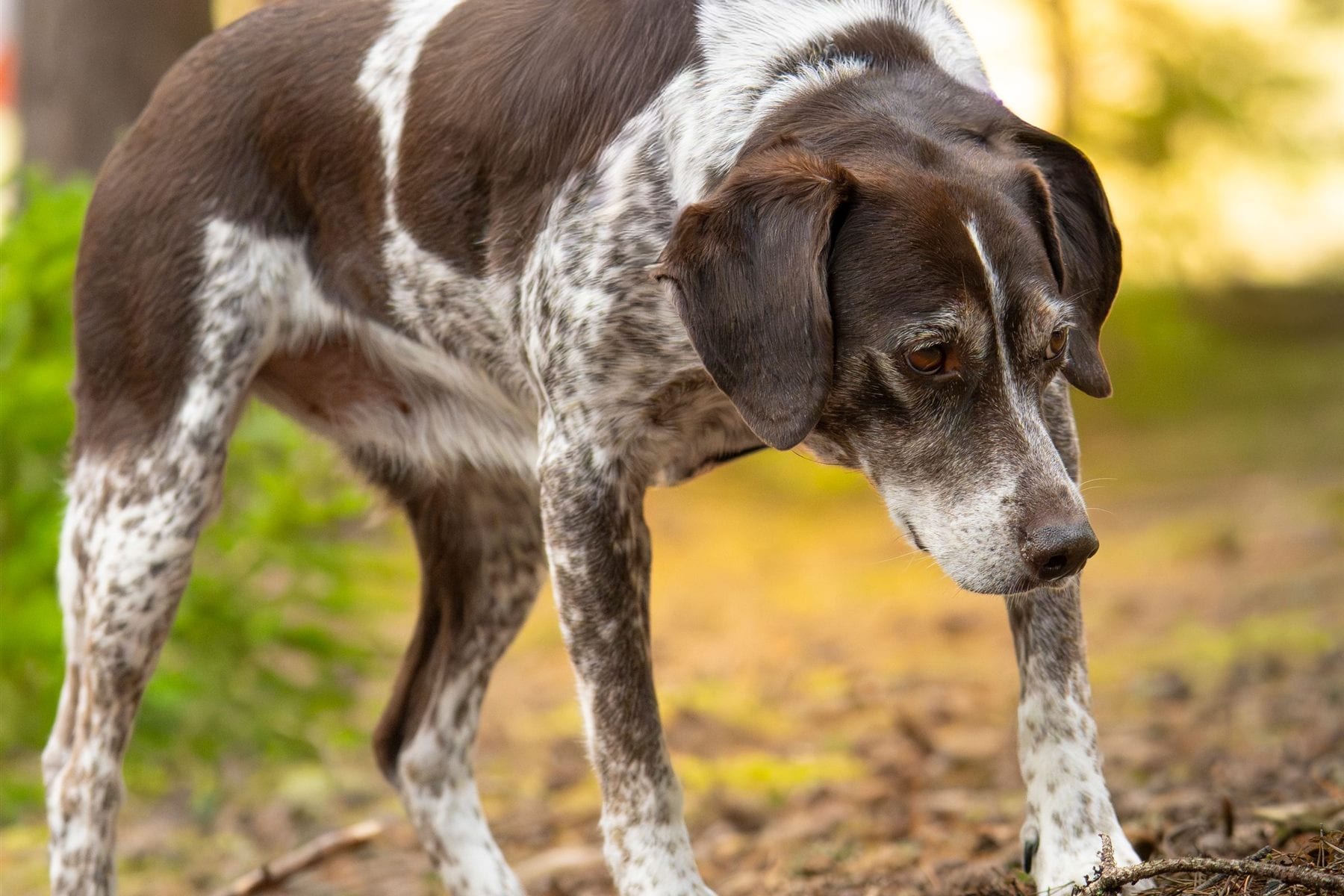
Senior enrichment should create curiosity and comfort, not pressure to keep up.
Enrichment Still Matters When a Dog Slows Down
Enrichment gives dogs appropriate ways to sniff, search, chew, move, investigate, solve problems, and interact. Those needs do not disappear when a muzzle turns gray.
What changes is how you meet them.
A young dog might enjoy a long hike followed by a difficult food puzzle. A senior dog may get more from ten minutes sniffing one quiet patch of grass, an easy treat search in the living room, and a nap beside you.
VCA Hospitals notes that exercise and enrichment programs can be modified to suit a senior pet's physical and behavioral needs. The American Kennel Club also recommends age-appropriate play, scent games, slow sniffing walks, and accessible puzzle activities for older dogs.
The goal is not to exhaust your senior dog. It is to help them remain connected to their environment and continue doing things they enjoy.
Start With the Dog in Front of You
"Senior" describes a life stage, not a single ability level. Some older dogs still hike and learn complex tricks. Others have arthritis, dental pain, reduced senses, or cognitive changes.
Before starting enrichment, notice:
- how easily your dog gets up
- whether they are steady on the floor
- how interested they are in food
- whether they can hear or see your cues
- whether they seem alert or confused
- whether they are breathing comfortably
- how they behaved after yesterday's activity
If your dog normally enjoys food games but suddenly refuses one, they may feel painful, tired, unwell, or confused. Sudden changes deserve a veterinary conversation.
A Simple Senior Dog Enrichment Routine
Spread small opportunities through the day. For many senior dogs, this rhythm works well:
- A slow morning sniff outside.
- Part of breakfast served through an easy search.
- A short social or training activity later in the day.
- Gentle movement or exploration in the afternoon.
- A calming licking, chewing, or companionship activity in the evening.
- Long, uninterrupted rest between activities.
Watch what happens afterward. A useful activity leaves the dog content, not sore or exhausted.
1. Make Sniffing Easy and Worthwhile
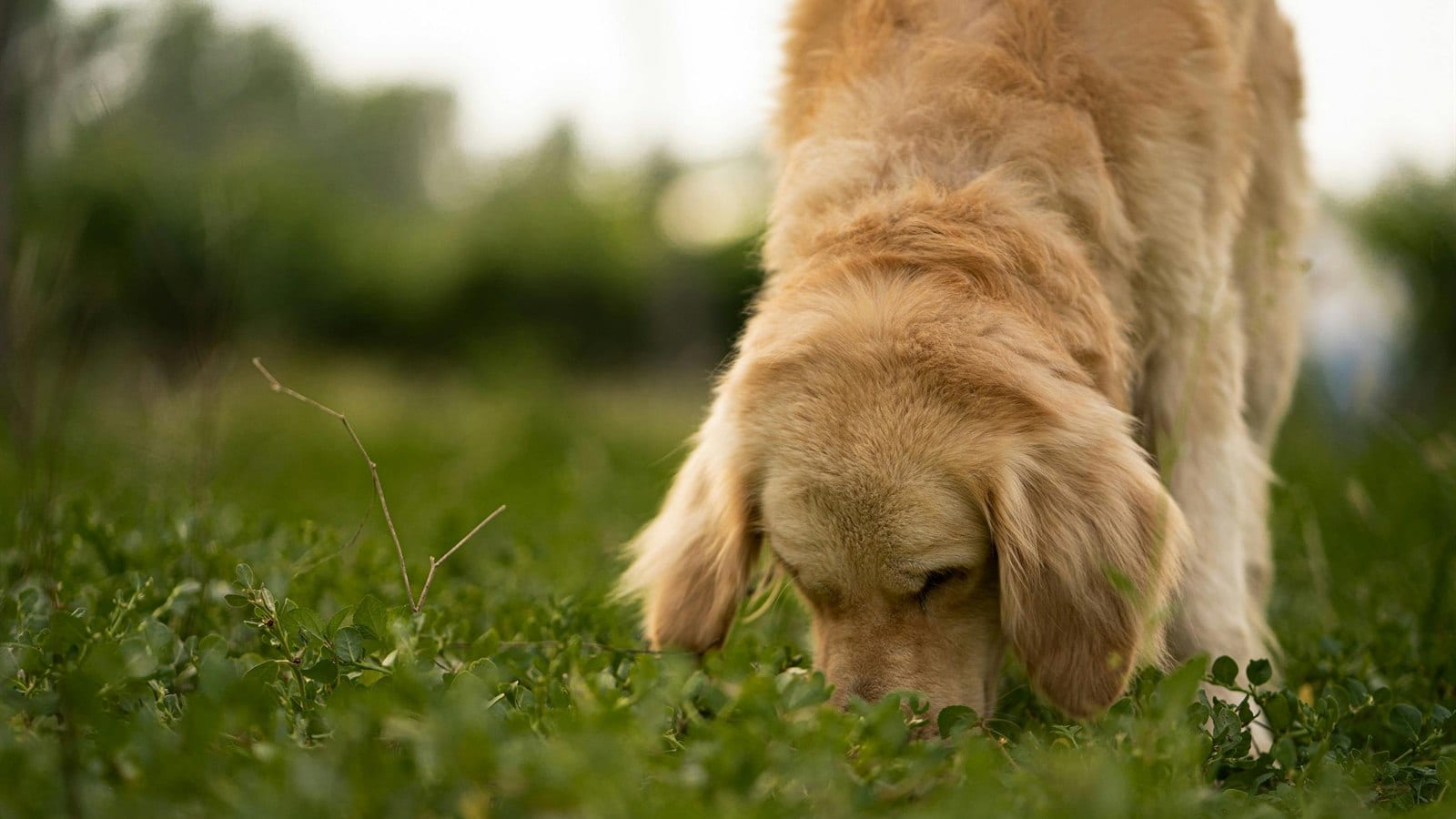
Sniffing is one of the most accessible forms of enrichment for many older dogs. It lets them gather information without requiring fast movement.
Try an easy indoor search:
- Place three or four treats in visible, reachable spots.
- Keep every treat on the floor or on a low, stable surface.
- Invite your dog to find them.
- Give them time instead of pointing repeatedly.
- End after one or two successful rounds.
As your dog understands the game, make only one part harder at a time. Move a treat partly behind a chair leg or under the edge of a towel. Do not hide food where the dog must climb, jump, squeeze, or lose their balance.
If your dog enjoys searching, adapt ideas from dog enrichment ideas with fewer hiding places, shorter distances, and softer surfaces.
Dogs with reduced vision can often use scent well, but keep the room layout predictable. Dogs with cognitive changes may need treats placed very close together so the game remains clear.
2. Turn Meals Into Gentle Enrichment
A senior dog does not need a difficult puzzle to benefit from working for food.
Simple options include:
- scattering kibble across a non-slip mat
- placing food in the cups of a muffin pan
- rolling treats loosely inside a towel
- using a shallow snuffle mat
- spreading suitable wet food on a lick mat
- placing food in an easy, stable puzzle feeder
Use part of the dog's normal meal so enrichment does not quietly add too many calories. Ask your veterinarian what foods and treats fit your dog's health needs, especially if they have kidney disease, diabetes, digestive problems, allergies, or a prescribed diet.
Make puzzles easier than you think they need to be. A puzzle that slides away, flips over, traps food, or requires uncomfortable pawing can frustrate an older dog.
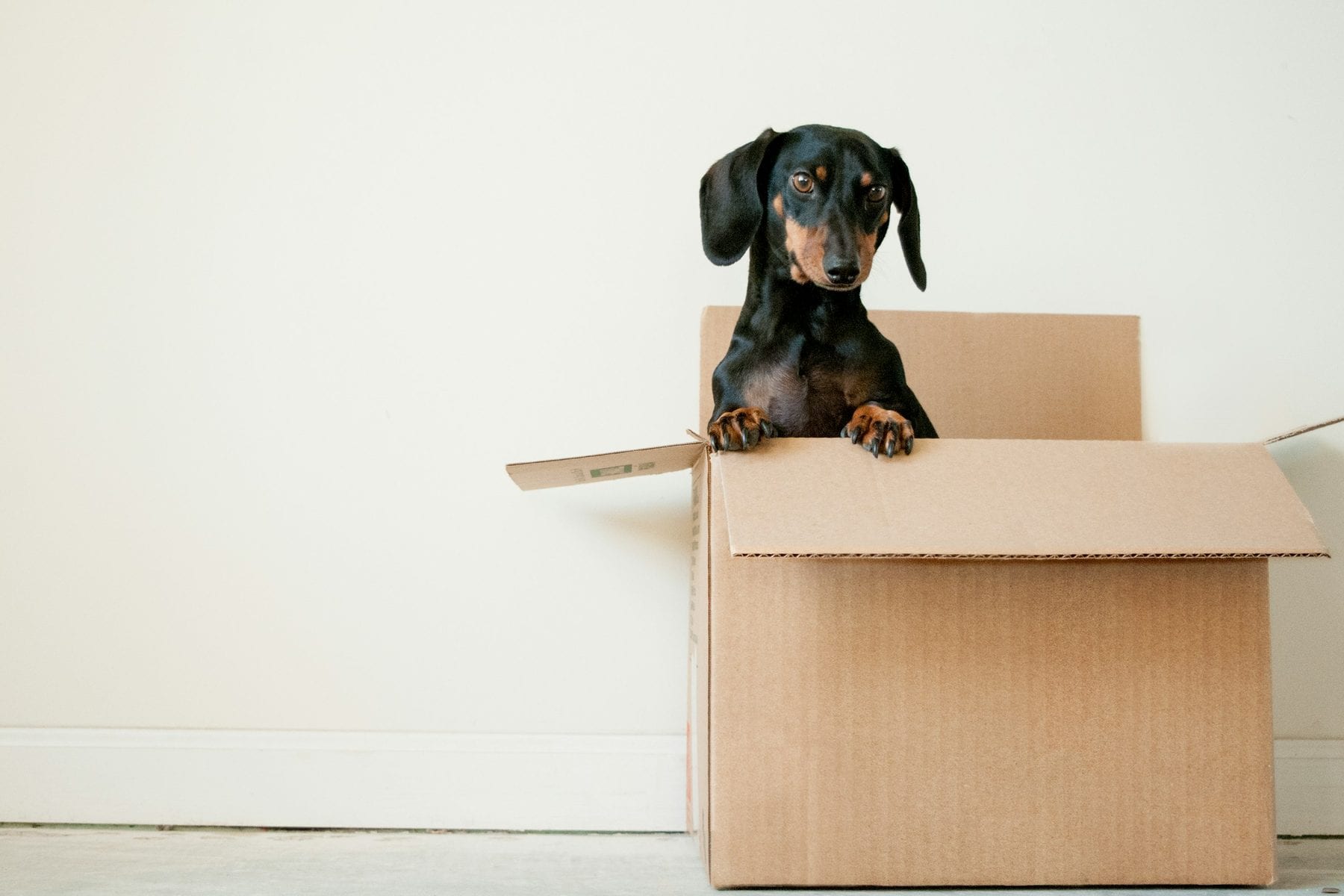
If you use household materials, supervise closely. The safety notes in cardboard box enrichment for dogs are especially important for seniors who may swallow pieces or struggle to move around a box.
3. Use Slow Sniff Walks, Not Distance Goals
A short walk can be rich in information.
Let your dog stop at a tree, inspect a familiar hedge, or choose between two quiet paths. The walk does not need to cover much ground to be worthwhile.
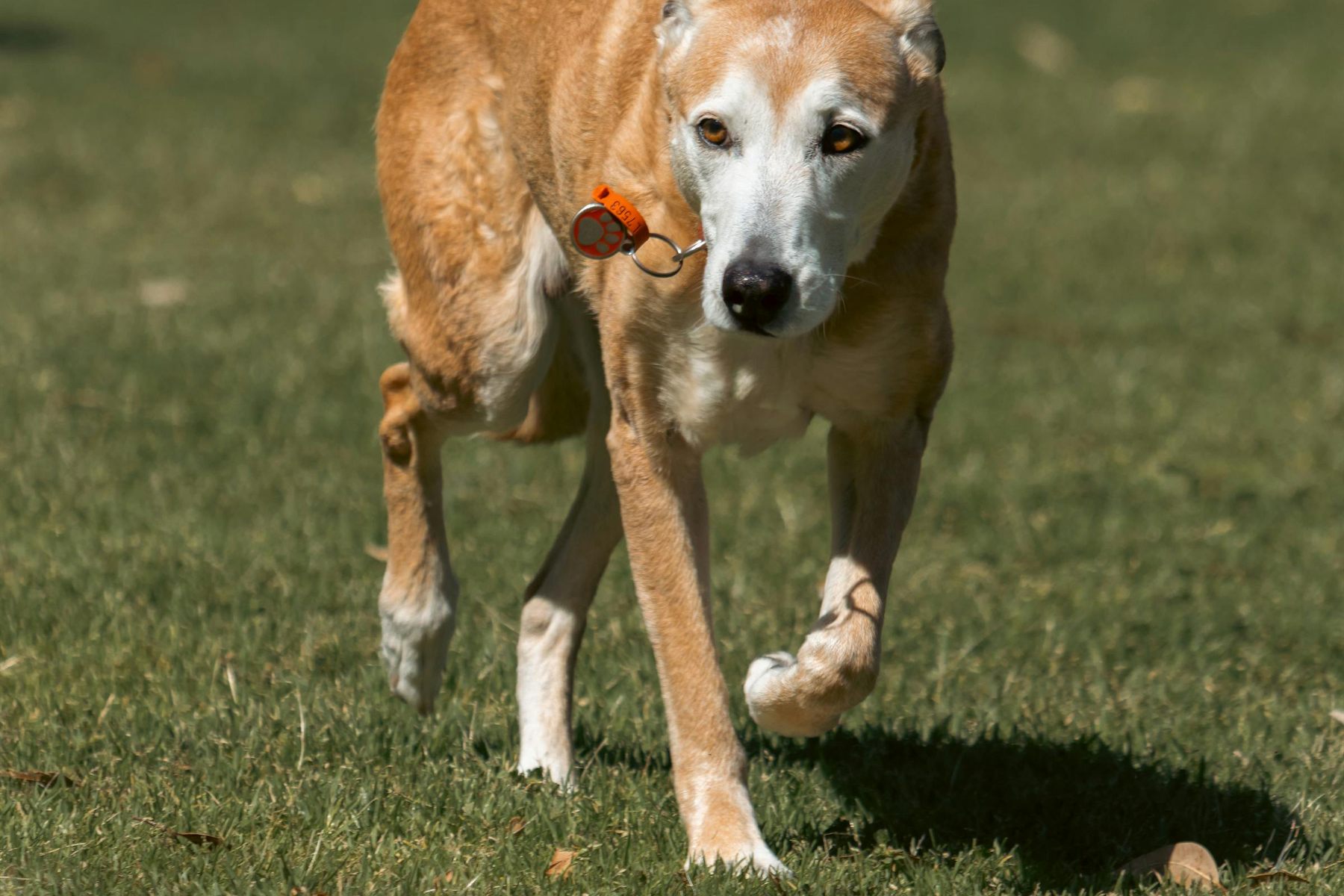
A slower walk with time to sniff can offer more useful enrichment than pushing for distance.
For a senior dog, a successful walk may mean:
- moving on a flat, predictable surface
- avoiding slippery pavement or steep hills
- going out during comfortable weather
- using a well-fitted harness
- taking breaks before the dog asks
- returning home while the dog still moves comfortably
Do not pull an older dog along because they are walking slowly. Pausing may mean they are sniffing, but it can also mean pain, fatigue, weakness, uncertainty, or difficulty seeing the path.
Older dogs can be less tolerant of heat, so check how hot is too hot to walk a dog before using a warm-weather walk as enrichment.
If your dog enjoys quiet exploration, borrow the low-pressure approach from decompression walks for reactive dogs: choose calm locations, allow sniffing, and reduce demands. The walk does not need to be about reactivity for those principles to help.
4. Keep Training Short and Physically Comfortable
Older dogs can still enjoy learning.
Choose skills that do not require repeated sitting, lying down, jumping, spinning, or balancing. Even familiar cues may become uncomfortable if joints hurt.
Good low-impact options include:
- touching your hand with the nose
- looking toward a named family member
- choosing between two toys
- resting the chin on a towel
- finding a treat under one of two cups
- stepping onto a large flat mat
- following a scent trail across one room
Use clear cues and give the dog time to respond. Hearing or vision changes can make old signals harder to understand. A hand signal may help a dog with hearing loss, while a spoken cue or scent marker may help a dog with reduced vision.
Stop after a few successful repetitions. Senior training is not a test of endurance.
5. Adapt Play Instead of Removing It
Many older dogs still want to play, but the old version of the game may no longer suit them.
If fetch causes hard stops or fast turns, roll a soft ball slowly across a rug instead. If tug is still comfortable, use the gentle rules from tug of war with dogs: keep the toy low, avoid twisting, and stop before excitement or physical effort climbs too high.
You can also offer a soft toy for carrying, a gentle hide-and-seek game, or a familiar toy placed within easy reach.
Watch for subtle signs that play has become uncomfortable:
- turning the head away
- repeatedly dropping the toy
- licking lips
- slowing suddenly
- shifting weight
- avoiding one direction
- taking longer to lie down afterward
Ending early protects tomorrow's ability to play.
6. Make Social Time an Activity
Enrichment does not always need equipment.
Sitting in the yard with you, receiving gentle brushing, or visiting a familiar person can be meaningful. Let the dog choose how much interaction they want. Some older dogs become more sensitive to touch, noise, young dogs, or busy visitors.
7. Treat Rest as Part of the Plan
Enrichment and rest work together.
An older dog may need significant recovery after an activity that appears easy. Give them a comfortable, accessible resting place where children and other pets will not disturb them.
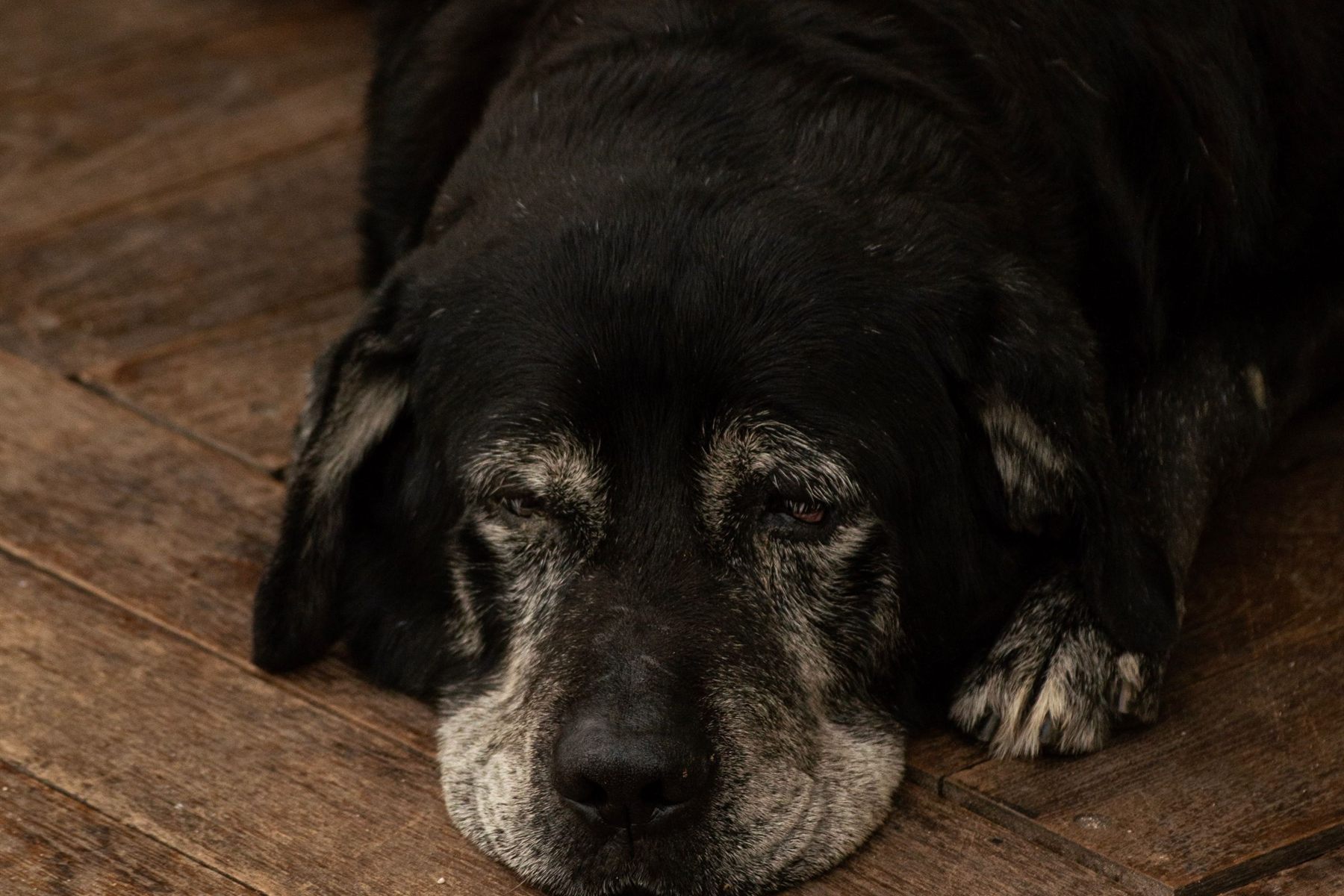
Rest is not a failure to enrich a senior dog. It is what allows gentle activity to remain enjoyable.
Improve the resting environment with:
- non-slip paths to the bed and water
- a bed that is easy to enter
- comfortable room temperature
- good lighting for evening movement
- predictable furniture placement
- reduced household noise
If your dog becomes restless at night, sleeps much more than usual, paces, appears lost, or cannot settle, contact your veterinarian. Those changes can have medical or cognitive causes.
Adjust Enrichment for Common Senior Changes
For Reduced Mobility
Keep activities on one level. Use rugs or runners for traction. Bring puzzles to the dog instead of asking them to cross the house. Avoid repeated position changes.
Ask your veterinarian before adding exercises or significantly changing activity, particularly if your dog has arthritis, weakness, or a history of injury.
For Hearing Loss
Approach where your dog can see you. Use consistent hand signals, gentle floor vibrations, or predictable routines. Avoid startling the dog awake.
For Vision Loss
Keep paths and furniture stable. Use scent, texture, and sound cues. Place food games in familiar locations and block stairs or hazards.
For Dental Changes
Choose soft rewards and toys that do not require hard chewing. A sudden reluctance to pick up toys or eat treats should be discussed with your veterinarian.
For Cognitive Changes
Keep games simple and familiar. Use clear start and finish routines. Reduce clutter and frustration. VCA Hospitals recommends veterinary assessment because cognitive changes can occur alongside other medical conditions.
Common Senior Enrichment Mistakes
Avoid:
- trying to tire the dog out
- repeating activities the dog no longer enjoys
- making every puzzle difficult
- asking for painful positions
- using slippery floors
- introducing several new activities at once
- waking the dog repeatedly for entertainment
- assuming slowing down is always normal aging
- letting younger pets crowd the senior during food games
- ignoring soreness or fatigue after an activity
The best enrichment is not the most creative setup. It is the one your dog can understand, enjoy, and recover from comfortably.
For more options, adapt rainy day dog enrichment by reducing the duration, difficulty, and physical effort.
When to Call Your Veterinarian
Talk with your veterinarian before starting a new exercise plan if your senior dog has known medical or mobility problems.
Arrange a checkup if you notice:
- sudden loss of interest in food, play, or walks
- limping, stiffness, trembling, or reluctance to move
- confusion in familiar places
- pacing or altered sleep
- new house soiling
- irritability or withdrawal
- difficulty finding food or water
- coughing, heavy breathing, or unusual fatigue
- significant appetite or weight changes
Do not use enrichment to push through these signs. Finding and treating the cause may be what allows your dog to enjoy activities again.
FAQ
What is the best enrichment for a senior dog?
The best option matches the dog's health and interests. Gentle sniffing, easy food searches, slow exploration, simple training, calm play, and social time work well for many seniors.
How much enrichment does a senior dog need?
There is no fixed amount. Several short activities spread through the day are often easier than one long session. Stop while your dog is still comfortable.
Are puzzle toys good for senior dogs?
Yes, if the puzzle is stable, accessible, and easy enough to solve. Reduce the difficulty if your dog becomes frustrated, tired, or walks away.
Can an old dog still learn new tricks?
Many can. Keep sessions short, use clear cues, provide good footing, and choose skills that do not require uncomfortable movement.
What enrichment is safe for a senior dog with arthritis?
Ask your veterinarian first. Depending on the dog, suitable options may include easy scent games, licking activities, simple food searches, and short walks on comfortable surfaces.
Should I wake my senior dog for enrichment?
Usually, let a sleeping senior dog rest. Offer activities when they naturally wake and appear interested. Contact your veterinarian about major changes in sleep patterns.
Sources
- VCA Hospitals: Behavior Counseling - Senior Pet Cognitive Dysfunction
- American Kennel Club: How to Improve Your Senior Dog's Quality of Life
- American Kennel Club: Best Toys and Games for Senior Dogs
- ASPCA: Canine DIY Enrichment
Image Credits
- Pexels photo by Lorenzo Manera - primary image
- Pexels photo by Ajay Lamichhane - first inline image
- Pexels photo by Lubna Abdullah - second inline image