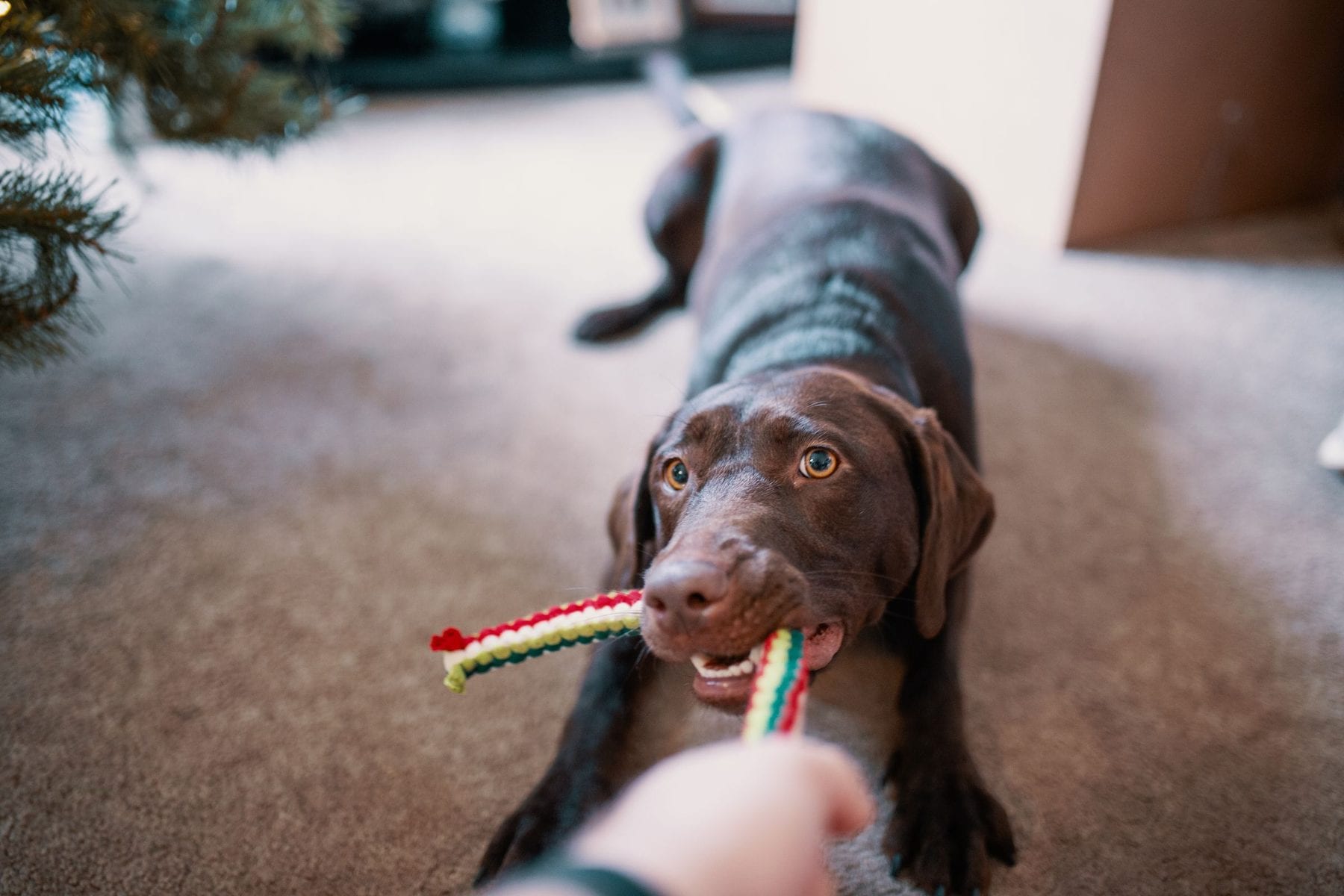
Tug gets blamed for a lot of behavior problems.
Some owners are told it will make their dog dominant. Others are told never to let the dog win. Then the dog grabs a toy, play-bows, and clearly wants to interact.
The clear answer: tug of war can be healthy dog enrichment when it has rules. Use a safe toy, keep the game low and controlled, teach a release cue, add pauses, and stop before your dog gets frantic. Tug becomes a problem when it is painful, chaotic, competitive, or used with a dog who cannot stay safe around toys.
Good tug is not a battle. It is a structured game your dog can understand.
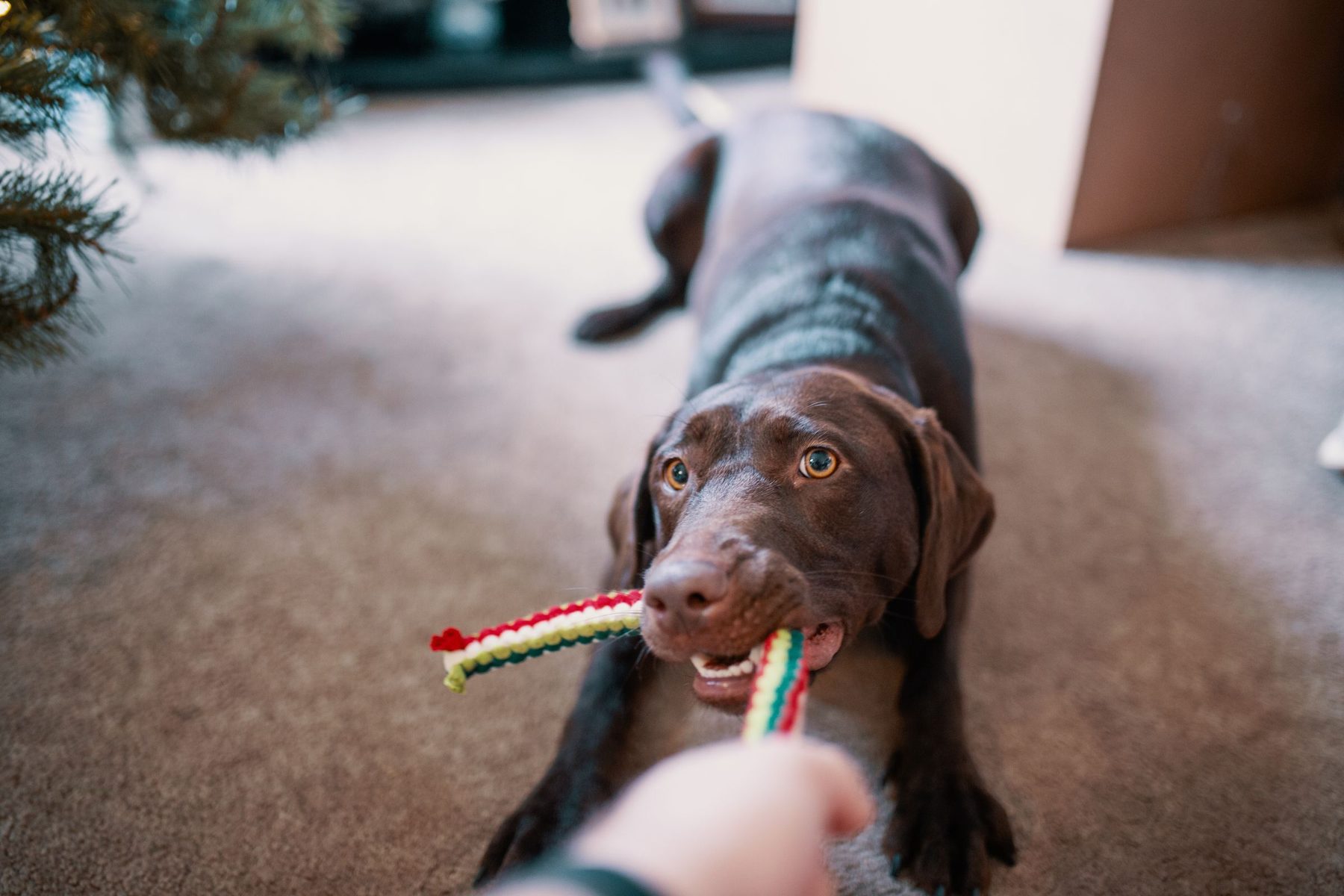
Tug works best when the dog can pull, pause, release, and come back for more without losing control.
Why Tug Can Be Good Enrichment
Dogs need outlets for normal behavior.
Tug can meet several needs at once:
- using the mouth
- pulling
- playing socially
- practicing impulse control
- switching between excitement and calm
- responding to cues around a valued toy
- building confidence through a predictable game
The RSPCA describes enrichment as supporting animals' physical and behavioral needs. Tug fits that idea when it gives the dog a safe outlet instead of letting that energy spill into sleeves, leashes, furniture, or hands.
The useful part is not just the pulling. It is the pattern:
Play. Pause. Release. Think. Restart.
That pattern can help dogs learn that excitement does not mean losing their brain.
For a broader daily routine, pair tug with dog enrichment ideas. Tug is one tool, not the whole day.
Does Tug Make Dogs Aggressive?
Tug does not automatically make dogs aggressive.
The bigger question is how the dog behaves during and after the game.
A healthy tug session usually includes loose body movement, happy re-engagement, easy pauses, and a dog who can release or trade. Some playful growling can be normal for some dogs, but the rest of the body should still look loose and responsive.
Concerning signs include:
- hard staring
- stiff body
- freezing over the toy
- guarding the toy from people
- biting hands repeatedly
- escalating when you pause
- refusing all trades
- snapping when you reach nearby
- staying frantic after the game ends
If you see those signs, tug may need to be paused while you work with a qualified trainer or behavior consultant.
The game itself is not the only issue. Pain, fear, resource guarding, frustration, rough handling, and poor toy rules can all make tug unsafe.
Choose the Right Tug Toy
The toy matters.
Choose a tug toy that is:
- long enough to keep hands away from teeth
- soft enough not to hurt the mouth
- durable enough for your dog
- easy for you to hold
- easy for the dog to grip
- not so tiny that fingers end up in the bite zone
Avoid playing tug with socks, sleeves, towels you still use, children's toys, or leashes. Dogs learn categories through practice. If tug happens with laundry, do not be surprised when laundry becomes interesting.
For puppies and small dogs, use a lighter toy. For large dogs, use something sturdy and long. For power chewers, inspect the toy before and after the game.
Throw away toys that are fraying badly, exposing stuffing, breaking into pieces, or becoming easy to swallow.
How to Start the Game
Start when your dog is interested but not already wild.
Hold the toy low. Wiggle it gently away from your dog. Let your dog grab the toy. When they pull, keep your knees soft and move with them instead of bracing like you are trying to win a contest.
Good tug movement is mostly side to side, not up and down.
Avoid:
- lifting the dog
- snapping the neck upward
- twisting the head
- dragging the dog across slick floors
- pulling hard against puppies or senior dogs
- playing on stairs
- playing near furniture corners
The toy should feel alive, not violent.
If your dog misses the toy and hits your hand, pause. Make the toy longer, slow the movement, and restart only when your dog can target the toy safely.
Teach a Release Without a Fight
Every tug dog should learn a release cue.
That does not mean you pry the toy out. It means the dog learns that letting go makes good things happen.
Try this:
- Play tug for three to five seconds.
- Freeze the toy against your leg so it stops moving.
- Put a treat near your dog's nose.
- When your dog lets go, say "drop" or "out."
- Give the treat.
- Restart tug.
At first, the cue happens as the dog releases, not before. Once the pattern is clear, say the cue just before offering the trade.
Restarting the game is important. If "drop" always ends fun, many dogs hold tighter. If "drop" often predicts the game coming back, the cue becomes easier.
If your dog is too excited to trade, the game is too intense. Make tug shorter, use better food, or practice release with a boring toy before trying again.
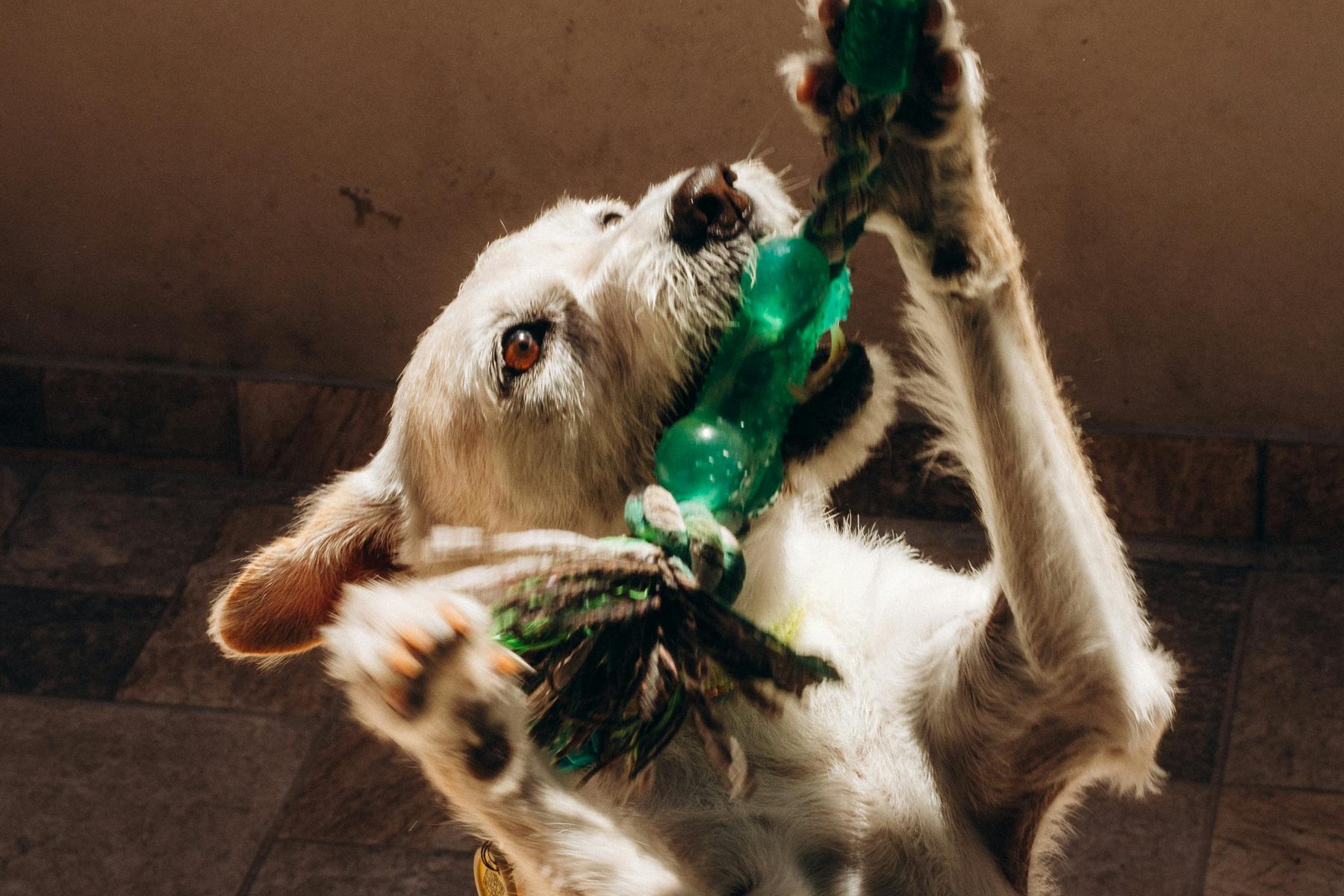
A good release cue is taught with trades and repetition, not by prying the toy from the dog's mouth.
Let Your Dog Win Sometimes
You can let your dog win.
Winning does not ruin the dog. For many dogs, carrying the toy away for a victory lap is part of the fun.
The important question is what happens next.
Can your dog bring the toy back? Can they re-engage without guarding? Can they release for a trade? Can they settle when the game is over?
If yes, letting them win is fine.
If your dog runs away and guards the toy under a table, use easier games for now. Practice trades away from tug. Keep the toy on a leash or long line if needed so the game stays connected without chasing.
Do not chase a dog who steals the tug toy. Chasing usually teaches the dog that running away starts another game.
Use Tug for Calm Control
Tug can teach useful skills when you build in structure.
Try this simple pattern:
- Ask for a sit or hand target.
- Say "get it."
- Tug for five seconds.
- Freeze the toy.
- Cue "drop."
- Reward.
- Ask for one easy cue.
- Start again.
Do not ask for hard obedience in the middle of a high-arousal game. Keep it simple. Sit, hand target, eye contact, or a short wait is enough.
The goal is not to turn play into a drill. The goal is to help your dog move between excitement and thinking.
This is especially useful for dogs who get mouthy when excited. They need practice with a legal mouth outlet and clear pauses, not yelling or punishment.
When Tug Is Too Much
Some dogs get too high too fast.
That does not mean tug is bad forever. It means the version you are playing is too intense right now.
Lower the intensity by:
- shortening the session
- using a softer toy
- playing for three seconds at a time
- adding more food trades
- playing after a sniff walk, not before
- playing on carpet for traction
- ending with a scatter feed or calm chew
If your dog tends to spin up indoors, use calmer activities from rainy day dog enrichment or find it games for dogs before using tug.
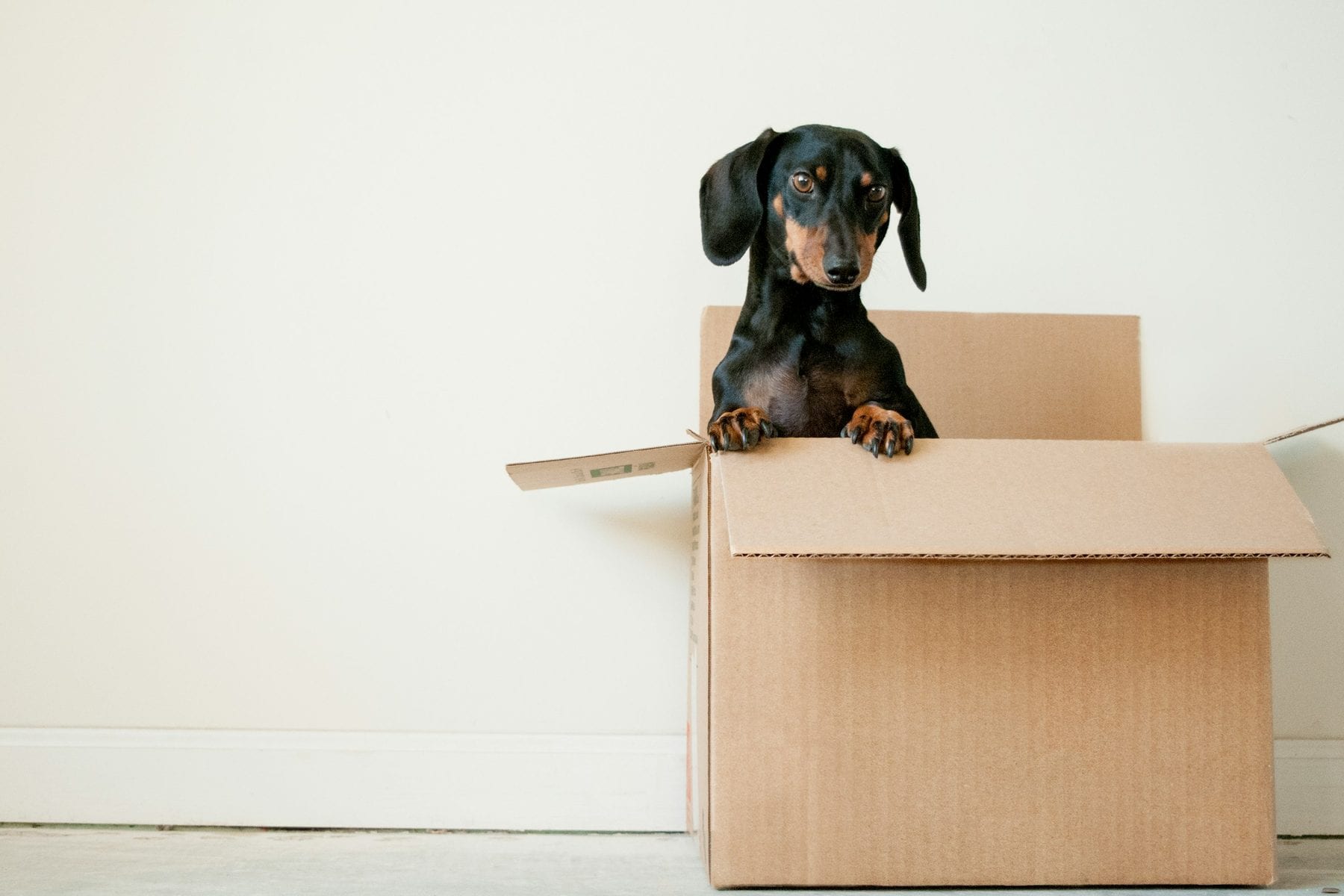
For dogs who need shredding or mouth outlets but cannot handle tug yet, cardboard box enrichment for dogs may be a better starting point if they do not swallow cardboard.
Can Two Dogs Play Tug Together?
Some dogs can safely tug with each other.
Many cannot.
Dog-dog tug needs close supervision because one dog may be having fun while the other is guarding, trapped, or overwhelmed.
Healthy dog-dog tug often includes:
- loose bodies
- role switching
- breaks
- both dogs re-engaging
- no one guarding the toy afterward
- no one pinning or crowding the other dog
Stop the game if either dog stiffens, freezes, growls with a hard body, hides with the toy, repeatedly body-slams the other dog, or cannot disengage.
Use two toys if needed. Some dogs do better playing near each other, not sharing the same item.
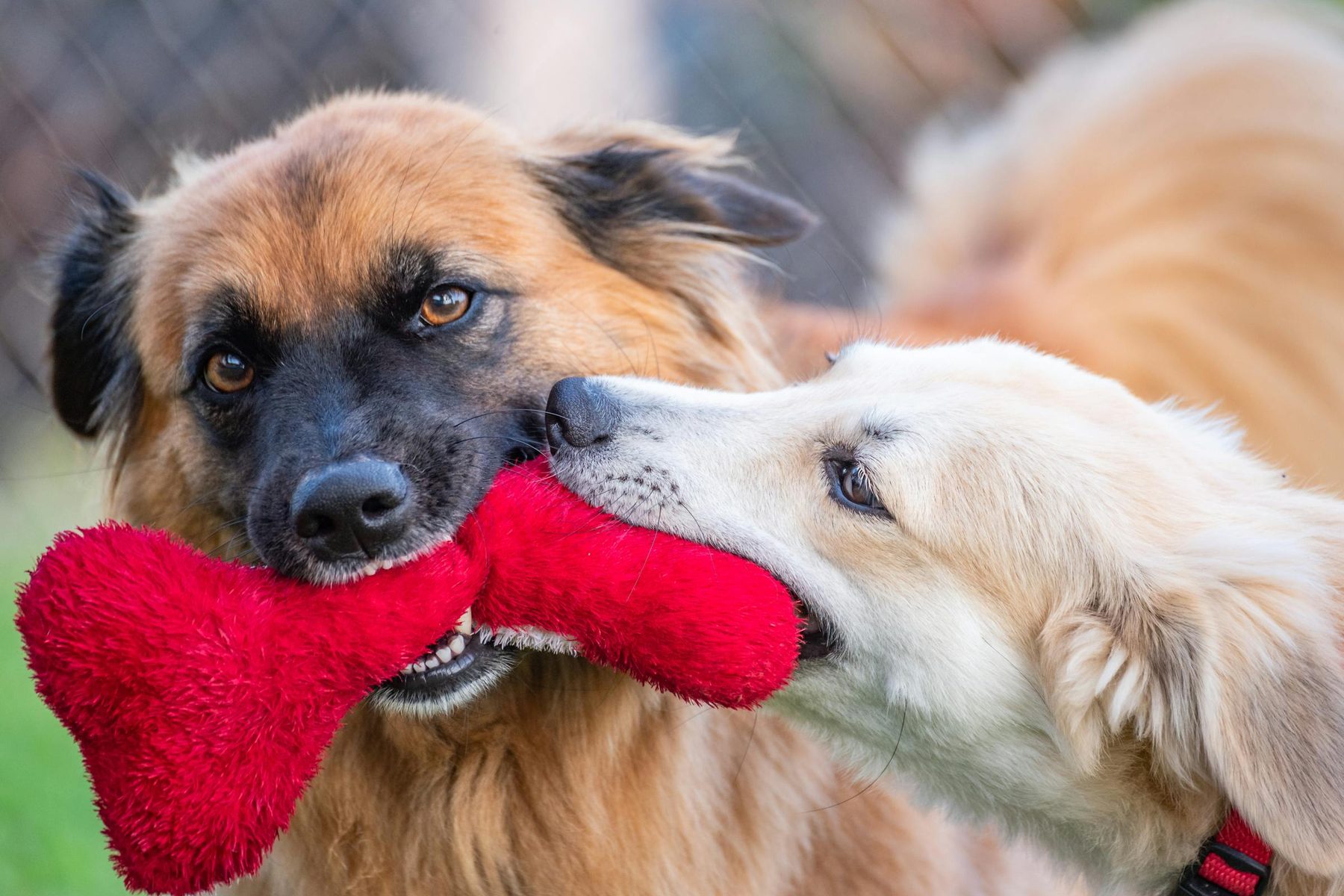
Dog-dog tug should stay loose and mutual. If one dog looks trapped or guarded, stop the game.
Puppies, Seniors, and Small Dogs
Puppies can play tug, but gently.
Use soft toys. Keep sessions short. Avoid hard pulling while teeth and jaws are developing. Let the puppy move the toy more than you do.
Senior dogs may still enjoy tug, but adjust for neck, back, dental, or joint issues. Keep the toy low, avoid sudden turns, and stop if the dog looks stiff or sore afterward.
Small dogs need the same respect as large dogs. Do not lift them off the ground with a toy. Do not shake the toy so hard that their whole body whips around.
The smaller the dog, the more careful your movement should be.
Common Tug Mistakes
Avoid these:
- playing until the dog is frantic
- using your hands as part of the game
- pulling upward on the neck
- chasing the dog for the toy
- prying the mouth open
- yelling when the dog misses the toy
- playing on slippery floors
- letting children play rough tug unsupervised
- using tug to tease a worried dog
- ignoring guarding signs
Tug should build trust. If the dog looks worried, pressured, or defensive, change the game.
When to Get Help
Call a qualified trainer or behavior consultant if your dog guards toys, bites hands hard during tug, cannot release even for high-value trades, fights with another dog over toys, or becomes difficult to calm after play.
Talk with your veterinarian if your dog suddenly avoids tug, drops toys, chews on one side, yelps, limps, or seems painful after play. Dental pain, neck pain, and joint issues can change how a dog handles games.
The IAABC directory can help you find a behavior consultant, and your veterinarian can help rule out medical causes.
FAQ
Is tug of war good for dogs?
Yes, tug can be good enrichment when it is supervised, safe, and structured. The dog should be able to pause, release, and settle after play.
Does tug of war make dogs aggressive?
Tug does not automatically make dogs aggressive. Problems are more likely when the game is rough, uncontrolled, painful, or played with a dog who guards toys.
How do I play tug safely with my dog?
Use a long soft toy, keep movement low and gentle, avoid twisting the neck, add release cues, and stop before your dog gets frantic.
Should I let my dog win tug?
Yes, letting your dog win sometimes is fine. Make sure they can bring the toy back, release for a trade, and stay relaxed around the toy.
What if my dog will not drop the tug toy?
Trade for food or another toy. Practice with easier toys outside the game first. Do not pry the mouth open or chase the dog.
Can two dogs play tug together?
Some can, but supervise closely. Stop if either dog stiffens, guards, pins the other dog, or cannot take breaks.