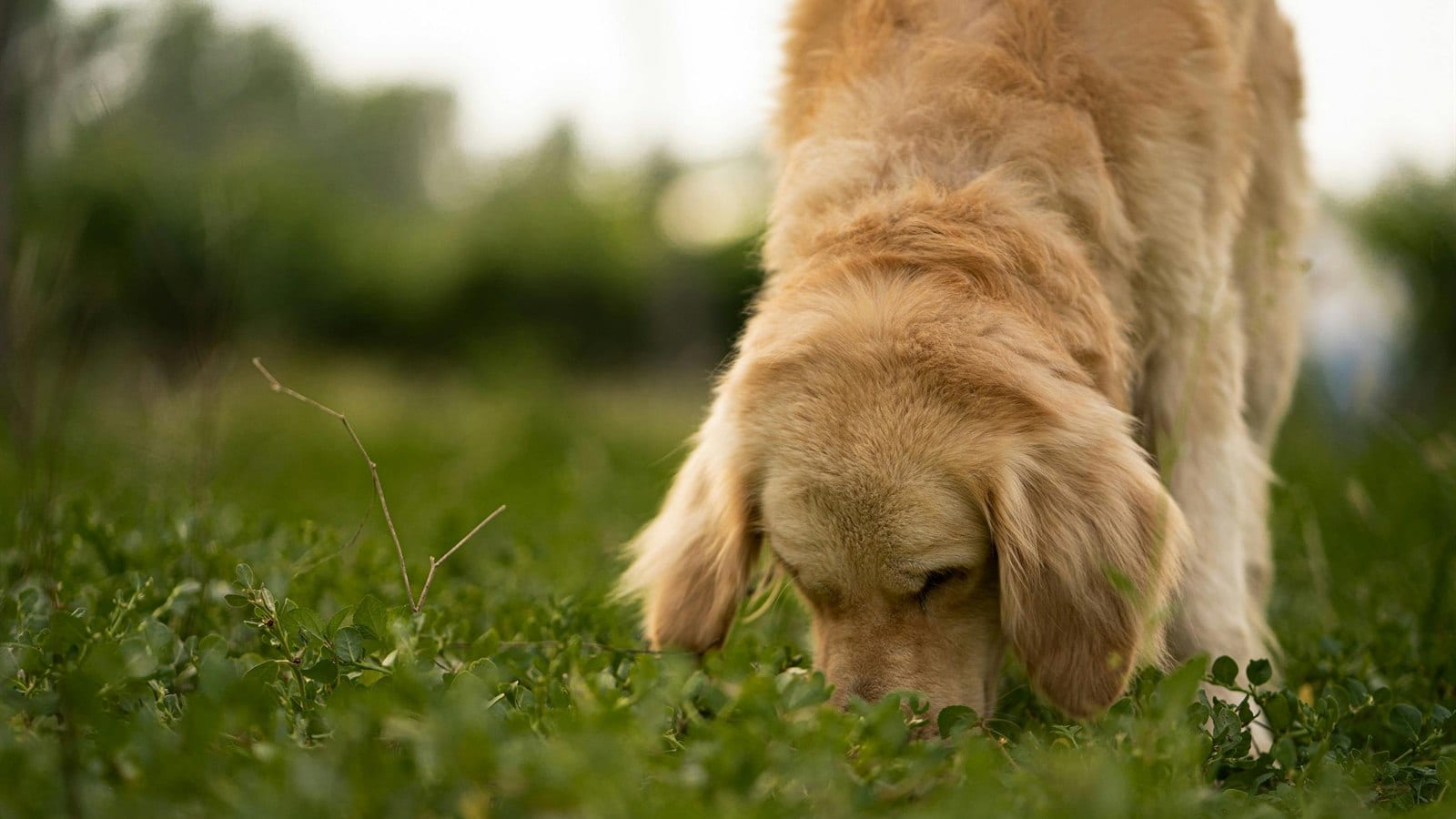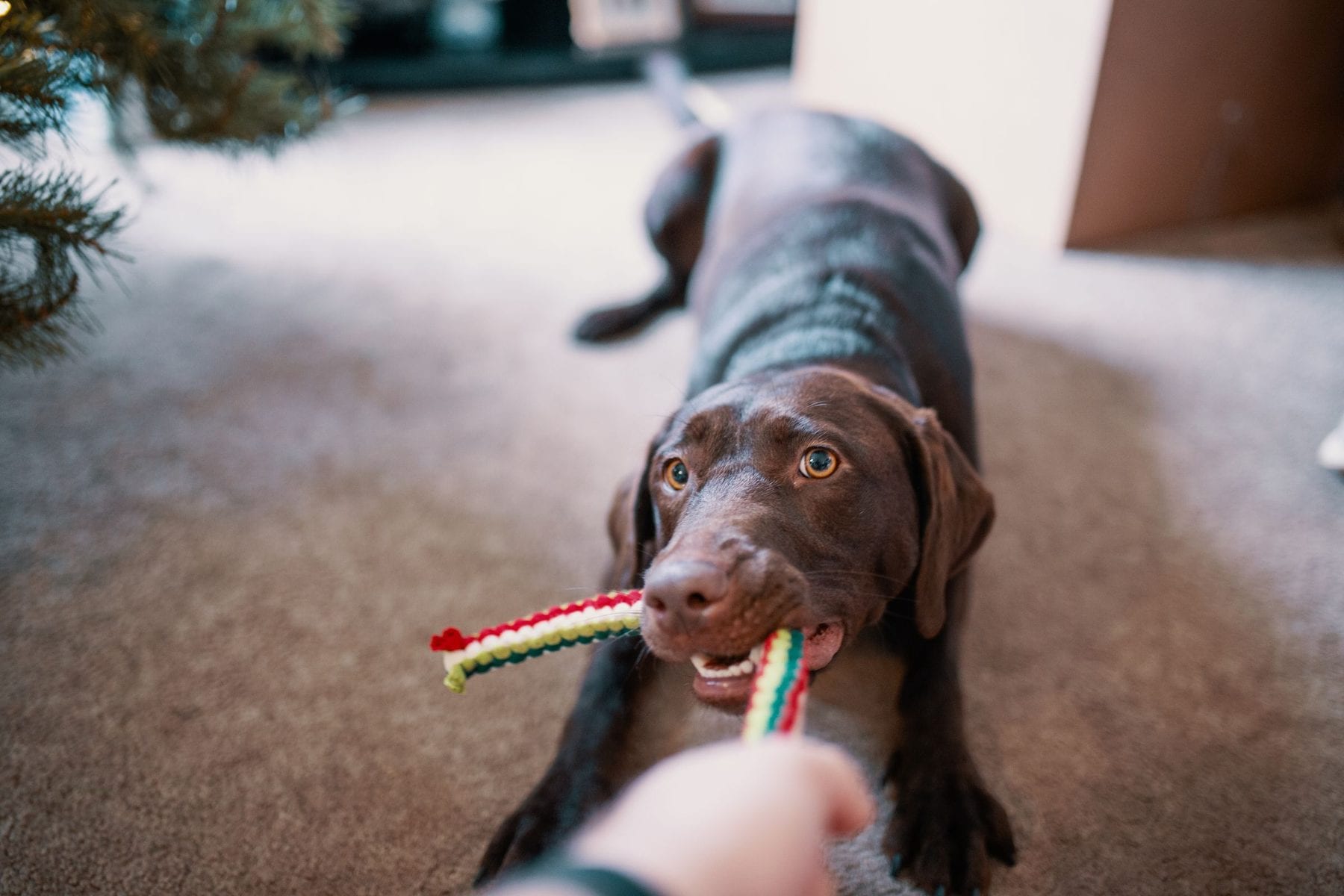
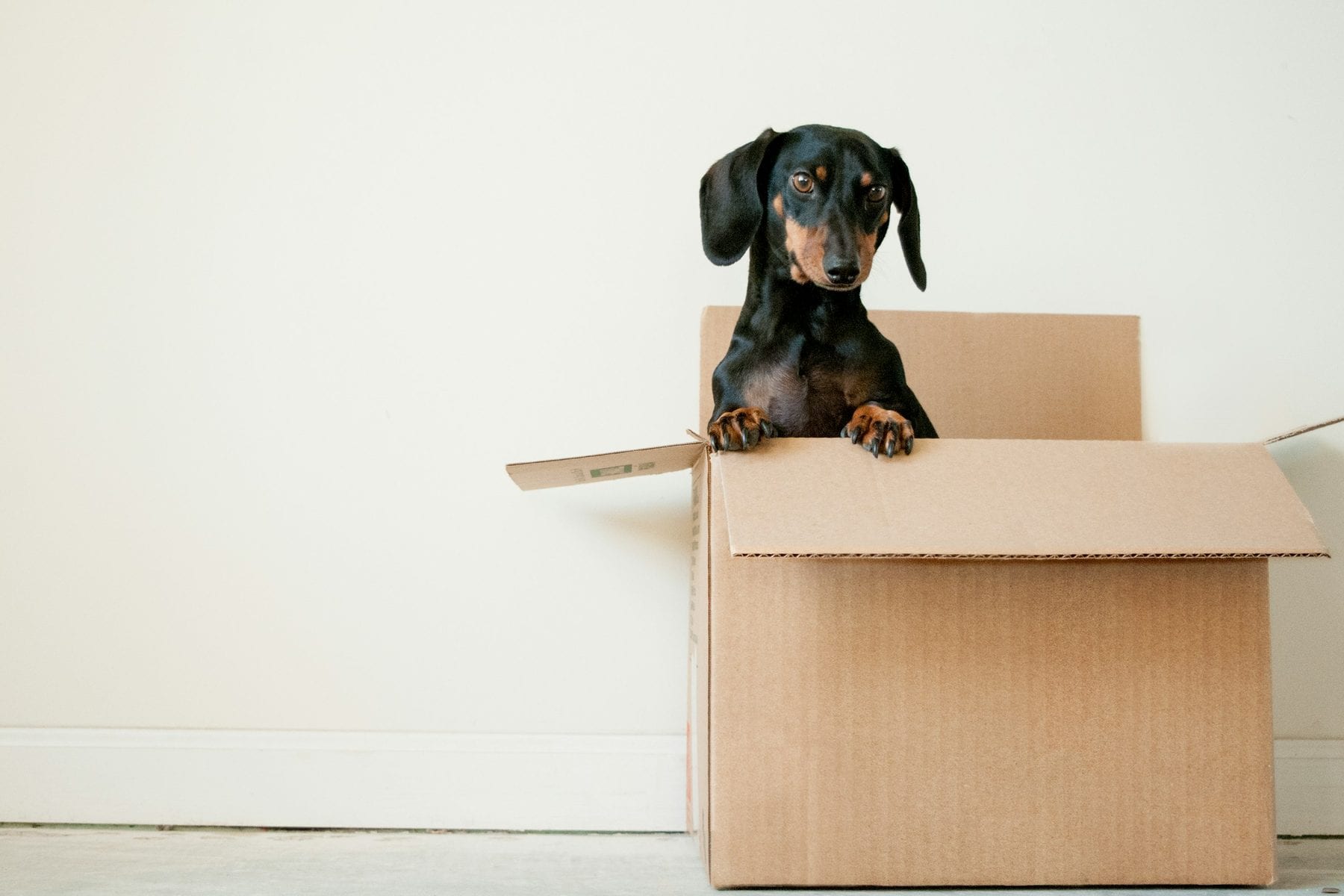
A cardboard box can be more than recycling.
For many dogs, it can become a sniffing game, a food puzzle, a shredding outlet, a confidence exercise, or a rainy-day activity that costs almost nothing.
The clear answer: cardboard box enrichment can be useful when the box is clean, the setup is easy, and your dog is supervised. Start with open-box treat searches before adding paper, tubes, flaps, or shredding. Stop if your dog swallows cardboard, guards the box, or gets frantic.
This is not about handing your dog a random shipping box and hoping for the best. It is about giving your dog a safe, simple way to sniff, search, problem solve, and use their mouth appropriately.
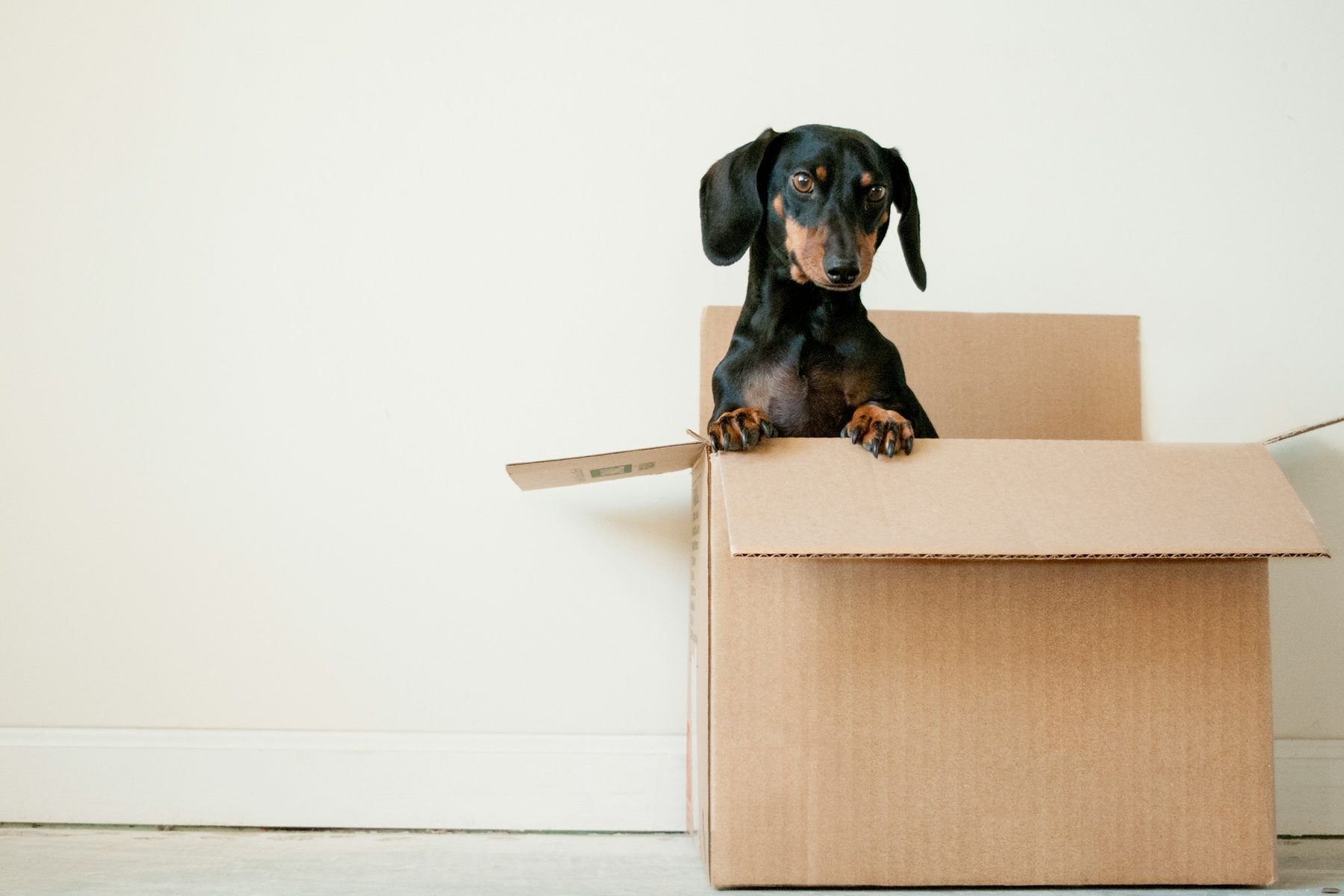
A plain box can become enrichment, but only when the setup fits the dog's chewing style and confidence level.
Why Cardboard Boxes Work for Dog Enrichment
Dogs explore with their noses and mouths.
That is why cardboard can be so interesting. It has texture, scent, sound, movement, and hiding places. A box also changes the environment without requiring a complicated toy.
The RSPCA describes enrichment as activities that help animals meet physical and behavioral needs. A good cardboard game can meet several dog needs at once:
- sniffing
- foraging
- chewing
- shredding
- problem solving
- confidence building
- calm indoor activity
The key word is good.
Poor cardboard enrichment can turn into swallowed pieces, resource guarding, frantic tearing, or a mess that teaches the dog to raid every delivery box. The activity should leave your dog more satisfied, not more wound up.
For a broader routine, pair this with dog enrichment ideas. Cardboard boxes are one tool, not the whole plan.
Safety First: What to Remove
Before your dog touches the box, inspect it.
Remove:
- tape
- staples
- plastic straps
- packing peanuts
- bubble wrap
- loose labels
- food residue
- sharp torn edges
- glossy inserts
- anything with strong chemical smell
Use plain cardboard when possible. Avoid boxes that held chemicals, cleaners, medication, raw meat, chocolate, toxic plants, or anything that could leave unsafe residue.
If the box has small printed icons, that is usually less important than tape, staples, plastic, and residue. Still, plain boxes are best.
Do not use cardboard enrichment for dogs who swallow non-food items. If your dog has a history of eating socks, toys, rocks, mulch, paper, or cardboard, choose a safer supervised food puzzle and ask your veterinarian or a qualified trainer for help.
Game 1: The Open-Box Treat Search
This is the best starting point.
Use a shallow open box. Drop in five to ten pieces of kibble or tiny treats. Let your dog put their head in and sniff them out.
That is it.
Do not close the flaps. Do not hide food under heavy layers. Do not make the dog fight the box.
The goal is confidence. A dog who learns, "I can put my nose in here and find food," is much more likely to enjoy the next step.
If your dog is nervous, put the treats near the edge of the box first. If your dog is bold and starts grabbing the whole box, hold the box steady or use a heavier, wider one.
This game is also useful before moving to find it games for dogs, because both activities teach calm searching instead of frantic guessing.
Game 2: Paper Crumple Search
Once your dog likes the open box, add plain paper.
Use a few pieces of packing paper, newspaper without glossy inserts, or plain brown paper. Crumple them loosely and place them in the box. Sprinkle food between the paper pieces.
Make it easy at first. Your dog should be able to nudge, sniff, and move the paper without frustration.
Watch for two things:
- Is your dog searching calmly?
- Is your dog swallowing paper?
If the answer to the second question is yes, stop. Some dogs shred and spit. Some dogs shred and swallow. Those are different risk levels.
For dogs who can handle it, paper crumple searches are a low-cost version of a snuffle-style game. They can be especially useful when rain, heat, or busy schedules shorten normal outdoor sniffing. If weather is the reason you are stuck inside, use rainy day dog enrichment for a fuller plan.
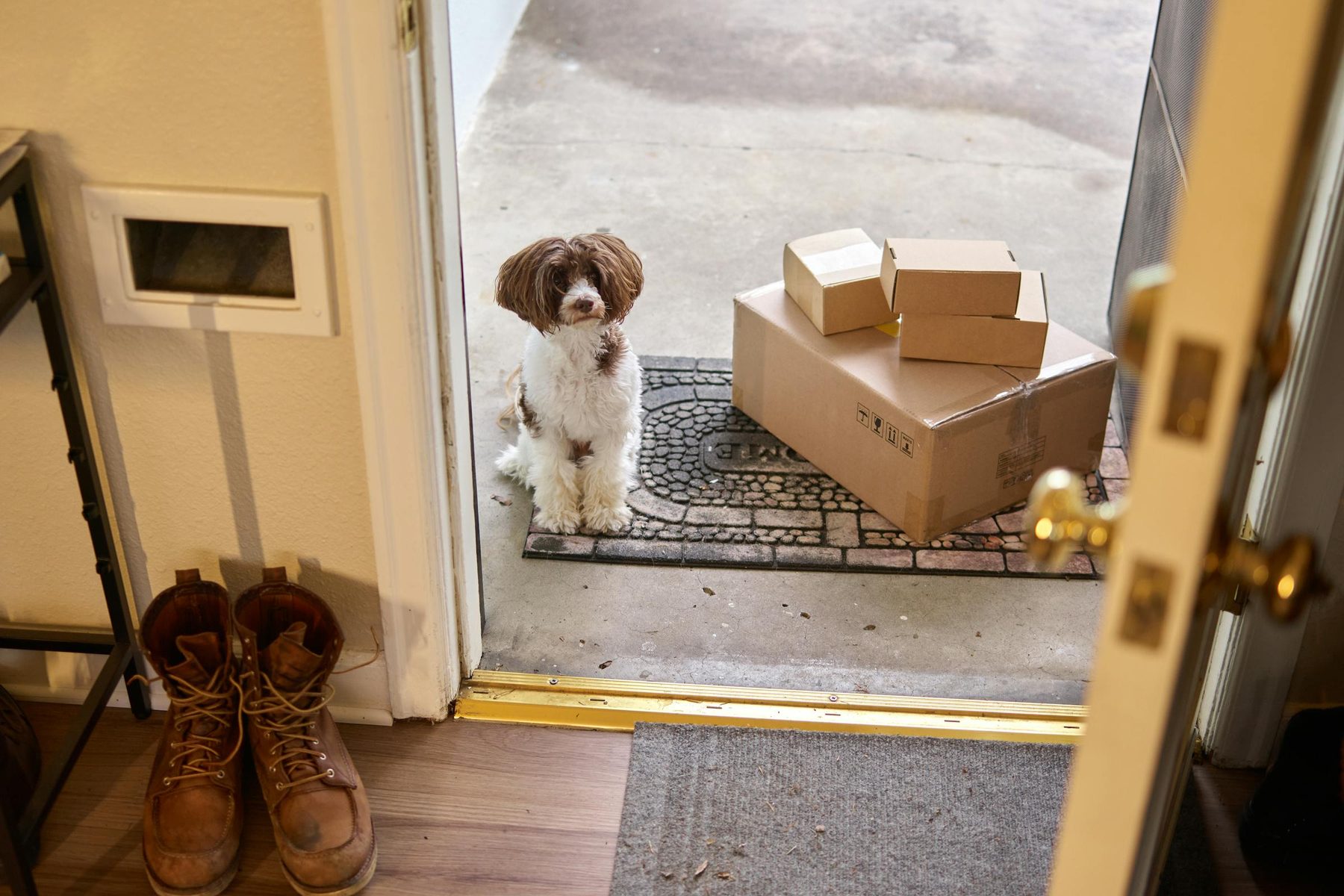
Delivery boxes can become enrichment only after you remove tape, plastic, staples, and anything your dog might swallow.
Game 3: Paper Towel Tube Treats
Paper towel tubes and toilet paper tubes can be useful, but they should be introduced carefully.
Easy version:
- Put two or three pieces of kibble inside the tube.
- Leave both ends open.
- Place the tube in the box.
- Let your dog roll it, nose it, or pick it up.
Harder version:
- Fold one end loosely.
- Add a few treats.
- Fold the other end loosely.
- Place it in the box with paper.
Do not pack it tight for a beginner. A dog who cannot get the food out may start ripping and swallowing.
If your dog loves the tube too much, make it easier or switch to a sturdier reusable puzzle. Enrichment should not become a cardboard-eating contest.
Game 4: Shredding With Rules
Some dogs love to shred.
For the right dog, controlled shredding can be a legal outlet. For the wrong dog, it is unsafe.
A good shredding candidate:
- tears cardboard but spits pieces out
- does not guard the box
- can stop when you call them away
- does not become frantic
- does not try to eat tape, labels, or paper
Start with a small piece of plain cardboard or one open box. Put a few treats inside so the shredding has a clear beginning. Stay nearby. End the game before the dog is exhausted or wild.
Avoid encouraging shredding if you do not want your dog touching household boxes. Dogs are not good at understanding "this cardboard is allowed, but that Amazon delivery by the door is forbidden" unless the setup is very clear.
Use a cue such as "box time" and store enrichment boxes away when the game is over.
Game 5: Confidence Box
Not every cardboard game has to involve tearing.
For shy dogs, boxes can become confidence exercises. The goal is not to trap the dog. The goal is to let them investigate at their own pace.
Try this:
- Place a shallow box on the floor.
- Drop treats around the outside.
- Drop treats near the edge.
- Drop treats just inside.
- Let the dog choose whether to step in.
Do not push, lift, or lure a worried dog into a box they want to avoid. That turns enrichment into pressure.
If your dog has sound sensitivity, start with a box that does not slide, wobble, or crackle loudly. Put it on carpet or a yoga mat so it feels stable.
When Cardboard Is Not a Good Idea
Skip cardboard box enrichment if your dog:
- eats cardboard or paper
- has a history of intestinal blockage
- guards boxes, food, or toys
- panics in tight spaces
- chews compulsively
- recently had dental work or surgery
- becomes frantic around food puzzles
- fights with another dog over items
ASPCA behavior guidance on destructive chewing emphasizes giving appropriate outlets and managing access to things dogs should not chew. That is the mindset here too. Cardboard is only appropriate if it is safe for your specific dog.
If you have multiple dogs, separate them for box games. One dog sniffing slowly while another rushes in can create tension quickly.
Breed and Age Notes
Puppies can enjoy cardboard games, but they need close supervision. Their job is to explore. Your job is to prevent swallowing, sharp pieces, and unsafe habits.
Terriers may enjoy shredding. Scent hounds may enjoy treat searches. Retrievers may like carrying a tube. Herding breeds may prefer a structured search with a start and finish cue. Toy breeds may need shallow boxes and tiny treats.
Senior dogs can benefit too. Use low boxes, non-slip floors, and easy searches. Avoid making them climb, twist, or work on slick surfaces.
Flat-faced dogs and dogs with breathing problems should not be pushed into intense, frustrating puzzle work. Keep sessions short and easy.
The best cardboard game is the one your dog finishes calmly.
How Long Should a Box Session Last?
Most sessions should be short.
Five to ten minutes is enough for many dogs. A puppy may need less. A careful senior dog may enjoy a slow, easy search. A high-drive adult might enjoy a few rounds, but still needs help stopping before arousal climbs too high.
Signs the game is working:
- loose body
- sniffing
- pausing between searches
- eating calmly
- checking back with you
- settling afterward
Signs to stop:
- gulping cardboard
- guarding
- barking at the box
- pawing frantically
- ripping without thinking
- ignoring food and obsessing over material
- stiff body around people or dogs
If your dog comes away more intense every time, the game is too hard, too long, or not the right fit.

Use a clear start and finish so your dog learns that box games happen by invitation, not every time cardboard appears.
A Simple Beginner Setup
Here is a safe first session for many dogs:
- Choose a clean open box.
- Remove tape, staples, labels, and plastic.
- Put the box on a non-slip surface.
- Drop in five pieces of kibble.
- Say "find it."
- Let your dog search.
- Pick up the box when the food is gone.
Do that for a few days before adding paper, tubes, or folded flaps.
Simple is not boring to your dog. Simple is clear.
FAQ
Is cardboard box enrichment safe for dogs?
It can be safe for some dogs when boxes are clean, tape and staples are removed, the dog is supervised, and the game matches the dog's chewing style.
Can dogs eat cardboard?
Dogs should not be encouraged to eat cardboard. Swallowed pieces can create choking, stomach upset, or blockage risk, especially in dogs who gulp non-food items.
What can I put in a cardboard box for dog enrichment?
Use part of your dog's meal, small treats, plain crumpled paper, paper towel tubes, or safe toys. Keep the first version easy and supervised.
Is cardboard shredding good enrichment for dogs?
It can be good for dogs who shred and spit pieces out calmly. It is not safe for dogs who swallow cardboard, guard items, or become frantic.
Can puppies use cardboard box enrichment?
Yes, with close supervision and very easy setups. Remove unsafe materials and stop before the puppy starts swallowing pieces.
What if my dog guards the cardboard box?
Stop using box games and work with a qualified trainer or behavior consultant. Do not reach into the box or take it by force from a guarding dog.
Sources
- ASPCA: DIY Dog Enrichment
- ASPCA: Destructive Chewing
- VCA Hospitals: Enriching Your Pet's Environment with Their Food
- RSPCA Knowledgebase: Why is enrichment important for dogs?
- IAABC: Find a Behavior Consultant
Image Credits
- Unsplash photo by Erda Estremera - primary image
- Pexels photo 6017740 - first inline image
- Pexels photo 5495050 - second inline image