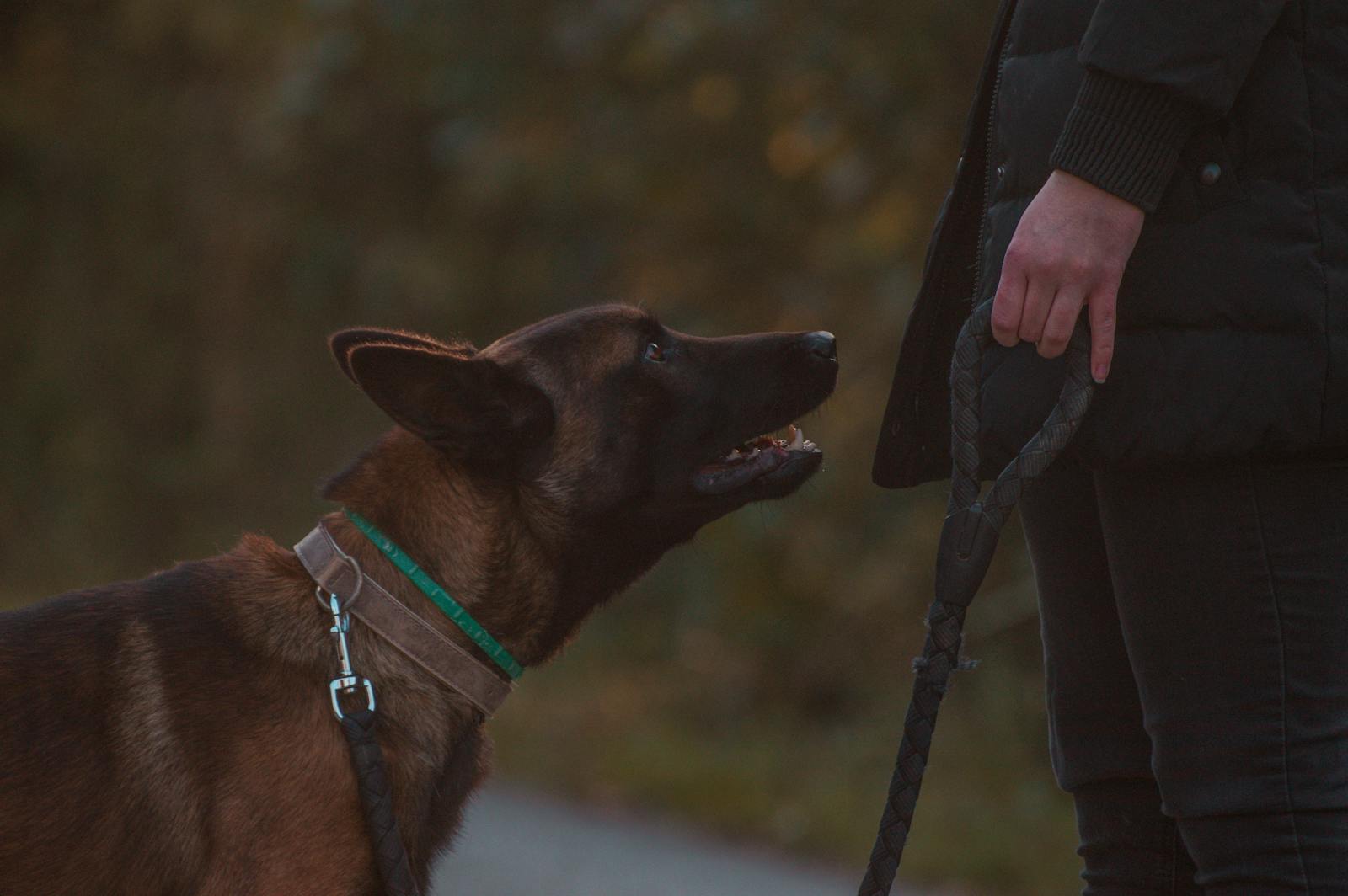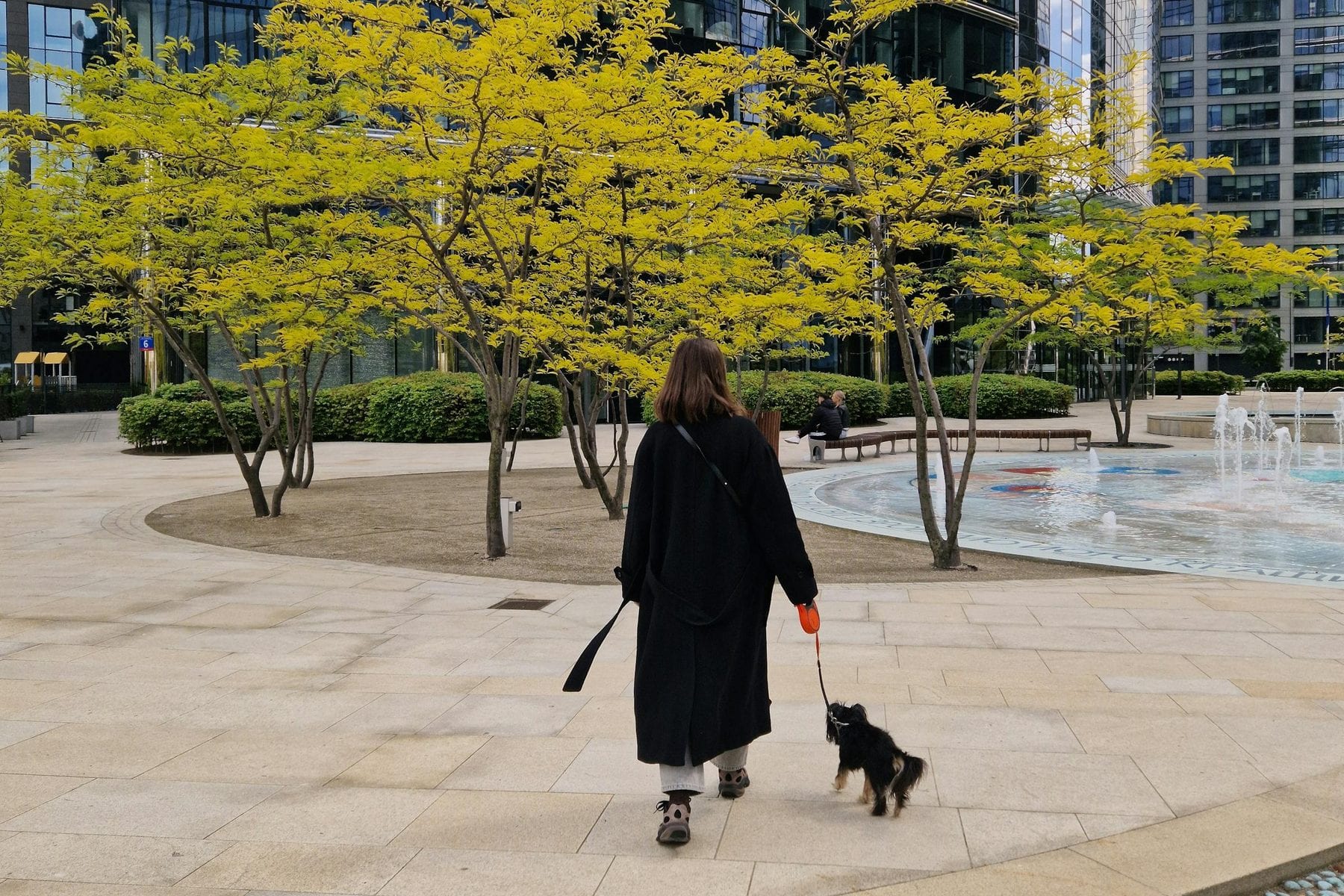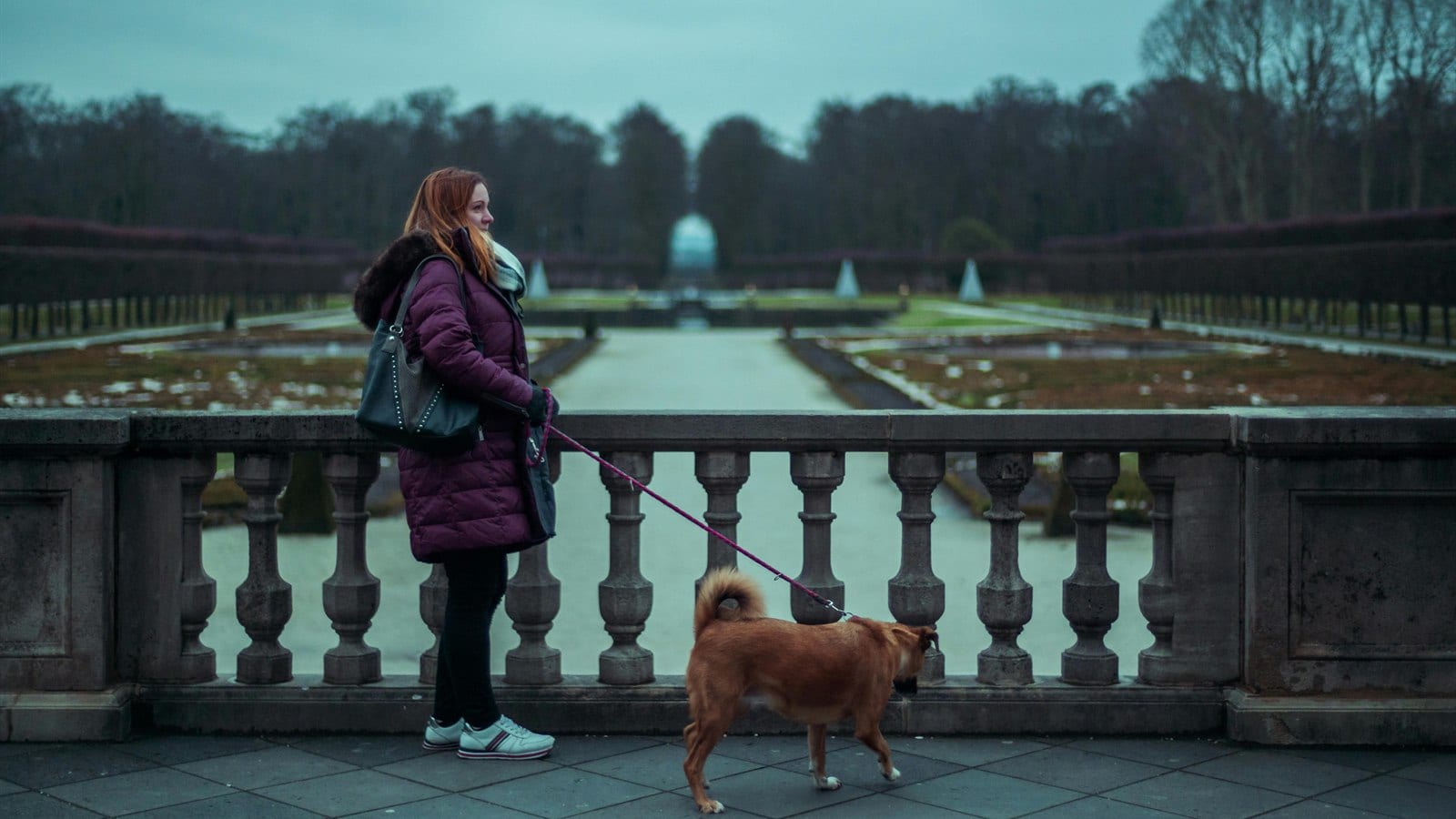
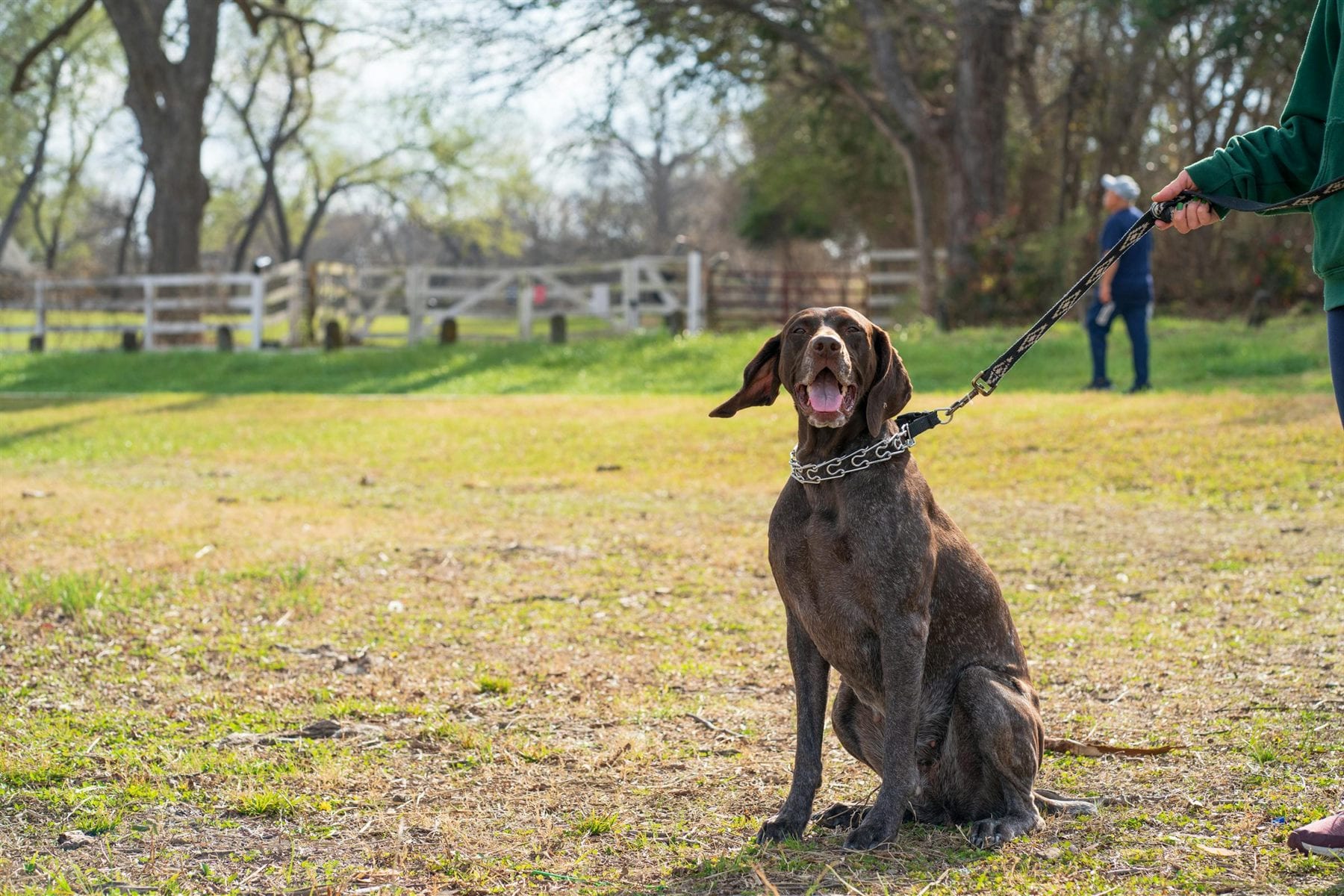
Reactive dog walks often become work from the first step.
You scan for dogs. Your dog scans too. Every corner, hallway, bike, car, child, barking yard dog, or stranger can feel like the next problem. By the end, nobody feels better.
A decompression walk is different. It is a low-pressure walk where your dog can sniff, move at a natural pace, explore, and stay under threshold. The goal is not perfect heel position or passing every trigger. The goal is recovery.
For reactive dogs, decompression walks are not a luxury. They can be the difference between a dog who starts every training session already overloaded and a dog who has enough room to think.
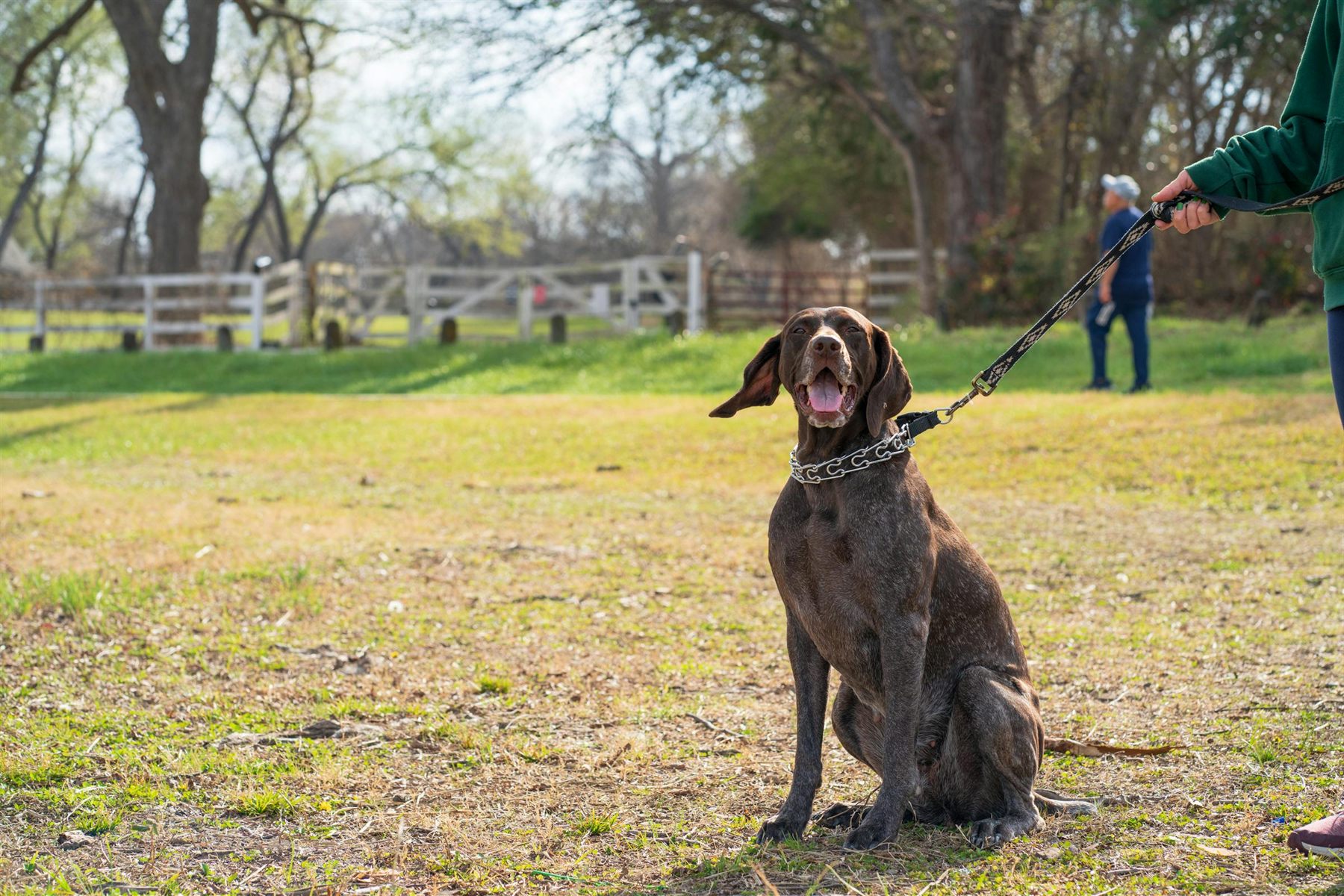
A good decompression walk gives the dog open space, quiet, and enough distance from triggers to slow down.
What Is a Decompression Walk?
A decompression walk is an outing designed to lower pressure.
It usually includes:
- quiet space
- fewer close triggers
- more sniffing
- looser movement
- slower pace
- wider paths
- easy exits
- less obedience
- more choice within safe limits
This does not mean your dog drags you anywhere they want. It means the walk is structured around safety and relief instead of control for its own sake.
Think of it as a walk where your dog can use their nose, change pace, investigate safe smells, and recover from the daily load of being reactive in a busy world.
If your dog is often barking, lunging, freezing, or refusing food outside, read the Dogs Index guide to reactive dog threshold alongside this one. Decompression only works if the setup keeps your dog under that line most of the time.
Why Sniffing Matters
Sniffing is not a delay tactic. It is how dogs gather information.
The AKC explains that sniffing gives dogs important information and mental stimulation. For reactive dogs, that matters because many normal walks give the dog very little time to process the environment before the next trigger appears.
On a decompression walk, sniffing can help your dog:
- slow their body
- lower their head
- move out of a hard stare
- investigate without rushing
- recover after a surprise
- spend energy without constant conflict
You are not rewarding reactivity by letting your dog sniff. You are giving your dog a safer behavior to do when the environment is easy enough.
What Decompression Walks Are Not
A decompression walk is not a test.
It is not:
- walking through a crowded farmers market
- visiting a dog park fence
- forcing your dog past triggers
- practicing close dog passes
- using a long leash near traffic
- letting your dog rehearse barking at every dog
- dragging your dog through a route because you planned it
If the route creates repeated reactions, it is not decompression. It is trigger practice.
This is where many owners get stuck. They choose a "nice walk" that looks relaxing to humans but is full of dogs, bikes, narrow paths, blind corners, and off-leash surprises. Your dog decides whether the route is easy enough.
The Best Places for Decompression Walks
Look for places with space and visibility.
Good options may include:
- empty sports fields when dogs are not present
- quiet cemetery paths where dogs are allowed
- wide office-park paths after hours
- low-traffic industrial sidewalks on weekends
- empty school fields when public access is allowed
- quiet trails with wide sight lines
- large grassy areas away from roads
- sniffy parking-lot edges during closed hours
Avoid places where you cannot create distance quickly.
Harder options include narrow trails, busy dog routes, apartment potty areas, dog park perimeters, school pickup zones, multi-use paths with bikes, and sidewalks beside fast traffic.
If apartment exits are the hardest part of your day, use how to walk a reactive dog in an apartment complex before trying to make every outing longer.
Leash Length and Safety
Many decompression walks work best with more leash than a tight heel walk.
That might mean:
- a six-foot leash on neighborhood routes
- an eight- to ten-foot leash in open spaces
- a long leash in safe fields
Use a long leash only where it is legal and safe. Do not use one near roads, blind corners, bikes, crowds, wildlife, or other dogs. Long leashes can create real risk if a reactive dog suddenly accelerates.
A well-fitted harness is usually the most practical equipment. Bring high-value treats, water when needed, and a plan for leaving early.
Avoid retractable leashes for reactive dog decompression walks. They are hard to manage around surprise triggers and can put your dog too far away at the wrong moment.
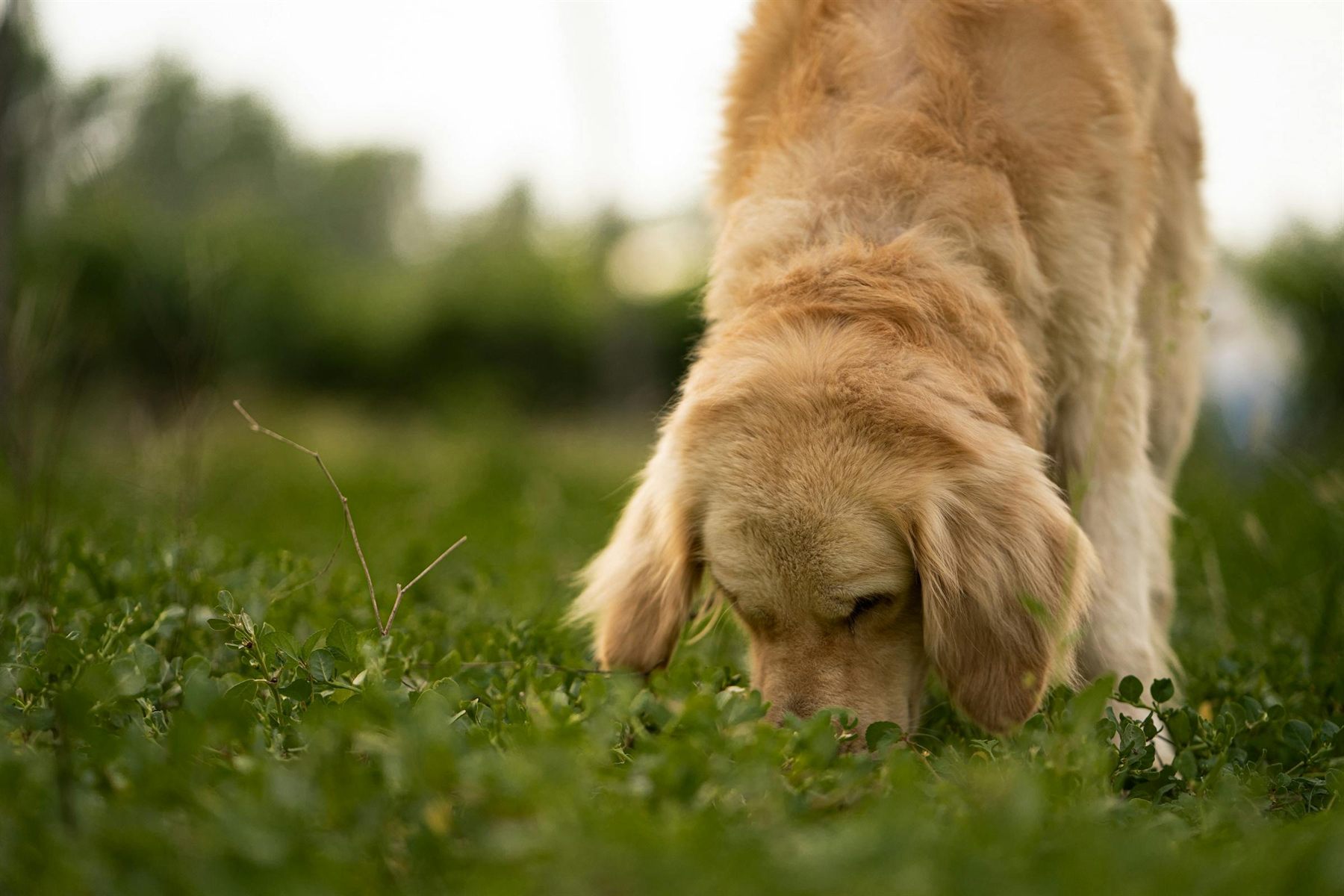
Sniffing is part of the point. The walk should give your dog safe space to investigate without rushing toward triggers.
How to Run a Decompression Walk
Start easier than you think.
1. Scan Before You Get Out
Before your dog leaves the car, lobby, or front door, look around. If the area is full of dogs, bikes, or people, wait or leave.
The walk should begin below threshold, not after a fight at the parking lot.
2. Move Slowly
Let your dog sniff for longer than you normally would. You do not need to cover much distance. Some good decompression walks stay within one field or one quiet block.
3. Reward Check-Ins
When your dog looks back at you voluntarily, reward. Do not demand constant attention. You want your dog to explore and still remember you are part of the safety plan.
4. Use Distance Early
If a trigger appears, move before your dog locks on. Cross away, turn into a side path, step behind a parked car, or leave the area.
The Cornell reactive behavior guidance emphasizes rewarding at a safe distance from triggers. A decompression walk should make that distance easy to find.
5. End Before It Falls Apart
Leave while your dog still looks loose. A calm 20-minute sniff walk is better than a 45-minute walk that ends with barking, lunging, and a handler dragging the dog away.
What to Watch in Your Dog's Body
Your dog should look like they can think.
Good signs include:
- sniffing
- loose body
- curved movement
- normal breathing
- soft eyes
- easy treat taking
- checking in
- shaking off and moving on
- choosing to move away from triggers
Warning signs include:
- high scanning
- hard staring
- closed mouth
- stiff tail
- crouching
- fast pulling
- refusing food
- whining or barking
- inability to disengage
When warning signs appear, lower the difficulty. That may mean more distance, a quieter route, a shorter walk, or a full exit.
After a Trigger Happens
Even on a good route, something may surprise you.
If your dog reacts, do not turn the rest of the walk into a test of obedience. Create distance first. Then give your dog a few minutes of quiet sniffing if they can take it.
If your dog cannot eat, sniff, or move normally after the trigger, end the walk. Recovery is part of the training plan.
VCA Animal Hospitals describes desensitization and counterconditioning as work that depends on controlled exposure and a positive emotional response. A dog who is still flooded after a reaction is not in that training state yet.
For dogs who often explode after surprises, use dog lunging on leash for the safety plan and best treats for reactive dog training for food strategy.
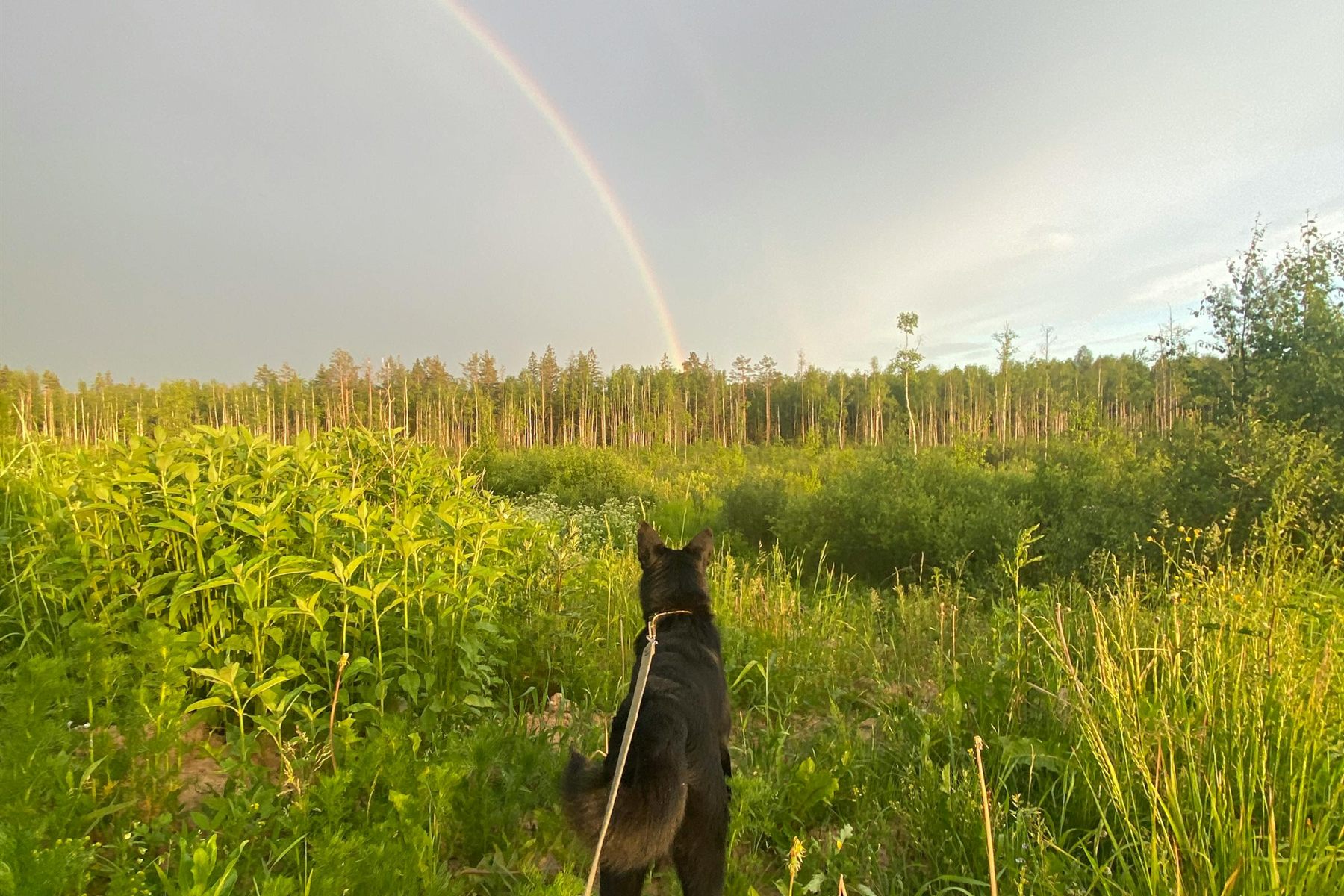
Choose routes with open sight lines, soft ground, and enough room to move away before triggers get close.
How Often Should You Do Them?
Most reactive dogs benefit from regular low-pressure walks, but frequency depends on your environment.
Try:
- one decompression walk after a hard training day
- two or three quiet sniff walks per week
- a short decompression outing instead of a busy neighborhood loop
- a recovery day after visitors, daycare, vet visits, grooming, or travel
If your dog lives in a high-trigger area, you may need to drive to easier spaces sometimes. That is not failure. It is route selection.
Common Mistakes
The first mistake is choosing a location because it looks pleasant to people, not because it is easy for the dog.
The second mistake is using a long leash in unsafe places. More freedom is helpful only when you can still keep everyone safe.
The third mistake is turning the walk into obedience practice. A decompression walk should not be a constant stream of heel, sit, leave it, and watch me.
The fourth mistake is staying too long. Reactive dogs can look fine for the first half hour and then struggle once stress stacks.
The fifth mistake is treating decompression as a cure. It supports behavior work, but it does not replace training around triggers.
When to Get Professional Help
Work with a qualified reward-based trainer, behavior consultant, or veterinary behaviorist if your dog:
- redirects onto you
- pulls you down
- reacts at very long distances
- cannot recover after triggers
- has bitten or nearly bitten
- panics outdoors
- cannot take food anywhere outside
- is getting worse despite easier routes
The IAABC Standards of Practice emphasize humane, evidence-informed care and avoiding methods that rely on pain, fear, or intimidation. That is especially important for dogs who are already overwhelmed.
If your dog's reactions changed suddenly, schedule a veterinary check. Pain, illness, sensory changes, and medication issues can lower a dog's threshold.
FAQ
What is a decompression walk for a reactive dog?
A decompression walk is a quiet, low-pressure outing where your dog can sniff, move naturally, explore, and recover without being pushed close to triggers.
Do decompression walks replace training?
No. They support training by reducing stress and rehearsals, but they do not replace counterconditioning, management, threshold work, or professional help when safety is involved.
How long should a decompression walk be?
Use your dog's body language. Many dogs do well with 15 to 40 minutes in an easy place, but a short calm walk is better than a long stressful one.
Should I let my reactive dog sniff everything?
Let your dog sniff safe areas generously. Interrupt if they are pulling toward a trigger, eating unsafe material, approaching wildlife, or moving into a risky space.
Can I use a long leash?
Yes, in safe open areas away from roads, dogs, bikes, crowds, and wildlife. If the area is unpredictable, use a shorter leash.
What if my dog reacts during the walk?
Create distance, leave if needed, and make the next outing easier. The goal is not to prove your dog can handle the trigger. The goal is recovery.
Where should I take my dog?
Choose quiet fields, wide trails, empty parks, low-traffic green spaces, or routes with good visibility and easy exits. Avoid narrow busy paths and dog-heavy areas.
Sources
- AKC: Why Does My Dog Sniff Everything?
- AKC: Dog Sniffing on Walks
- Cornell University College of Veterinary Medicine: Managing Reactive Behavior
- VCA Animal Hospitals: Introduction to Desensitization and Counterconditioning
- IAABC Standards of Practice
Image Credits
- Pexels photo by GabesDotPhotos - primary image
- Pexels photo by Mithul Varshan - first inline image
- Pexels photo by Oleg Karsakov - second inline image