An emergency U-turn is one of the most useful skills for walking a reactive dog.
It gives you a clean way to say, "We are leaving now," before your dog is barking, lunging, freezing, spinning, or dragging you toward a trigger. It also gives your dog a practiced pattern instead of a chaotic retreat.
The clear answer: teach the U-turn when nothing is happening, pay it well, then use it early. If you wait until your dog is already over threshold, you are not training the turn. You are trying to escape a crisis.
This cue is not about avoiding every dog, person, bike, or car forever. It prevents rehearsals while you build calmer behavior at a distance your dog can handle. For the bigger framework, start with reactive dog training and reactive dog threshold.
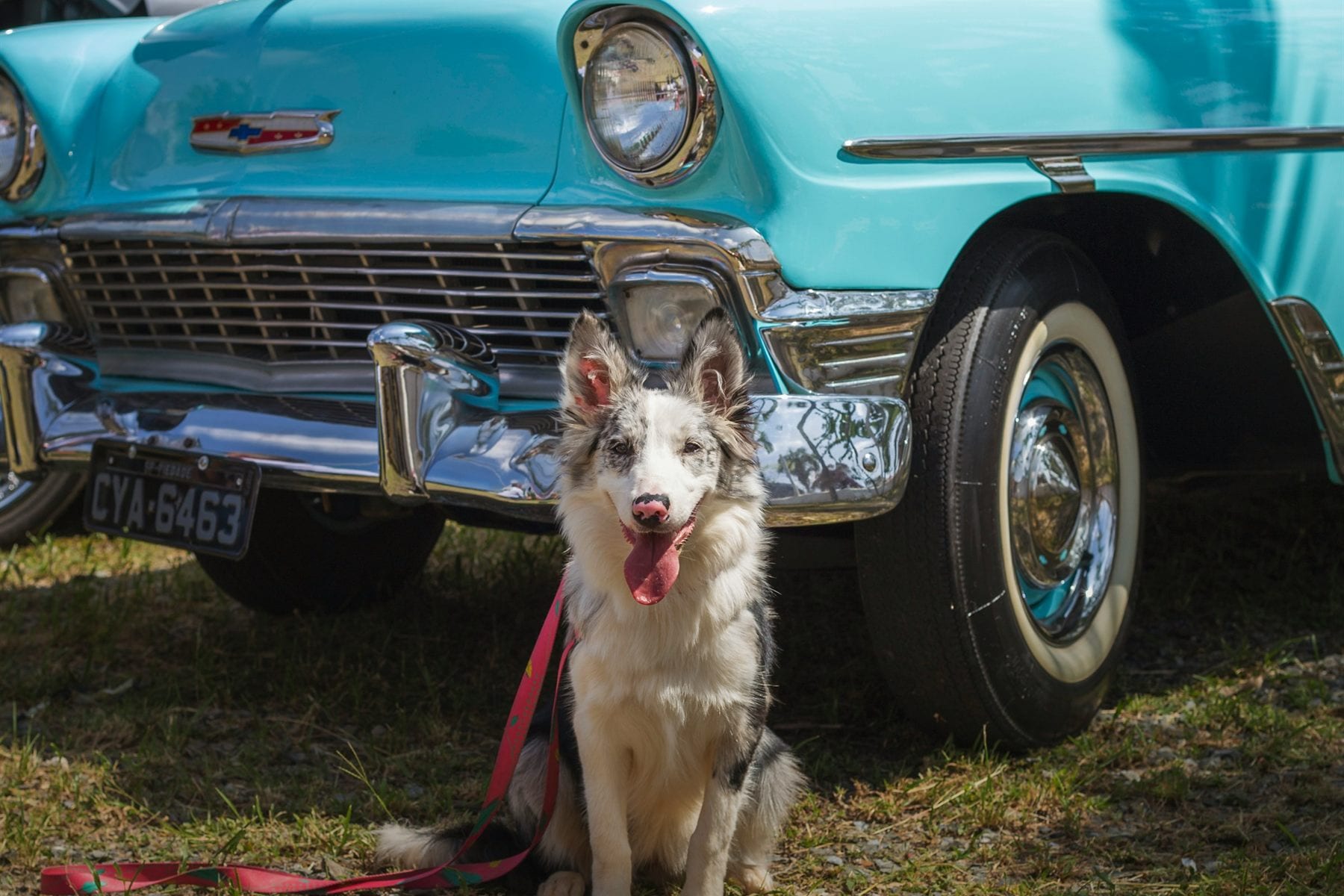
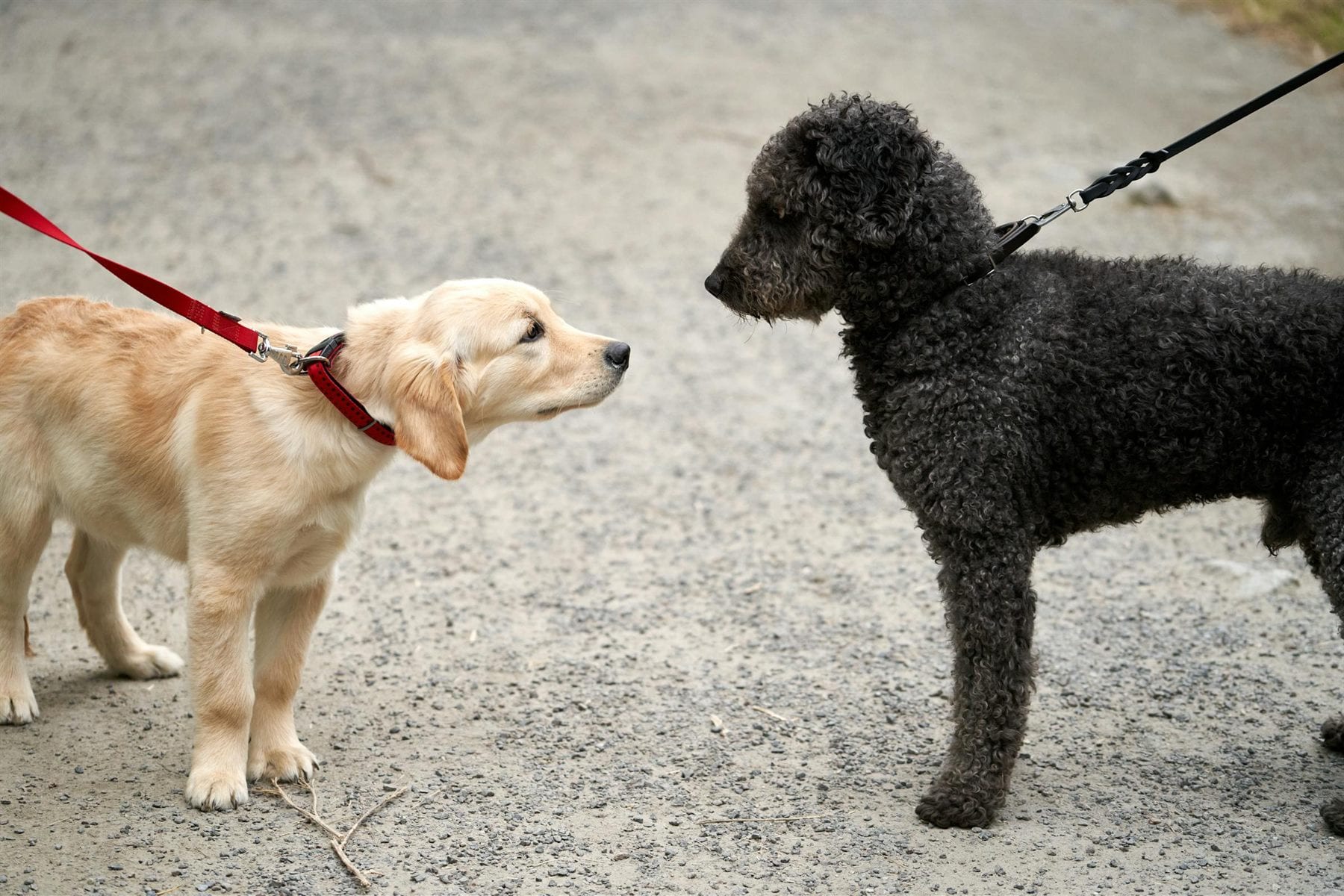
A good U-turn starts before the trigger is close. Quiet routes give you room to practice without pressure.
What Is an Emergency U-Turn?
An emergency U-turn is a trained movement pattern:
- You give a cue.
- You turn your body.
- Your dog turns with you.
- You both move away together.
- Food appears as your dog follows.
The cue might be "this way," "let's go," "turn," or another phrase you can say calmly.
The cue needs practice in easy places before the hard moment arrives.
AKC's guidance on teaching dogs to avoid approaching dogs describes the emergency turn as a vital skill, especially for reactive dogs. That fits real walks because many problems are not training opportunities. They are distance problems.
When to Use It
Use the U-turn when you see trouble early enough to leave.
Good moments include:
- another dog appears on a narrow sidewalk
- a bike comes toward you on a tight path
- a person reaches toward your dog
- a car, scooter, or skateboard surprises your dog
- an elevator opens with a dog inside
- a barking dog is ahead behind a fence
- your dog starts scanning or stiffening
Do not wait for proof that your dog cannot handle it. The whole point is to turn before the explosion.
If your dog is already barking or lunging, use enough leash to stay safe, move away, and make the next setup easier. Training happens earlier.
Why U-Turns Help Reactive Dogs
Reactive dogs often feel trapped by the leash and the environment. A trigger approaches, the dog cannot create space, and the reaction becomes the loudest available option.
A U-turn teaches a different pattern:
- I saw the trigger.
- My person noticed too.
- We can leave.
- Food happens.
- I do not have to bark or lunge to make space.
Cornell University College of Veterinary Medicine explains that reactive dogs overrespond to common stimuli and that rewards should start at a safe distance from the trigger. The U-turn is how you protect that distance when the world moves faster than your training plan.
This is especially useful for dogs who lunge on leash, react to bikes, or react to cars on walks.
Step 1: Teach the Turn Indoors
Start where your dog is relaxed.
Use tiny treats and a normal leash if that helps the picture feel like a walk.
Try this:
- Say your cue: "this way."
- Turn 180 degrees.
- Pat your leg or move your treat hand with you.
- Feed when your dog catches up beside you.
- Take two or three steps and feed again.
Keep it light. You are not drilling obedience. You are building a quick, happy follow-me response.
Practice five to ten turns in a session, then stop. A cue that feels easy is more useful than one your dog hears only during stress.
Step 2: Take It to Easy Walks
Move outside before adding real triggers.
Practice on:
- quiet sidewalks
- empty parking lots
- calm park paths
- your driveway
- apartment hallways when they are empty
- a low-distraction yard
Cue the turn when your dog is not staring at anything. Feed as they follow. Then release them to sniff or continue walking.
This matters because a U-turn should not always predict bad news. If your dog hears the cue only when another dog appears, the cue itself can become a stress signal.
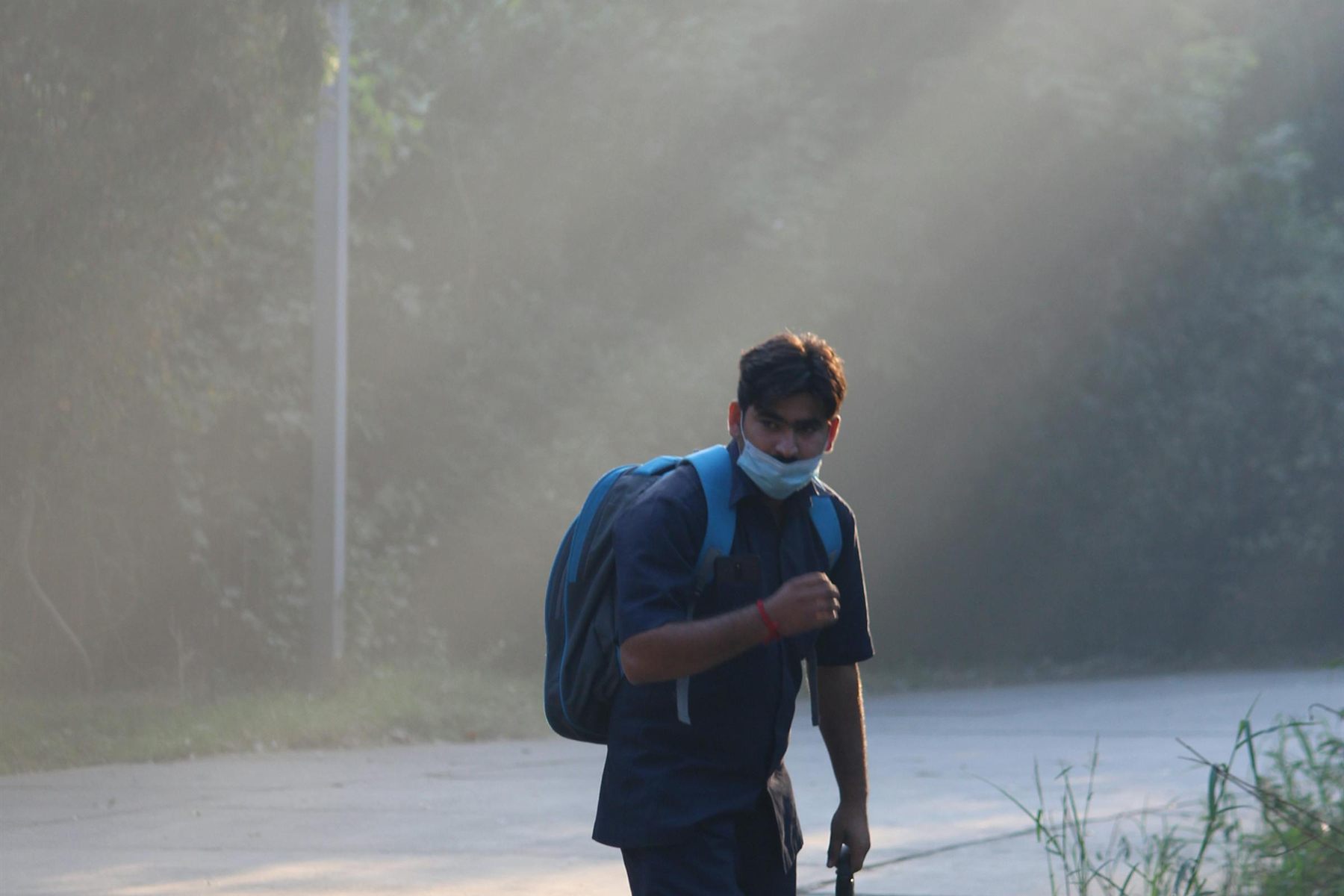
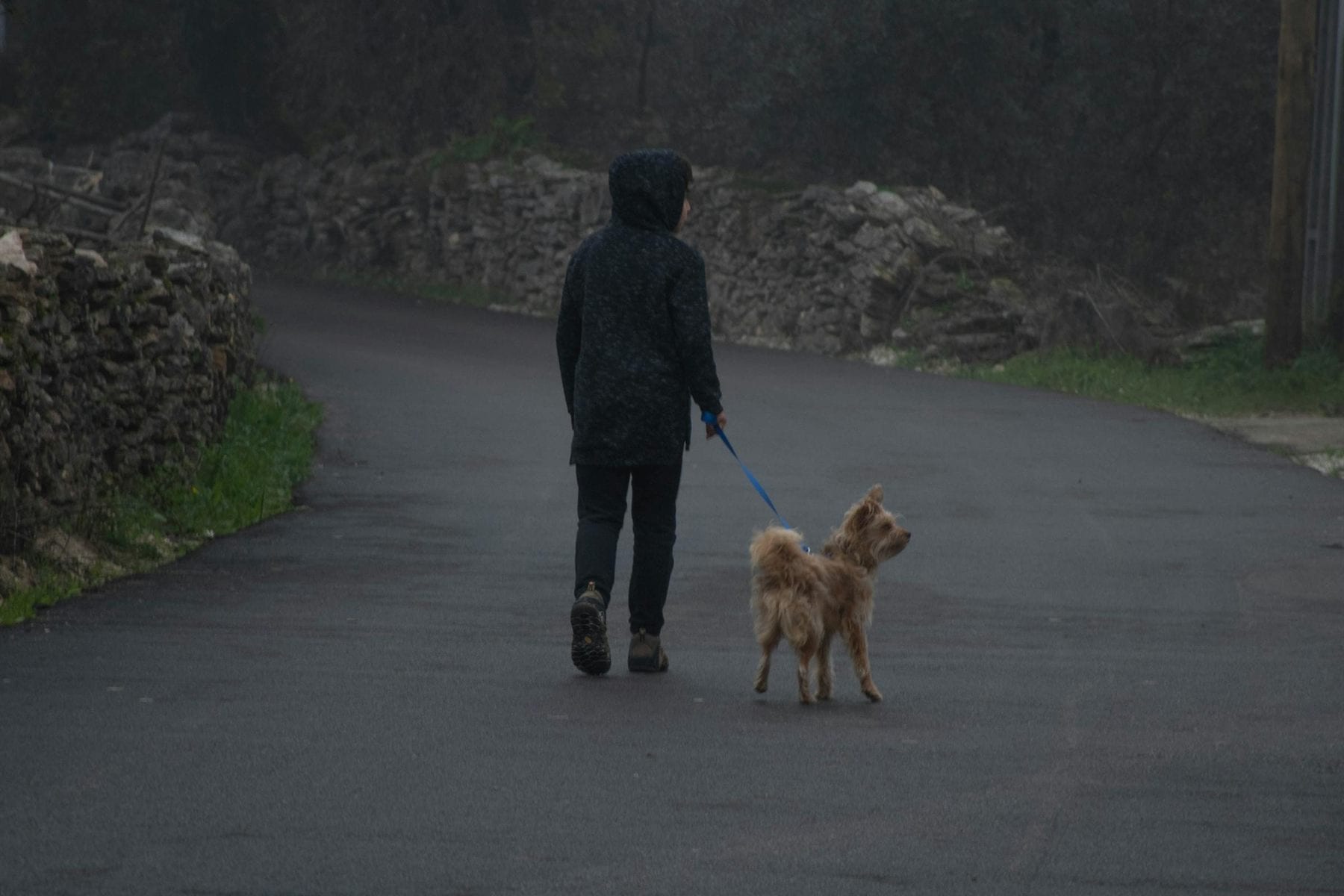
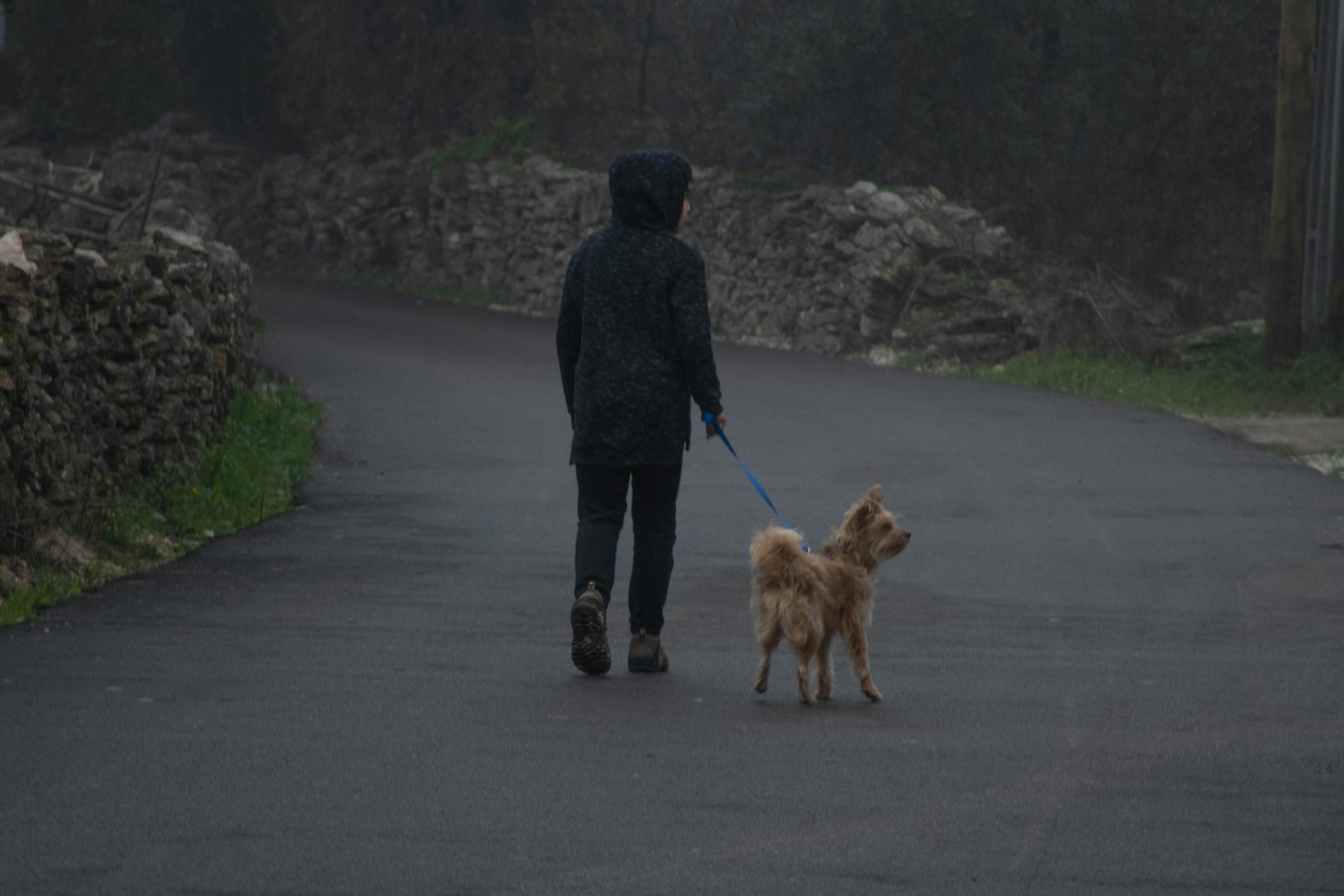
Practice the turn on easy paths first so the movement is familiar before you need it near a trigger.
Step 3: Add Mild Distractions
Once the turn works in easy places, add mild distractions.
Use:
- distant people
- parked cars
- quiet birds
- low-level smells
- a dog far across a field
- a bike far away
- a known calm helper standing still
The trigger should be far enough that your dog can still eat and follow you.
VCA Animal Hospitals describes desensitization and counterconditioning as controlled exposure where the dog is not frightened and the experience is paired with something pleasant. A U-turn fits that principle when you use it before your dog is overwhelmed.
If your dog cannot follow, you are too close, too late, or using food that is not valuable enough. Increase distance first.
Step 4: Use It Before the Lock-On
Most U-turns fail because the handler waits too long.
Early signs include:
- closed mouth
- ears fixed forward
- hard staring
- sudden pulling
- body getting still
- tail stiffening
- slower treat taking
- scanning ahead
- refusing to move
Cue the turn at the first few signs, not the last one.
If your dog has already locked on, do not stand there repeating the cue. Move away safely. Next time, turn sooner.
How to Feed the U-Turn
Food placement matters.
Feed:
- beside your leg
- slightly behind your leg
- after your dog turns away from the trigger
- while both of you are moving
- again after a few steps
Avoid feeding toward the trigger if your dog is leaning forward. That can pull their body back into the problem.
Use small, soft, high-value food. Chicken, cheese, soft training treats, or another favorite can work well. For food planning, use best treats for reactive dog training.
What Not to Do
Do not yank the leash as the cue.
Use enough leash control for safety, but the skill should be taught as a rewarded turn, not a sudden correction.
Do not march closer first "to see what happens." If your dog is already tense, curiosity can cost you the training window.
Do not force your dog to sit and stare while the trigger comes closer. Some dogs can sit calmly. Many reactive dogs load harder when held still.
Do not use the U-turn as the only plan. Your dog also needs route planning, decompression, threshold work, and reinforcement.
For recovery walks after hard days, use decompression walks for reactive dogs.
Apartment and Tight-Space U-Turns
Apartment buildings make U-turns harder because space is limited.
Practice in quiet hallways before you need the skill around dogs or neighbors.
Useful versions include:
- door opens, cue turn, return inside
- hallway is empty, cue turn, go back to your door
- elevator opens, cue turn, step away
- lobby is busy, cue turn, move behind a wall
- parking lot has a dog ahead, cue turn, return to the car or side path
This is not rude. It is management.
For building-specific setups, use how to walk a reactive dog in an apartment complex.
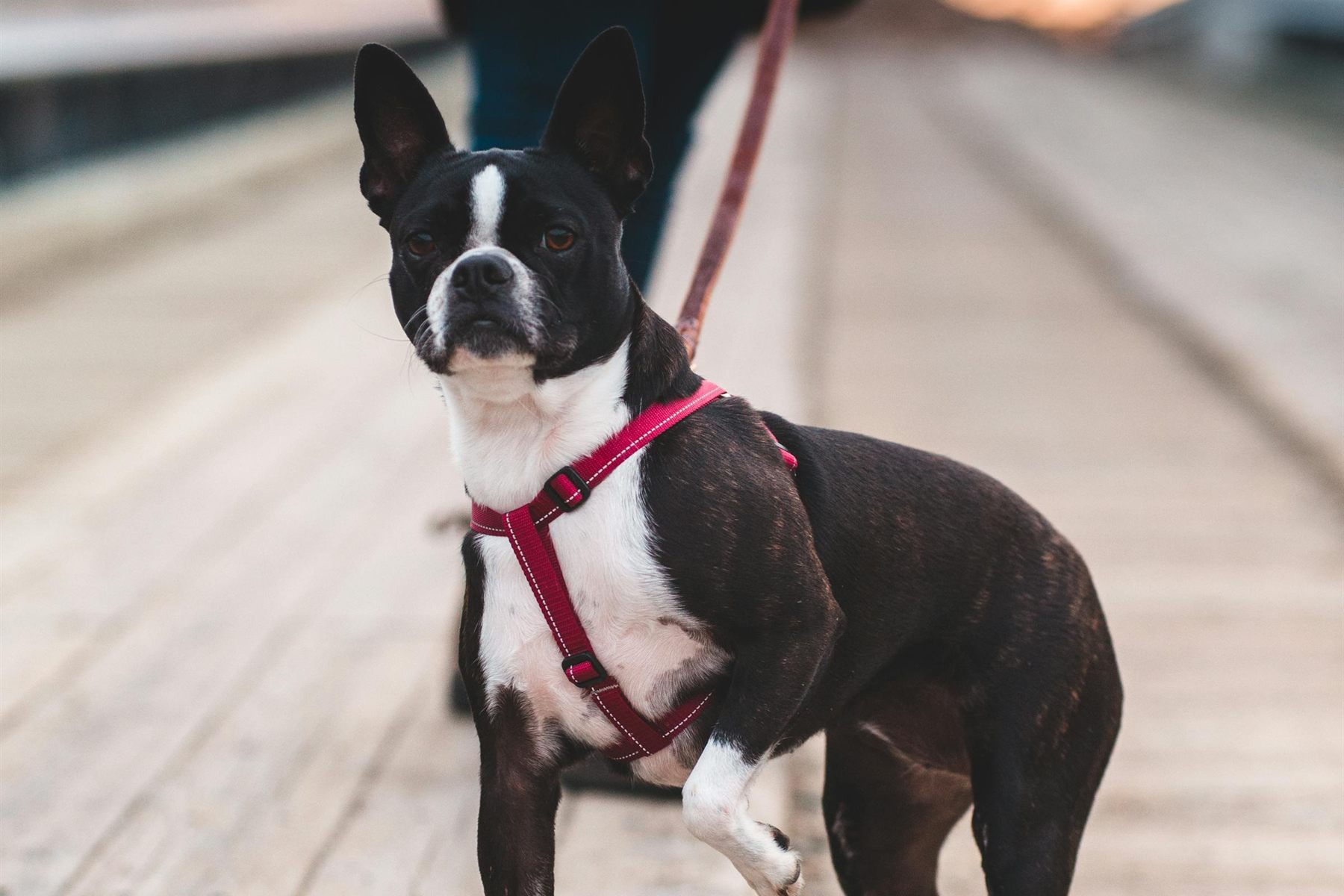
A U-turn is easiest when the leash is short enough for safety but loose enough that the dog can move with you.
A 7-Day U-Turn Practice Plan
This plan will not solve reactivity in a week, but it can make the cue usable.
Day 1: Indoors
Practice ten easy turns in a hallway or living room. Feed every turn.
Day 2: Doorway
Practice near the front door with no triggers. Turn away from the door and feed.
Day 3: Quiet Sidewalk
Practice on an easy route. Use the cue when nothing is ahead.
Day 4: Add Sniff Breaks
Turn, feed, then release your dog to sniff. This keeps the cue from feeling like punishment.
Day 5: Add Mild Distractions
Use parked cars, distant people, or quiet movement far away.
Day 6: Practice Exits
Turn behind a car, into a driveway, around a corner, or back toward your building.
Day 7: Review
Ask: Did the dog follow quickly? Did they stay loose? Did food work? If not, make the setup easier.
Common Mistakes
The first mistake is teaching the cue only after the dog sees a trigger. Teach it when life is boring.
The second mistake is using a panicked voice. Your cue should sound cheerful and practiced, not like an alarm.
The third mistake is feeding too late. Pay the turn, not the moment your dog swings back to stare.
The fourth mistake is practicing too close to triggers. If your dog cannot eat or follow, you are outside the useful training zone.
The fifth mistake is thinking a U-turn means no progress. Progress often starts with fewer rehearsed reactions and faster recovery.
When to Get Professional Help
Work with a qualified reward-based trainer, certified behavior consultant, veterinarian, or veterinary behaviorist if:
- your dog redirects onto you
- your dog has bitten or nearly bitten
- you cannot safely hold the leash
- your dog reacts from very far away
- your dog panics in tight spaces
- your dog lunges toward traffic
- your dog cannot recover after triggers
- your dog is getting worse
The IAABC Standards of Practice oppose methods that rely on pain, fear, or intimidation. For reactive dogs, that matters because harsh handling can make triggers feel more dangerous.
FAQ
What is an emergency U-turn for a reactive dog?
It is a trained cue that tells your dog to turn with you and move away from a trigger before barking, lunging, freezing, or pulling takes over.
Is turning around avoiding the problem?
It is management, not failure. You are preventing rehearsal and protecting the distance your dog needs for real training.
What cue should I use?
Use a short cheerful phrase you can say naturally, such as "this way," "let's go," or "turn." Consistency matters more than the exact words.
What if my dog ignores the cue?
Practice in easier places, use better food, cue earlier, and increase distance. If your dog is already locked on, you are probably too close or too late.
Should I pull my dog through the turn?
Use enough leash for safety, but do not yank or drag. Build the turn as a rewarded movement pattern before you need it around triggers.
Can U-turns help with bikes and cars?
Yes, if you use them early and safely. Turn before the bike, car, or scooter is close enough to trigger chasing, barking, or lunging.
When should I call a trainer?
Call a professional if your dog redirects, has a bite history, lunges with full force, reacts near traffic, or makes walks feel unsafe.
Sources
- AKC: Cues to Teach Your Dog to Avoid Approaching Dogs
- AKC: Leash Aggression in Dogs
- ASPCApro: Managing and Training Leash-Reactive Dogs
- Cornell University College of Veterinary Medicine: Managing Reactive Behavior
- VCA Animal Hospitals: Introduction to Desensitization and Counterconditioning
- IAABC Standards of Practice
Image Credits
- Pexels photo by Diogo Cacito - primary image
- Pexels photo by Ravi Sharma - first inline image
- Pexels photo by Erik Mclean - second inline image