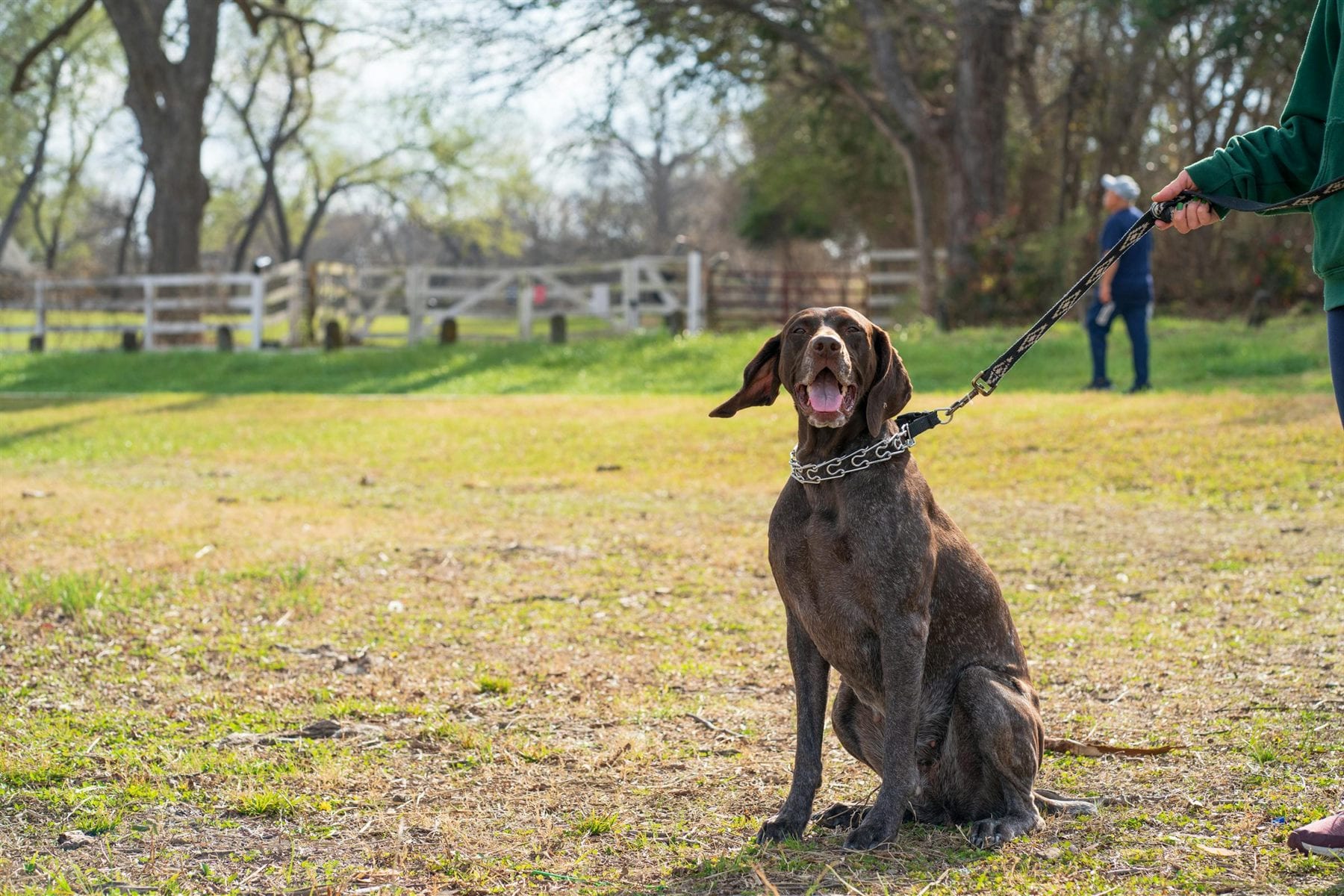
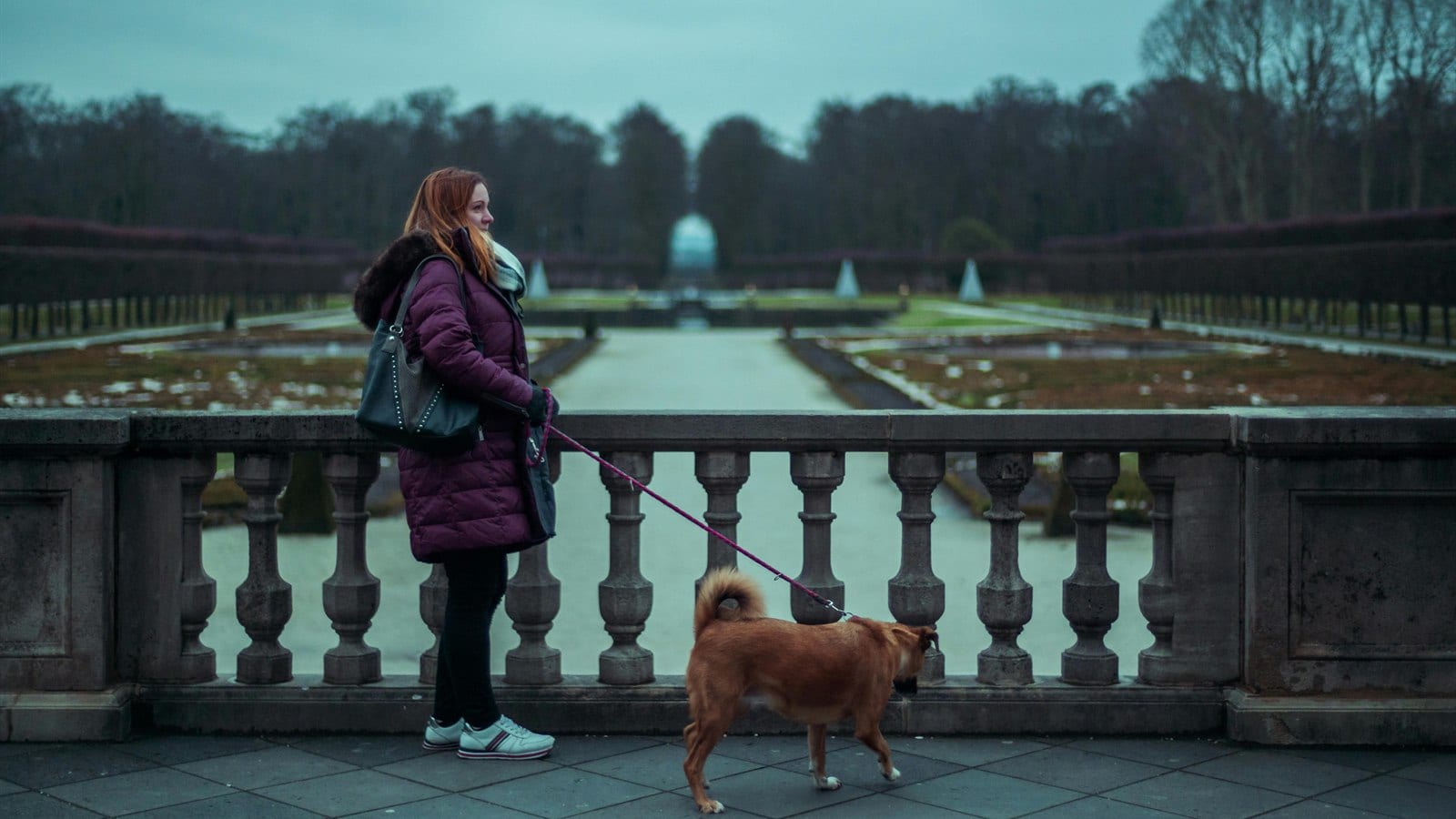
Reactive dog training gets much easier when you understand threshold.
Threshold is the line between "my dog notices the trigger and can still think" and "my dog is barking, lunging, freezing, screaming, pulling, or unable to respond."
The clear answer: you want to train under threshold. That means your dog is aware of the dog, person, bike, car, doorbell, or window trigger, but still able to eat, move, sniff, turn away, and recover. If your dog is already over threshold, stop training and create distance.
This is not about being permissive. It is about choosing the state where learning can actually happen.
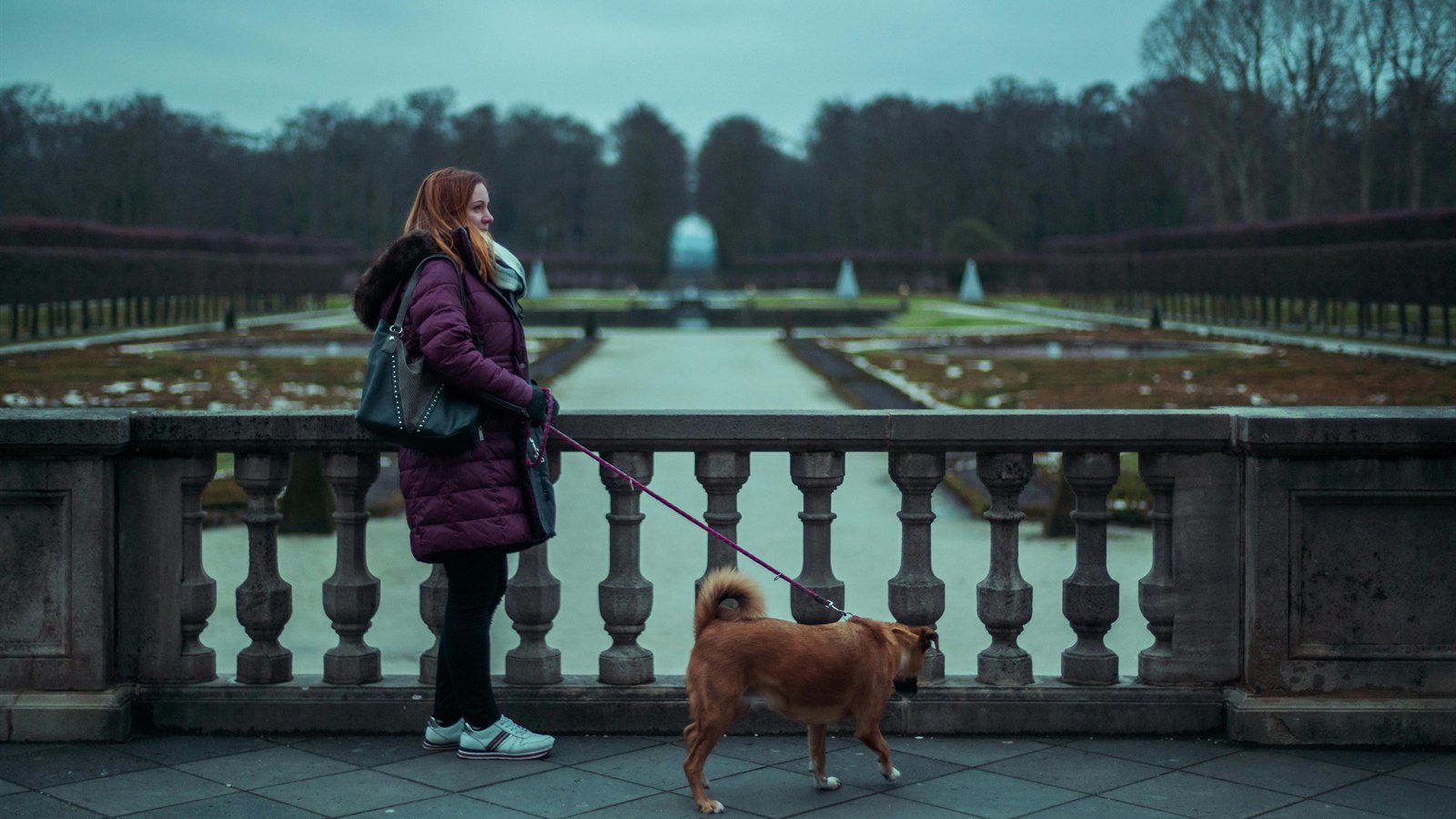
Distance is often the difference between a dog who can learn and a dog who can only react.
What Is Threshold?
Threshold is not one fixed distance.
It is a moving line based on:
- trigger type
- trigger distance
- movement speed
- sound
- leash tension
- hunger
- pain or discomfort
- weather
- previous stress that day
- how trapped your dog feels
- whether your dog has rehearsed reactions there before
Your dog may be under threshold at fifty feet from one calm dog and over threshold at one hundred feet from a barking dog behind a fence.
The UC Davis Canine Threshold Thermometer describes a progression from relaxed behavior into alertness, stress, and reactive mode. That framework is useful because it shows threshold as a sliding scale, not a switch that appears only when barking starts.
If you wait for the bark, you waited too long.
Under Threshold, Near Threshold, Over Threshold
Think in three zones.
Under Threshold
Your dog notices the trigger but can still function.
Signs may include:
- loose body
- normal breathing
- soft eyes
- taking treats
- sniffing
- turning back to you
- moving with you
- responding to familiar cues
- looking at the trigger and looking away
This is the best zone for behavior change.
If your dog sees another dog and can still eat a treat, turn away, or walk with you, you are probably in useful training territory.
Near Threshold
Your dog is still holding it together, but the system is loading.
Watch for:
- mouth closing
- ears fixed forward
- tail rising or tucking
- body getting still
- hard staring
- slower treat taking
- scanning
- leaning into the leash
- ignoring easy cues
- eating faster or rougher than usual
This is your warning zone.
Do not test it. Add distance while your dog can still move.
Over Threshold
Your dog is no longer in a good learning state.
Signs can include:
- barking
- lunging
- growling
- screaming
- freezing
- spinning
- frantic pulling
- refusing food
- snapping at the leash
- redirecting onto another dog or person
- being unable to turn away
- being unable to hear you
Once your dog is over threshold, obedience cues are usually the wrong priority. Move first. Train later.
The ASPCApro leash-reactivity guidance focuses on identifying safe distance and managing leash-reactive dogs around triggers. That is threshold work in practical terms: choose a setup where the dog can cope before asking for more.
Why Staying Under Threshold Matters
Reactive dog owners often feel pressure to "work through it."
That usually backfires.
When your dog is over threshold, the walk becomes about survival, access, fear, frustration, or panic. Your dog may learn that triggers predict chaos, leash pressure, yelling, or feeling trapped.
Under threshold, your dog can learn a different pattern:
- I noticed the trigger.
- Nothing bad happened.
- Food, distance, or movement helped.
- I can turn away.
- I can recover.
That pattern is the foundation behind reactive dog training, dog barks at other dogs on walks, and dog reacts to cars on walks.
Refusing Treats Is Information
If your dog will not take treats outside, do not assume they are stubborn.
Food refusal often means:
- the trigger is too close
- the environment is too busy
- your dog is already over threshold
- the treat is too low value for that setting
- your dog is too hot, thirsty, nauseous, or stressed
- your dog has been reacting there too often
- the leash or setup makes them feel trapped
Change distance before changing the dog.
Cross the street. Turn around. Step behind a parked car. Move behind a hedge. Go back into the apartment lobby. End the session early if needed.
Then review your food plan with best treats for reactive dog training. Better treats help, but they cannot overcome a setup that is too hard.
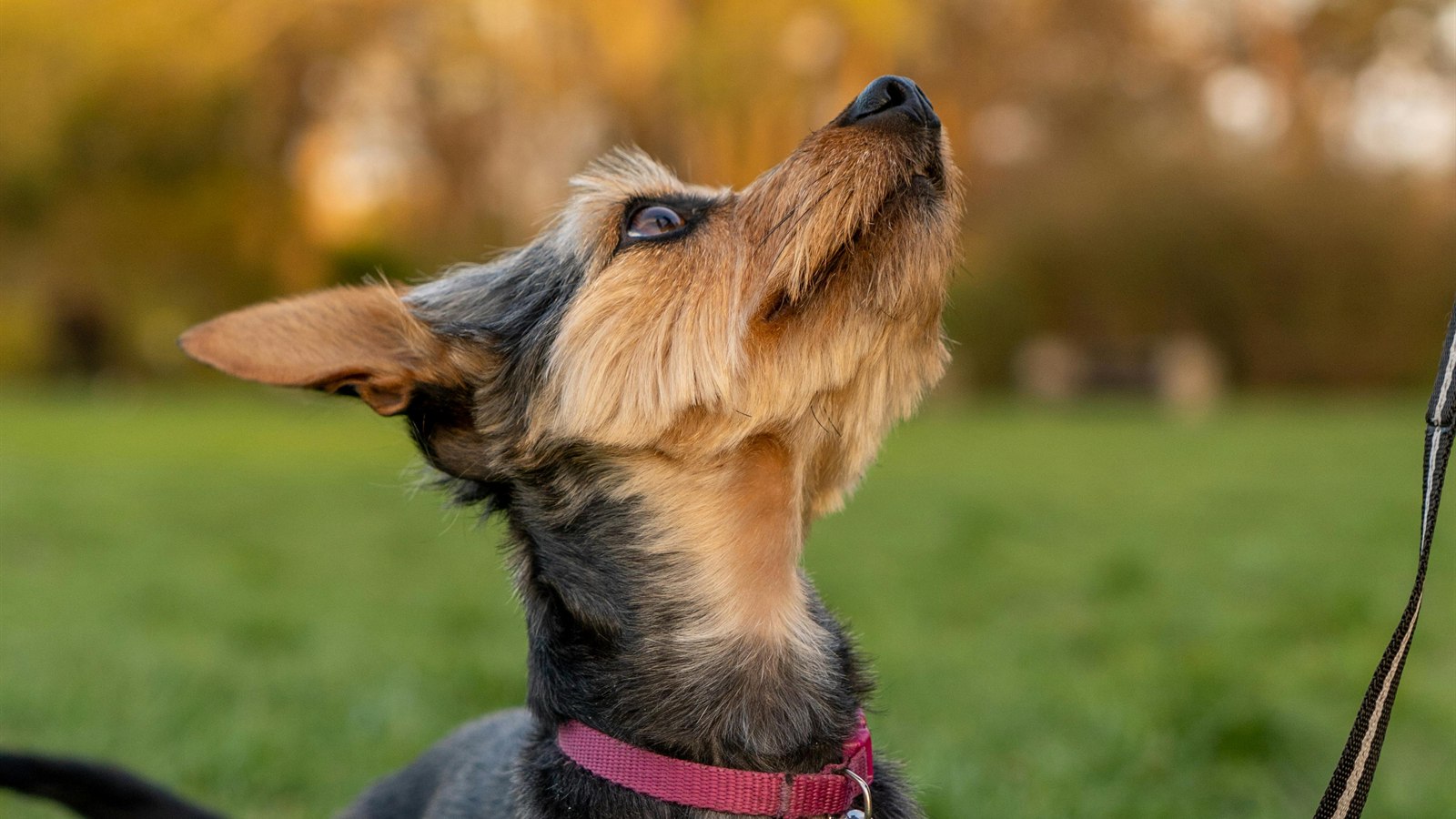
Taking food, checking in, and keeping a softer body are useful signs that the setup may still be workable.
Distance Is Your Main Tool
For reactive dogs, distance is not avoidance. It is training equipment.
You can change distance by:
- crossing the street
- turning around
- stepping into a driveway
- moving behind a car
- waiting behind a tree
- using a wider trail
- choosing quieter routes
- leaving at lower-traffic times
- creating more space before blind corners
The right distance is the distance where your dog can notice the trigger and still do something besides react.
That distance may feel embarrassing at first. Use it anyway.
If your dog needs two hundred feet today, that is your starting point. With good setups and recovery, that number can change over time.
Use Visual Barriers
Distance is not always enough.
Visual barriers help because they break the stare.
Useful barriers include:
- parked cars
- hedges
- fences
- buildings
- trash cans
- large signs
- your own body
- a doorway
- an elevator lobby corner
Apartment dogs especially need barrier planning because triggers appear suddenly. Pair this article with how to walk a reactive dog in an apartment complex if your dog is over threshold before you even reach the sidewalk.
Reward the First Calm Look
Most people reward too late.
They wait until the dog barks, then offer food. At that point, the training window may already be gone.
Instead, reward earlier:
- Your dog notices the trigger.
- You mark with "yes" or a click.
- You deliver food away from the trigger.
- Your dog turns back toward you or moves with you.
- You either continue at that distance or add more space.
Do not feed toward the trigger if your dog is already leaning or staring. Feed near your leg or slightly behind you so the reward encourages turning away.
For dogs who react to movement, this timing matters even more. Use it with dog reacts to bikes on walks and dog reacts to cars on walks.
What If Your Dog Suddenly Explodes?
Sometimes you misjudge the setup.
A dog rounds the corner. A skateboard appears. An off-leash dog runs up. A door opens. Your dog is over threshold before you can reward anything.
In that moment, your job is management.
Try:
- turn and go
- jog away if safe
- step behind a barrier
- shorten the leash without dragging your dog into the trigger
- toss treats on the ground if your dog can eat
- use a cheerful emergency cue if you have trained one
- leave the area
Do not stand still repeating "sit." Sitting near a trigger may make your dog feel trapped.
After the reaction, lower the difficulty. A dog who just exploded may not be ready for more training five seconds later.
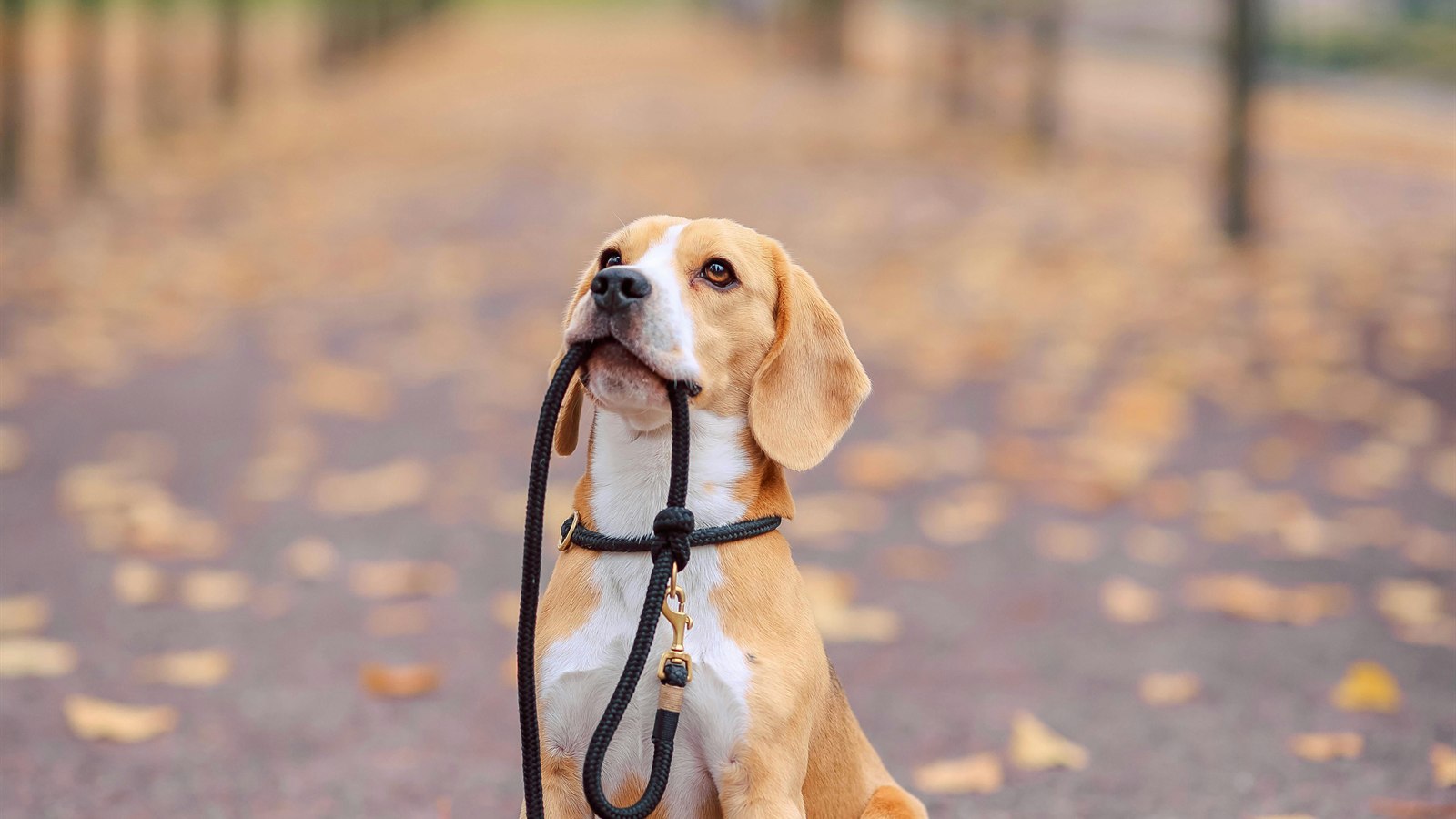
After an over-threshold moment, the next useful step is usually space, quiet movement, and recovery, not another hard trigger.
Recovery Is Part of Threshold
Threshold is not only about the trigger moment.
Recovery matters.
After a hard reaction, your dog may need:
- quiet walking
- sniffing
- space
- water
- shade
- a break in the car
- a return home
- a decompression activity
- sleep
If your dog reacts to three triggers in a row, the fourth trigger may be harder even at a greater distance. Stress stacks.
That is why a dog may seem "fine" in the morning and unable to cope by evening.
For dogs who stay keyed up indoors, the window and doorbell posts matter too: dog barks out the window and dog barks at the doorbell can add to the same daily arousal load.
Build a Threshold Log
A simple log helps you stop guessing.
Write down:
- trigger type
- distance
- location
- time of day
- whether your dog ate
- body language before reaction
- what helped
- how long recovery took
Example:
| Trigger | Distance | Result | Note |
|---|---|---|---|
| Calm dog across street | 60 feet | Ate chicken, turned away | Good training distance |
| Barking dog behind fence | 100 feet | Froze, refused food | Too close for this trigger |
| Bike on path | 30 feet | Lunged | Need more distance and earlier reward |
| Stranger standing still | 20 feet | Watched, ate, moved on | Workable |
Your dog's threshold map will be more useful than a generic rule.
Common Mistakes
The first mistake is training too close because the owner wants faster progress.
The second mistake is waiting for barking before rewarding.
The third mistake is assuming food refusal means the dog is not food motivated. Often the dog is too stressed.
The fourth mistake is asking for obedience when the dog needs distance.
The fifth mistake is repeating hard setups every day. Rehearsal strengthens the reaction.
The sixth mistake is ignoring recovery. A dog who had a hard morning may need an easier afternoon.
When to Get Professional Help
Work with a qualified reward-based trainer, certified behavior consultant, or veterinary behavior professional if your dog:
- lunges with full force
- redirects onto you
- has bitten or nearly bitten
- cannot eat outdoors at any distance
- freezes and cannot move
- reacts to many triggers every day
- is getting worse
- is unsafe around visitors, dogs, or children
- seems suddenly more reactive than usual
The IAABC Standards of Practice emphasize humane, evidence-informed behavior work and oppose shock-based methods. For threshold problems, that matters. A dog who is already overwhelmed does not need more fear added to the trigger picture.
Sudden behavior changes also deserve a vet check. Pain, illness, sensory changes, and medication issues can lower a dog's threshold.
Breed-Specific Notes
Any breed can go over threshold.
Herding breeds may load quickly around motion. Terriers may escalate fast when frustrated. Guardian breeds may need more distance around strangers near home territory. Sighthounds may track movement far away. Small dogs may reach threshold quickly when large dogs approach because the size difference is real.
Breed traits can shape the pattern, but the plan still starts with the individual dog in front of you.
FAQ
What does threshold mean for a reactive dog?
Threshold is the point where your dog moves from able to notice and think into a reactive state where barking, lunging, freezing, or frantic behavior takes over.
Is barking always over threshold?
Usually barking means your dog has crossed into a less useful learning state, but some dogs give quieter warning signs first. Hard staring, freezing, refusing food, and inability to turn away can also mean your dog is too close.
Can my dog learn while over threshold?
Not in the way you want. Once your dog is over threshold, focus on safety, distance, and recovery. Train again when your dog can think.
How far should I stay from triggers?
Far enough that your dog can notice the trigger and still eat, move, sniff, or turn back to you. That distance changes by trigger, location, and day.
Why does my dog take treats at home but not outside?
Outside may be too intense. Your dog may be too close to a trigger, too stressed, too excited, or already over threshold. Increase distance first.
Should I make my dog sit near triggers?
Only if your dog is relaxed and sitting is easy. Many reactive dogs do better moving away, sniffing, or turning with you instead of being asked to stay still near a trigger.
What should I do after a reaction?
Create space, let your dog recover, and lower the difficulty. Do not immediately look for another trigger to practice on.