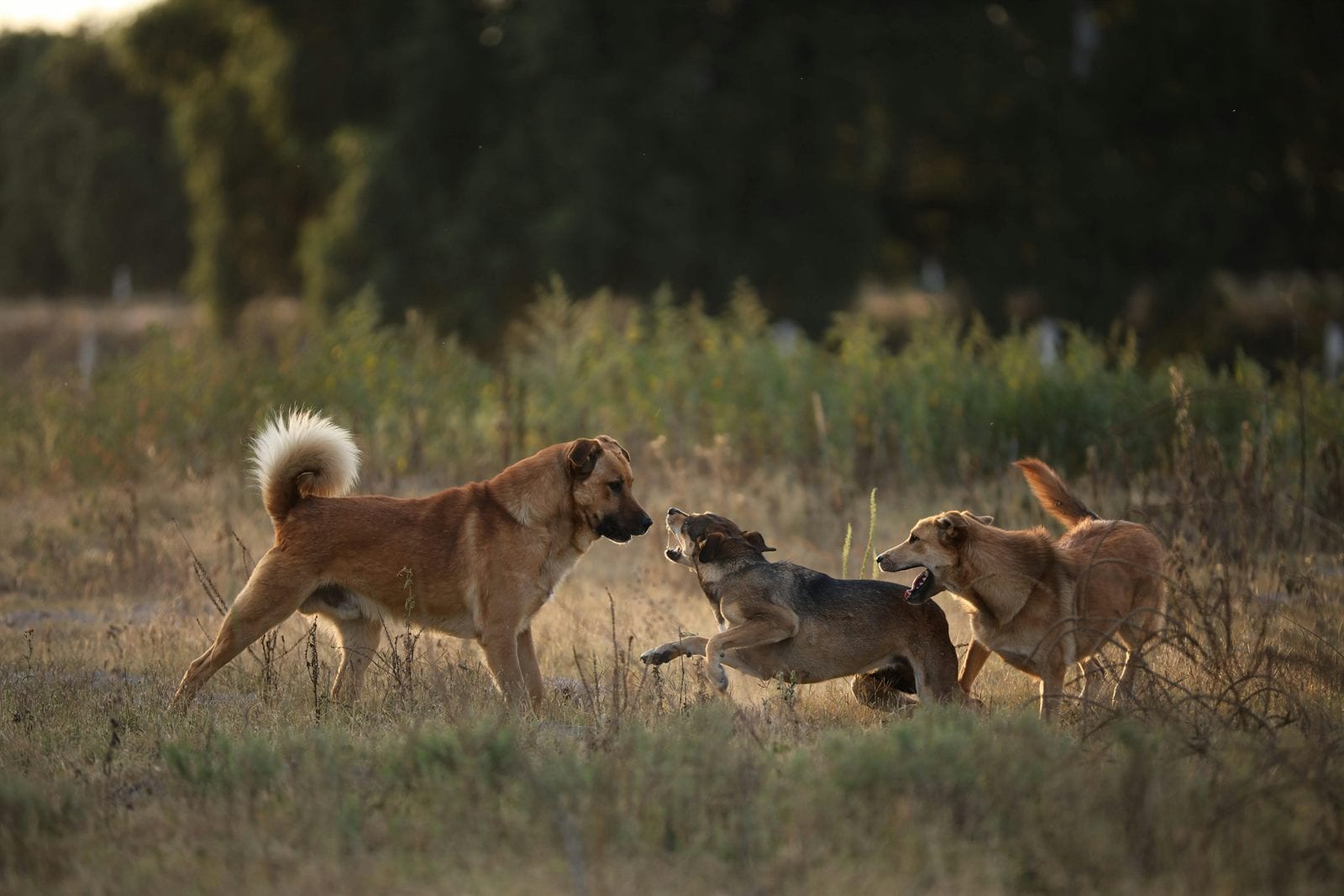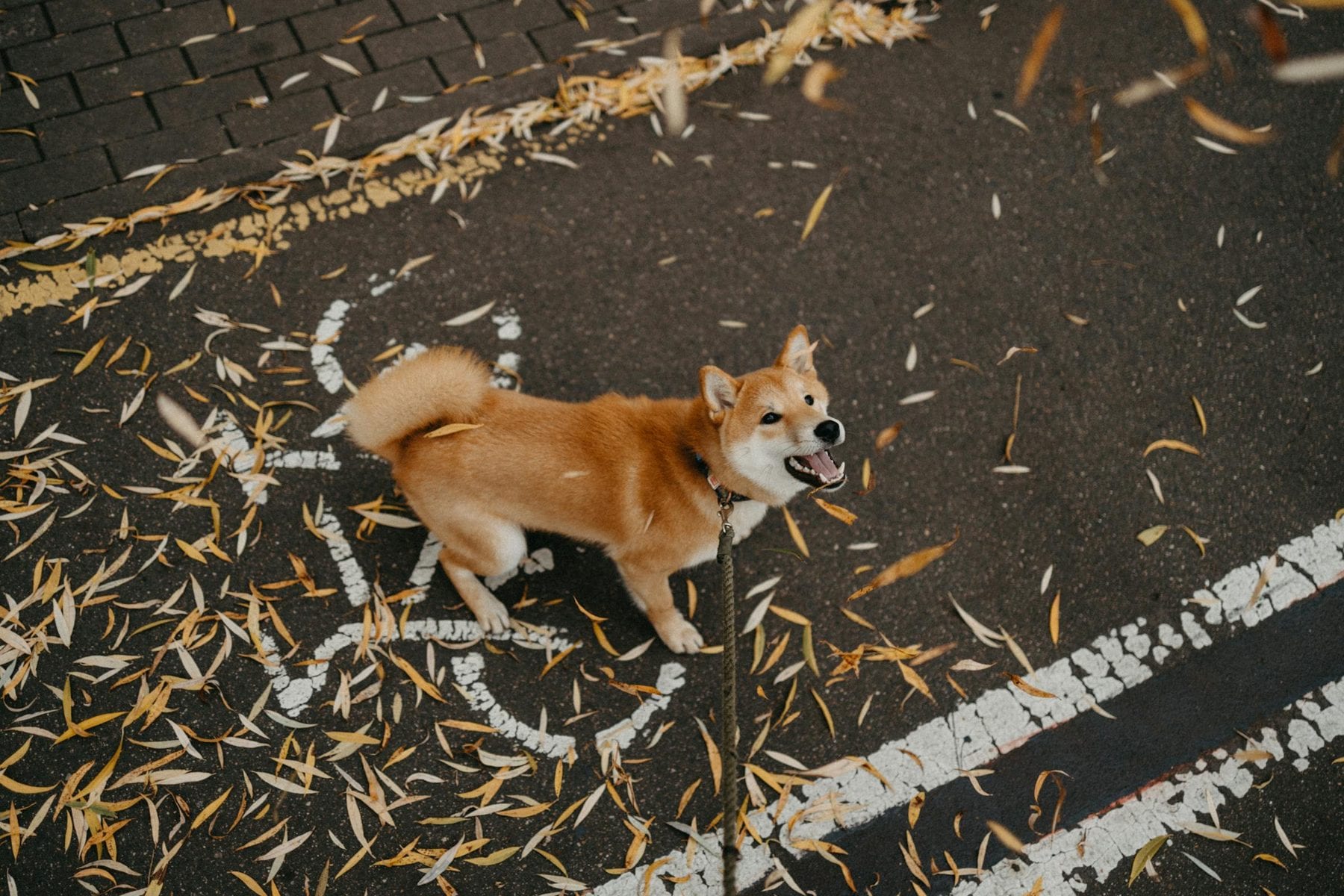
If your dog barks, lunges, crouches, freezes, or tries to chase cars on walks, treat it as a safety problem first.
This is not the same as a dog pulling toward a tree. Cars are heavy, fast, loud, and unforgiving. A single hard lunge can pull you off balance or put your dog near the curb.
The clear answer is not to correct harder near the road. Your dog needs more distance from traffic, earlier reward timing, and routes where they can see cars without tipping into chase, panic, or barking. If your dog reacts to several triggers, pair this plan with the broader reactive dog training guide.
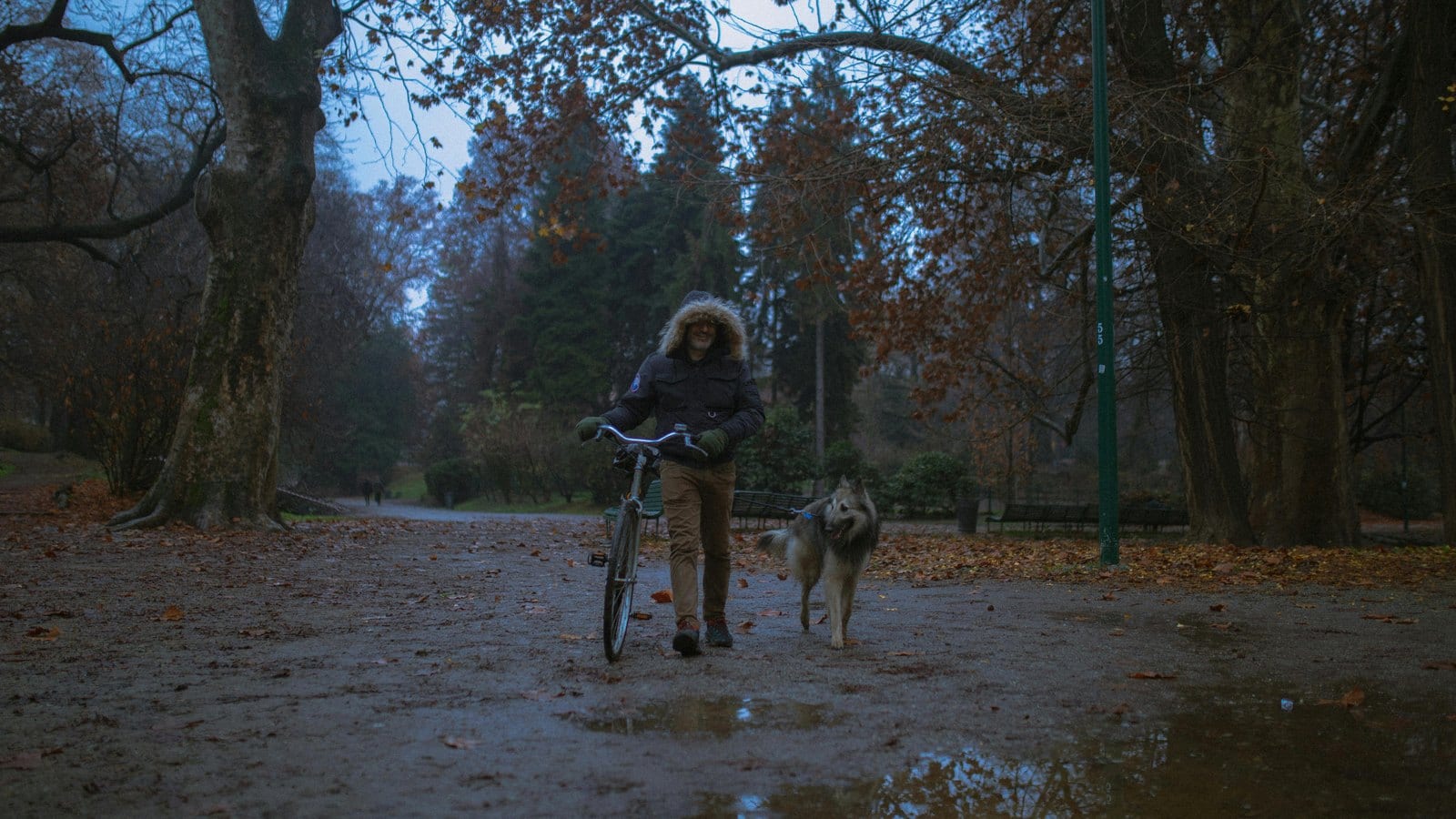
Traffic work starts with room. Practice far enough from cars that your dog can notice them without loading toward the road.
Why Dogs React to Cars on Walks
Cars combine fast movement, engine noise, tire noise, vibration, headlights, sudden appearances from behind, and the frustration of being held back by the leash.
Some dogs are scared. Some are overstimulated. Some are drawn into chase by movement. Some bark because the car goes away every time, which can teach the dog that barking made the vehicle leave.
AKC's guide to preventing dogs from chasing cars describes car chasing as a natural behavior for some dogs and notes that lunging or trying to chase means the dog is over threshold and needs more space. That threshold idea is the heart of the plan.
The useful lesson happens earlier, when your dog first notices the car and can still think.
What Car Reactivity Looks Like Before the Explosion
Car reactions usually build in small steps before the bark or lunge.
Watch for:
- ears pinning or pointing toward traffic
- mouth closing
- body lowering into a crouch
- tail stiffening
- sudden speed increase
- hard staring at the road
- refusing treats
- pulling toward the curb
- spinning as cars pass
- grabbing the leash after a vehicle goes by
If you wait until your dog is already at the end of the leash, you are managing force, not teaching a new response.
If your dog's main pattern is a forward launch, the guide to dog lunging on leash fits well with this plan. If they stop moving and lock up, read dog freezes on walks too.
Start Farther Away Than You Think
Most car-reactive dogs are trained too close to the road.
You may need to begin:
- across a parking lot from moving cars
- in a park where traffic is visible in the distance
- on a quiet residential street with a wide grass buffer
- behind a parked car where the view is partly blocked
- on a driveway or side street where only a few cars pass
The right distance is where your dog can see or hear a car and still eat, sniff, turn their head, or move away with you.
For one dog, that might be 20 feet. For another, it might be 150 feet. Your dog's body language is the measurement.
The Green, Yellow, Red Traffic Scale
Use this simple scale during walks.
Green
Your dog notices the car and can still eat, sniff, blink, turn away, or follow you. This is the training zone.
Yellow
Your dog is staring, stiff, crouching, speeding up, or slower to take food. This is the move-away-now zone.
Red
Your dog is barking, lunging, spinning, chasing, growling, or unable to respond. This is not the teaching zone. Get distance safely and make the next setup easier.
The goal is to work in green often enough that cars stop predicting a fight with the leash.
A Calm Car-Pass Routine
Practice this only at a distance where your dog is in the green zone.
- Stand or walk where traffic is visible but not overwhelming.
- Let your dog notice the car.
- Mark the first calm look with "yes."
- Feed by your leg or slightly behind you.
- Let your dog look again if they stay loose.
- Move away before the next car stacks too much arousal.
Feeding behind your leg turns your dog's head and shoulders away from the road. That small movement can interrupt the crouch-and-launch pattern without yanking the leash.
VCA Animal Hospitals explains desensitization and counterconditioning as changing a pet's emotional response, including an example of giving a tasty treat when cars pass for a dog frightened by cars. The key is that the dog must be comfortable enough to eat and learn.
Do Not Start on the Hardest Street
Busy roads are advanced work.
Avoid beginning training beside:
- narrow sidewalks with no buffer
- bus routes
- school pickup lines
- roads with fast trucks
- intersections with sudden turns
- parking lots where cars back out close to your dog
- apartment exits that open directly onto traffic
Start where cars are slower, fewer, and farther away. A calm five-minute session is worth more than a walk where your dog reacts at every vehicle.
If your building forces close exits, use how to walk a reactive dog in an apartment complex.
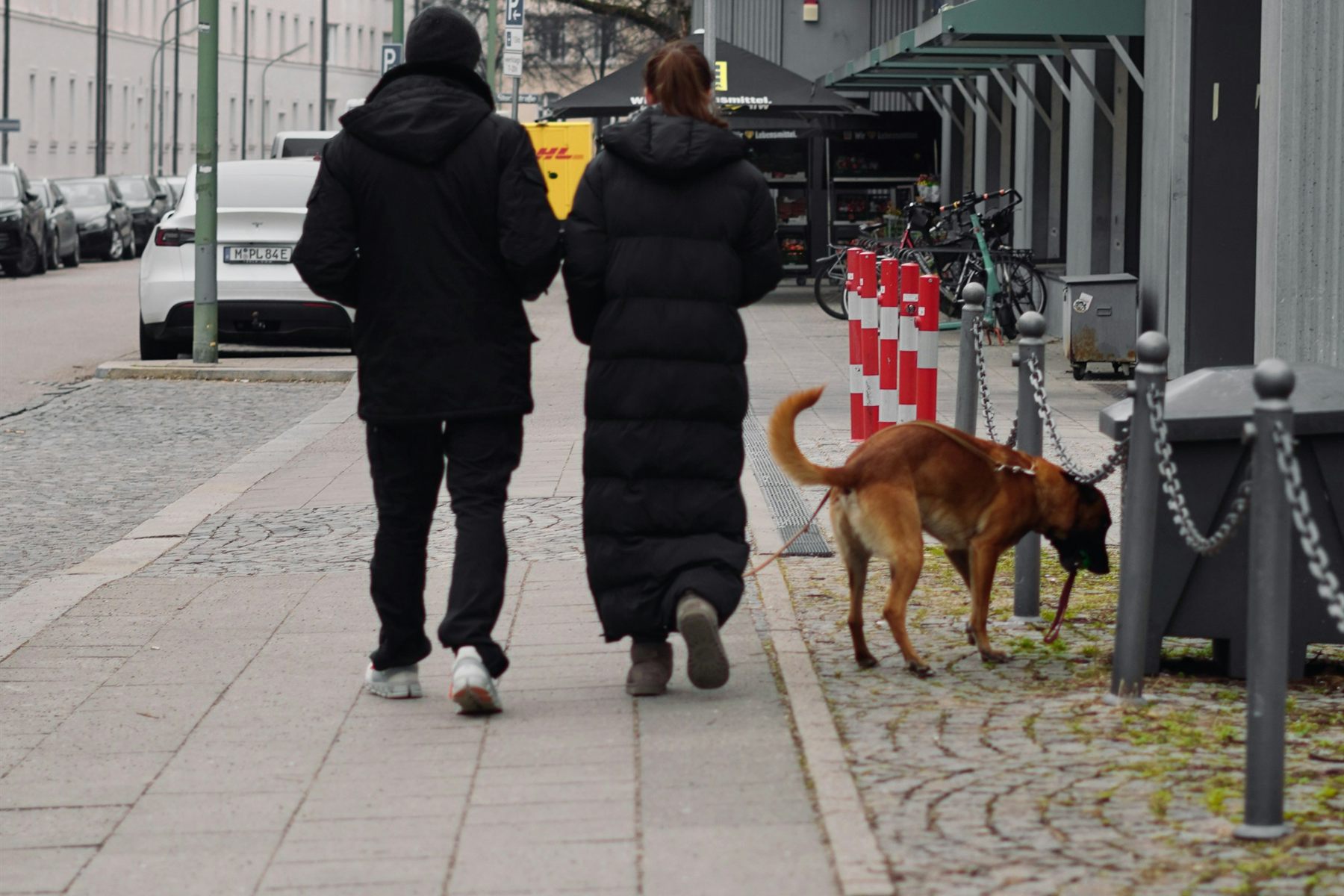
Wide sidewalks, parked cars, and predictable sight lines give you more time to reward calm noticing or turn away.
What to Do When a Car Surprises Your Dog
Sometimes a vehicle appears too close. In that moment, switch from training to safety.
Try this:
- shorten the leash enough for control without dragging your dog upward
- turn your shoulders away from the road
- say your practiced U-turn cue once
- move behind a parked car, tree, wall, or driveway
- scatter a few treats away from traffic if your dog can eat
- let your dog sniff after the vehicle passes
If your dog barks, do not stand near the curb trying to cue a sit. Create distance first.
Should You Ask for a Sit?
Sometimes. Not always.
A sit is useful only if it lowers arousal. If your dog sits with a soft body, takes treats, and can look away, fine.
But many car-reactive dogs sit like a loaded spring. They stare, hold their breath, then explode as the car passes. In that case, movement is safer than stillness.
Better options may be:
- "this way" U-turns
- treat scatters in grass
- walking parallel farther from the road
- stepping behind a visual barrier
- feeding at your leg while moving away
Obedience is not the foundation here. Emotional distance is.
Treat Timing Around Traffic
Do not save the treat for after the meltdown.
Reward:
- when your dog hears a car and stays loose
- when your dog sees a car and does not launch
- when your dog turns back toward you
- when your dog moves away from the curb
- when your dog sniffs after traffic passes
Use small, soft, high-value food. If the street is hard for your dog, dry biscuits may not be enough. The article on best treats for reactive dog training covers treat choices for hard walks.
If your dog cannot eat food they normally love, the car is too close, the road is too busy, or your dog is already over threshold.
Avoid Rehearsing the Chase
Every full lunge toward a car strengthens a pattern: see vehicle, load forward, hit leash, bark or chase.
That may mean:
- driving to quieter walking spots for a while
- using backyard potty breaks before road walks
- choosing side streets instead of main roads
- crossing away from traffic before your dog locks on
- skipping walks at garbage truck or school bus times
- giving decompression walks away from roads
VCA's chase behavior guidance emphasizes prevention and controlled practice around chase triggers. For traffic-reactive dogs, that is part of safety.
Cars, Bikes, Scooters, and Trucks Are Not All the Same
A dog may ignore parked cars but lunge at moving cars. Another may handle cars but panic at buses. Herding breeds may crouch and stalk cars, bikes, or scooters. Noise-sensitive dogs may be worse around motorcycles, delivery trucks, or garbage trucks.
Track which vehicles trigger the reaction, whether they are worse from behind, whether speed or sound is the problem, and whether your dog recovers after one pass or gets worse with each one.
If wheels and fast motion are the bigger issue, use the focused plan for dogs who react to bikes on walks.
A Short Practice Session
Use this in an easy location.
Settle and scan
Stand far from the road. Let your dog sniff. Check where cars are coming from before asking for anything.
Mark calm noticing
Each time a car passes at a workable distance, say "yes" when your dog notices it calmly. Feed by your leg or behind you.
Add movement
Walk parallel to the road, still far enough away that your dog can think. Reward glances at cars and voluntary check-ins.
Decompress
Move farther from traffic and let your dog sniff. End before the session gets messy.
This is repetition under conditions your dog can handle.
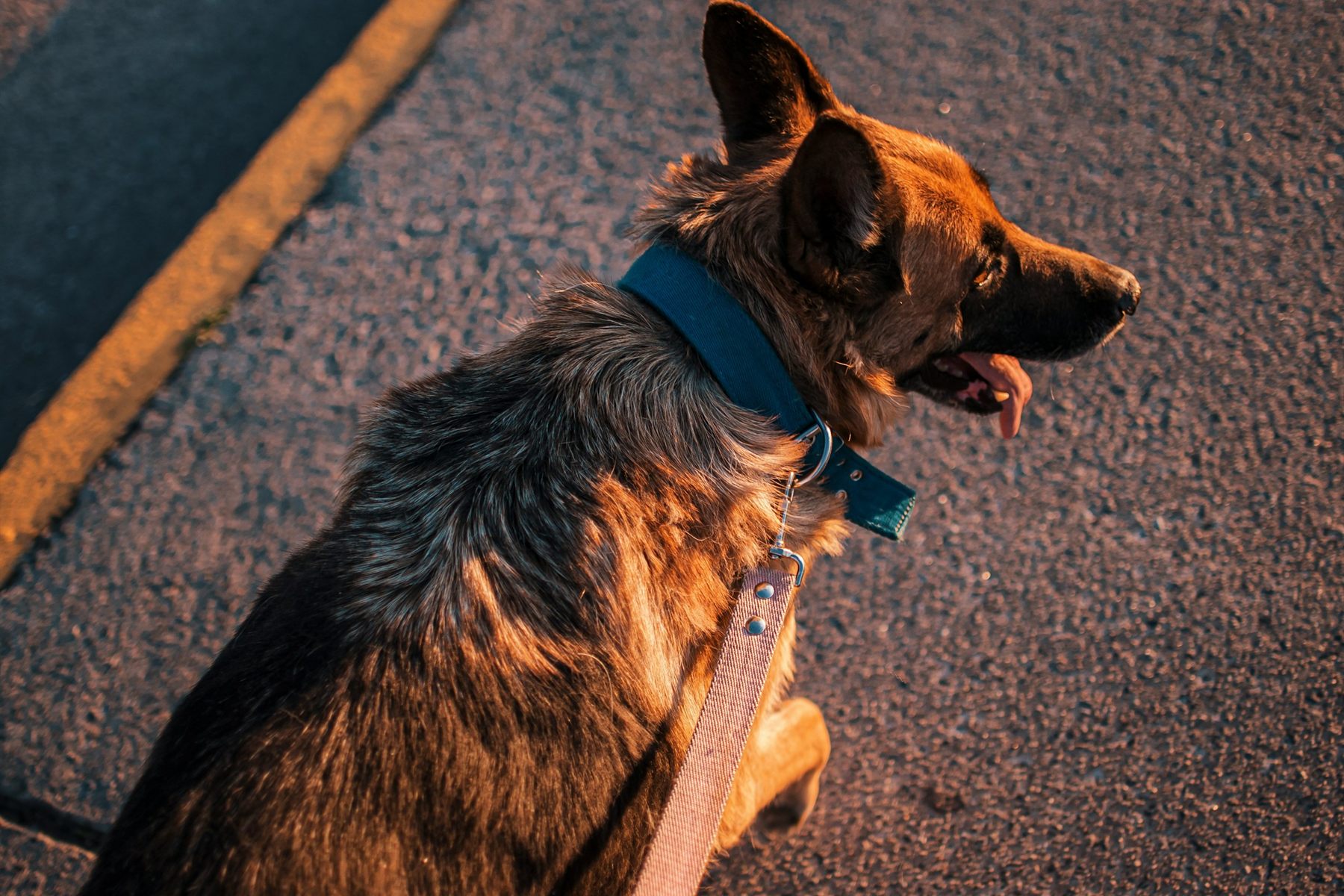
Stillness helps only if the dog can stay soft. If sitting turns into hard staring, move farther away and reward from there.
Gear for Traffic Safety
Helpful options include a fitted harness, six-foot leash, backup safety clip, reflective gear, fast treat pouch, and a long leash only in safe open areas away from roads.
Avoid retractable leashes near traffic. They make distance harder to manage and can put your dog too close to the road.
Do not use yelling, leash jerks, choke chains, prong collars, shock collars, flooding, or forced exposure to traffic. The IAABC Standards of Practice oppose aversive methods that involve pain, fear, or intimidation.
When to Get Professional Help
Get qualified help if:
- your dog has pulled you toward traffic
- your dog has slipped gear near roads
- your dog redirects onto the leash, your clothing, or your hand
- your dog panics around traffic sounds
- your dog reacts to cars from far away
- your dog cannot recover after vehicles pass
- you feel unsafe walking them
- the behavior appeared suddenly or is getting worse
Cornell University College of Veterinary Medicine describes reactive behavior as overarousal to common stimuli, including barking, lunging, or growling. With traffic, early help is worth it because the stakes are higher near roads.
FAQ
Is my dog aggressive if they lunge at cars?
Not necessarily. Car lunging may come from chase drive, fear, frustration, or overarousal. It is still dangerous and should be managed carefully.
What if my dog only reacts to loud trucks or buses?
Treat those as separate triggers. Start farther away from heavy vehicles, use better treats, and avoid busy truck routes while your dog is learning.
Should I let my dog watch traffic from the window?
Not if they bark, pace, or get wound up. Window rehearsals can strengthen the same pattern you see on walks. Use visual barriers, enrichment, and calmer observation setups.
What should I do if my dog lunges into the street?
Get to safety first. Move away from traffic, shorten the leash for control, and end the walk if needed. Then reassess equipment, route choice, and professional help.