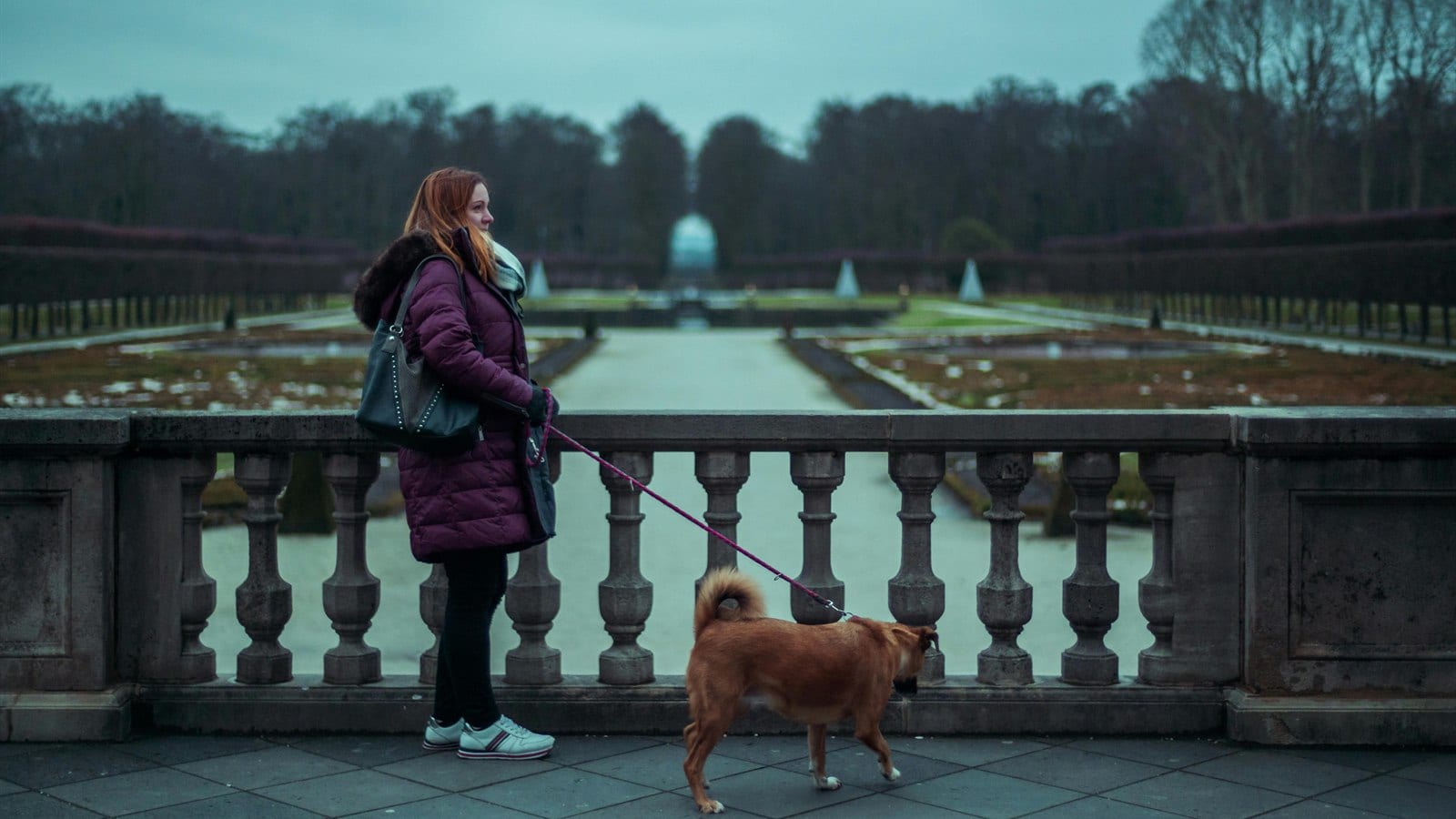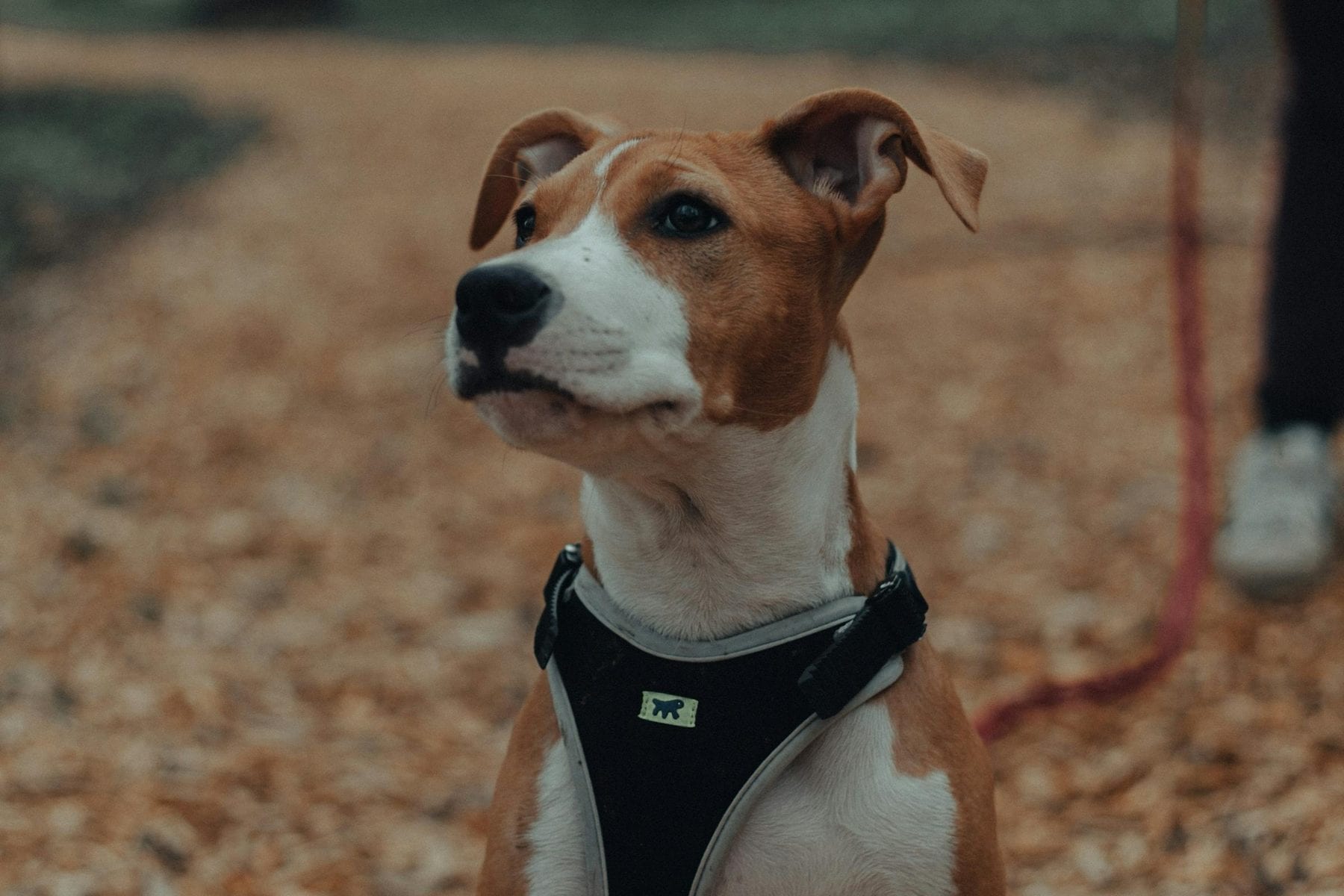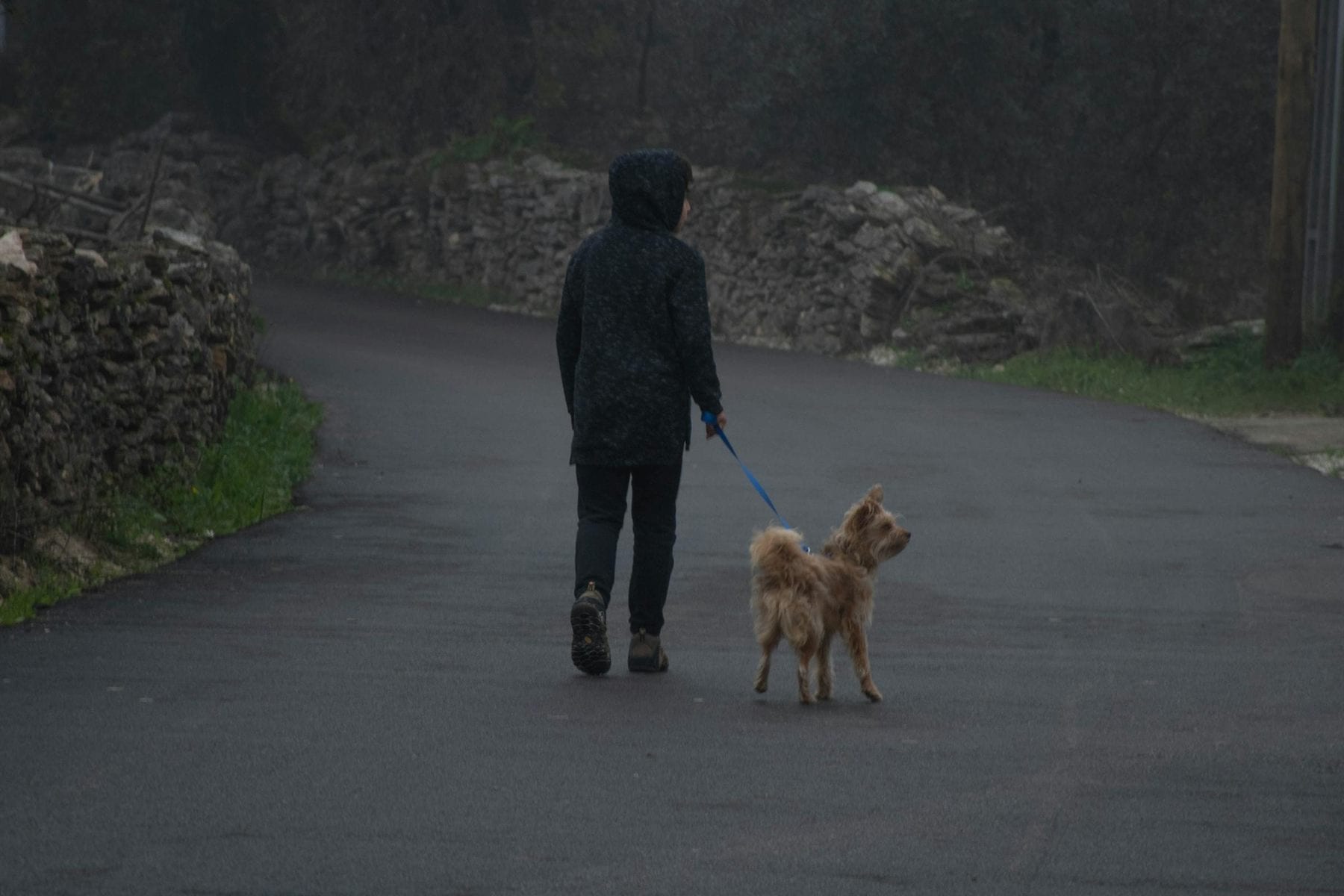
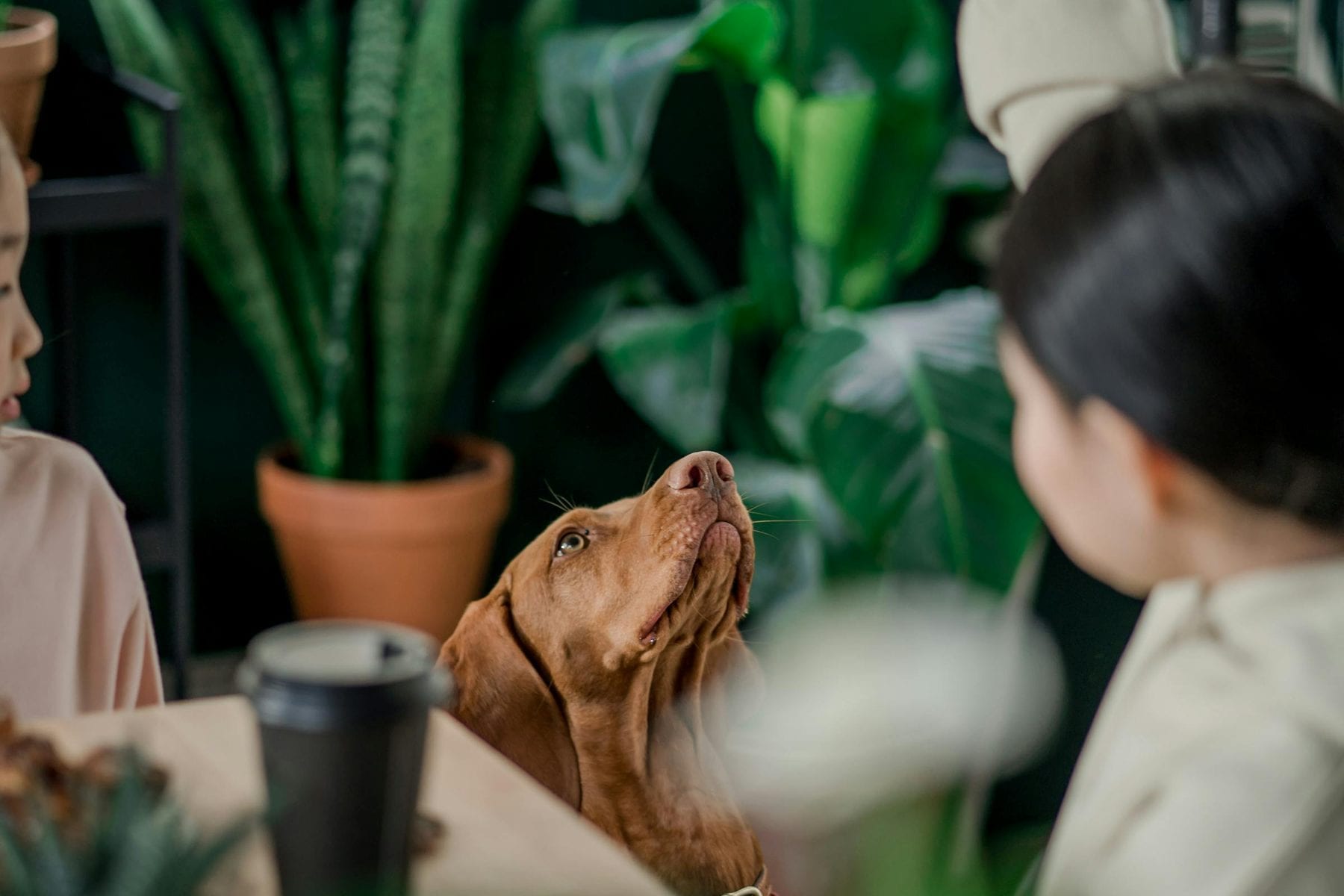
If your reactive dog ignores treats on walks, it is easy to feel stuck.
You bought the training treats. You filled the pouch. Then another dog, bike, car, or stranger appears and your dog acts like the food does not exist.
The clear answer: reactive dog training treats need to be high value, tiny, easy to eat, and delivered before your dog is over threshold. If your dog cannot take food, the setup is usually too hard. Move farther away first.
Treats are not magic. They are information. Used well, they tell your dog, "You noticed the trigger, and you are still safe enough to check back in."
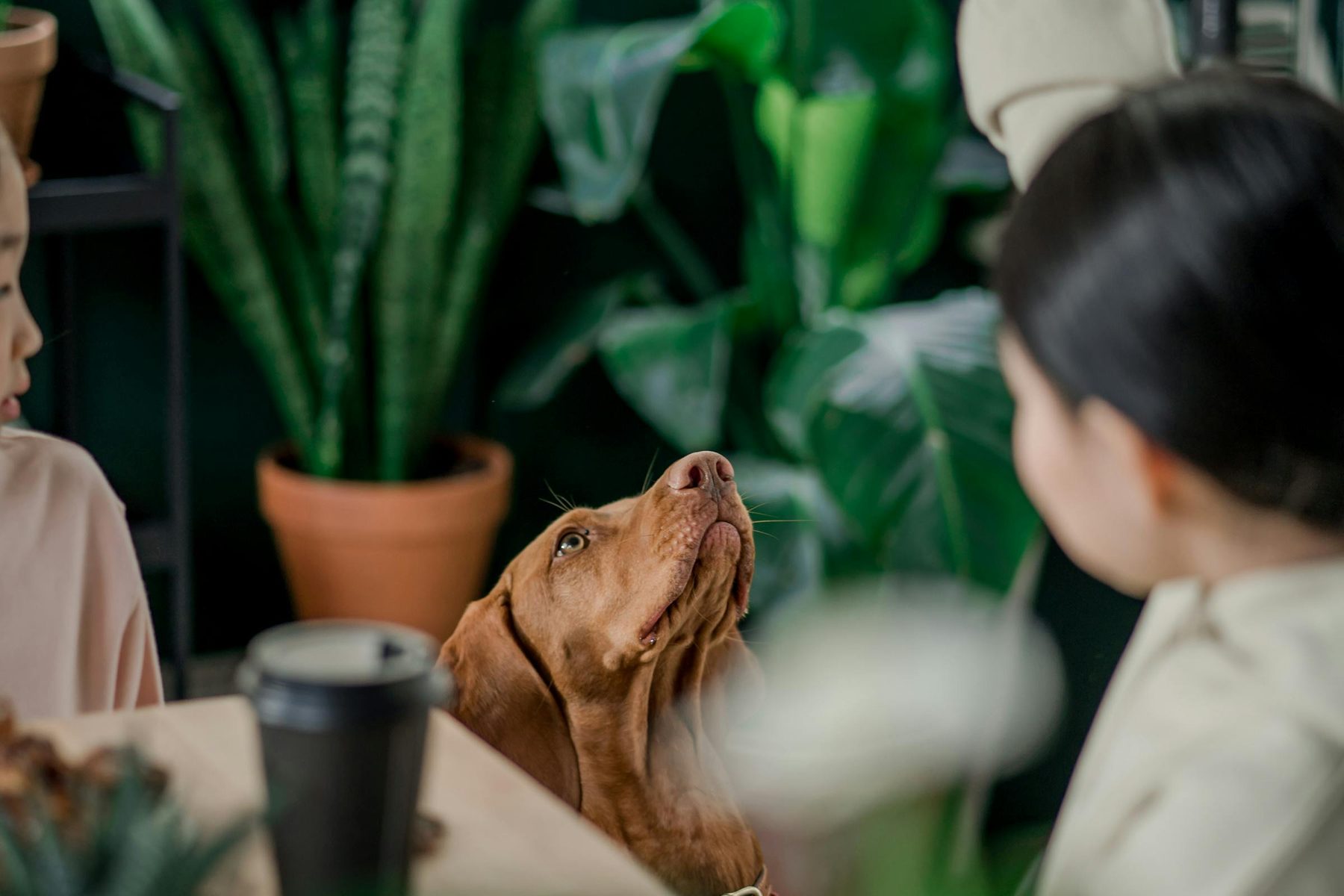
Reactive dog treats should be easy to deliver quickly, long before the barking or lunging starts.
What Makes a Treat Good for Reactive Dog Training?
A good reactive-dog treat is not just something your dog likes in the kitchen.
It needs to work when your dog is outside, distracted, and close enough to notice a trigger. That usually means the treat should be:
- soft
- small
- smelly enough to matter
- easy to swallow
- quick to deliver
- safe for your dog's stomach
- special enough for difficult walks
Dry biscuits often fail because they take too long to chew. Big treats create the same problem. Your dog looks at another dog, you hand over a large crunchy biscuit, and by the time they finish chewing, the trigger is already closer.
For leash reactivity, fast matters.
The AKC's treat guidance emphasizes choosing rewards that fit the training situation, including small, fast-eating treats for repetition and more motivating treats for harder work. That is exactly the distinction reactive dog owners need.
If your dog is reacting mostly to other dogs, pair this article with why dogs bark at other dogs on walks.
Use a Treat Ladder
Not every walk needs the same food.
Think in levels.
Low-Value Treats
These are for easy moments:
- kibble
- dry training treats
- small crunchy treats
- vegetables your dog likes
Use them indoors, in the yard, or on quiet walks where your dog is relaxed.
Medium-Value Treats
These are for mild distractions:
- soft training treats
- small pieces of jerky-style treats
- broken-up chewy treats
- food your dog enjoys but does not lose their mind over
Use them when your dog can see normal neighborhood activity and still think.
High-Value Treats
These are for hard triggers:
- tiny bits of cooked chicken
- small pieces of cheese
- freeze-dried meat
- soft fish-based treats
- meat roll cut into tiny cubes
Use these for dogs, strangers, cars, bikes, apartment exits, or anything that usually causes barking, lunging, freezing, or frantic pulling.
High value does not mean huge. It means meaningful.
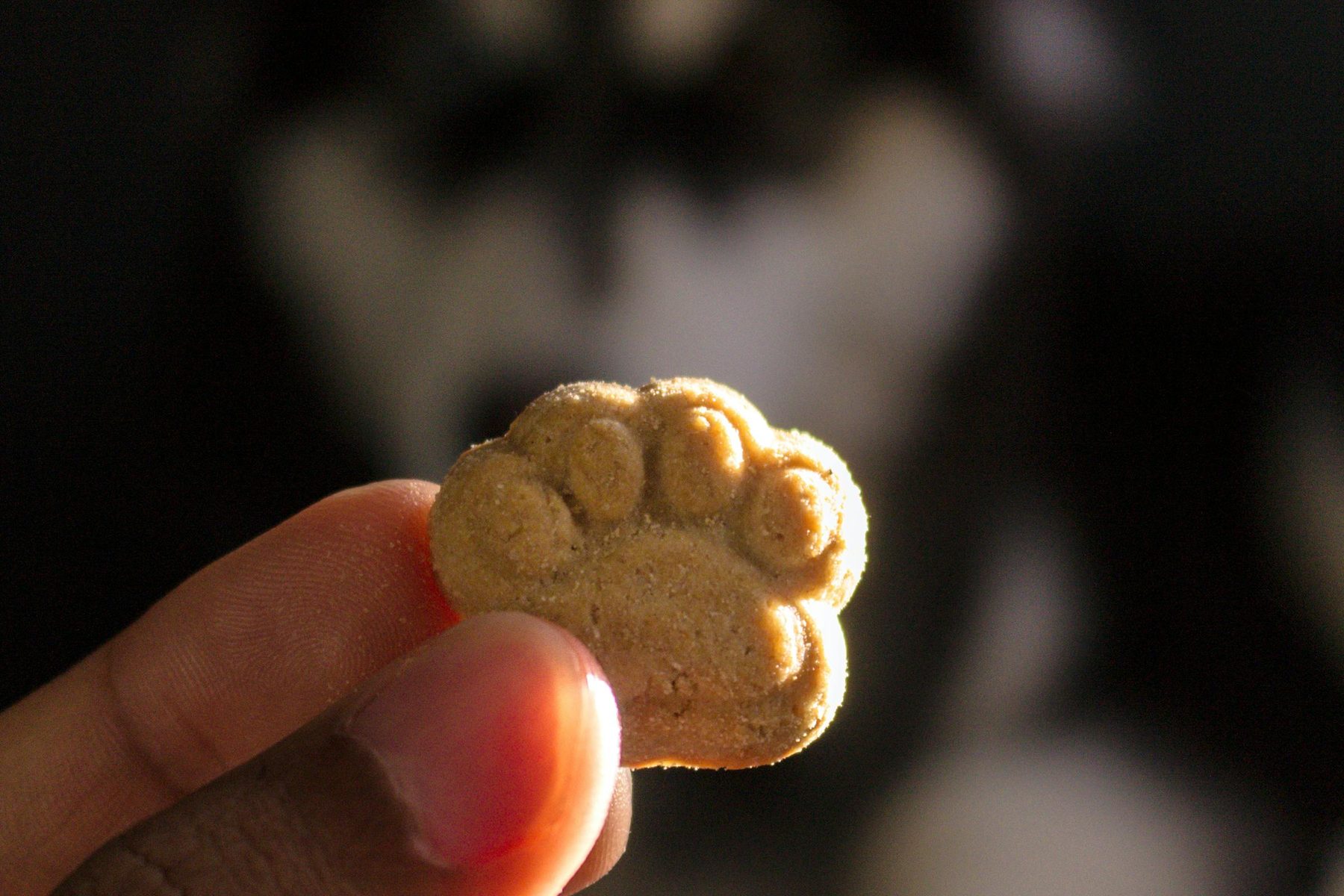
Small, soft pieces let you reward several calm choices without stopping the walk for a long chew.
Timing Matters More Than the Treat Brand
Most owners feed too late.
They wait until the dog barks, then offer food as a distraction. Sometimes the dog ignores it. Sometimes the dog grabs it and keeps barking. Either way, the clean training moment already passed.
The useful moment is when your dog first notices the trigger and can still think.
Watch for:
- ears turning toward the dog
- head lifting toward a stranger
- body pausing near a car
- eyes finding a bike
- tail stiffening slightly
- mouth closing
- leash tension beginning
Mark that moment with "yes" or a click, then feed.
If your dog barks first, create distance. Turn around, step behind a parked car, move behind a hedge, or go back inside if you are in an apartment hallway. Feed after your dog can look away or move with you.
For a bigger training framework, use reactive dog training.
Feed Away From the Trigger
Where you put the treat matters.
If your dog sees another dog on the left and you feed forward toward that dog, your dog may keep leaning and staring. Instead, deliver the treat near your leg or slightly away from the trigger.
This teaches a better pattern:
- Notice the trigger.
- Hear the marker.
- Turn back toward you.
- Eat.
- Move on.
That pattern is useful for dogs who pull toward every dog, bark at strangers, or lock onto bikes.
If the trigger is moving fast, like a bike or scooter, use the same rule from dogs who react to bikes on walks: reward early and create distance before the chase or lunge builds.
What If Your Dog Will Not Take Treats?
A dog who refuses food on walks is not being stubborn.
Common reasons include:
- the trigger is too close
- the dog is already over threshold
- the treat is too low value
- the dog is too hot or thirsty
- the dog is nauseous or uncomfortable
- the dog is too full
- the environment is too busy
- the dog has rehearsed reactions there many times
Change distance before changing food.
If your dog will not eat at ten feet, try fifty feet. If they will not eat on the sidewalk, try the other side of the street. If they will not eat outside your apartment door, practice inside with the door open for one second.
When a dog cannot eat anywhere outside, call a qualified trainer or behavior consultant. You may need a slower plan, a vet check, or help reading your dog's body language.
If your dog freezes instead of barking, read dog freezes on walks. Refusing food and freezing often show that the setup is too intense.
Use Treat Streams and Scatter Feeding Carefully
Two food patterns are especially useful for reactive dogs.
Treat Stream
A treat stream means feeding several tiny pieces one after another while a trigger passes at a safe distance.
Use it when:
- a dog is passing across the street
- a stranger is walking by
- a car starts up nearby
- your dog can eat but needs support
Keep your voice calm. Feed quickly. Stop when the trigger is gone and your dog can relax.
Treat Scatter
A scatter means dropping several small treats on the ground so your dog can sniff and search.
Use it when:
- your dog needs to lower their head
- you need a small pause
- a trigger is visible but far enough away
- your dog can still sniff
Do not scatter food near unknown dogs, crowded sidewalks, or places where other dogs may rush in. Food on the ground can create conflict in tight spaces.
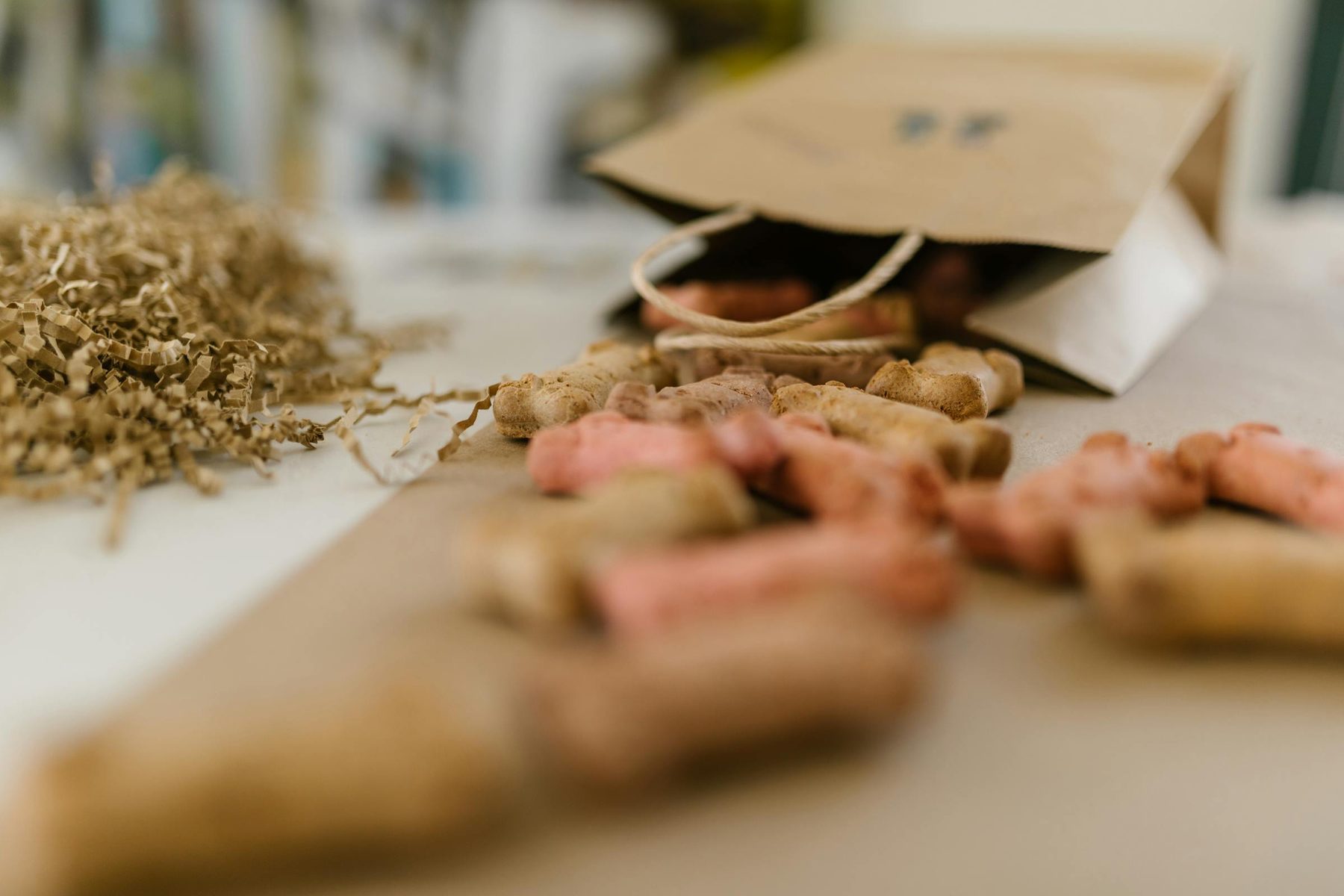
Carry several treat values so easy moments and hard triggers do not all use the same reward.
How Many Treats Is Too Many?
Reactive dog training can use a lot of food, especially at first.
That does not mean every piece needs to be large.
Use tiny pieces. For many dogs, pea-sized or smaller is enough. If you are using cheese, chicken, or meat roll, cut it smaller than you think you need.
VCA Hospitals explains that treats should generally stay within a small part of a dog's daily calories, often discussed as no more than about 10% of daily intake. That matters when you are training often.
Practical ways to avoid overfeeding:
- use smaller pieces
- reduce meal size slightly on heavy training days
- use part of breakfast as easy-walk rewards
- save richer food for hard triggers only
- ask your vet if your dog has weight, stomach, or medical concerns
Do not withhold meals to make a stressed dog desperate for food. A hungry, frustrated dog is not automatically a better learner.
Treats for Apartment Dogs
Apartment walks are hard because triggers appear suddenly and close.
Carry treats before you open the door. Not in the lobby. Not after the elevator arrives. Before.
Good apartment treat habits:
- keep a small pouch near the leash
- check the hallway before stepping out
- feed before blind corners
- scatter inside your apartment if your dog starts the walk too excited
- use high-value food for lobby and elevator exits
- skip treats on the ground if other dogs are nearby
For building-specific setups, use how to walk a reactive dog in an apartment complex.
Common Mistakes
The first mistake is using boring food in a difficult environment. Kibble may work in the kitchen and fail outside near dogs.
The second mistake is feeding after the explosion. If your dog is already barking or lunging, move first. Feed when they can reorient.
The third mistake is holding the food in front of the dog's nose while the trigger gets closer. That can create a dog who is eating and still panicking. Use distance.
The fourth mistake is making treats too large. Big treats slow the session down and add calories quickly.
The fifth mistake is assuming treats are the whole plan. Reactive dogs also need distance, management, predictable routes, decompression, and sometimes professional help.
Breed-Specific Notes
Any breed can need higher-value food around triggers.
Herding breeds may notice movement early and need fast treat timing before the stare builds. Terriers may escalate quickly when frustrated. Guardian breeds may need more distance around strangers or dogs approaching the home area. Small dogs may need rewards delivered low enough that they do not have to jump or leave the ground to eat.
Adjust the delivery to the dog in front of you.
When to Call a Professional
Call a qualified reward-based trainer, behavior consultant, or veterinary behavior professional if:
- your dog will not take food at any distance
- your dog lunges with full force
- your dog has bitten or nearly bitten
- your dog redirects onto you
- your dog guards food around other dogs
- walks feel unsafe
- your dog has sudden behavior changes
Food is useful, but it cannot replace a safety plan.
FAQ
What are the best treats for reactive dog training?
Use small, soft, high-value treats that your dog can swallow quickly. Save the most valuable food for hard triggers like dogs, strangers, bikes, cars, or busy apartment exits.
Why will my reactive dog not take treats on walks?
They are often too close to the trigger or over threshold. Move farther away before assuming your dog is not food motivated.
Can I use kibble for leash reactivity?
Kibble can work in easy settings. Around real triggers, many dogs need something softer, smellier, and more valuable.
Should I feed after my dog barks?
If your dog is already barking, create distance first. Feed once they can look away, move with you, sniff, or take food calmly.
Are cheese or chicken okay for training?
Many dogs find tiny pieces of cheese or cooked chicken highly motivating, but they should be used in small amounts. Ask your vet if your dog has allergies, stomach issues, pancreatitis risk, weight concerns, or dietary restrictions.
Should I use a treat pouch?
Yes, if it helps you reward quickly. Reactive dog training often fails when the food is buried in a pocket and arrives too late.
When do I stop using treats?
Do not rush it. As your dog improves, you can use easier rewards for easier settings and save high-value food for harder triggers. The goal is not zero treats; it is better behavior and better recovery.