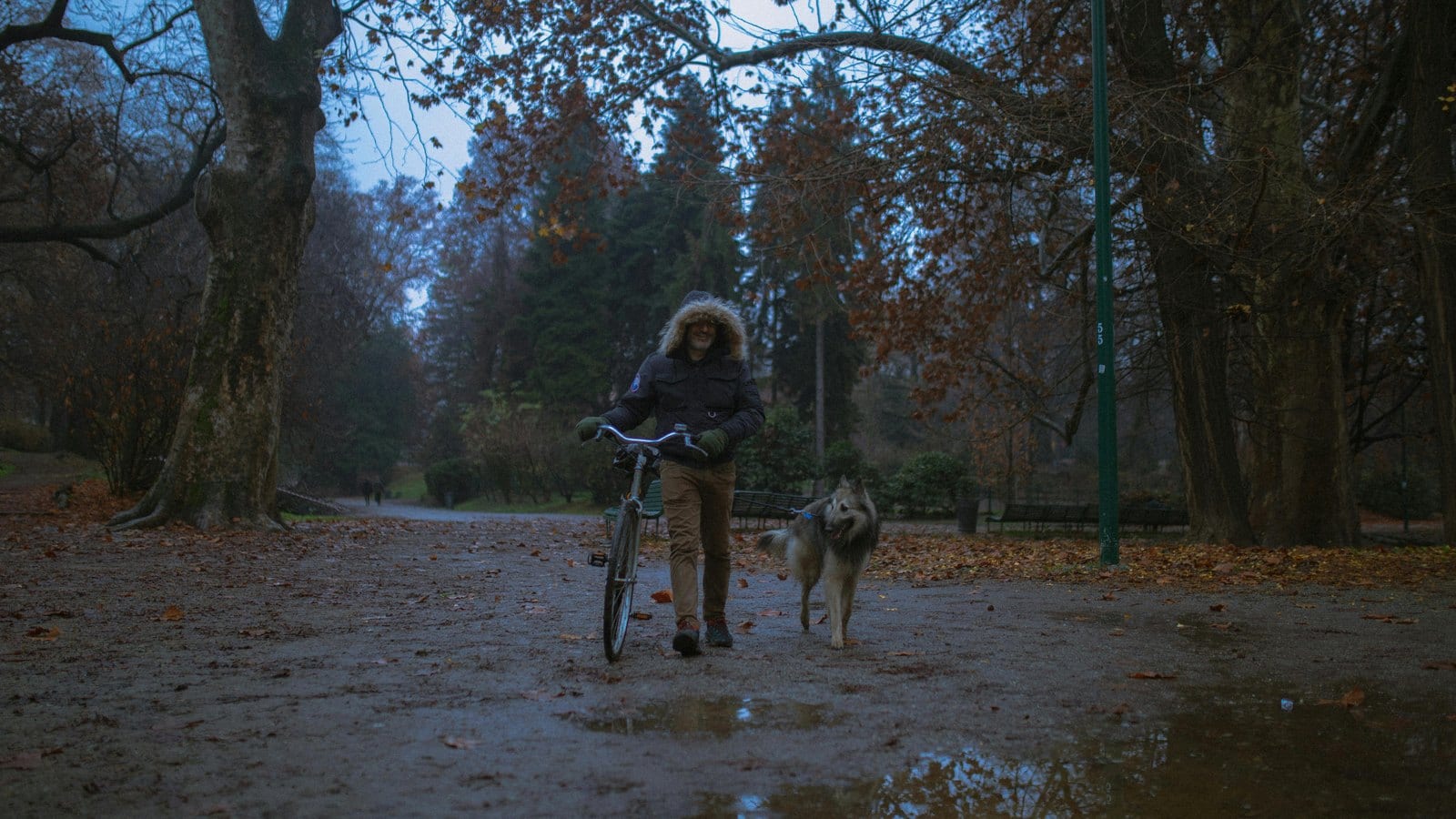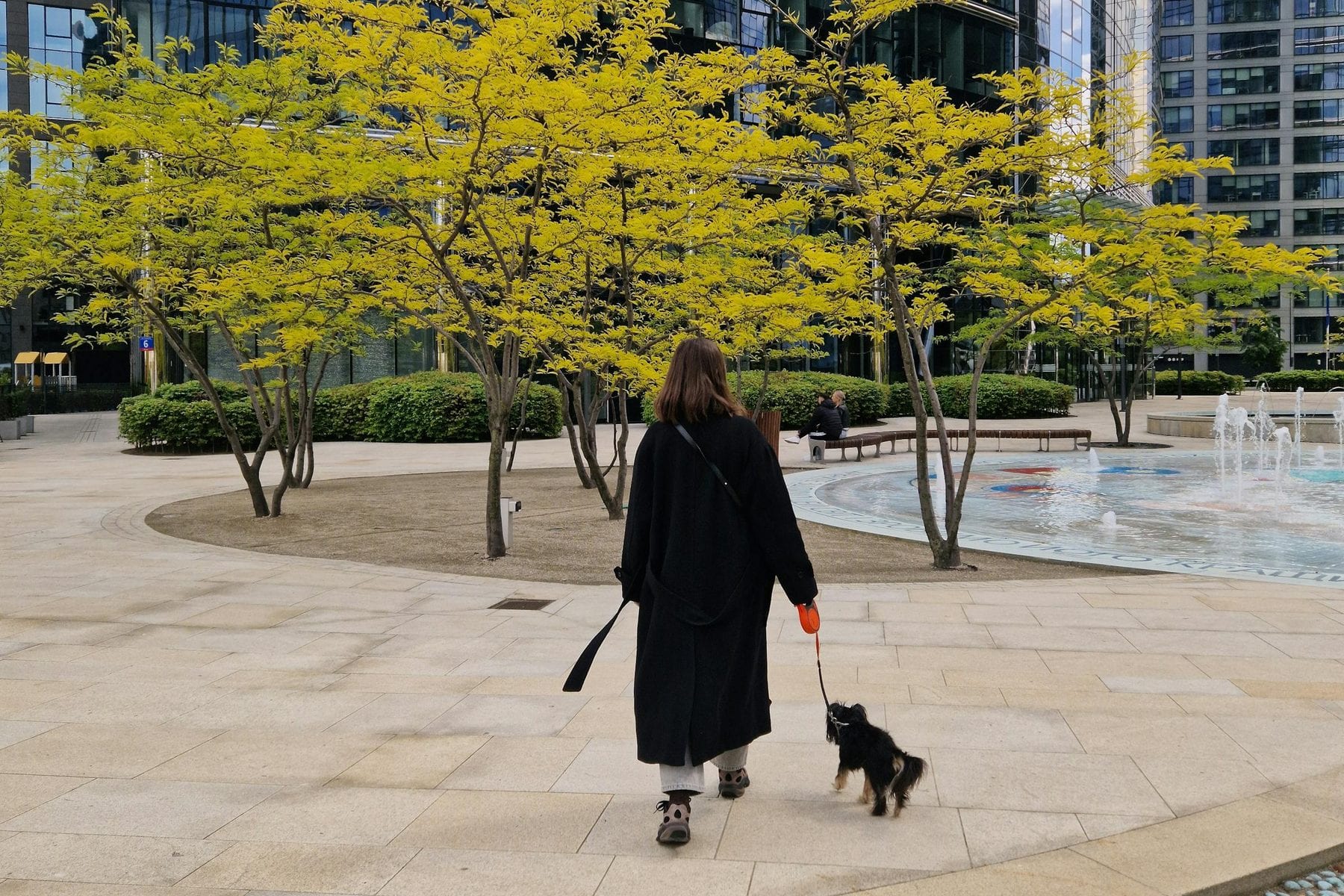
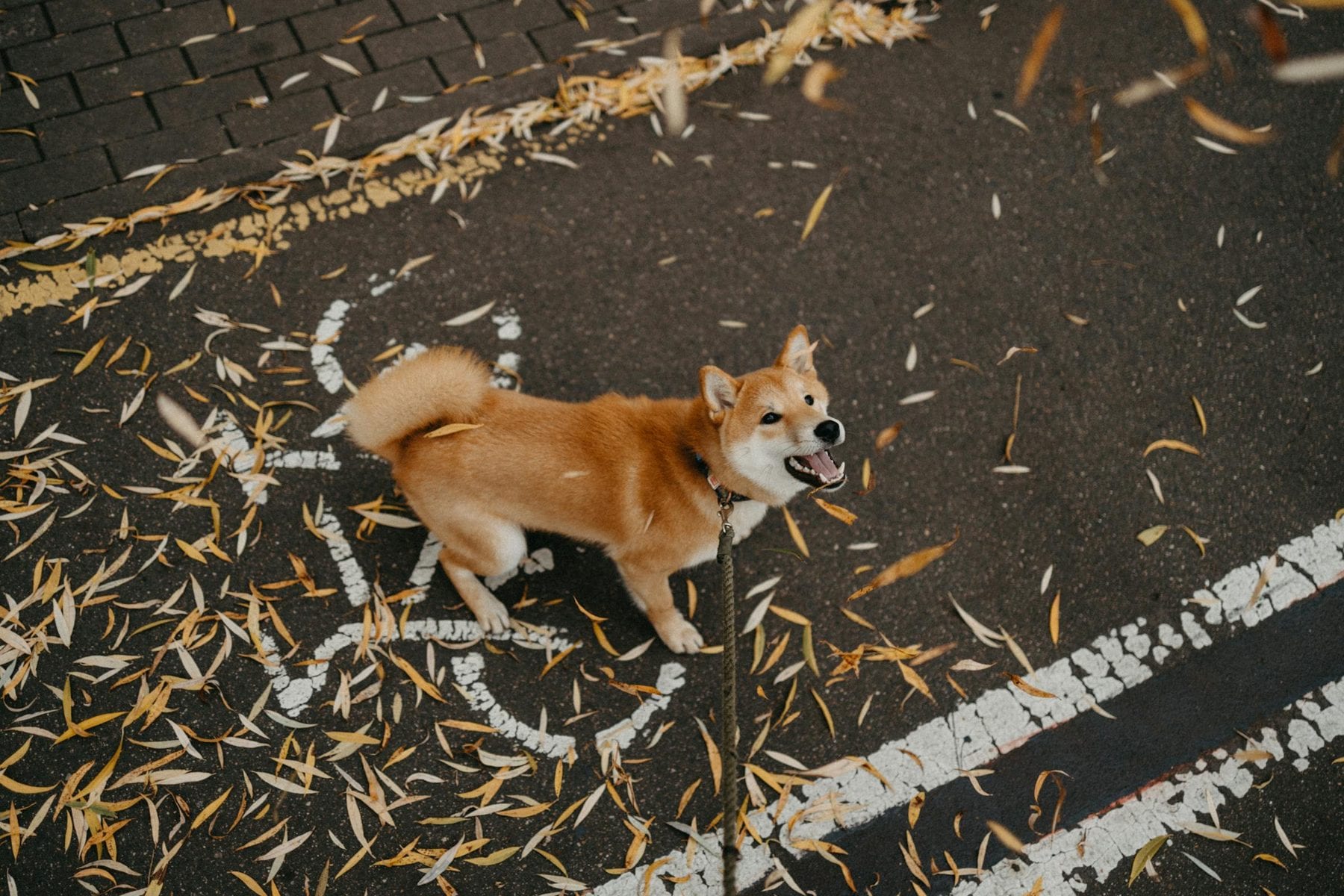
If your dog barks at strangers on walks, every sidewalk can start to feel like a test.
Someone turns the corner. Your dog stiffens. The leash tightens. Then the barking starts, and you are suddenly trying to manage your dog, the stranger, and your own embarrassment at the same time.
The clear answer: your dog needs more distance from people before they can learn. Do not wait until a stranger is close enough to reach for your dog. Help your dog notice people from a safer distance, reward calm looking, and move away before barking becomes the routine.
This is not about making your dog love every person. It is about helping your dog feel safer and behave more predictably in public.
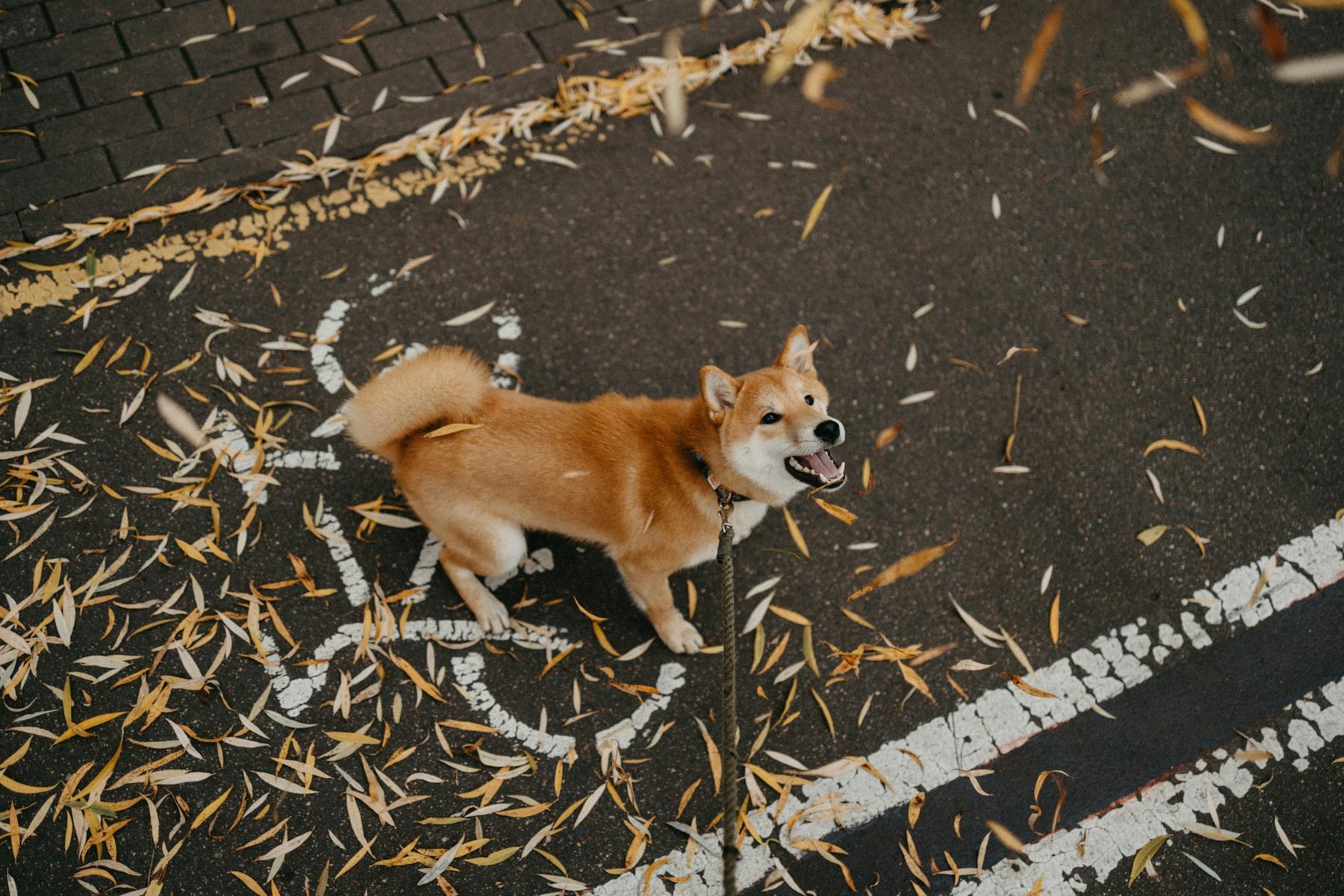
People-trigger reactions often start before the bark. The body stiffens, the mouth closes, and the dog needs space.
Why Dogs Bark at Strangers on Walks
A stranger is not just "a person" to your dog. A stranger may be moving directly toward them, making eye contact, carrying bags, wearing a hat, leaning over, jogging, or appearing suddenly from a doorway.
Your dog may bark because they are:
- scared
- startled
- frustrated
- guarding space
- unsure about direct approaches
- overwhelmed by busy sidewalks
- reacting to past experiences
- trapped by leash pressure
- already over threshold before the person appears
Cornell University College of Veterinary Medicine describes reactive dogs as dogs who overrespond to normal stimuli, often because they are fearful, anxious, frustrated, or overstimulated. Barking at strangers can fit that pattern.
The behavior may look rude, but it often comes from a dog who does not feel safe or prepared.
Barking at Strangers Is Not Always Aggression
Some dogs bark because they want distance. Some bark because they want access. Some bark because sudden movement makes their body spike before their brain catches up.
Aggression is a serious safety topic, but barking does not automatically mean your dog wants to bite.
Look at the whole picture:
- Does your dog back away while barking?
- Do they hide behind you?
- Do they pull toward the person?
- Do they recover after the person passes?
- Can they take food?
- Do they bark more at direct eye contact?
- Do they bark only when people reach for them?
If the barking comes with lunging, growling, snapping, or a bite history, treat it as a safety issue and get professional help. If the barking is newer or suddenly worse, consider a vet check too. Pain or discomfort can lower tolerance.
The Training Window Is Before the Bark
The useful moment is usually a few seconds before the noise.
Watch for:
- closed mouth
- hard stare
- ears fixed forward
- body stillness
- tail stiffening
- faster pulling
- hiding behind your legs
- scanning people ahead
- refusing treats
When you see those signs, do not march closer. Create space.
If your dog is already barking, you are mostly managing. That is okay. Turn away, move behind a car, cross the street, or step onto grass. Training can resume when your dog can think again.
For the larger leash-reactivity plan, read reactive dog training.
If your dog pulls hard even when no one is nearby, build the foundation from stop dog pulling on leash alongside this work.
What to Do When a Stranger Appears
Keep the first response simple.
1. Give Space Early
Distance is the first tool. Cross the street, turn around, pause behind a parked car, or move to the outside edge of the path.
Do it before your dog barks if you can.
2. Reward the First Calm Look
When your dog sees the person and stays quiet, mark the moment with "yes" or a click, then feed.
You are not rewarding fear. You are rewarding a calmer response to something your dog noticed.
3. Feed Away From the Person
Deliver the treat near your leg or slightly away from the stranger. This helps your dog orient back to you instead of leaning forward and staring.
4. Leave While It Is Still Going Well
If your dog watches two people calmly, that is a good session. Leave before the sidewalk gets harder.
Short successful walks beat long walks that end in barking.
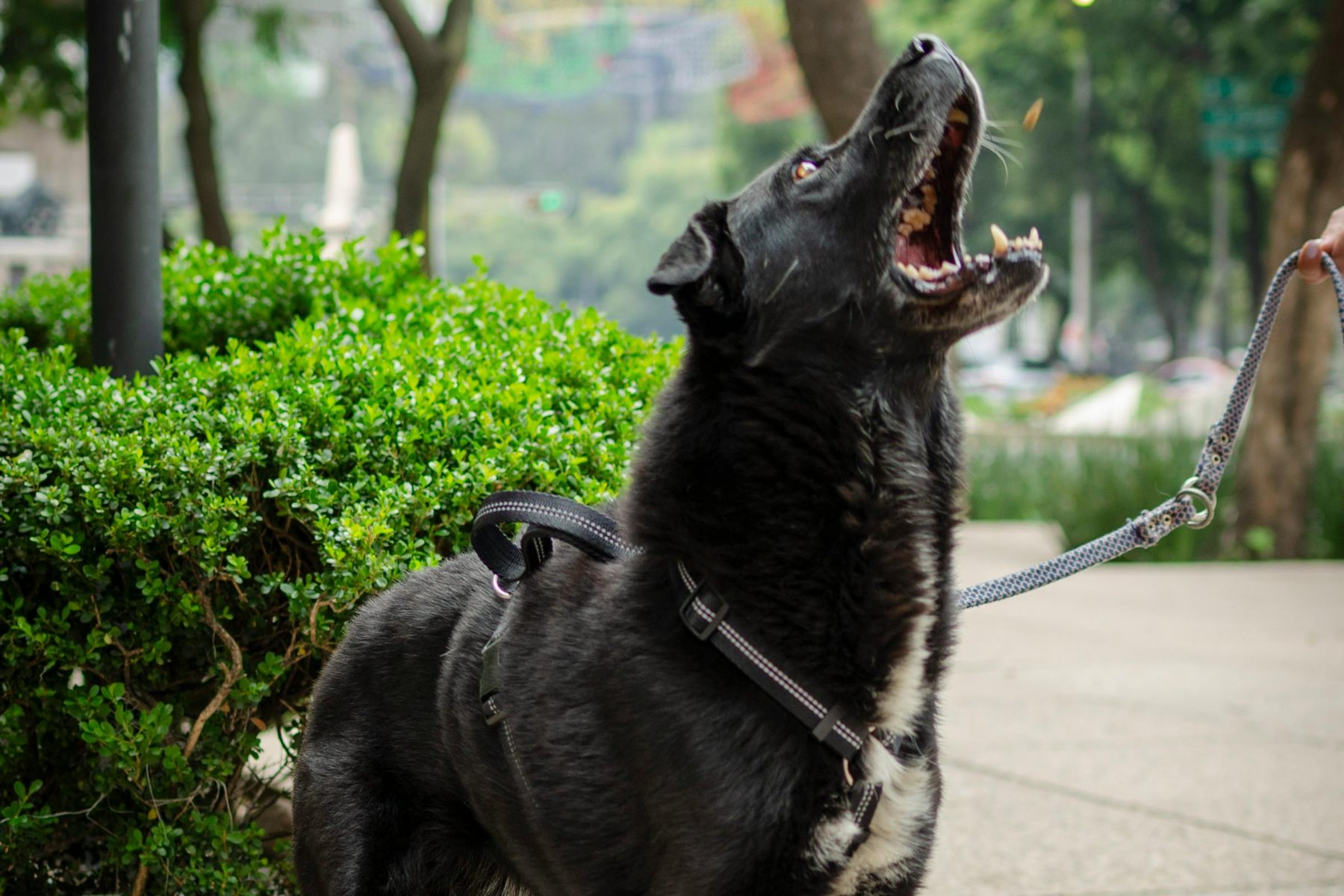
Once the bark starts, your job is management: add distance, reduce pressure, and try again earlier next time.
Should Strangers Pet Your Dog?
Usually not while you are working on this problem.
Even friendly people can accidentally make barking worse. They may lean over, stare, reach toward the head, talk loudly, or say, "It's okay, dogs love me," while walking straight into your dog's space.
If your dog is tense, barking, hiding, freezing, or pulling away, say:
Please give us space.
That is enough.
If you want to practice polite interactions later, do it with a helper, at a distance, with your dog choosing to approach. Do not use random sidewalk strangers as the training setup.
What If Your Dog Only Barks at Certain People?
This is common.
Some dogs react more to:
- men
- children
- runners
- people with hats
- people with hoods
- people carrying bags
- people using canes or walkers
- people staring or bending over
- delivery workers
- people appearing from doorways
Track the pattern for a week. Write down who your dog barked at, where it happened, how close the person was, and what your dog did right before barking.
Patterns help you act earlier.
If your dog reacts mostly in hallways, lobbies, or building entrances, use the apartment-specific guide on walking a reactive dog in an apartment complex.
Common Mistakes That Make Stranger Barking Worse
Letting People Reach Anyway
If your dog is barking and the stranger keeps approaching, your dog may learn that barking needs to get louder.
Saying "It's Fine" When It Is Not
Your dog may not be fine. Give them space before explaining.
Correcting the Bark After It Happens
Once your dog is barking, the arousal is already high. Move earlier next time.
Holding the Dog Still Near People
Some dogs can sit calmly and watch. Many people-reactive dogs do better moving away, sniffing, or doing a U-turn.
Practicing on Busy Sidewalks
Crowded areas are advanced. Start with wider paths and calmer routes.
If your dog also barks at dogs, keep that as a separate trigger in your notes and use the guide for dogs who bark at other dogs on walks. Mixing people and dog triggers too early can make sessions messy.
If Barking Turns Into Lunging
Barking and lunging often travel together.
If your dog launches toward strangers, jumps, growls, or pulls with full body weight, use more distance and read the dog lunging on leash guide.
If your dog freezes before barking at people, the dog freezes on walks article can help you catch the quieter warning signs.
Route Choices That Help
Choose routes where people are visible before they are close.
Good practice routes often include:
- wide sidewalks
- quiet neighborhood loops
- open park edges
- parking lot edges during quiet hours
- paths with grass buffers
- routes with parked cars or hedges as visual breaks
Hard routes include:
- narrow sidewalks
- busy school pickup times
- outdoor dining areas
- building entrances
- tight apartment hallways
- crowded farmer's markets
You are not avoiding the world forever. You are choosing setups where your dog can rehearse the behavior you actually want.
If fast movement is part of the pattern, the plan for dogs who react to bikes on walks fits runners, scooters, and cyclists too.
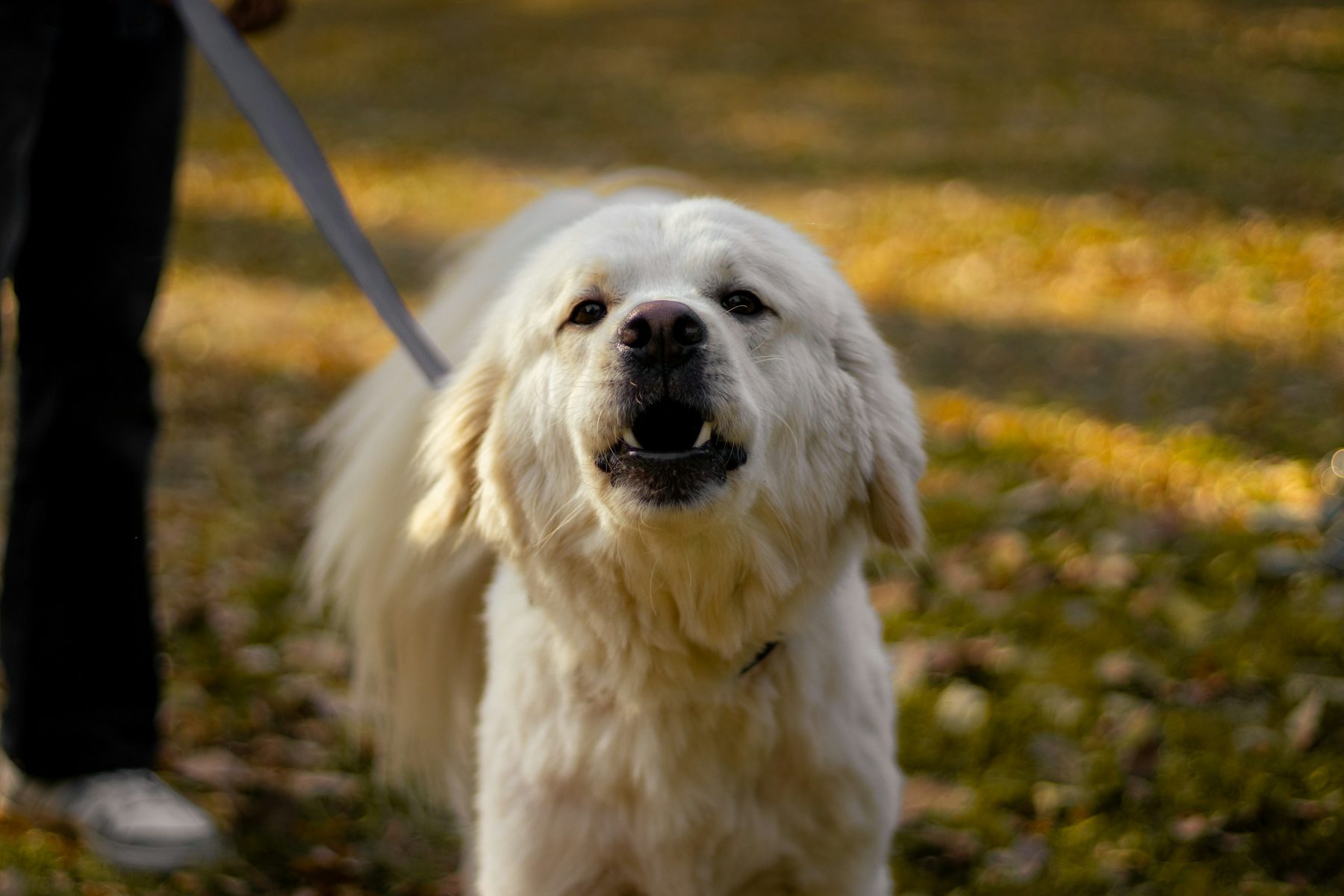
A barking dog needs more room, not more pressure. Wider routes and calmer times of day make that easier.
Breed-Specific Notes
Any breed can bark at strangers.
Guardian breeds may be more sensitive to people approaching the home, handler, car, or building entrance. Herding breeds may react to running children, bikes, or sudden movement. Terriers may become loud quickly when they feel pressure. Small dogs often get crowded by people who assume they are easy to approach.
The Caucasian Shepherd (Caucasian Ovcharka) guide shows why guardian-breed management emphasizes distance, neutral socialization, and controlled visitor routines rather than encouraging suspicion.
Breed traits can explain the pattern, but they do not change the plan: create distance, reward calm noticing, skip forced greetings, and practice easier setups.
When to Call a Professional
Call a qualified reward-based trainer or behavior consultant if:
- your dog lunges at people
- your dog has snapped, bitten, or nearly bitten
- the barking is getting worse
- your dog redirects onto the leash or handler
- your dog cannot recover after people pass
- people cannot safely pass on normal routes
- you feel unsafe or overwhelmed
A professional can help you spot early warning signs, choose realistic practice setups, and build a plan that fits your dog and your neighborhood.
FAQ
Why does my dog bark at strangers on walks?
Dogs bark at strangers because they may feel scared, startled, frustrated, protective, trapped by the leash, or overwhelmed by close approaches. Watch the body language before the bark.
Should I let strangers pet my dog?
Not if your dog is barking, tense, hiding, freezing, or pulling away. Protect your dog's space and practice greetings only in controlled setups.
How do I stop my dog barking at people on walks?
Use distance first. Reward your dog for noticing people calmly, feed away from the person, use U-turns before barking starts, and choose quieter routes while your dog is learning.
Is my dog aggressive if they bark at people?
Not automatically. Barking can come from fear, surprise, frustration, or leash reactivity. It still deserves careful management because close repeated reactions can become unsafe.
Why does my dog bark at some people but not others?
Some dogs are more sensitive to hats, hoods, canes, children, runners, direct eye contact, or people appearing suddenly. Track the pattern so you can create distance earlier.
Should I make my dog sit when strangers pass?
Only if your dog can sit calmly and stay loose. If sitting increases staring or tension, use movement, distance, and treat delivery instead.
When should I get help?
Get help if your dog lunges, snaps, has a bite history, redirects onto you, cannot recover after people pass, or makes walks feel unsafe.