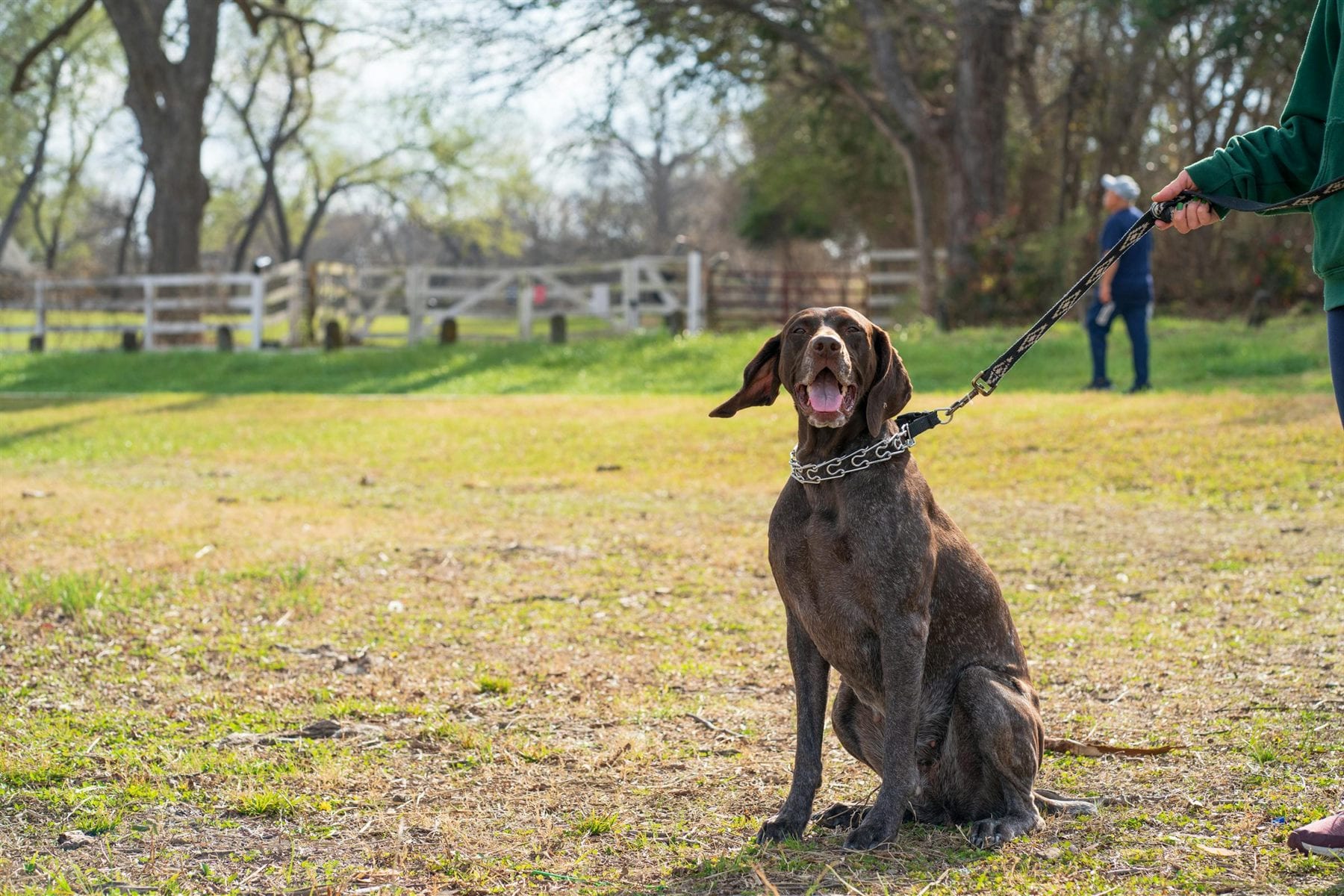
When a dog freezes on walks, it can feel like the whole world stops with them.
You are standing on the sidewalk with a leash in your hand. Your dog plants their feet, drops their weight, stares ahead, or refuses to take one more step. Maybe they look scared. Maybe they look blank. Maybe they were walking normally two seconds ago.
The clear answer: do not drag them forward. A dog who freezes is usually telling you that something about the walk has become too much, too confusing, or physically uncomfortable. Your job is to reduce pressure, read the situation, and help them move again in a way that feels safe.
Freezing can be part of leash reactivity, but it can also come from pain, heat, slippery surfaces, sudden noises, traffic, or a route that has become too overwhelming.
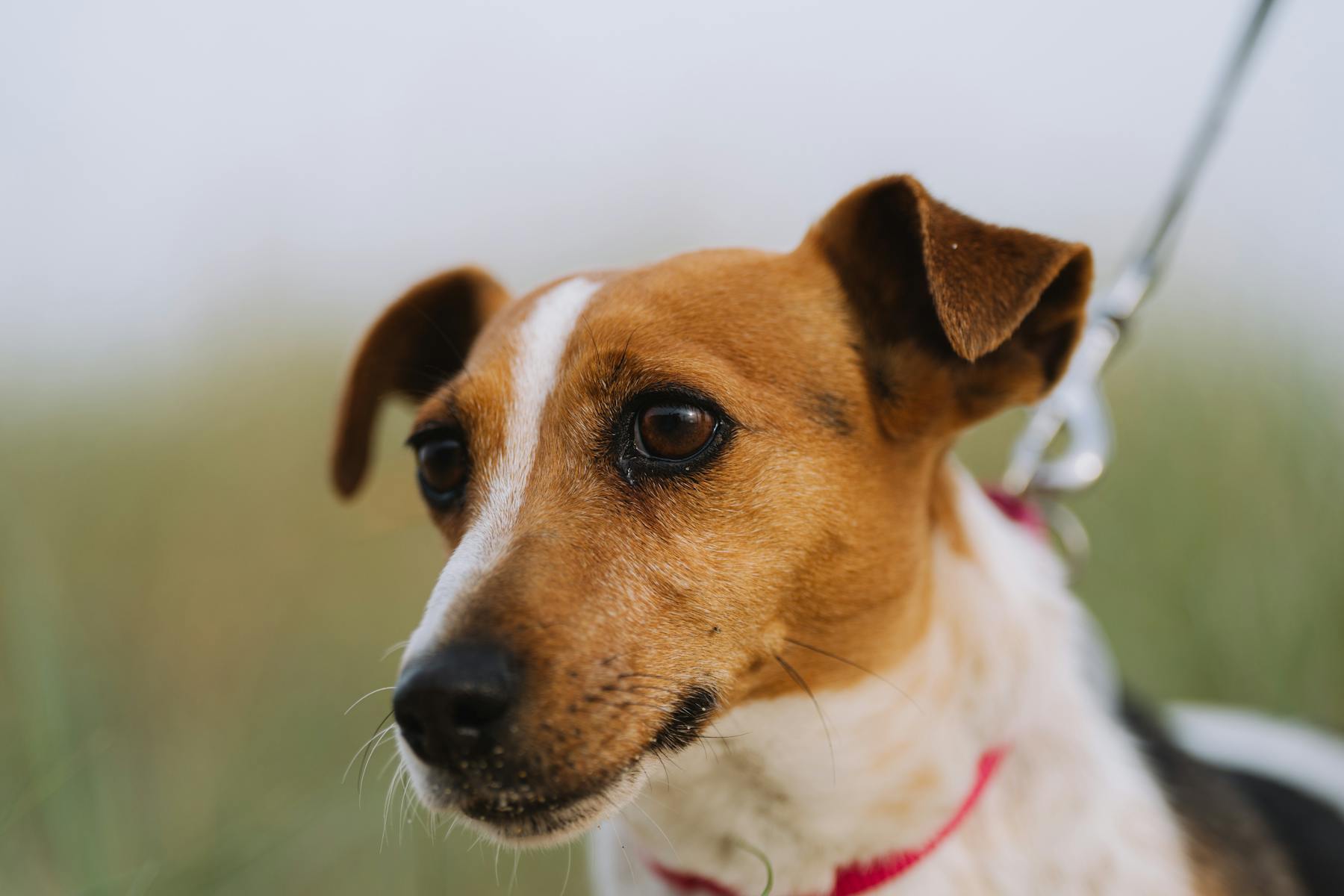
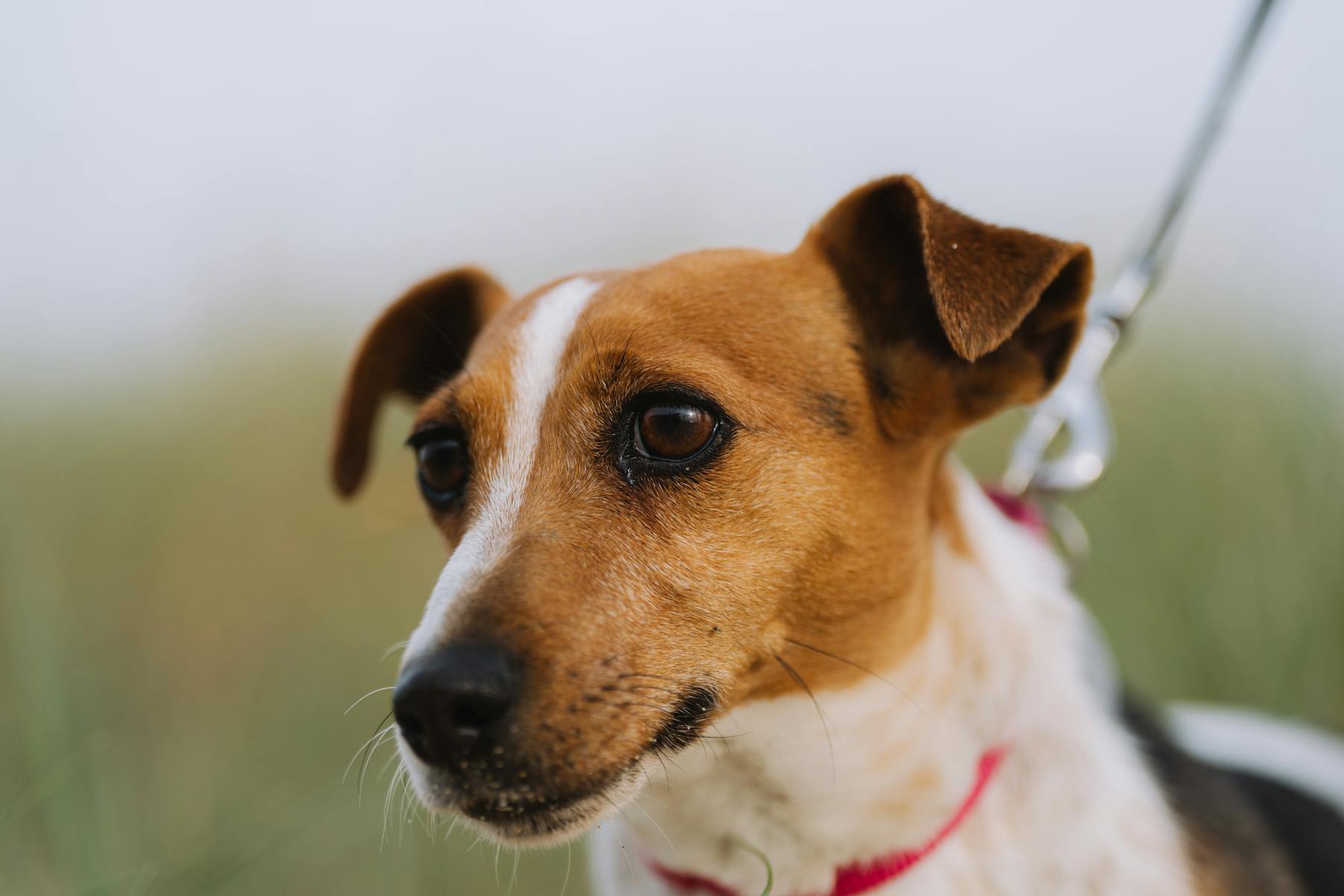
A frozen dog is not being difficult on purpose. A quiet pause, a soft leash, and a simple cue can be more helpful than pressure.
Why Dogs Freeze on Walks
Freezing is a pause response. Some dogs bark or lunge when they are overwhelmed. Others shut down, stop moving, or stare.
Your dog may freeze because:
- another dog is too close
- a person is approaching directly
- traffic, bikes, or scooters feel too intense
- the route is new or noisy
- the surface feels strange, hot, cold, or slippery
- they are tired, sore, or not feeling well
- they remember something stressful in that location
- the leash is tight and they feel trapped
- they are a young puppy still learning the outside world
Cornell University College of Veterinary Medicine describes reactive dogs as dogs who overrespond to normal stimuli because they are fearful, frustrated, anxious, or overstimulated. Freezing can be one version of that overresponse.
If your dog also barks or launches forward after freezing, read the guides on dog barking at other dogs on walks and dog lunging on leash. The freeze may be the early warning sign before the louder reaction.
Freezing Is Not the Same as Being Stubborn
It is tempting to think, "They just do not want to walk."
Sometimes that is partly true. A dog may stop because they want to sniff, go home, avoid rain, or choose a different path. But even then, pulling harder rarely improves the walk. It teaches the dog that stopping leads to pressure and conflict.
Before you label it stubbornness, ask:
- Did something appear ahead?
- Did the leash tighten?
- Did the dog hear a sound?
- Is the pavement uncomfortable?
- Is the dog tired or hot?
- Is this route associated with a stressful event?
- Can the dog take food?
- Can they turn their head or sniff?
Those answers tell you whether you are dealing with fear, discomfort, overarousal, learned avoidance, or a simple preference.
The First Rule: Do Not Drag
Dragging a frozen dog can make the problem worse.
It adds leash pressure to a moment where your dog already feels stuck. For some dogs, that pressure creates panic. For others, it makes the body brace harder. It can also damage trust if your dog is trying to say, "I cannot handle this."
Instead:
- Stop moving.
- Soften the leash if it is safe.
- Turn your body sideways instead of facing them head-on.
- Look around for the trigger.
- Give your dog a few seconds to gather information.
- Invite movement away from pressure, not toward it.
You can say "this way" and take one gentle step away from the scary thing. If your dog follows, reward immediately.
Check for Pain or Physical Discomfort
If freezing is new, sudden, or getting worse, start with health.
Call your veterinarian if freezing appears with:
- limping
- stiffness
- yelping
- paw licking
- reluctance on stairs
- sudden fatigue
- appetite change
- heat sensitivity
- unusual irritability
- refusing routes they used to enjoy
Pain can make normal leash pressure feel intense. A sore paw, pulled muscle, nail issue, digestive discomfort, ear pain, or vision change can all make a dog hesitate outside.
Training is useful, but it cannot fix a medical reason for stopping.
What to Do in the Moment
When your dog freezes, keep the plan simple.
1. Notice the Direction of Their Body
Where are they looking? What are their ears doing? Is their weight shifted backward? Are they leaning toward home, away from a dog, or toward a smell?
The body often tells you what the freeze is about.
2. Create Distance
If a dog, person, bike, truck, doorway, or noisy object is ahead, increase distance. Cross the street, turn around, step behind a parked car, or move toward grass.
If you live in a building and the freeze happens in tight shared spaces, use the route-planning steps in how to walk a reactive dog in an apartment complex.
3. Reward Any Small Release
Do not wait for a perfect walk.
Reward:
- a head turn
- one step toward you
- sniffing
- looking away from the trigger
- taking food
- softening the body
- choosing to follow your U-turn
Small releases are where the training starts.
4. Use a Treat Scatter
If your dog can eat, toss a few treats on the ground near you or slightly away from the trigger. Sniffing can lower intensity and help the body unlock.
Do not throw food toward the scary thing. You are not trying to lure your dog closer. You are helping them move into a safer state.
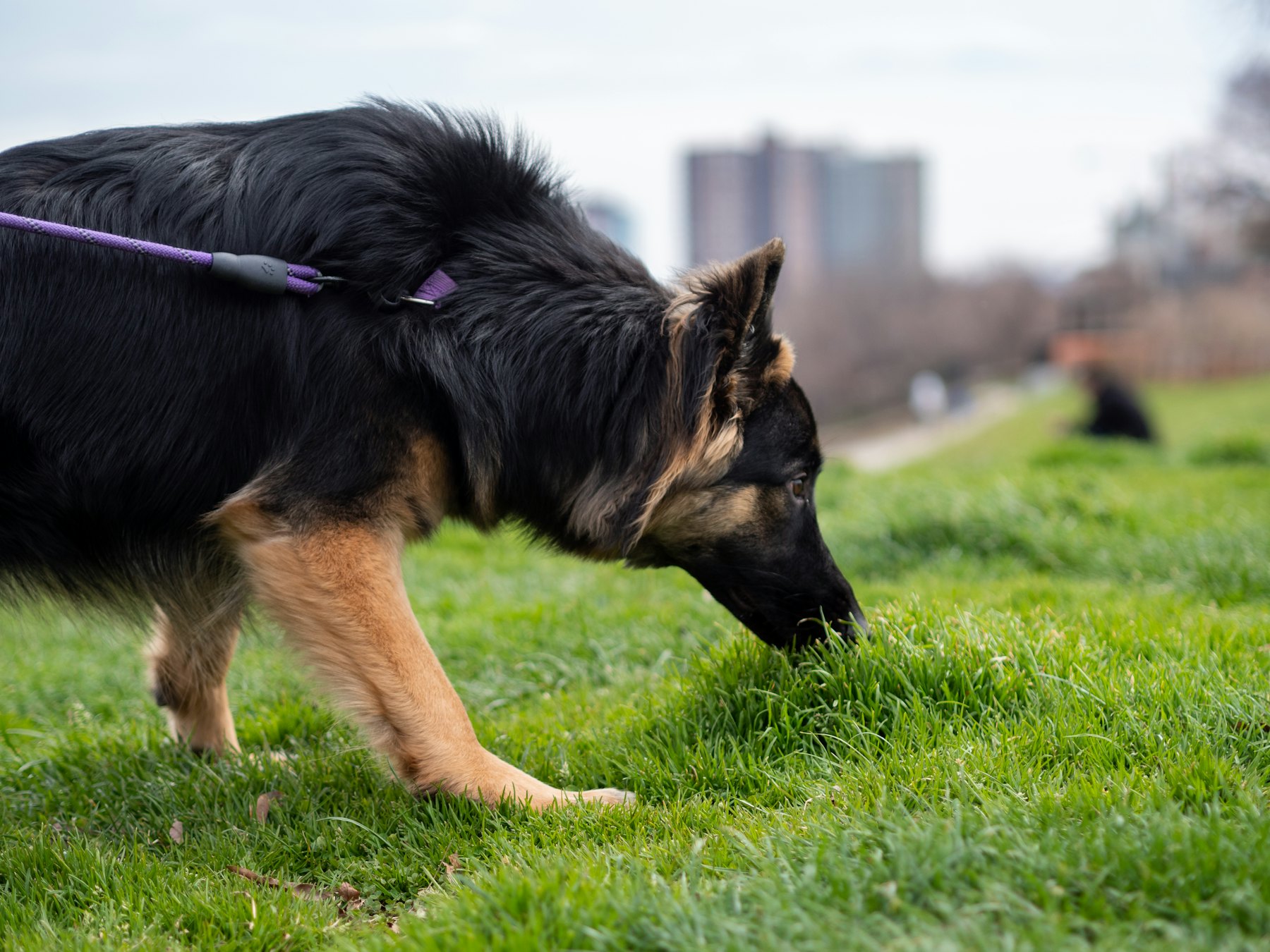
Sniffing can help a frozen dog breathe, gather information, and choose movement without being dragged.
If Your Dog Freezes Near Other Dogs
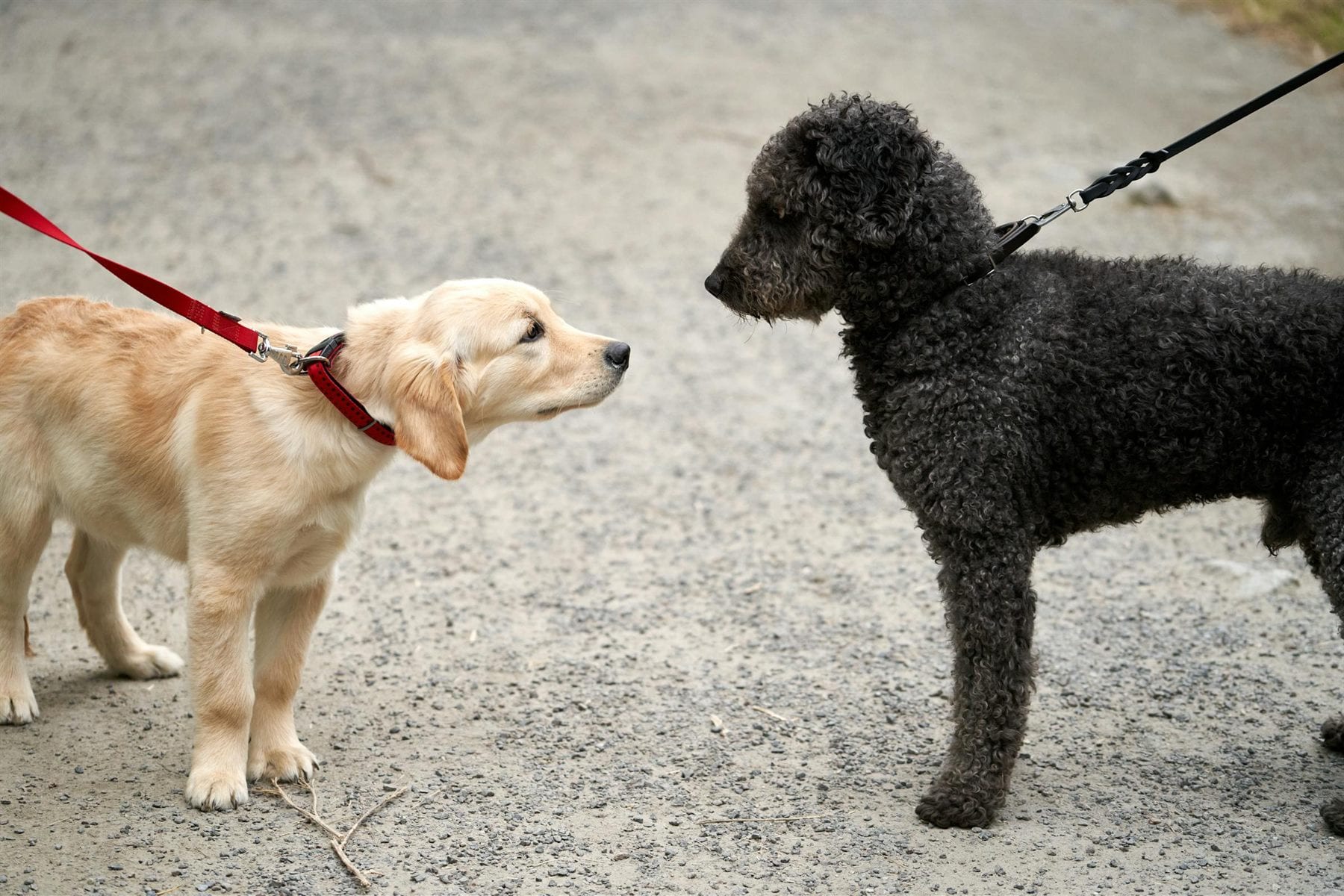
Freezing near dogs is important. It can be the quiet part before barking, growling, lunging, or trying to flee.
Do not let another dog approach while your dog is frozen.
Say, "Please give us space," then move away if you can. If the other person keeps coming, step behind a car, turn into a driveway, or put your body between your dog and the approaching dog while you leave.
Avoid tight face-to-face greetings. A frozen dog is not ready for a polite hello.
For dogs who freeze first and then explode, use the broader reactive dog training plan. The goal is to work at a distance where your dog can notice the dog and still move, sniff, eat, or look back.
If Your Puppy Freezes on Walks
Puppies often freeze because the outside world is huge.
Cars, trash cans, strangers, dogs, wind, doorways, and surfaces can all be new. A puppy who stops is not failing leash training. They are processing.
Keep puppy walks short and easy. Let them watch from a distance. Reward curiosity. Carry them away if the environment is too much and they are small enough to be carried safely.
Do not force a puppy to march through fear. Confidence grows through safe exposure, not pressure.
Route Choices That Help
A frozen dog usually does better with lower-pressure routes.
Try:
- wider sidewalks
- quiet side streets
- open grassy edges
- familiar loops
- fewer blind corners
- walking at quieter times
- turning around before known problem spots
- short sniff walks instead of long route goals
If your dog freezes at the same corner every day, that corner is information. Something about it is too hard right now. Change the route for a week and practice easier wins.
For dogs who freeze because they are already overstimulated before leaving the house, pair this with the doorway routine in stop dog pulling on leash.
Common Mistakes
Pulling the Dog Forward
This can increase panic, bracing, or shutdown.
Waiting Until the Dog Explodes
If your dog freezes, stares, and stiffens, you are already seeing the warning signs. Move sooner.
Asking for a Sit Near the Trigger
A sit can help some dogs, but many frozen dogs need movement and distance more than stillness.
Practicing in the Hardest Places
Busy sidewalks, narrow paths, elevators, and crowded parks are advanced. Start where your dog can still think.
Ignoring Sudden Changes
If your dog used to love walks and now refuses, check health, pain, weather, surfaces, and recent stressful events.
Breed-Specific Notes
Any breed can freeze on walks.
Herding breeds may freeze and stare when motion catches their attention. Guardian breeds may stop when strangers approach directly. Small dogs may freeze because the world is physically close and people often crowd them. Sensitive sporting breeds and sighthounds may become overwhelmed by noise, movement, or unfamiliar surfaces.
Breed traits can help you read the pattern, but they do not replace the plan: reduce pressure, create distance, reward small movement, and choose easier routes.
When to Call a Professional
Call a qualified reward-based trainer or behavior consultant if:
- your dog freezes on most walks
- they cannot recover after stopping
- they freeze and then bark or lunge
- they redirect onto the leash or handler
- they refuse to leave the home
- the behavior is getting worse
- you feel unsafe or stuck
Call your veterinarian first if the freezing is sudden, paired with physical symptoms, or out of character.
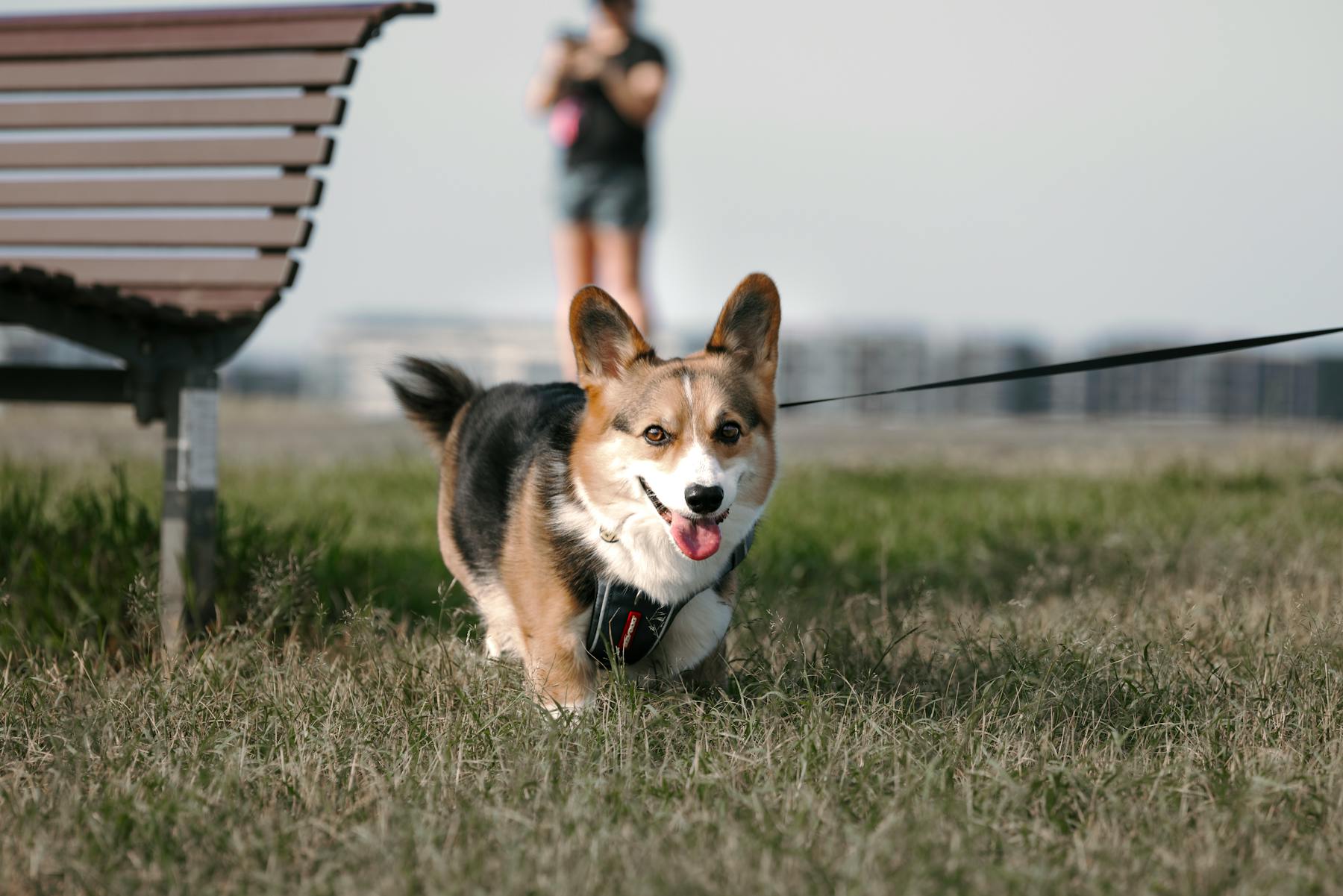
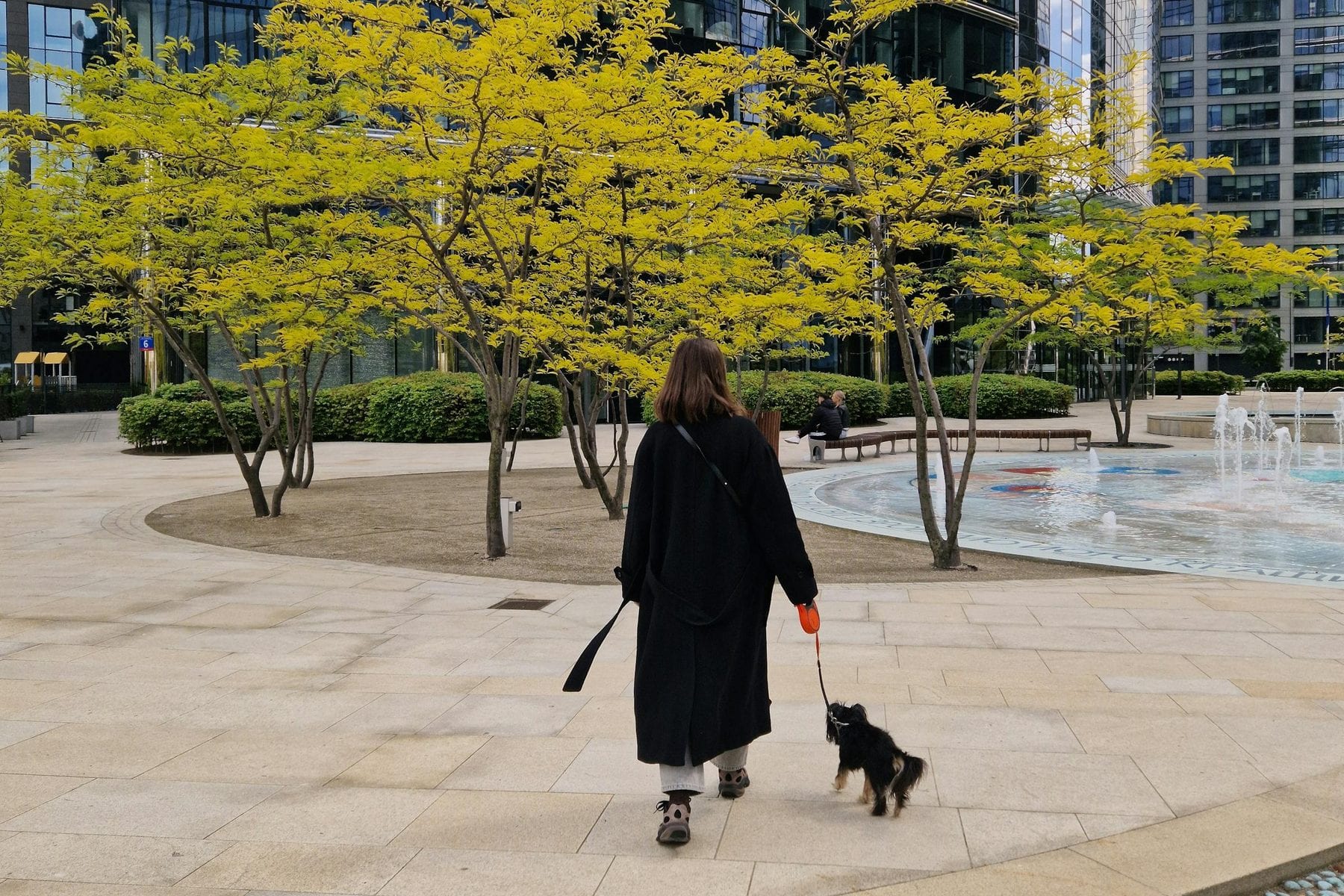
Quiet sniffing routes help many dogs recover confidence after walks have become too pressured.
FAQ
Why does my dog freeze on walks?
Dogs freeze because they are unsure, scared, overwhelmed, physically uncomfortable, overstimulated, or over threshold around a trigger. Watch what happens right before the freeze.
Should I pull my dog when they stop walking?
No. Pulling can make the dog brace harder or feel less safe. Soften the leash, check the environment, create distance, and reward small movement.
What if my dog freezes and stares at another dog?
Increase distance. Freezing and staring can come before barking or lunging. Do not allow a greeting while your dog is stuck and tense.
Is my dog freezing because they are tired?
Maybe. Fatigue, heat, soreness, and long walks can all cause stopping. If it is new or unusual, consider a vet check.
How do I get my dog to walk again?
Turn sideways, invite a U-turn, toss a few treats near you, move toward grass, or choose a quieter route. Reward the first small step.
Can treats make freezing worse?
Treats do not cause fear, but timing matters. Use food to reward small releases or create a sniffing break. Do not lure your dog closer to something they are afraid of.
Can this improve?
Yes. Many dogs freeze less when walks become more predictable, lower pressure, and better matched to their threshold.