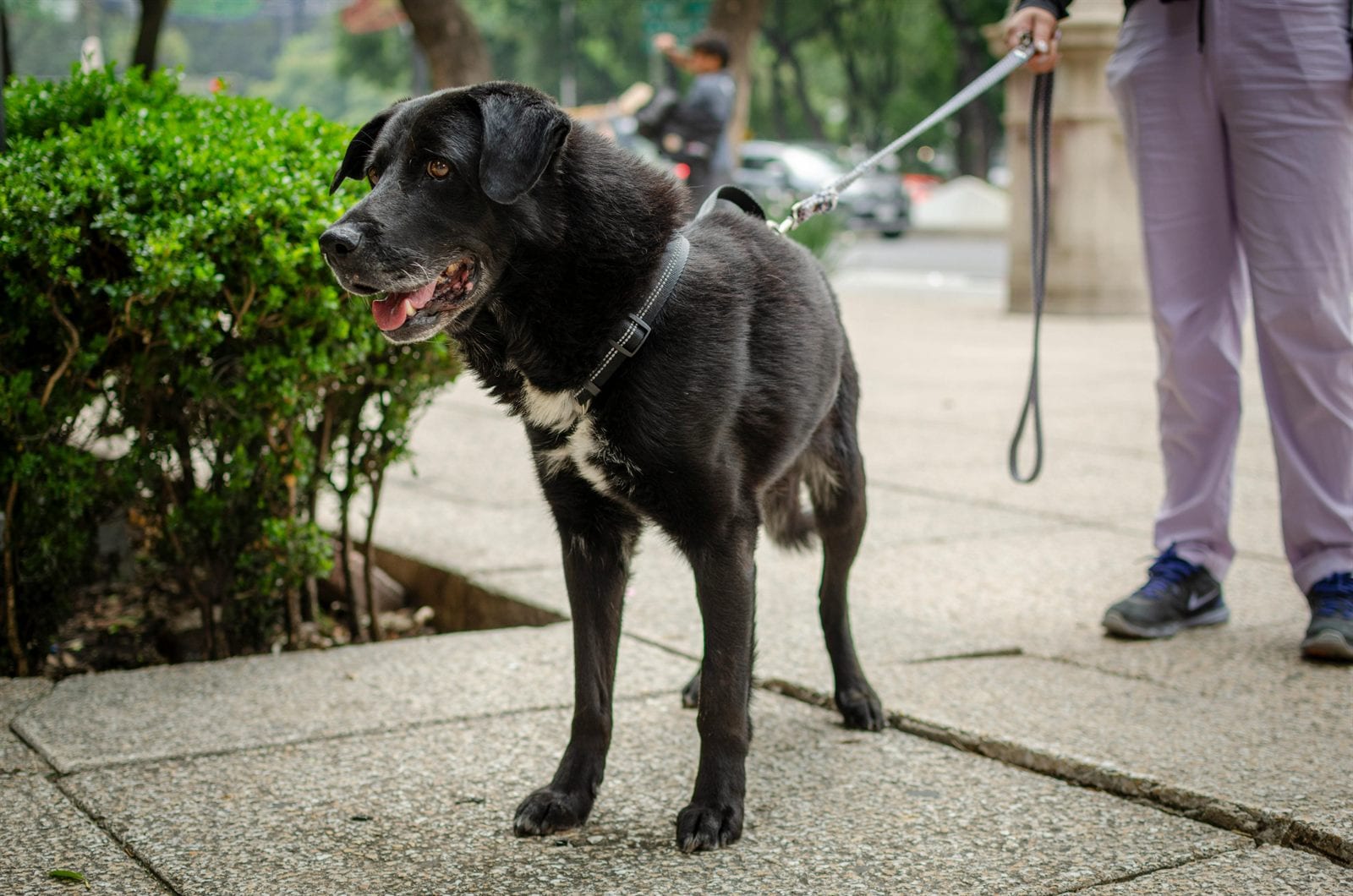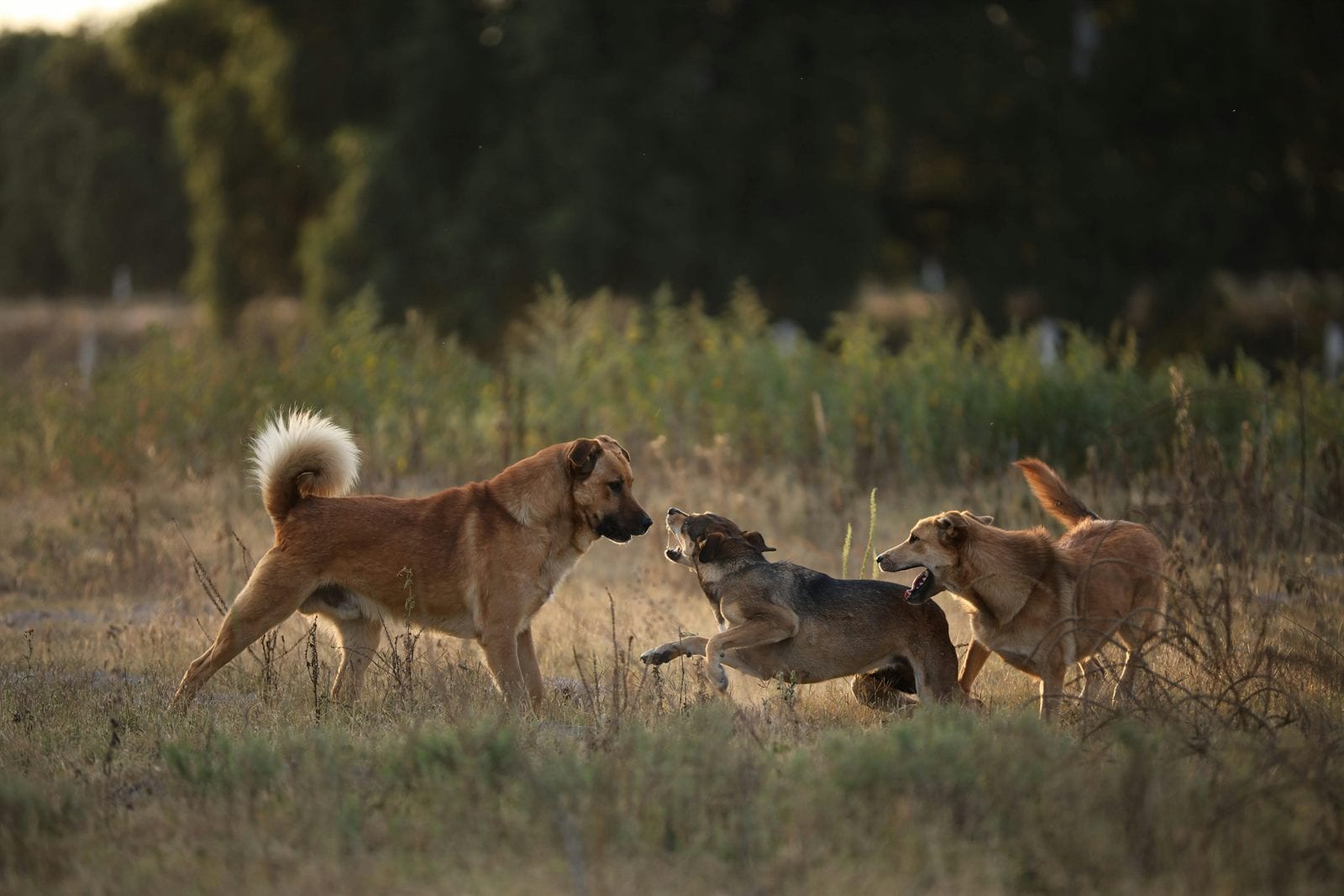
This is the start-here page for the Dogs Index reactive dog library.
If your dog barks, lunges, freezes, growls, spins, pulls, stares, panics, chases bikes, reacts to cars, or loses control around other dogs, you do not need one giant generic answer. You need the right next guide for the exact problem in front of you.
Reactive dog training starts with distance, management, body language, and reward timing. The details change depending on whether your dog is scared, frustrated, overstimulated, trapped by an apartment hallway, or already over threshold before the walk begins.
Use this hub as a map. Find your dog's main pattern, read the matching guide, then add the support skills that make daily walks safer.
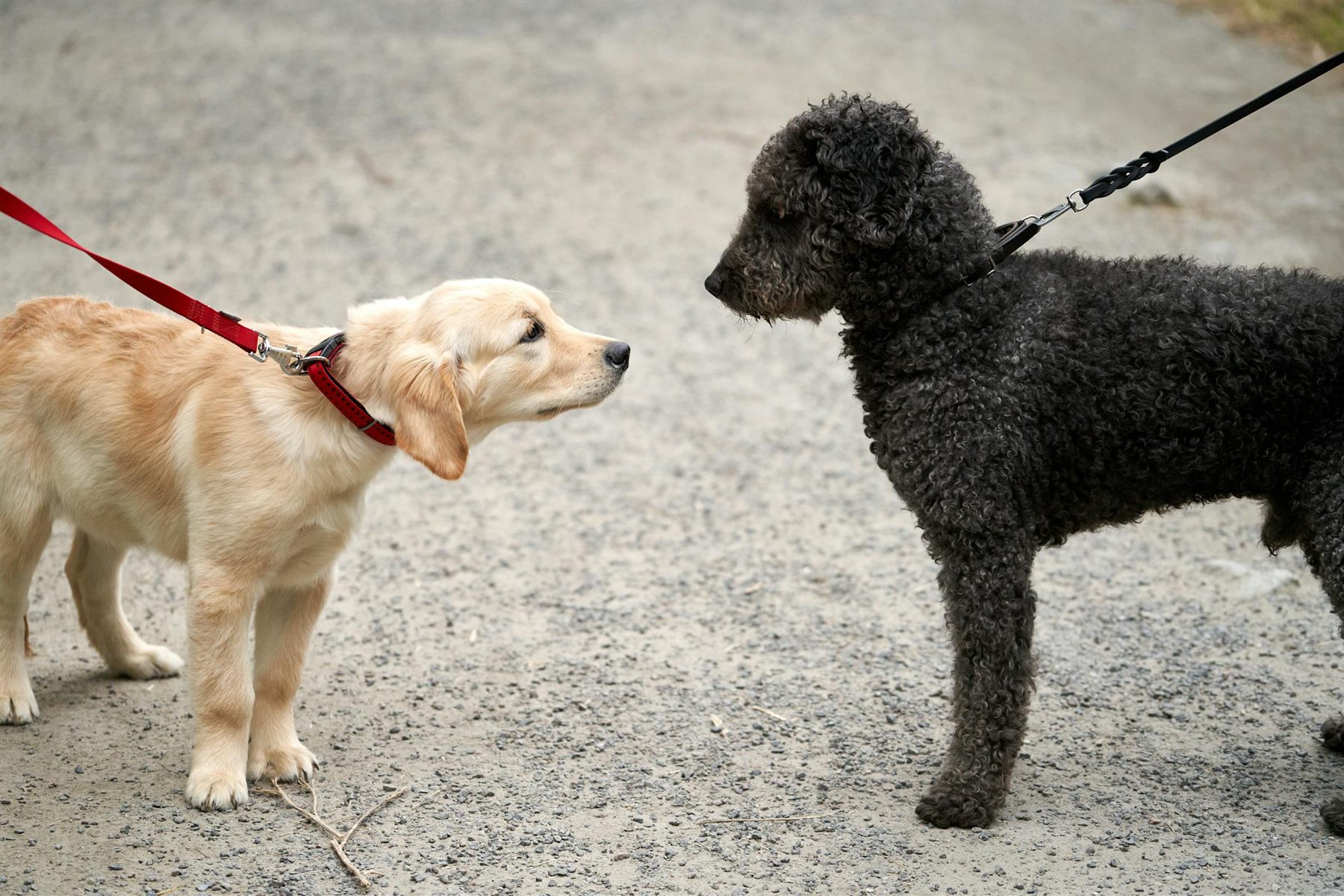
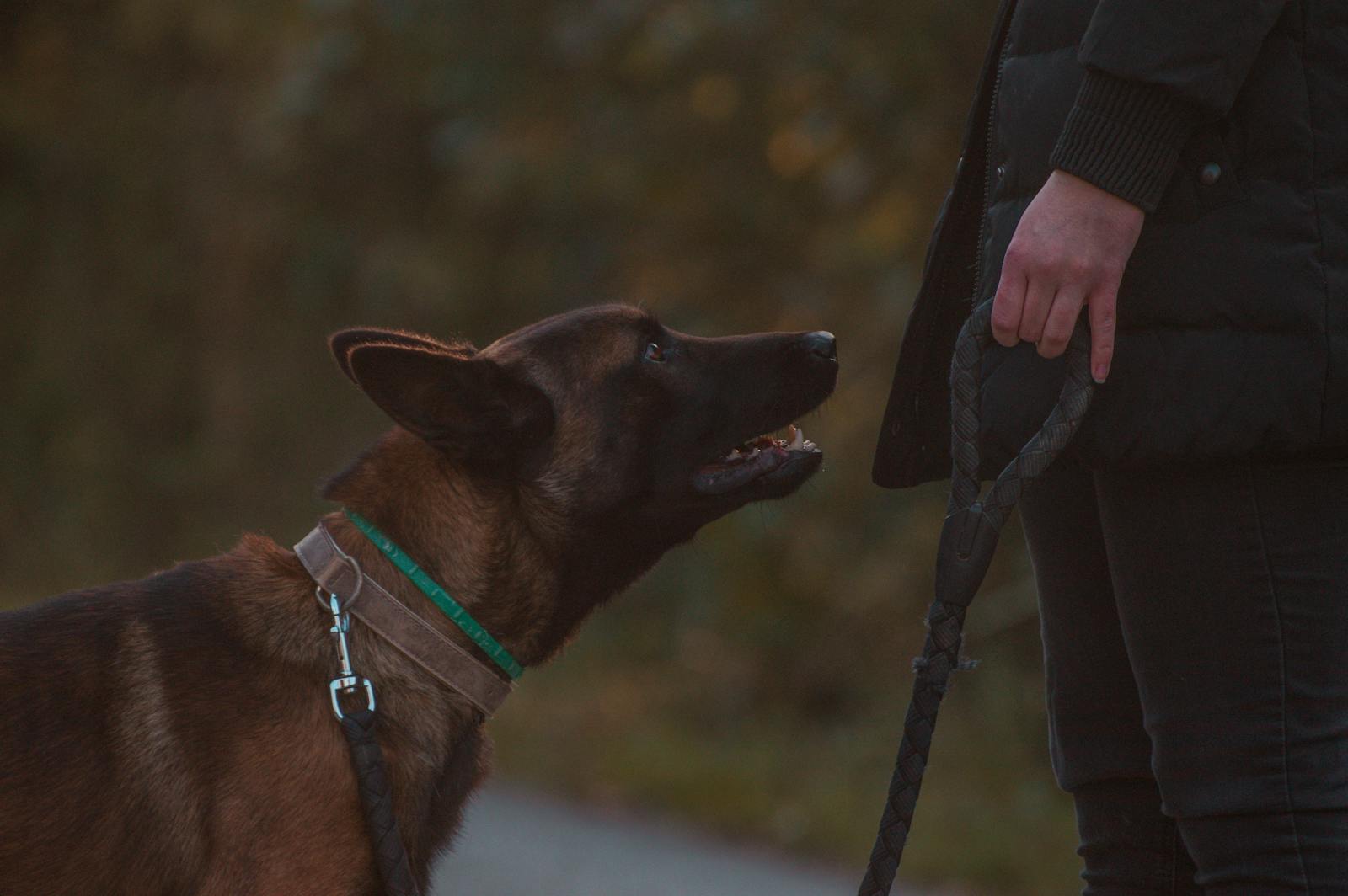
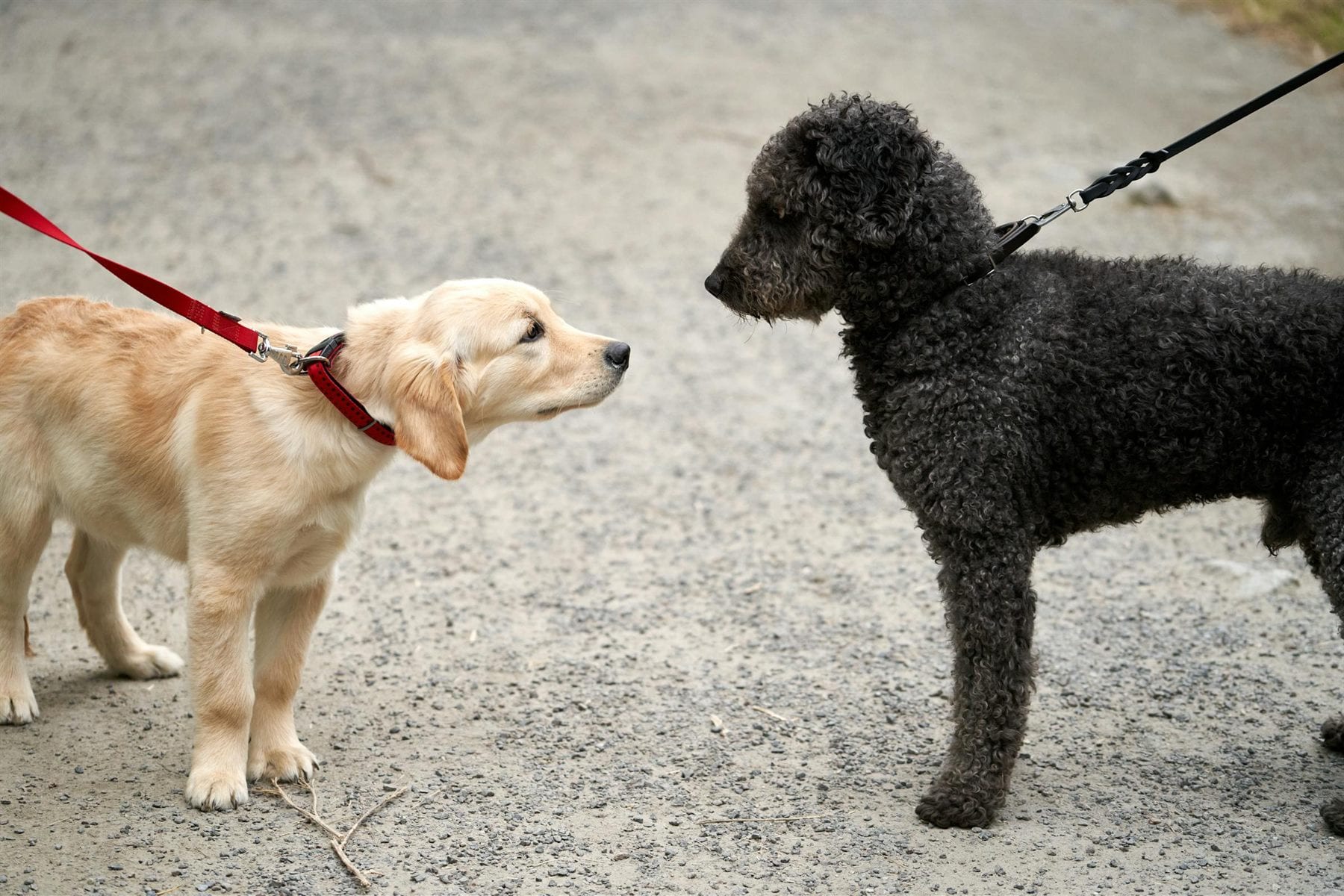
Reactive dog work starts with the distance where your dog can notice a trigger and still think.
Start With the Behavior You Actually See
Reactive dogs do not all need the same first article.
Choose the closest match:
- If your dog barks at dogs, read dog barks at other dogs on walks.
- If your dog launches forward, read dog lunging on leash.
- If your dog stops and cannot move, read dog freezes on walks.
- If your dog reacts mostly to people, read dog barks at strangers on walks.
- If your dog is social off leash but explosive on leash, read dog fine off leash but reactive on leash.
That first choice matters. A frustrated greeter, a fearful dog, and a dog who freezes in traffic may all look "reactive," but the safest starting plan is not identical.
For the broad foundation, use reactive dog training.
Learn Threshold Before You Push Closer
Threshold is the line between "my dog can notice and learn" and "my dog is reacting."
Under threshold, your dog may:
- eat treats
- sniff
- turn away
- respond to their name
- move with you
- look at the trigger and look back
Over threshold, your dog may:
- bark
- lunge
- freeze
- growl
- refuse food
- hard stare
- spin
- pull with their whole body
Read reactive dog threshold early. It will make every other guide easier to use.
The practical rule is simple: if your dog is already exploding, training is late. Create distance first.
If Walks Are Tight or Urban
Some reactive dogs are not training in an open field. They are training in apartment hallways, lobbies, elevators, parking lots, shared courtyards, and narrow sidewalks.
Those environments need more management.
Use:
- how to walk a reactive dog in an apartment complex
- emergency U-turn for reactive dogs
- stop dog pulling on leash
The goal is not to prove your dog can handle every close pass. The goal is to prevent repeated blowups while you build calmer patterns.
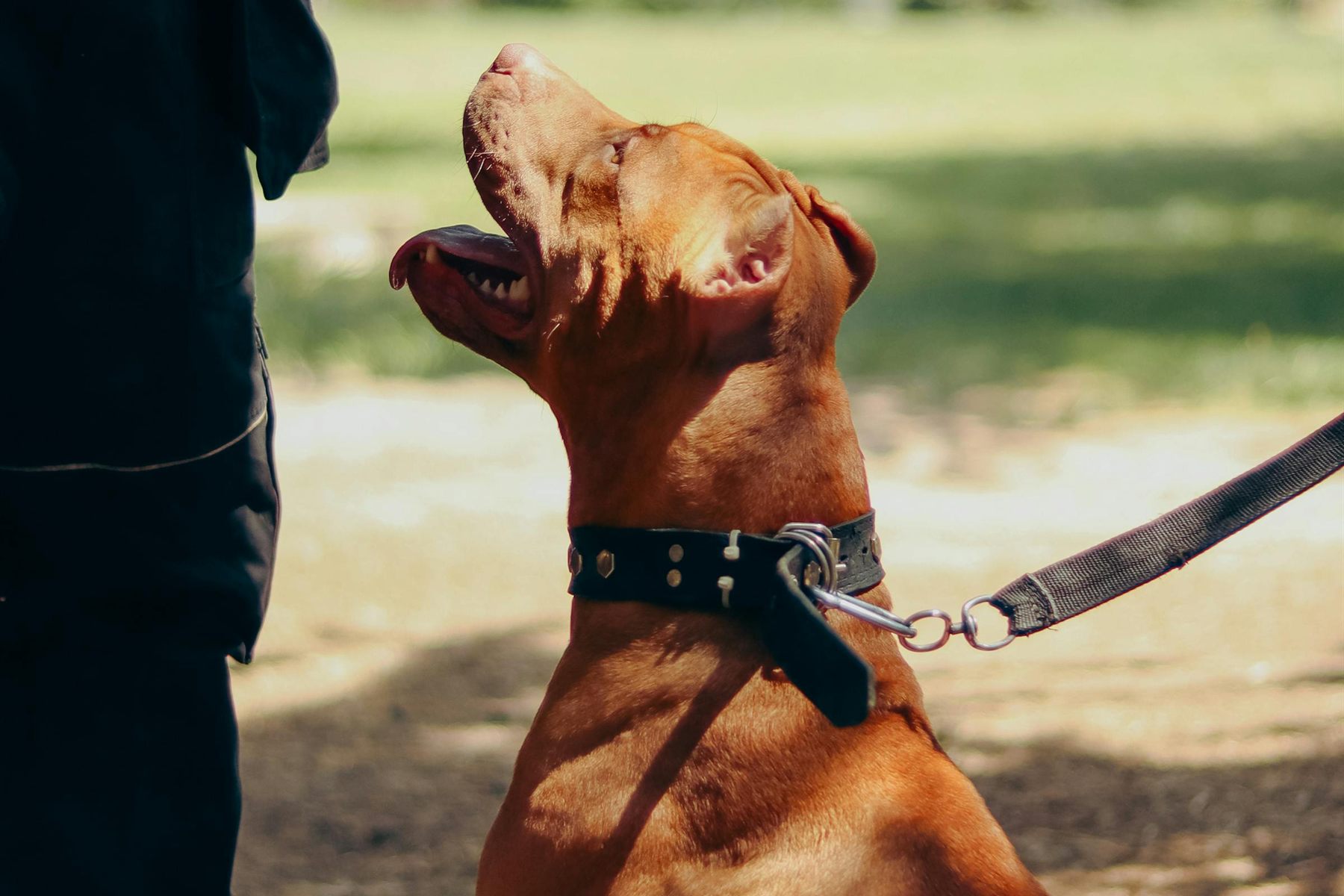
Focus and calm body language are easier to build before the trigger is close enough to overwhelm the dog.
If Movement Triggers the Reaction
Fast movement can create chase, fear, startle, or frustration.
Use the focused movement-trigger guides:
These dogs often need earlier turns, wider routes, and better sight lines. Waiting until the bike or car is beside you is usually too late.
If Home Triggers Add to the Problem
Reactive behavior is not only a sidewalk issue.
Some dogs spend the day barking out windows, rushing the doorbell, or reacting to hallway sounds. That arousal can carry into walks.
Use:
If your dog starts the walk already wired, the walk will be harder. Reducing home rehearsals can make outdoor training more realistic.
Support Skills That Help Almost Every Reactive Dog
Some articles support the whole cluster.
Read these when you need better tools:
- best treats for reactive dog training
- emergency U-turn for reactive dogs
- decompression walks for reactive dogs
- what not to do with a reactive dog
These are not side topics. Treat timing, exit skills, recovery walks, and avoiding common mistakes often determine whether the main training plan works.
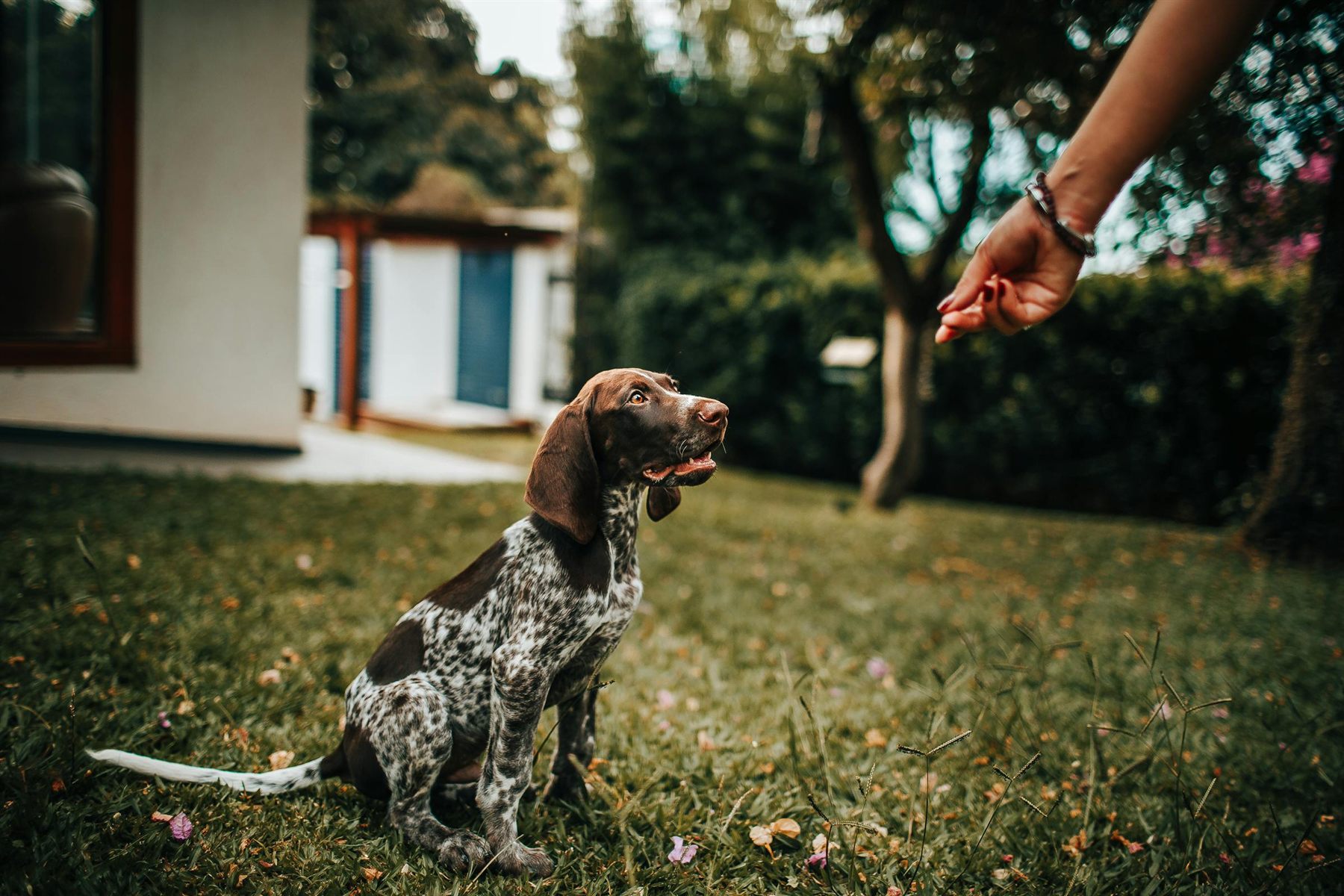
Reward the moment your dog can still think. Once the reaction is already happening, create space first.
What About Daycare and Dog Parks?
If you are considering daycare, dog parks, or more dog exposure to "socialize" your reactive dog, slow down.
Read can a reactive dog go to daycare before making that decision.
More exposure is not automatically better. For some reactive dogs, busy dog spaces create more rehearsal, more stress, and worse leash behavior. Some dogs need smaller controlled setups, one-on-one care, decompression walks, or no group dog environment at all.
A Simple Reading Order
If you are not sure where to start, use this order:
- Reactive dog training
- Reactive dog threshold
- The guide that matches your main symptom: barking, lunging, freezing, pulling, people, bikes, cars, apartment walks, window barking, or doorbell barking.
- Best treats for reactive dog training
- Emergency U-turn for reactive dogs
- Decompression walks for reactive dogs
- What not to do with a reactive dog
You do not have to read everything in one day. Start with the article that makes tomorrow's walk safer.
When to Get Professional Help
Get qualified help if your dog:
- has bitten or nearly bitten
- redirects onto you
- lunges toward traffic
- overpowers you on leash
- panics or freezes and cannot recover
- reacts at very long distances
- becomes worse despite easier routes
- makes walks feel unsafe
Look for a reward-based trainer, certified behavior consultant, veterinary behaviorist, or veterinarian who takes distance, thresholds, body language, and safety seriously.
Do not work with someone who wants to fix reactivity by flooding the dog, forcing greetings, using shock collars, or punishing warning signs.
FAQ
Where should I start with a reactive dog?
Start with the behavior you see most often. If your dog barks at dogs, start there. If they lunge, freeze, or react in apartment spaces, choose that specific guide first.
Is a reactive dog aggressive?
Not always. Reactivity can come from fear, frustration, anxiety, excitement, or feeling trapped. It still needs careful handling because it can become unsafe.
What is the first rule for reactive dog walks?
Use distance. Your dog should be far enough from the trigger that they can still eat, move, sniff, or turn away.
Should I let my reactive dog greet other dogs?
Usually not during active reactivity work. Random leash greetings are often too close and too intense. Use controlled setups when your dog is ready.
What if treats do not work?
Your dog may be too close, too stressed, or using food that is not valuable enough for the environment. Increase distance first.
Can reactive dogs improve?
Yes. Many dogs improve with management, distance, reinforcement, recovery, and consistent handling. Some need professional or veterinary behavior support.