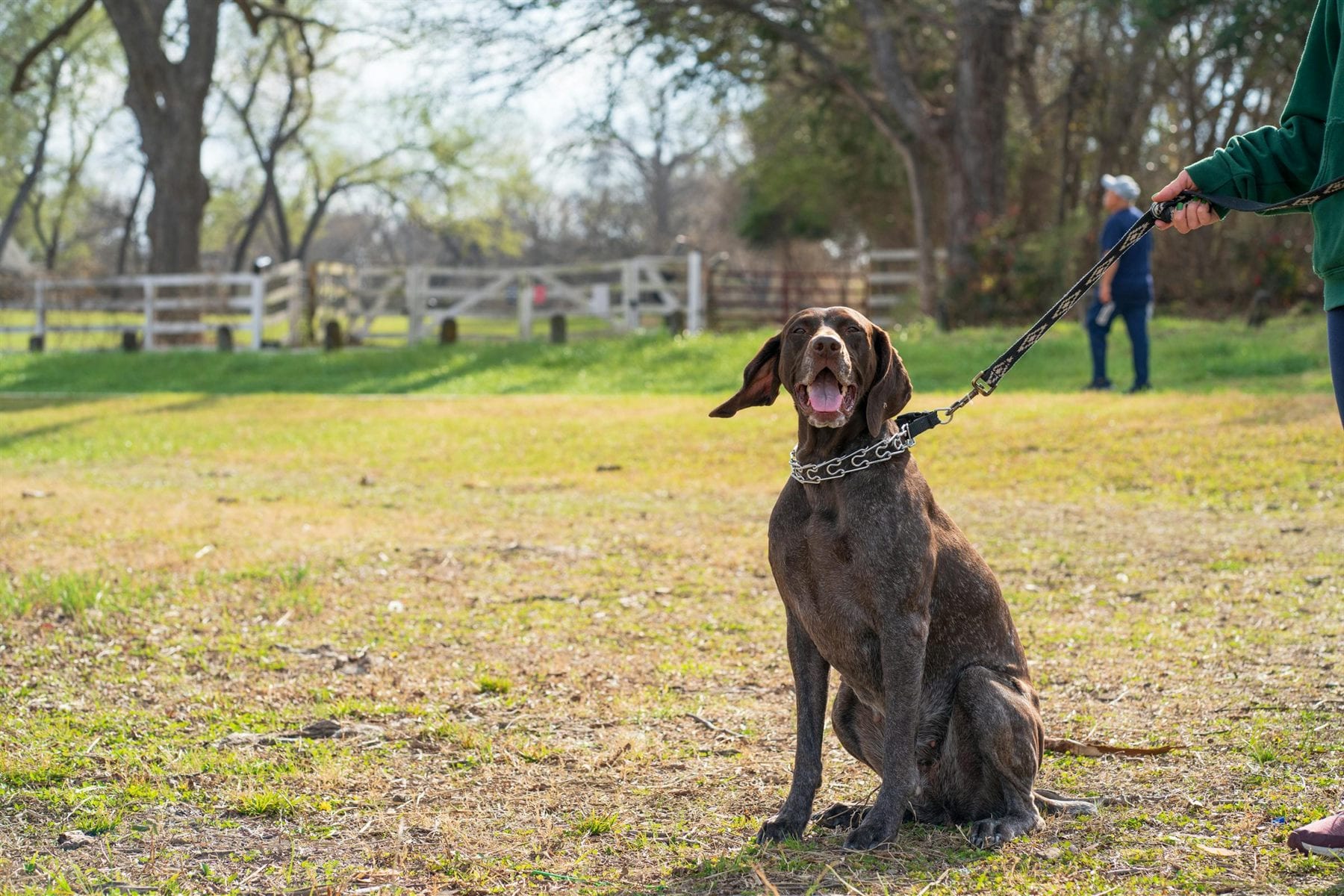

Dog daycare sounds like an easy answer when you live with a reactive dog.
Your dog has energy. Walks are stressful. You hope that a few hours of play will tire them out, improve social skills, and make evening walks easier.
The clear answer: some reactive dogs can go to daycare, but daycare is not automatically safe or helpful. It depends on why your dog reacts, how they handle groups, how quickly they recover, and whether the facility uses careful management instead of tossing every dog into one busy room.
Daycare is not a cure for reactivity. It is an environment. For the right dog in the right setup, it may be useful. For the wrong dog, it can make barking, lunging, frustration, fear, and stress worse.

A good daycare match is not just "dogs playing." It is the right dogs, in the right group, with staff who can read body language.
First: What Kind of Reactive Dog Do You Have?
"Reactive" is not one single behavior.
Your dog might react because they are:
- frustrated and want to reach dogs
- scared of dogs approaching
- overwhelmed by busy spaces
- protective near you, the car, or home
- sensitive to fast movement
- uncomfortable with rude play
- fine with one dog but not groups
- stressed by gates, lobbies, or entrances
That pattern matters.
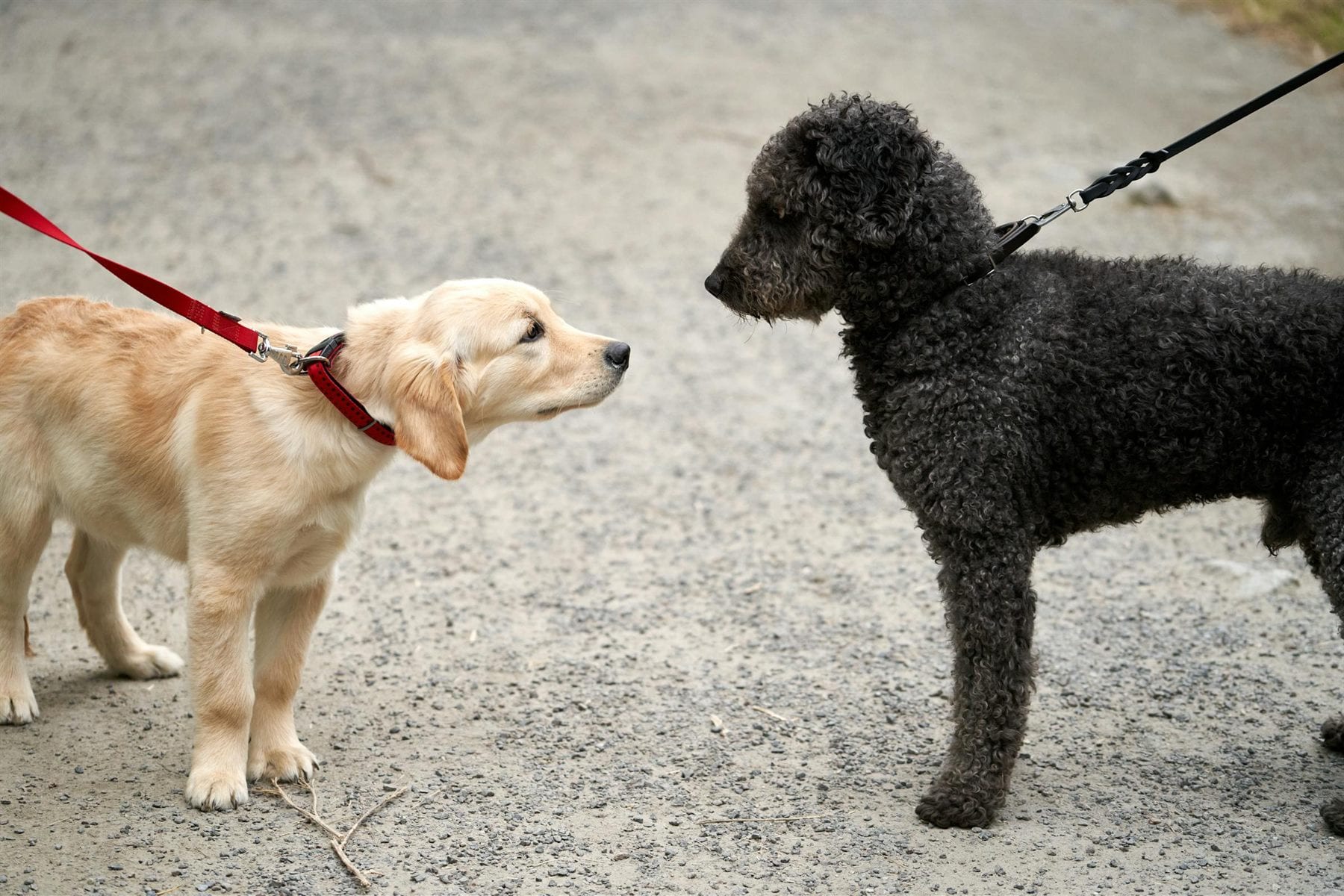
A leash-frustrated dog who plays loosely with familiar dogs may have a different daycare outlook than a dog who freezes, hides, guards space, or snaps when dogs crowd them.
If your dog is fine off leash but reactive on leash, start with dog fine off leash but reactive on leash. Daycare may not fix that pattern. It may even teach your dog that dogs are always available, which can make leash frustration harder.
When Daycare Might Be a Good Fit
Daycare may be worth exploring if your dog:
- has no bite history
- enjoys dogs in controlled settings
- can disengage from play
- recovers after excitement
- responds to staff or handlers
- does not guard toys, food, gates, or people
- has done well with one or two familiar dogs
- becomes calmer after appropriate social time
Even then, start small.
A short evaluation or half day is more useful than a full day of nonstop play. Many reactive dogs do not need eight hours of dog interaction. They need a carefully matched setup and enough rest to avoid tipping into overstimulation.
The IAABC Foundation Journal notes in a shelter playgroup context that not every dog is suitable for playgroups, and forcing unsuitable dogs into group play can harm their skills. That principle applies to daycare too: group play should fit the dog, not the owner's hope.
When Daycare Is a Bad Idea
Avoid daycare, or pause it, if your dog:
- has bitten or seriously injured another dog
- redirects onto people or the leash when stressed
- panics when dogs approach
- pins, chases, or bullies softer dogs
- guards spaces, handlers, toys, or water bowls
- cannot settle after play
- comes home wired instead of tired
- becomes more reactive after daycare days
- hides, freezes, or clings at drop-off
Daycare can also be a poor fit for dogs who are easily overwhelmed by noise. A room full of barking, running, wrestling, and gate movement can keep a reactive dog above threshold for hours.
If your dog's main issue is barking or lunging at dogs on walks, use why dogs bark at other dogs on walks as your main training plan. Daycare should not replace that work.

Group size matters. A crowded room can be too much for dogs who need space, predictable movement, or slower introductions.
Questions to Ask Before a Trial Day
Do not ask only, "Do you take reactive dogs?"
Ask how they handle reactive dogs.
Good questions include:
- How do you assess new dogs?
- Do you separate dogs by size, play style, and energy?
- How many dogs are in each group?
- How many staff members supervise each group?
- Do dogs get rest breaks?
- What happens if my dog hides, freezes, barks, or guards space?
- Do you use crates, suites, pens, or private rooms for breaks?
- Are toys, food, or high-value items used in group play?
- What vaccinations do you require?
- Can I start with a short evaluation instead of a full day?
- Will you tell me if daycare is not a good fit?
That last question matters. You want a facility honest enough to say no.
The BC SPCA advises owners to consider cleanliness, sanitation, vaccination requirements, safe design, supervision, and how dogs are grouped when choosing daycare. Those basics are especially important when your dog already struggles with arousal or stress.
Red Flags
Be cautious if a daycare says:
- "All dogs work it out."
- "They just need to be socialized."
- "We don't do rest breaks."
- "The group is big, but they're fine."
- "We use correction collars if needed."
- "Barking and pinning are normal play."
- "You won't know how he does until we throw him in."
Also be careful with facilities that cannot explain their assessment process, cannot describe stress signals, or make you feel guilty for asking behavior questions.
Reactive dogs need thoughtful handling. They do not need flooding, punishment, or chaos disguised as socialization.
The IAABC Standards of Practice reject methods that rely on pain, fear, or intimidation. If a daycare uses leash jerks, shock collars, intimidation, or rough handling to manage group play, it is not the right place for a reactive dog.
What a Good Trial Looks Like
A good trial day is boring in the best way.
Your dog should be introduced gradually, not rushed into a large group. Staff should watch body language, adjust the group, and give breaks before your dog is exhausted.
Good signs include:
- your dog can sniff and move away
- play has pauses
- dogs take turns
- staff interrupt rising tension early
- your dog can rest between sessions
- your dog leaves without looking frantic
- your dog recovers normally at home
Do not judge success only by photos of your dog running. Look at recovery.
After daycare, your dog should be able to sleep, eat, potty normally, and return to normal behavior. If they are irritable, clingy, jumpy, sore, unusually quiet, or more reactive on walks, the day may have been too much.
Daycare Can Make Leash Frustration Worse
This is one of the most common surprises.
A dog who loves daycare may still become worse on leash.
Why? Because daycare can teach the dog that other dogs mean access, play, chasing, and contact. Then normal walks feel unfair. The dog sees a dog across the street and thinks, "Why can't I get there?"
That does not mean daycare caused all the reactivity. But it can feed the expectation.
If your dog pulls toward every dog, keep working on dog fine off leash but reactive on leash and stop dog pulling on leash. Your dog needs to learn that dog sightings on leash predict calm rewards and movement, not automatic greetings.
Rest Is Not Optional
Reactive dogs need recovery time.
Constant play can look fun from a webcam, but many dogs become overtired, snappy, frantic, or unable to settle. A good facility should be able to explain how dogs rest.
Rest can look like:
- crate breaks for crate-comfortable dogs
- private rooms
- quiet pens
- nap rotations
- short play sessions
- lower-energy groups
- one-on-one human time
Rest should not be used as punishment. It should be part of the schedule.
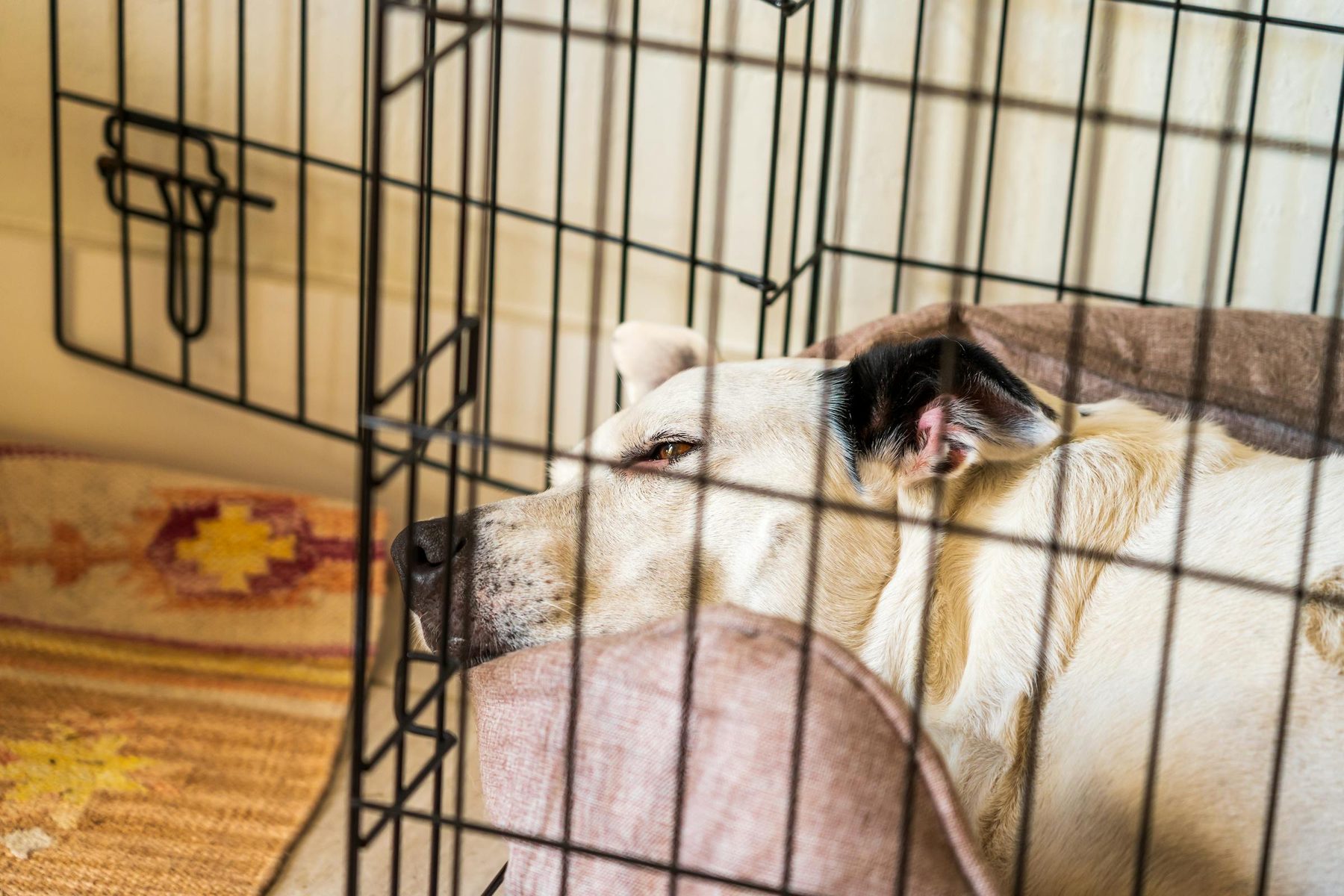
For many reactive dogs, planned rest is what keeps social time from turning into overstimulation.
Safer Alternatives to Daycare
If daycare is too much, you still have options.
Consider:
- a dog walker who avoids triggers
- a sitter who offers one-on-one care
- decompression walks on quiet routes
- sniff walks on a long leash in legal safe areas
- enrichment toys before or after work
- controlled playdates with one known dog
- training sessions around dogs at a safe distance
- a day-training program with a qualified trainer
For apartment dogs, the plan in how to walk a reactive dog in an apartment complex may reduce the daily pressure more than daycare would.
If treats stop working on walks, read best treats for reactive dog training. Food refusal often means the environment is too hard, not that the dog is impossible to train.
Breed-Specific Notes
Any breed can struggle in daycare.
Herding breeds may chase movement or police other dogs. Terriers may escalate quickly in rough play. Guardian breeds may dislike chaotic groups or dogs rushing into their space. Sporting breeds may become overexcited and struggle to stop. Small dogs may be overwhelmed by larger dogs even when they are socially interested.
Breed traits do not decide the answer by themselves. Watch the individual dog: body language, recovery, play style, and stress signals.
When to Call a Professional
Talk with a qualified reward-based trainer, certified behavior consultant, or veterinary behavior professional before daycare if:
- your dog has a bite history
- your dog lunges hard at dogs
- your dog redirects onto you
- your dog freezes or panics near dogs
- your dog guards resources
- your dog cannot recover after dog sightings
- your dog has gotten worse after daycare or dog parks
A professional can help you decide whether daycare is realistic, what kind of setup to look for, and what alternatives would meet your dog's needs with less risk.
FAQ
Can a reactive dog go to daycare?
Some can, but not all. A reactive dog needs a careful assessment, appropriate group matching, rest, trained staff, and a facility willing to say no if the setup is unsafe.
Is daycare good for leash reactive dogs?
Not automatically. Some leash-frustrated dogs enjoy off-leash play, but daycare can also increase the expectation that every dog should be reachable.
Should I use daycare to socialize my reactive dog?
No, not as a flooding plan. Reactive dogs need controlled, gradual exposure with choice and safety. A busy daycare room is too intense for many dogs.
What should I ask a daycare before sending my reactive dog?
Ask about assessment, group size, staff ratios, rest breaks, vaccination rules, behavior training, dog matching, and what they do when a dog is overwhelmed.
How do I know daycare is too much?
Watch your dog after pickup. Red flags include irritability, frantic energy, unusual quietness, worse leash reactivity, hiding, soreness, clinginess, or poor sleep.
What is better than daycare for a reactive dog?
Many reactive dogs do better with one-on-one walkers, sitters, decompression walks, enrichment, controlled playdates, or structured training around triggers.