Apartment fit
A Small Munsterlander can live in a smaller home only when the outdoor routine is serious and consistent. Without daily running, scenting, retrieving, and training, apartment life is usually frustrating for both dog and owner.
 Germany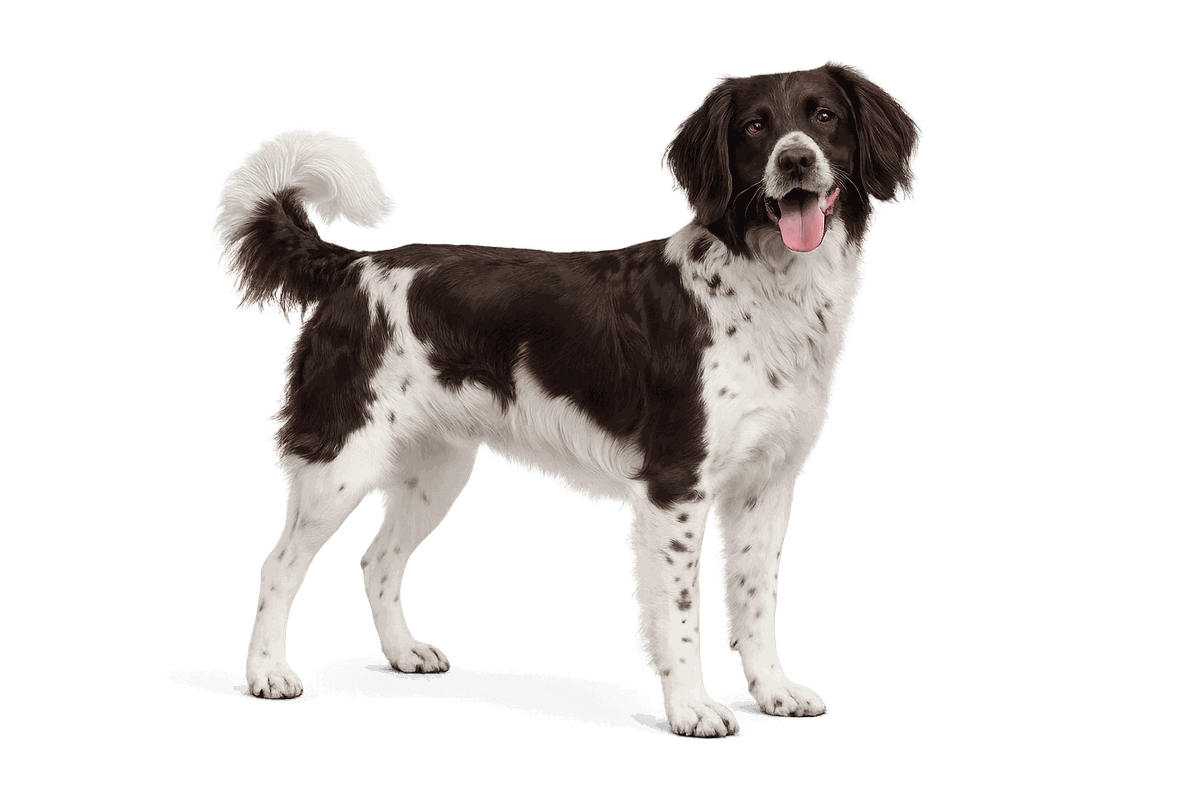
Weight
35-60 lb
Height
20-22 in
Lifespan
12-14 yrs
Coat
Dense Medium
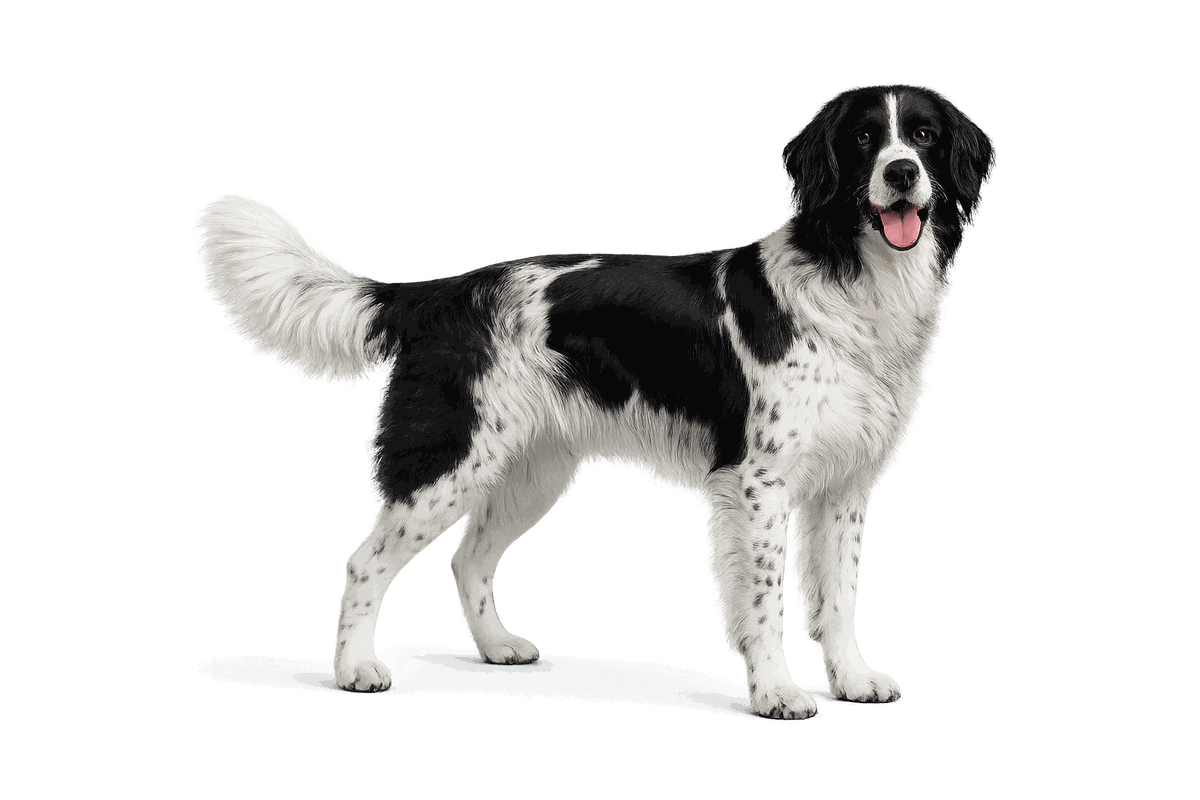
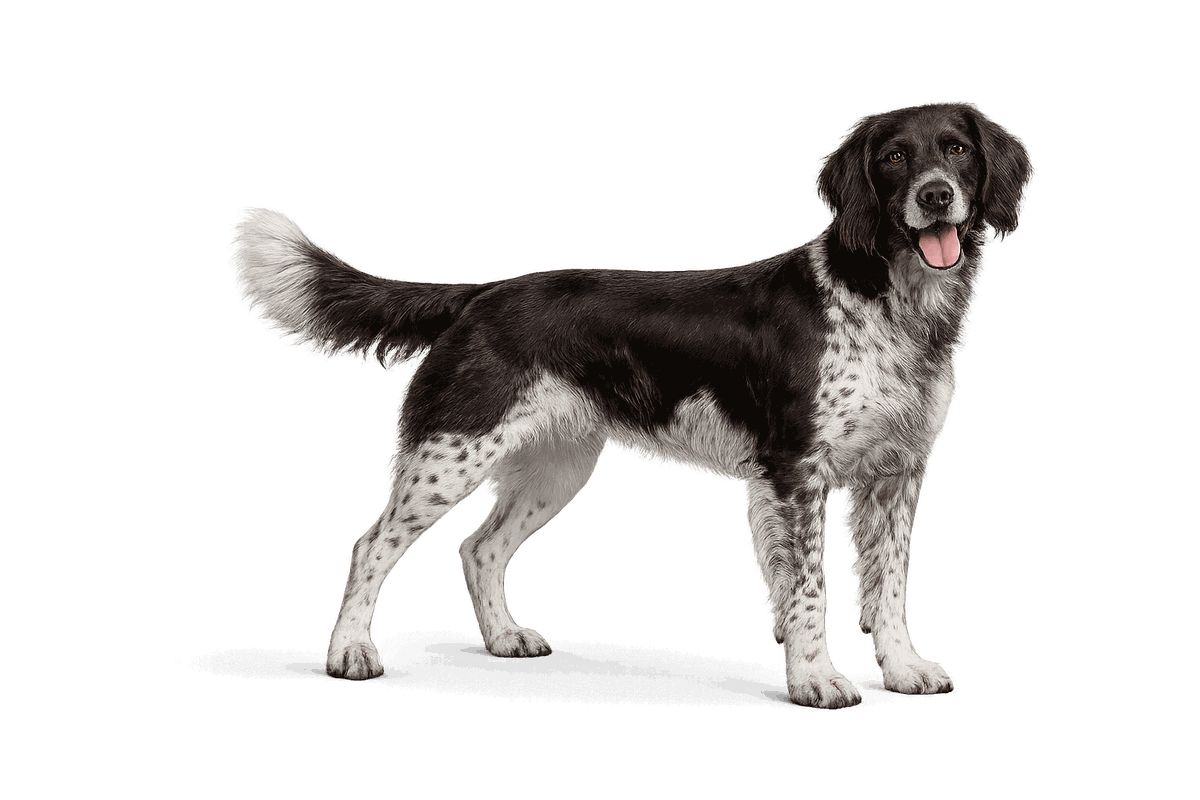
The Small Munsterlander is a medium German versatile hunting dog with strong pointing, retrieving, tracking, and water-work instincts.
Official, native, and commonly used variants
Weight
35-60 lb
Height
20-22 in
Lifespan
12-14 yrs
Coat
Dense Medium
At A Glance
A quick read on energy, upkeep, and what day-to-day life with this breed usually feels like.
Energy
High
Barking
Moderate
Drooling
Low
Shedding
Moderate
Grooming
3/5
First-time owner
No
The Small Munsterlander, or Kleiner Munsterlander, was developed in Germany as a close-working gundog able to point game, retrieve on land and water, and track wounded quarry. This is not a low-drive companion hidden in a sporting-dog body; the breed is happiest when daily life includes field-style work, scenting games, retrieving, swimming, hiking, or structured training.
Most adults are medium sized, athletic, and lightly built rather than large. The coat is medium length, dense, and weather resistant, usually brown and white, brown roan, or brown with white markings and ticking. It needs regular brushing and careful burr checks after outdoor work, especially around the ears, feathering, tail, and feet.
Small Munsterlanders are affectionate and highly people-oriented, but they can be too busy for homes that only want casual walks. They usually suit active owners who want a cooperative hunting or sport partner and who can train recall, steadiness, and calm house manners before the dog's prey drive becomes self-employed.
This breed tends to suit homes looking for a cooperative, intelligent, affectionate companion, with daily rhythms shaped by high energy, moderate barking, and low drooling.
Coat type
Dense
Coat length
Medium
Shedding
Moderate
Colors
Brown and white, Brown roan, Brown with white markings, Brown ticking
A Small Munsterlander can live in a smaller home only when the outdoor routine is serious and consistent. Without daily running, scenting, retrieving, and training, apartment life is usually frustrating for both dog and owner.
The breed may bark from excitement, frustration, or alertness, but excessive noise is often a sign of underwork. Structured exercise and calm settling routines matter more than simply correcting barking.
Small Munsterlanders respond well to clear, upbeat, reward-based training. Build recall, steadiness, retrieving rules, and calm household behavior before field drive becomes harder to interrupt.
The coat sheds moderately and needs regular brushing, especially through the feathered areas. Ears need attention after swimming, rain, or dense cover.
Plan on 90 minutes or more of daily activity for many healthy adult Small Munsterlanders, with off-leash running only in secure areas. Retrieving, tracking, swimming, field training, and scent games are more useful than leash walking alone.
Brush the medium coat several times a week and check feathering, ears, tail, and feet after cover, mud, or seed heads. The hanging ears should be kept clean and dry, especially after swimming or wet field work.
Use reward-based training that channels the breed's hunting instincts into recall, steadiness, retrieving, and calm settling. This dog is usually willing, but it needs regular work and clear boundaries around wildlife.
Feed a measured diet for an active medium sporting dog. Keep the body lean, adjust portions during hunting seasons or heavy training blocks, and ask a veterinarian about joint support, weight changes, or food sensitivities.
Energy level
High
Barking level
Moderate
Drooling level
Low
Watchdog ability
3/5
Guard dog ability
1/5
Climate tolerance
Common concerns to discuss with your vet and breeder.
This profile was researched from established breed and canine-care references. Breed tendencies describe typical patterns, not a guarantee for every individual dog.
Reviewed by the Dogs Index Editorial Team. For health or behavior concerns, consult a veterinarian or appropriately qualified professional.
Our Shop
Browse practical products for feeding, grooming, cleanup, enrichment, and smoother daily routines.