Apartment fit
The Picardy Spaniel can live in smaller homes only when daily outdoor work is reliable. A yard helps less than a committed exercise and training routine.
 France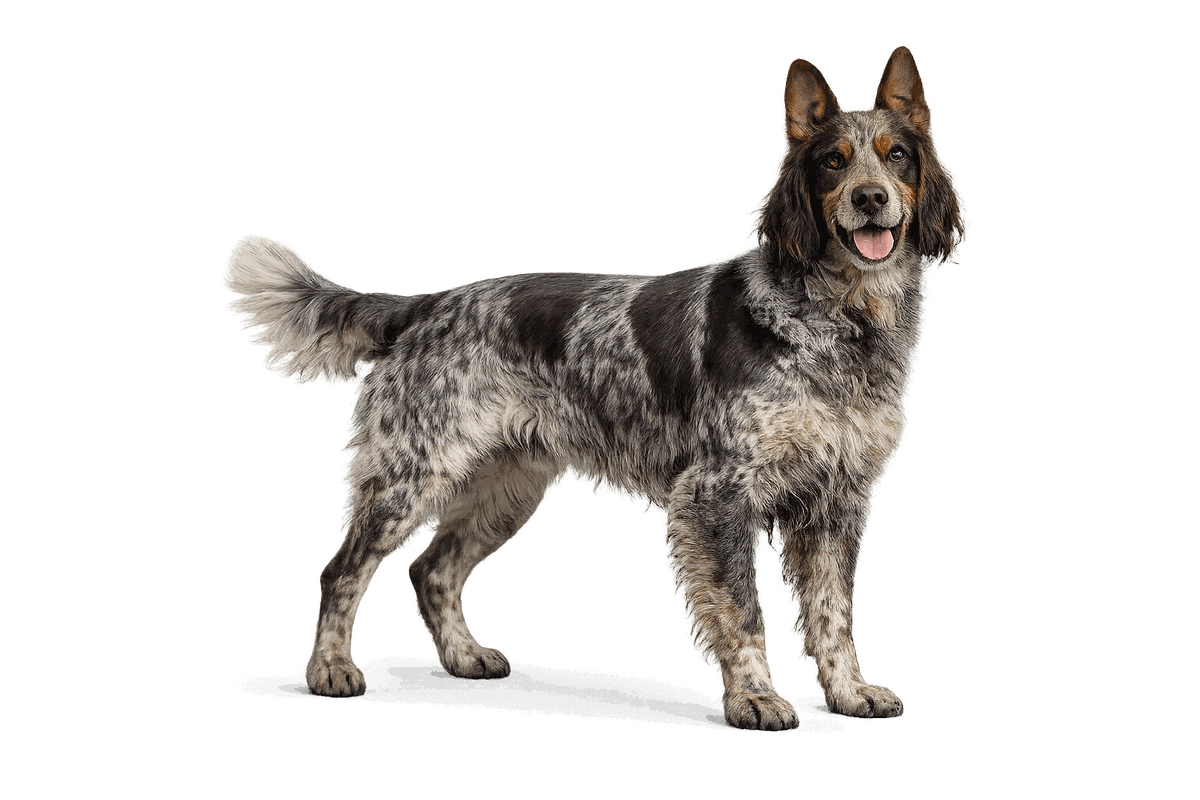
Weight
44-55 lb
Height
21.5-24.5 in
Lifespan
12-14 yrs
Coat
Dense Medium
The Picardy Spaniel is a French continental pointing dog with a mottled grey-brown coat, gentle family temperament, and the stamina to work fields, cover, and wet ground.
Official, native, and commonly used variants
Weight
44-55 lb
Height
21.5-24.5 in
Lifespan
12-14 yrs
Coat
Dense Medium
At A Glance
A quick read on energy, upkeep, and what day-to-day life with this breed usually feels like.
Energy
High
Barking
Moderate
Drooling
Low
Shedding
Moderate
Grooming
3/5
First-time owner
Yes
The Picardy Spaniel, or Epagneul Picard, is a French pointing dog from the Picardy region. The breed was developed as a sturdy, versatile gundog for local hunters, with enough bone, coat, and stamina to work varied cover and small game.
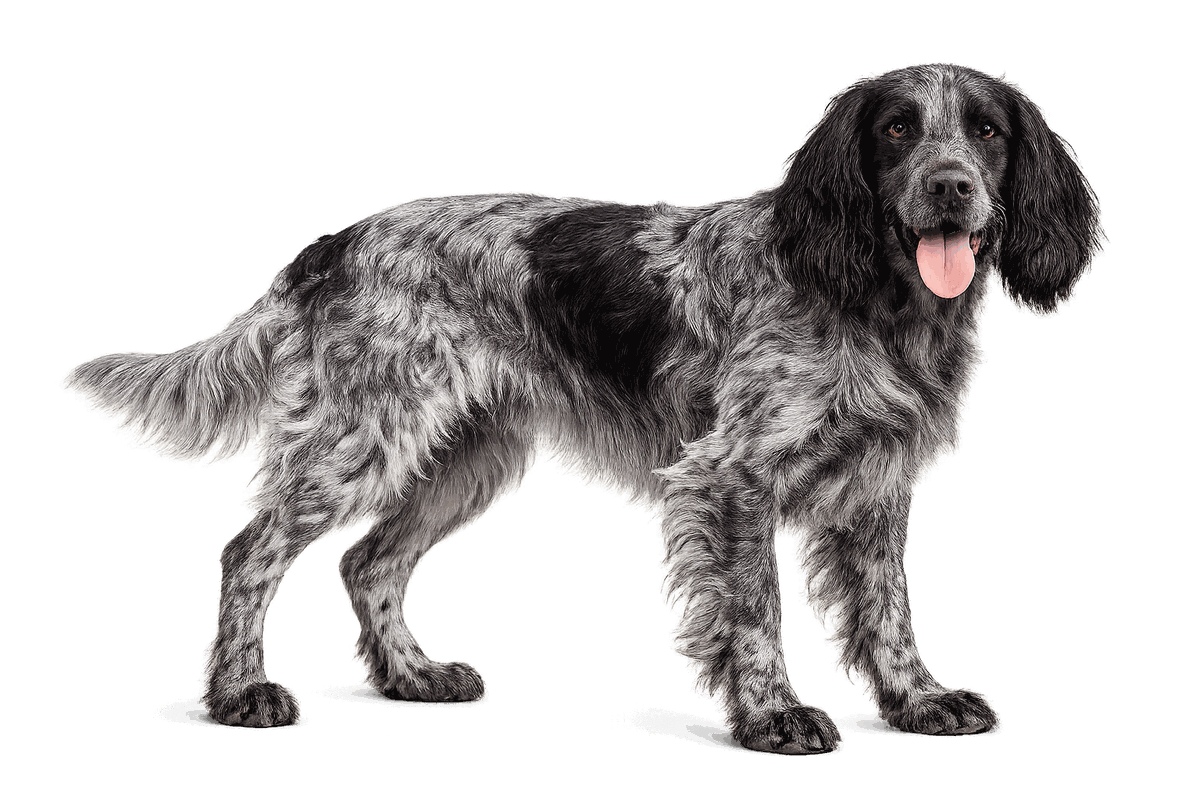
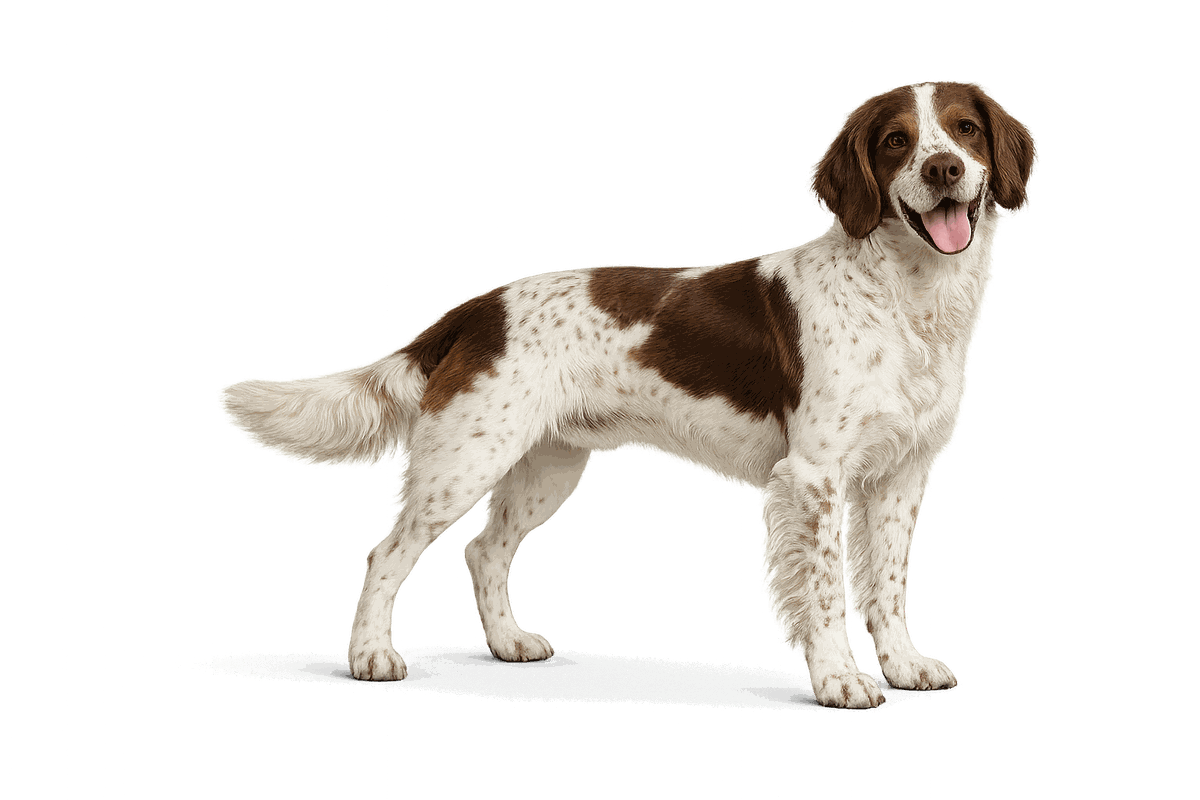
This is not simply a generic spaniel. The FCI standard describes a medium-sized continental spaniel-type pointing dog with a dense, slightly wavy coat, often with undercoat. Its traditional color is grey or brown mottling with dark brown patches and tan markings, giving the coat the autumn-leaf look associated with the breed.
At home, the Picardy Spaniel is usually gentle and people-oriented, but it still needs real daily exercise and scent work. It fits best with owners who can provide long walks, field-style games, retrieving, and consistent training without turning the dog into a yard ornament.
This breed tends to suit homes looking for a gentle, even-tempered, flexible companion, with daily rhythms shaped by high energy, moderate barking, and low drooling.
Coat type
Dense
Coat length
Medium
Shedding
Moderate
Colors
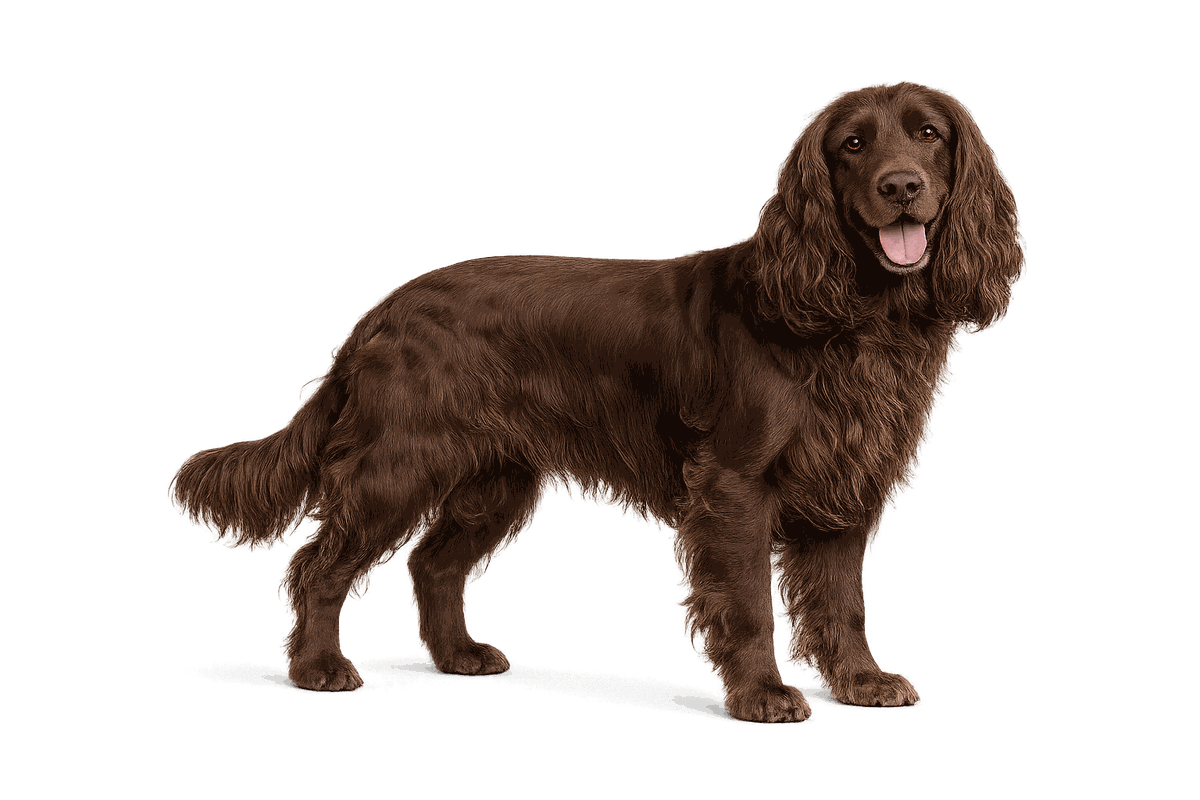
Grey-Brown Mottled, Dark Brown Patches, Tan Markings, White and Brown Mottled
The Picardy Spaniel can live in smaller homes only when daily outdoor work is reliable. A yard helps less than a committed exercise and training routine.
Most barking problems come from boredom, alerting, or frustration. Give the dog work, reward quiet responses, and practice calm settling after activity.
Use kind, practical training built around recall, retrieving, scent games, and handling. The breed usually responds well when lessons feel purposeful.
Brush regularly and inspect ears, feet, and feathering after field walks. The coat is functional, but it still collects moisture, seeds, and debris.
Most Picardy Spaniels need 60 to 90 minutes of daily exercise, with more on active hunting or training days. Long walks, retrieving, scent games, swimming where safe, and field-style work suit the breed better than repetitive leash-only walks.
Brush the dense, slightly wavy coat several times a week, especially behind the ears, on feathering, and after wet or muddy outings. Check ears carefully because drop-eared sporting dogs can trap moisture and debris.
The Picardy Spaniel is usually responsive when training is clear, fair, and connected to useful work. Use rewards, retrieve games, recall practice, and calm handling rather than heavy repetition.
Feed a measured diet for an active medium sporting dog. Adjust portions around hunting seasons, long hikes, or quieter periods so the dog stays lean and well muscled.
Energy level
High
Barking level
Moderate
Drooling level
Low
Watchdog ability
2/5
Guard dog ability
1/5
Climate tolerance
Common concerns to discuss with your vet and breeder.
This profile was researched from established breed and canine-care references. Breed tendencies describe typical patterns, not a guarantee for every individual dog.
Reviewed by the Dogs Index Editorial Team. For health or behavior concerns, consult a veterinarian or appropriately qualified professional.
Our Shop
Browse practical products for feeding, grooming, cleanup, enrichment, and smoother daily routines.