Apartment fit
Apartment life is difficult because the Dunker is active and vocal. It needs outdoor access and scent work.
 Norway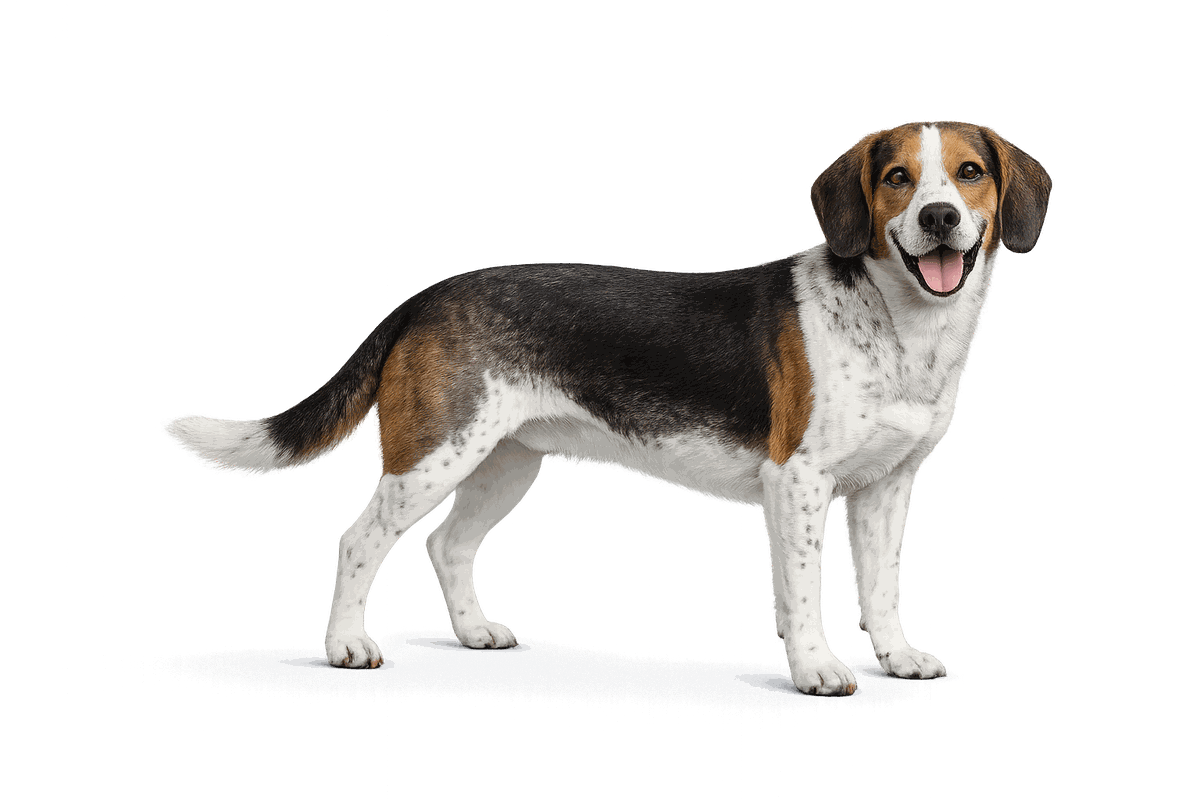
Weight
35-55 lb
Height
19.5-23 in
Lifespan
11-14 yrs
Coat
Straight Short
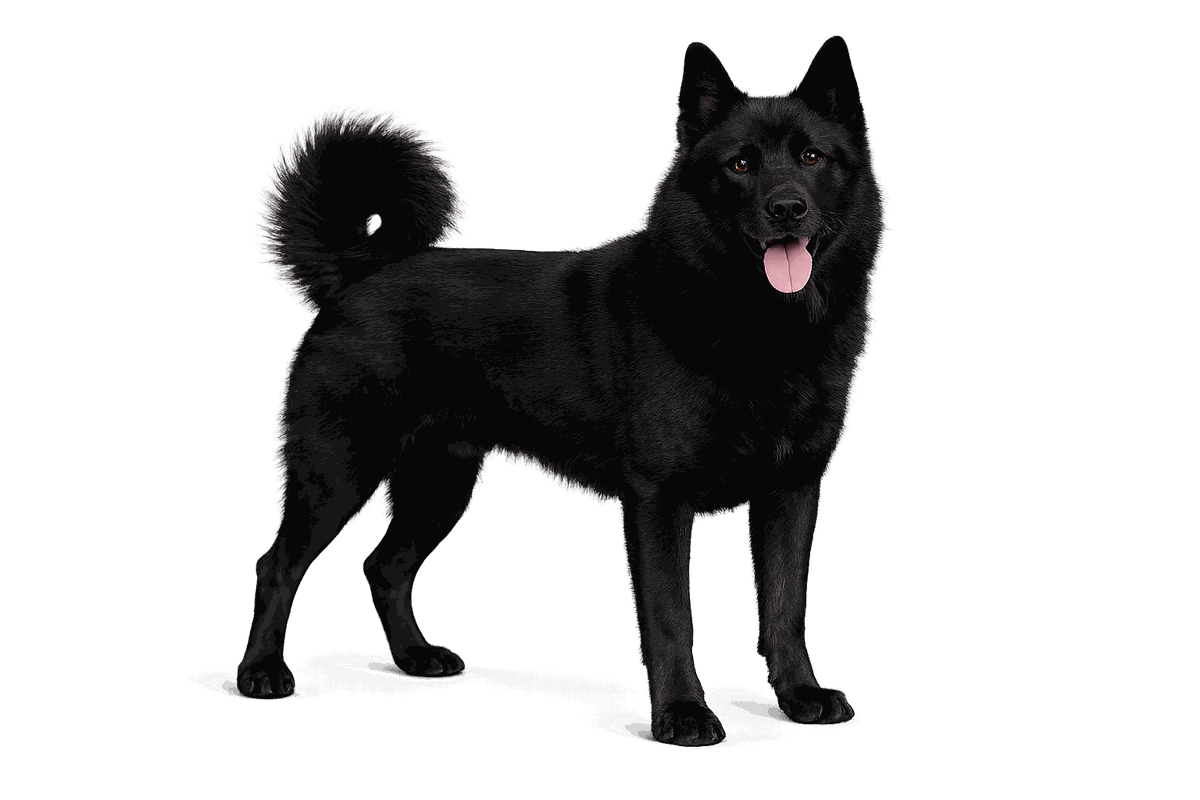
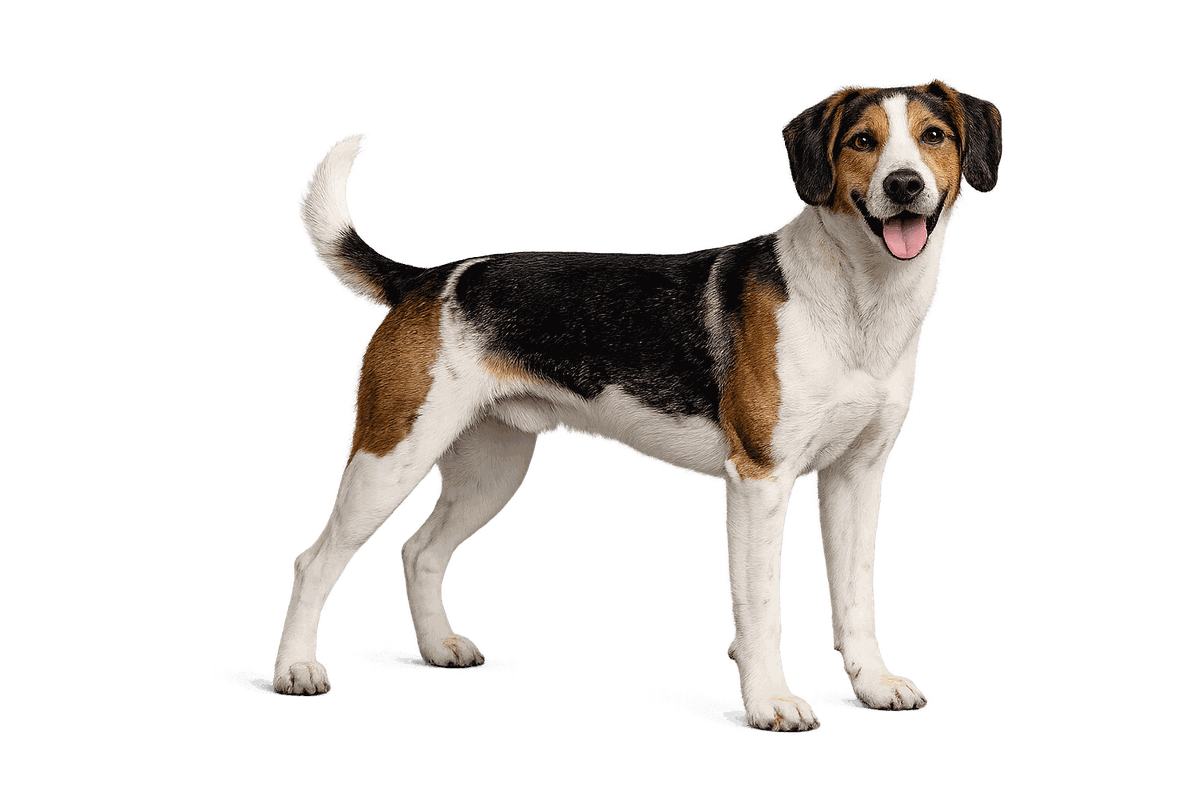
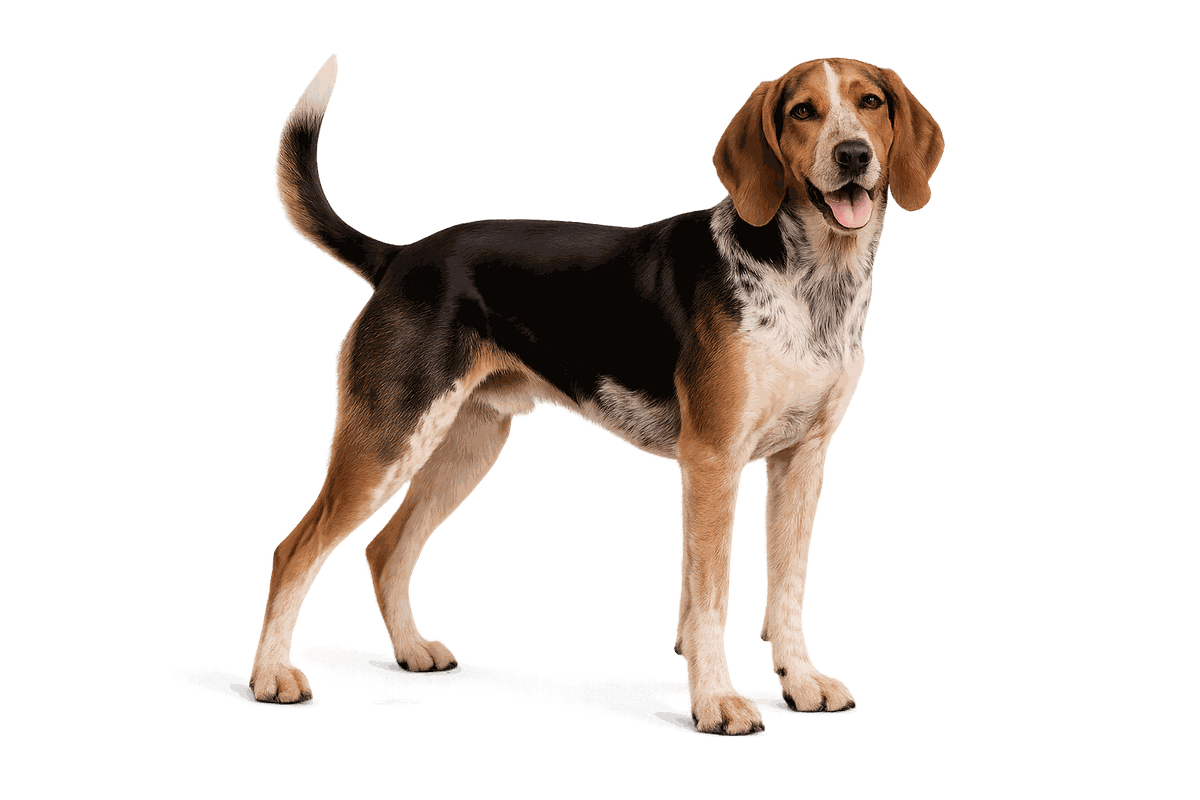
The Dunker, or Norwegian Hound, is a medium scent hound from Norway, bred for endurance hunting and known for blue-marbled or black-and-tan coloring.
Official, native, and commonly used variants
Weight
35-55 lb
Height
19.5-23 in
Lifespan
11-14 yrs
Coat
Straight Short
At A Glance
A quick read on energy, upkeep, and what day-to-day life with this breed usually feels like.
Energy
High
Barking
High
Drooling
Low
Shedding
Moderate
Grooming
1/5
First-time owner
No
The Dunker is a Norwegian scent hound developed for hare hunting and endurance in demanding Scandinavian conditions. It is a medium, sturdy, rectangular hound built to follow scent steadily rather than sprint briefly.
The FCI standard describes the Norwegian Hound as friendly, reliable, tenacious, and easy to train by hound standards. It is still a hunting dog, so scent, voice, secure exercise, and recall management are central to ownership.
The most distinctive coat is black or blue marbled with pale fawn and white markings, though other accepted hound colors occur. Owners should pay attention to ears, feet, weight, and outdoor injury risks, and should choose breeders who consider hearing, eyes, hips, and hunting temperament.
This breed tends to suit homes looking for a friendly, reliable, tenacious companion, with daily rhythms shaped by high energy, high barking, and low drooling.
Coat type
Straight
Coat length
Short
Shedding
Moderate
Colors
Black, Blue Marbled, Pale Fawn, White Markings
Apartment life is difficult because the Dunker is active and vocal. It needs outdoor access and scent work.
Expect baying or barking around scent and excitement. Train quiet breaks and avoid leaving the dog bored near triggers.
Use long-line work, rewards, and scent games. Dunkers are trainable for hounds but still require management.
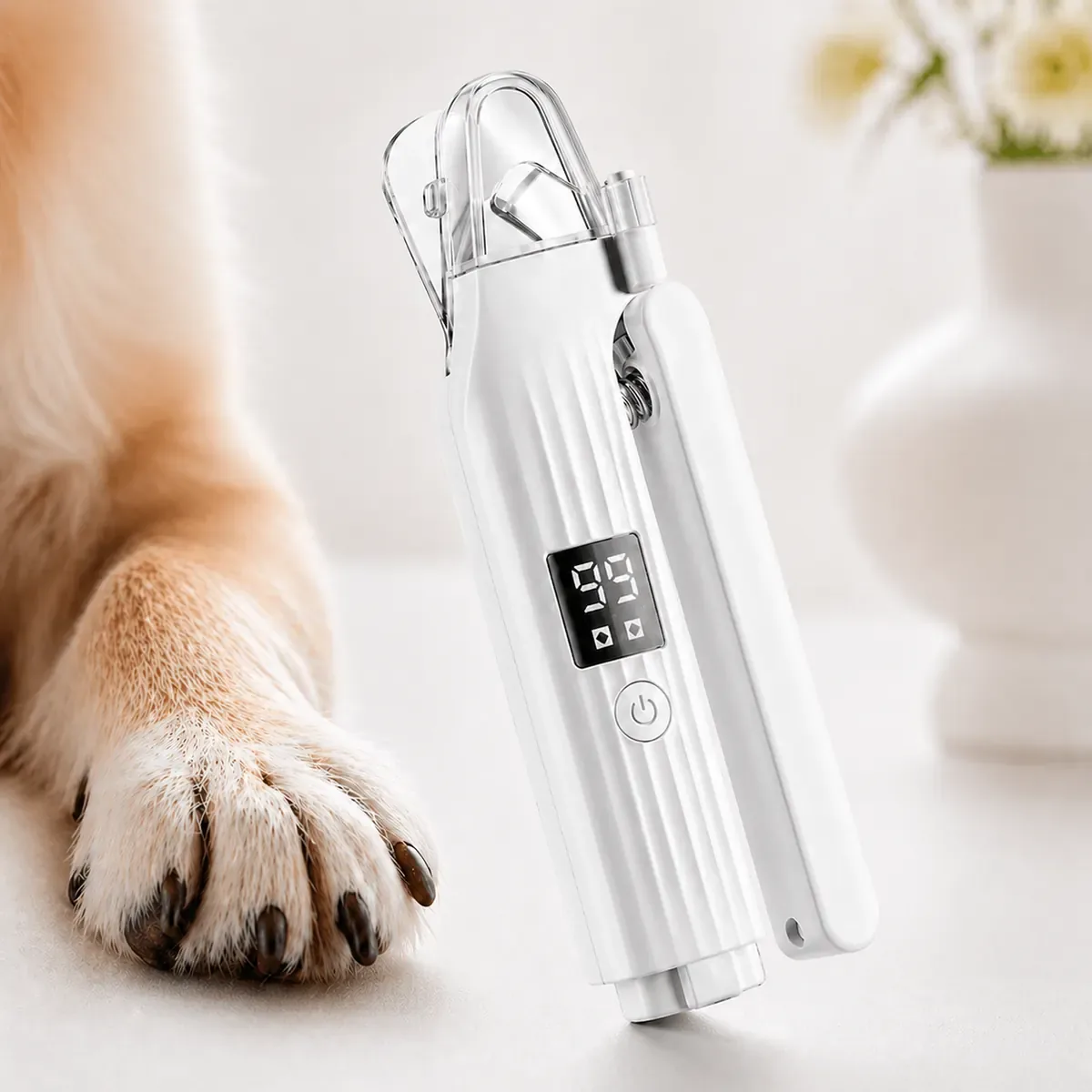
Brush the short coat, clean ears, trim nails, and check paws after wet or rough terrain.
Dunkers need long sniffing walks, tracking games, and secure outdoor exercise. They are built for endurance and usually need more than casual neighborhood loops.
The short coat needs simple brushing, but ears, nails, teeth, and paw pads require routine checks, especially after hunting or wet walks.
Train with food rewards, long-line recall practice, and scent-hound patience. A Dunker should learn quiet breaks, handling, and leash manners without expecting off-leash reliability around scent.
Feed measured meals for a lean working build. Adjust portions around hunting season, winter work, and lower-activity periods.
Energy level
High
Barking level
High
Drooling level
Low
Watchdog ability
3/5
Guard dog ability
1/5
Climate tolerance
Common concerns to discuss with your vet and breeder.
This profile was researched from established breed and canine-care references. Breed tendencies describe typical patterns, not a guarantee for every individual dog.
Reviewed by the Dogs Index Editorial Team. For health or behavior concerns, consult a veterinarian or appropriately qualified professional.
Our Shop
Browse practical products for feeding, grooming, cleanup, enrichment, and smoother daily routines.