Apartment fit
Apartment life is possible only with excellent exercise and noise management. The breed's voice is the main obstacle.
 Switzerland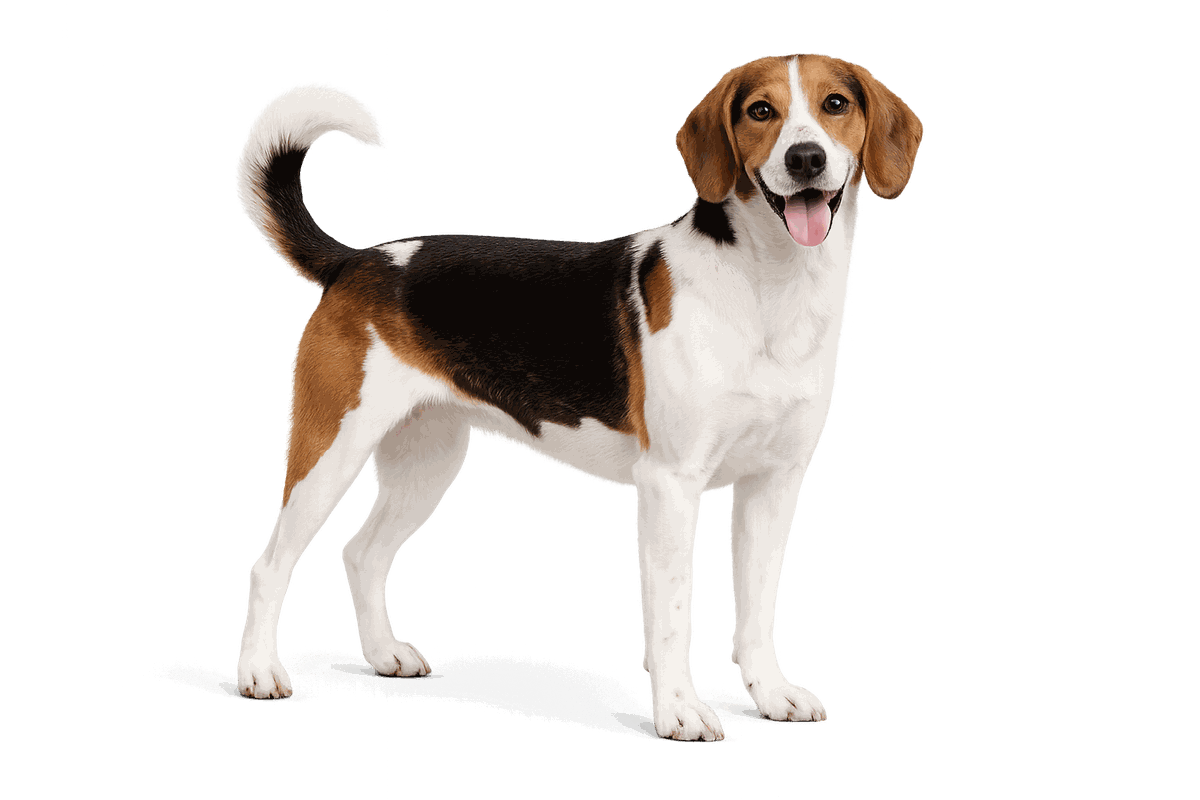
Weight
25-40 lb
Height
13-17.75 in
Lifespan
12-14 yrs
Coat
Smooth or rough Short
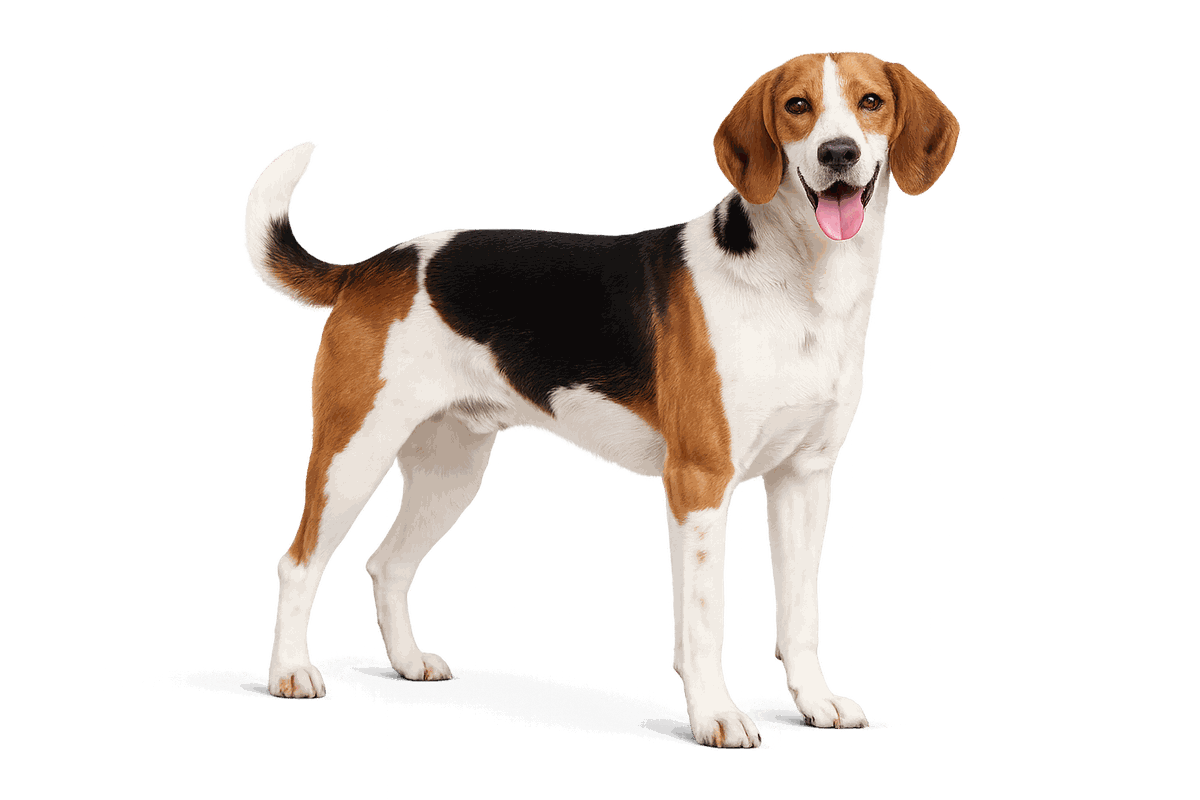
The Small Swiss Hound is a shorter-legged Swiss scenthound family, bred to hunt at a controlled pace with a clear voice and persistent nose.
Official, native, and commonly used variants
Weight
25-40 lb
Height
13-17.75 in
Lifespan
12-14 yrs
Coat
Smooth or rough Short
At A Glance
A quick read on energy, upkeep, and what day-to-day life with this breed usually feels like.
Energy
High
Barking
High
Drooling
Low
Shedding
Moderate
Grooming
2/5
First-time owner
No
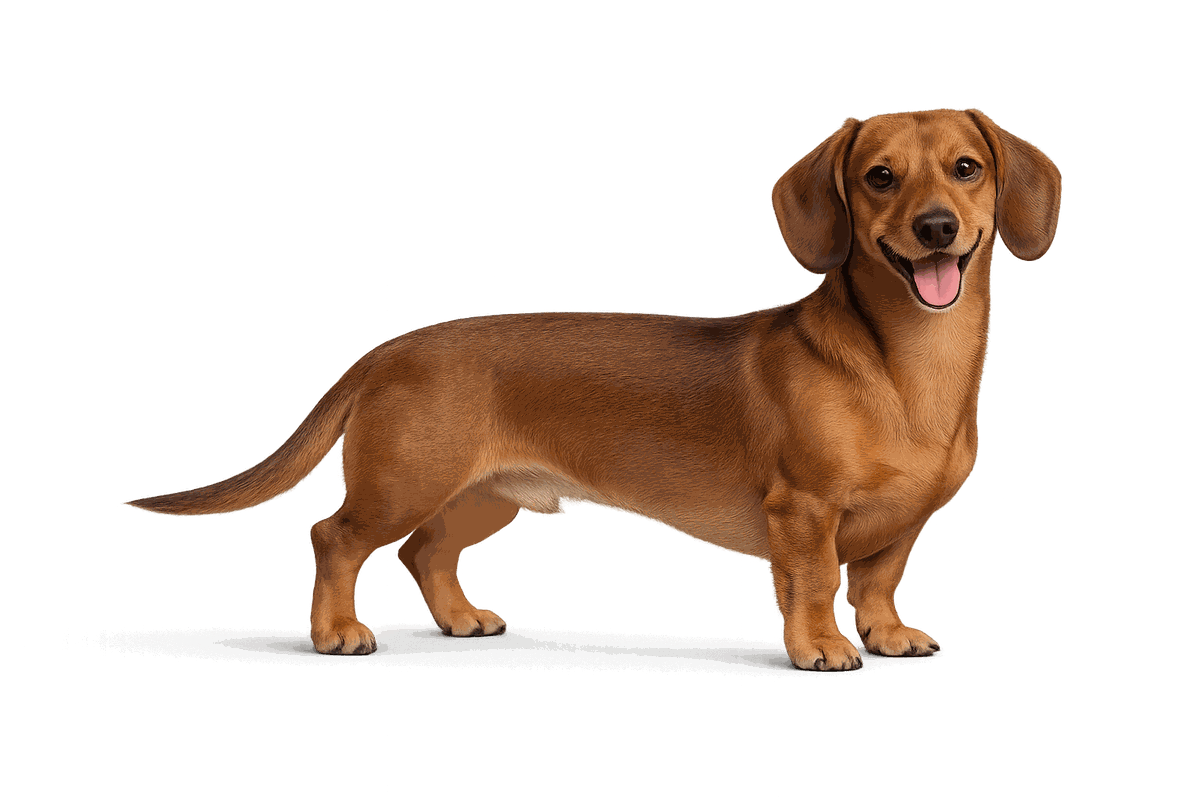
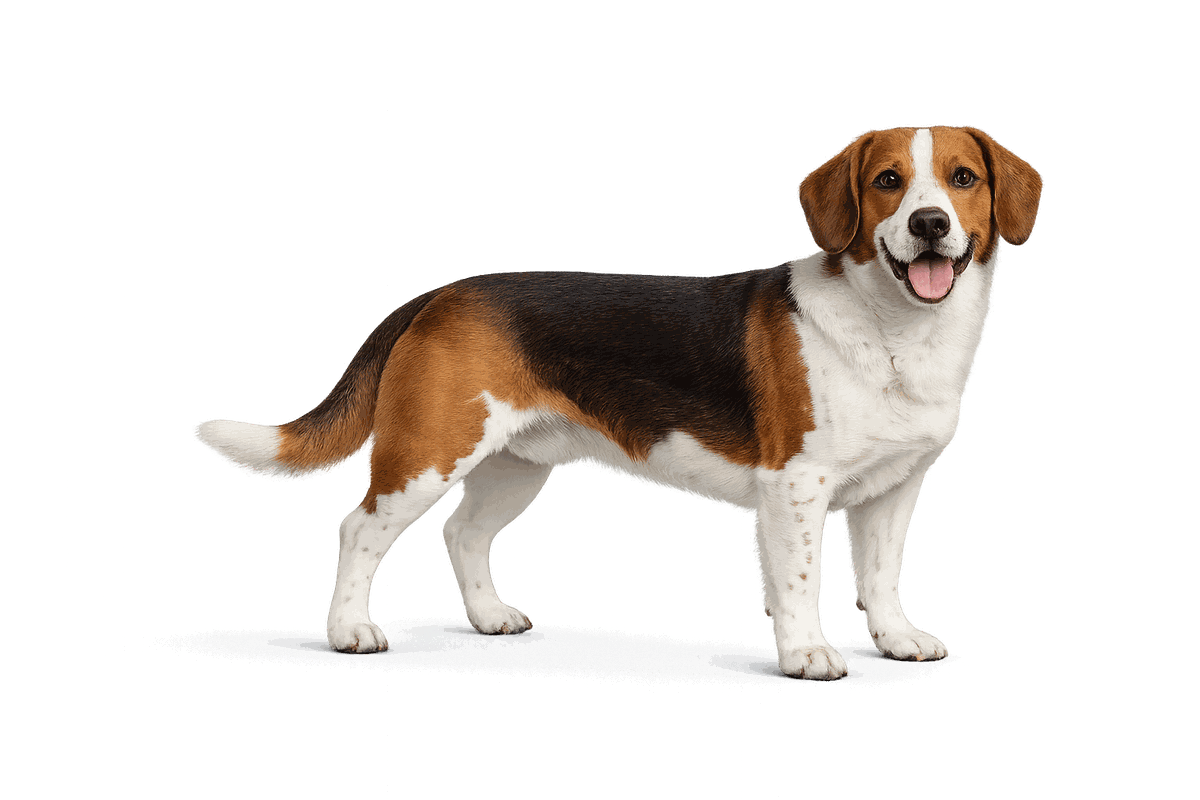
The Small Swiss Hound, or Schweizerischer Niederlaufhund, is the lower-stationed counterpart to the Swiss Hound. It was developed for controlled hunting pace while retaining hound voice, scent drive, and endurance. The breed exists in several varieties that mirror Swiss regional hounds, including Bernese, Jura, Lucerne, and Schwyz types.
This is a small-to-medium scenthound, not a large dog. Coat type and color vary by variety, including smooth and rough coats, tricolour, black-and-tan, blue-speckled, and white-and-orange patterns. Grooming is usually simple, but ears need regular care and outdoor checks matter after field work.
Small Swiss Hounds can be friendly and steady, but they are still working hounds. They need scent work, long walks, secure handling, and owners who accept hound voice. Their shorter legs do not make them low-effort pets.
This breed tends to suit homes looking for a friendly, persistent, lively companion, with daily rhythms shaped by high energy, high barking, and low drooling.
Coat type
Smooth or rough
Coat length
Short
Shedding
Moderate
Colors
White black and tan, Black and tan, Blue speckled, White and orange-red
Apartment life is possible only with excellent exercise and noise management. The breed's voice is the main obstacle.
Expect hound vocalization. Scent work and routine reduce frustration, but the dog should not be expected to be silent.
Use rewards, tracking games, and long-line recall. Build management around the dog's nose.
Coat care is simple for most individuals, with moderate shedding. Ears and feet need regular checks.
Give long daily walks, scent games, tracking, and controlled exploration. Short legs reduce speed, not working drive.
Brush weekly and check ears, feet, and coat after outdoor work. Rough-coated individuals may need slightly more coat attention.
Use long-line recall, rewards, and scent-based games. The dog can be friendly but still independent when following a trail.
Feed measured meals for an active medium hound. Keep weight lean because extra pounds stress the back and legs.
Energy level
High
Barking level
High
Drooling level
Low
Watchdog ability
3/5
Guard dog ability
1/5
Climate tolerance
Common concerns to discuss with your vet and breeder.
This profile was researched from established breed and canine-care references. Breed tendencies describe typical patterns, not a guarantee for every individual dog.
Reviewed by the Dogs Index Editorial Team. For health or behavior concerns, consult a veterinarian or appropriately qualified professional.
Our Shop
Browse practical products for feeding, grooming, cleanup, enrichment, and smoother daily routines.