Apartment fit
The Swiss Hound is generally a poor apartment fit because of voice and scent-driven stamina.
 Switzerland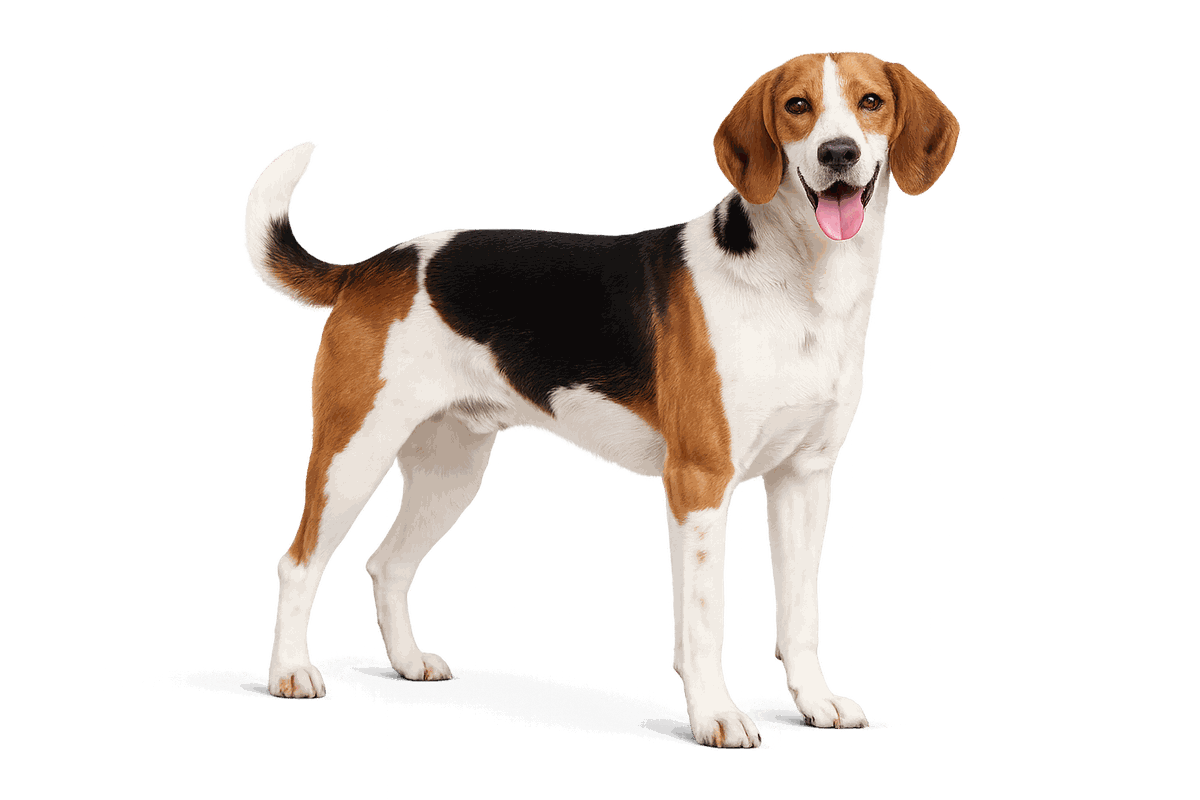
Weight
35-55 lb
Height
18.5-23.25 in
Lifespan
11-14 yrs
Coat
Smooth Short
The Swiss Hound is a medium Swiss scenthound family with four traditional varieties, known for endurance, voice, and focused tracking work.
Official, native, and commonly used variants
Weight
35-55 lb
Height
18.5-23.25 in
Lifespan
11-14 yrs
Coat
Smooth Short
At A Glance
A quick read on energy, upkeep, and what day-to-day life with this breed usually feels like.
Energy
High
Barking
High
Drooling
Low
Shedding
Moderate
Grooming
2/5
First-time owner
No
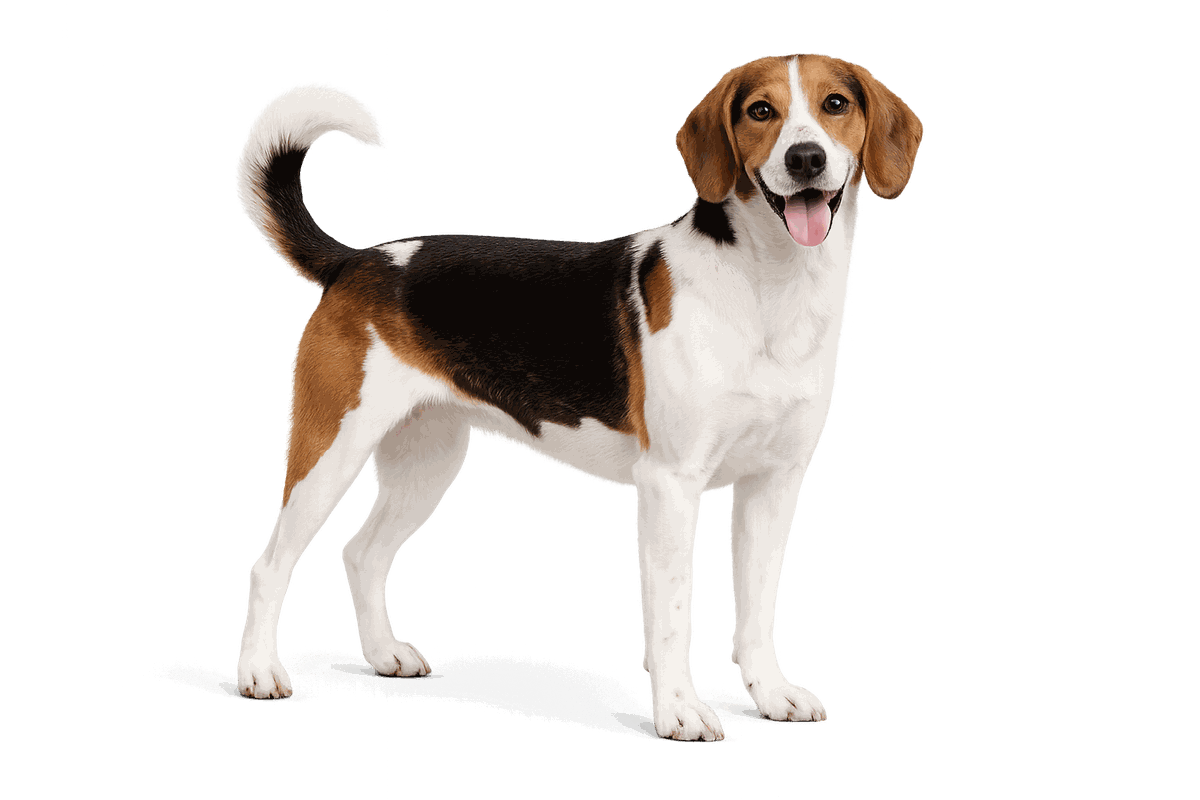
The Swiss Hound, or Schweizer Laufhund, is a Swiss scenthound represented by four traditional varieties: Bernese, Jura, Lucerne, and Schwyz. These hounds were bred for persistent scent work and a carrying voice, so the breed is best understood as a working hunting dog rather than a generic family hound.
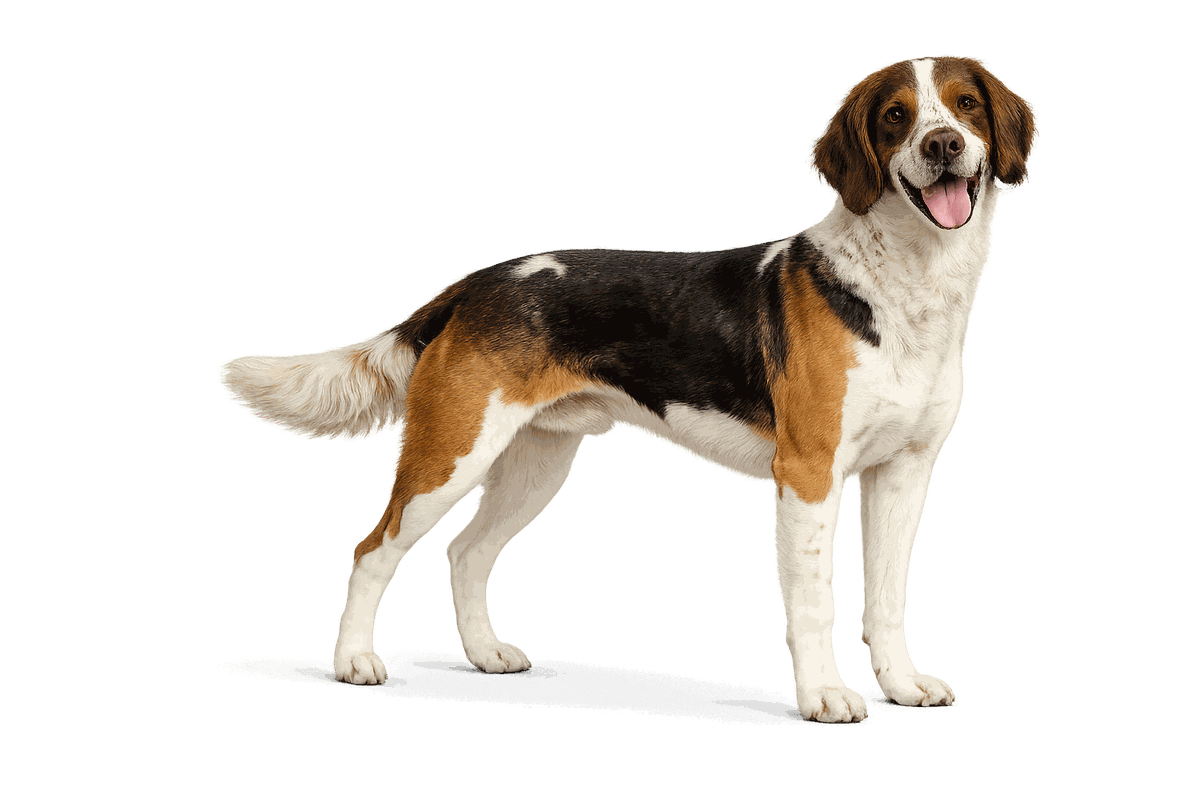
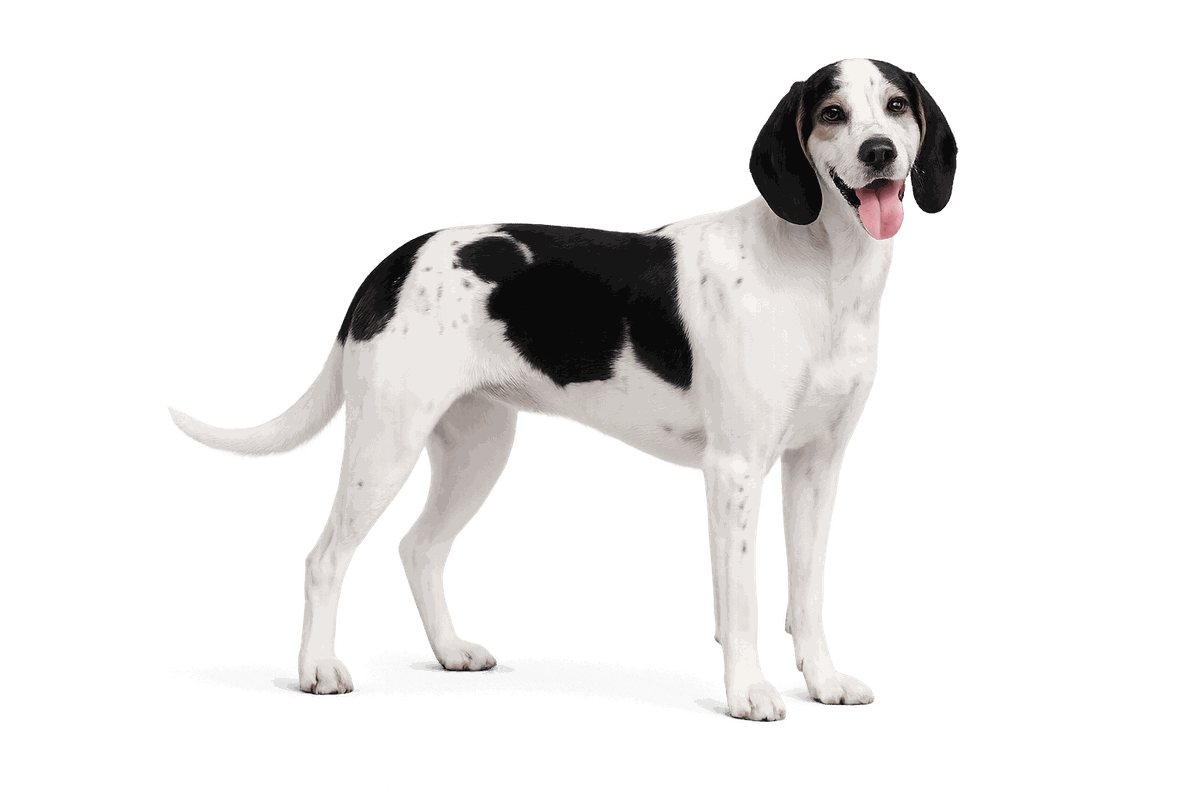
Adults are medium sized, athletic, and longer-legged than the Small Swiss Hound. Coat and color depend on variety: Bernese hounds are typically white, black, and tan; Jura hounds are black and tan or tan with black; Lucerne hounds have a blue-speckled look with black and tan; Schwyz hounds are white with orange-red markings.
Swiss Hounds can be affectionate with familiar people and social with other dogs, but they need long exercise, scent outlets, and safe recall management. Their voice and trail focus make them a difficult fit for quiet apartments or owners who expect easy off-leash control around wildlife.
This breed tends to suit homes looking for a lively, scent-driven, persistent companion, with daily rhythms shaped by high energy, high barking, and low drooling.
Coat type
Smooth
Coat length
Short
Shedding
Moderate
Colors
White black and tan, Black and tan, Blue speckled, White and orange-red
The Swiss Hound is generally a poor apartment fit because of voice and scent-driven stamina.
Vocal scent work is normal. Training should manage when and where the dog can use its voice rather than trying to remove the trait.
Use scent games, long-line recall, and reward-based handling. Secure management around wildlife is essential.
The short coat is simple to brush and sheds moderately. Ears and paws need outdoor checks.
Swiss Hounds need long daily exercise with scent work, hiking, tracking, or hunting-style outlets. A short walk routine is not enough for a fit adult.
Brush the short coat weekly and check ears, paws, and skin after outdoor work. Long-eared scenthounds need regular ear care.
Use long-line recall practice, food rewards, tracking games, and secure boundaries. The breed can be determined on scent, so management is essential.
Feed measured meals for an active medium hound and adjust portions around heavy work seasons. Keep body condition lean to support stamina.
Energy level
High
Barking level
High
Drooling level
Low
Watchdog ability
3/5
Guard dog ability
1/5
Climate tolerance
Common concerns to discuss with your vet and breeder.
This profile was researched from established breed and canine-care references. Breed tendencies describe typical patterns, not a guarantee for every individual dog.
Reviewed by the Dogs Index Editorial Team. For health or behavior concerns, consult a veterinarian or appropriately qualified professional.
Our Shop
Browse practical products for feeding, grooming, cleanup, enrichment, and smoother daily routines.