Apartment fit
The English Toy Spaniel is usually an excellent apartment candidate when owners provide short walks, companionship, and grooming. It does not need a yard, but it should not be treated as a no-exercise dog.
Weight
8-14 lb
Height
9-10 in
Lifespan
10-12 yrs
Coat
Silky Medium
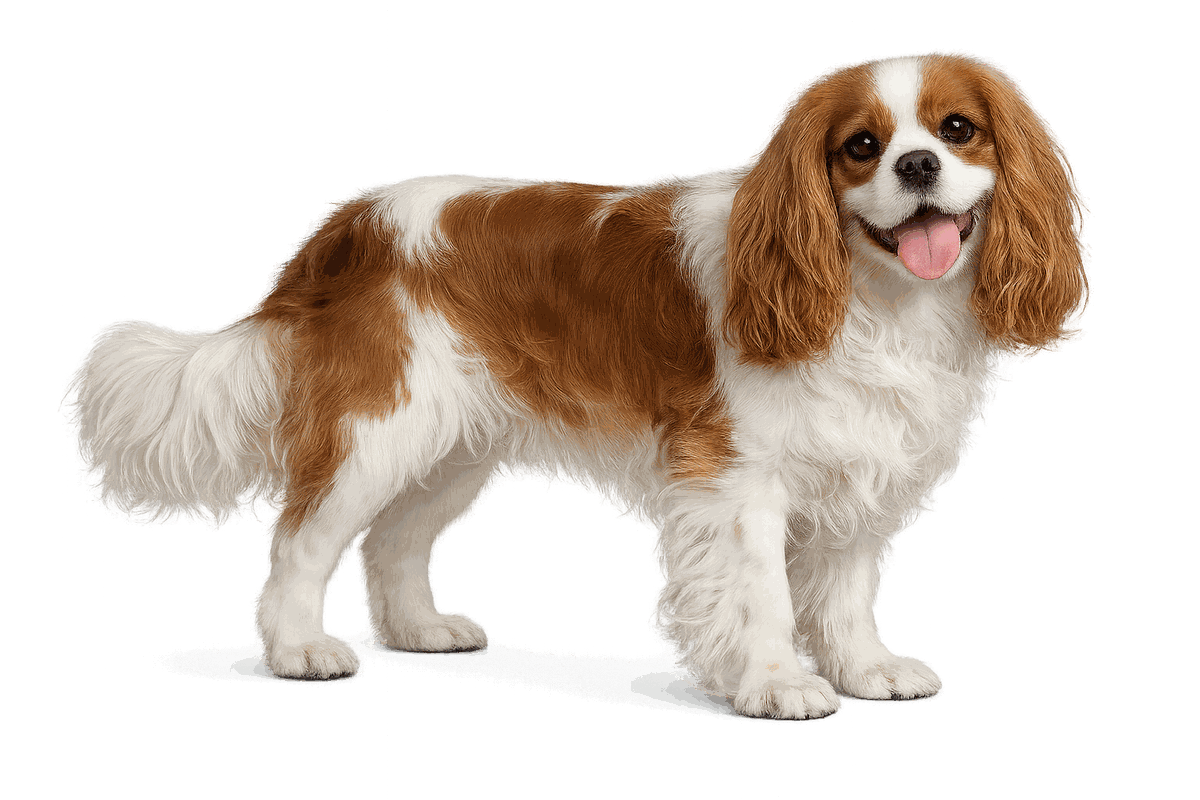
The English Toy Spaniel is a small companion spaniel from Great Britain, known for a silky coat, short muzzle, gentle temperament, and four traditional color varieties.
Official, native, and commonly used variants
Weight
8-14 lb
Height
9-10 in
Lifespan
10-12 yrs
Coat
Silky Medium
At A Glance
A quick read on energy, upkeep, and what day-to-day life with this breed usually feels like.
Energy
Low
Barking
Low
Drooling
Low
Shedding
Moderate
Grooming
3/5
First-time owner
Yes
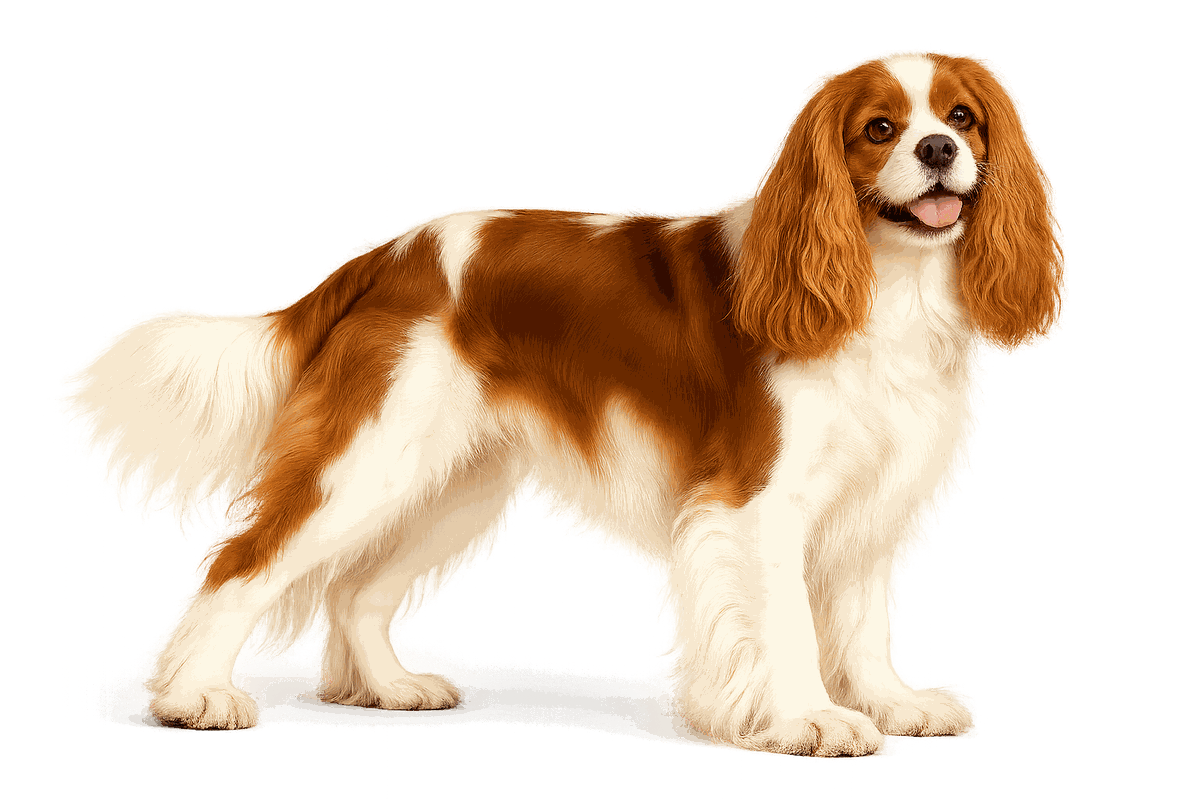
The English Toy Spaniel, called the King Charles Spaniel in Britain, is a toy companion breed rather than a sporting field spaniel. It has a compact body, domed head, short muzzle, long ears, and a silky coat. The breed's four traditional color varieties are Blenheim, Prince Charles, King Charles, and Ruby.
This is usually a quiet, affectionate house dog that wants steady companionship more than heavy exercise. It can suit apartments and calmer homes, but it still needs daily walks, socialization, grooming, and sensible weight control. Because it is small and has a short face, rough handling, heat, and intense exercise require extra care.
The English Toy Spaniel is best for owners who want a gentle companion and can watch for toy-breed and brachycephalic health concerns. Responsible breeders should discuss eye, cardiac, and patella screening, and owners should build a relationship with a veterinarian familiar with small companion breeds.
This breed tends to suit homes looking for a gentle, affectionate, quiet companion, with daily rhythms shaped by low energy, low barking, and low drooling.
Coat type
Silky
Coat length
Medium
Shedding
Moderate
Colors
Blenheim, Prince Charles, King Charles, Ruby
The English Toy Spaniel is usually an excellent apartment candidate when owners provide short walks, companionship, and grooming. It does not need a yard, but it should not be treated as a no-exercise dog.
This breed is often quieter than many toy dogs, though individuals may alert to visitors or strange sounds. Calm socialization and predictable routines help prevent timid or clingy behavior.
Keep training gentle, short, and rewarding. The breed tends to respond better to patience and consistency than pressure, and confidence-building matters as much as obedience.
Brush the silky coat several times a week and check ears, eyes, teeth, and nails on a schedule. The coat is manageable, but it should not be left until mats form.
Most English Toy Spaniels need short daily walks, gentle play, and light training rather than hard exercise. Avoid strenuous activity in heat, watch breathing effort, and keep jumping from furniture under control to protect a small body.
Brush the silky coat several times a week, especially behind the ears, on the chest, and around the legs. Keep ears clean and dry, trim nails, check skin folds and eyes, and maintain dental care because small companion breeds can develop dental problems.
Use calm, reward-based training with food rewards, praise, and short sessions. The English Toy Spaniel can be sensitive, so harsh corrections are likely to reduce confidence rather than improve manners.
Feed measured portions for a small toy breed and keep treats modest. Extra weight makes breathing, heart, joint, and heat-tolerance concerns more serious, so body condition should be monitored closely.
Energy level
Low
Barking level
Low
Drooling level
Low
Watchdog ability
2/5
Guard dog ability
1/5
Climate tolerance
Common concerns to discuss with your vet and breeder.
This profile was researched from established breed and canine-care references. Breed tendencies describe typical patterns, not a guarantee for every individual dog.
Reviewed by the Dogs Index Editorial Team. For health or behavior concerns, consult a veterinarian or appropriately qualified professional.
Our Shop
Browse practical products for feeding, grooming, cleanup, enrichment, and smoother daily routines.