Apartment fit
The Estonian Hound is not an easy apartment breed. It needs outdoor exercise, scent outlets, and a plan for vocal behavior before dense housing will work.
 Estonia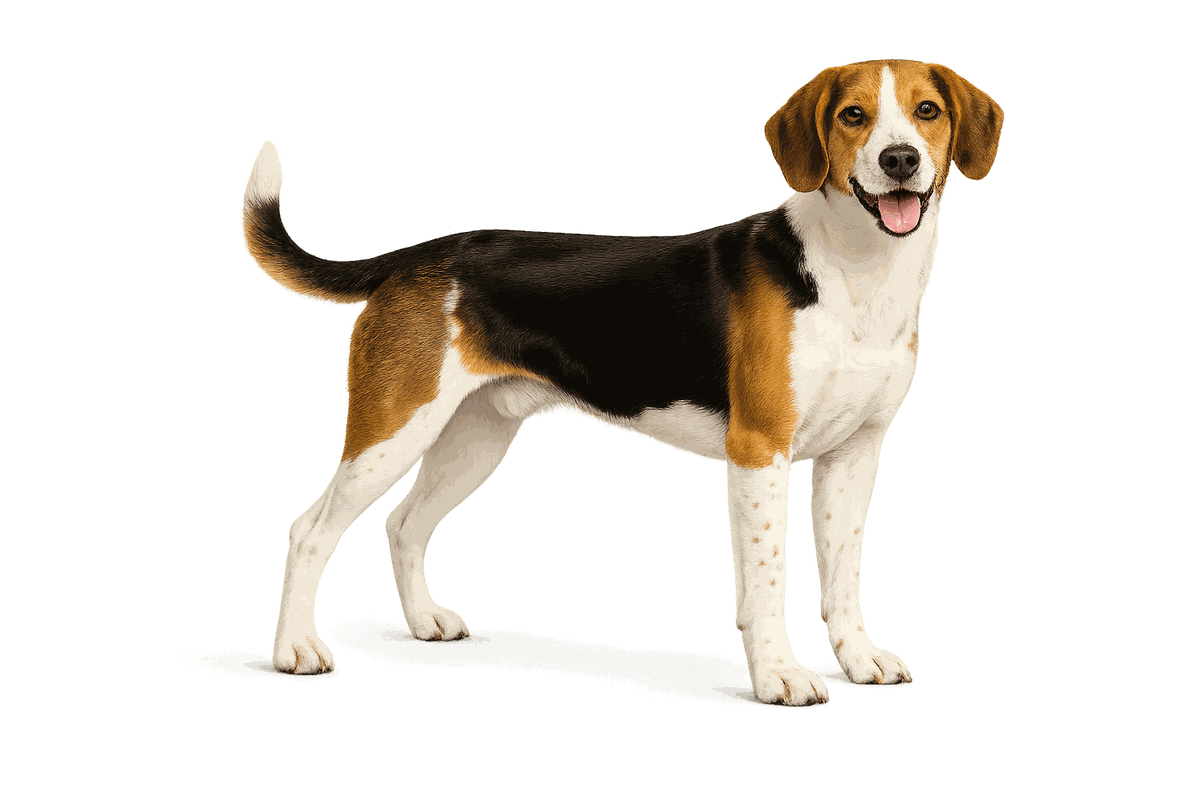
Weight
33-44 lb
Height
16.5-20.5 in
Lifespan
12-15 yrs
Coat
Smooth Short
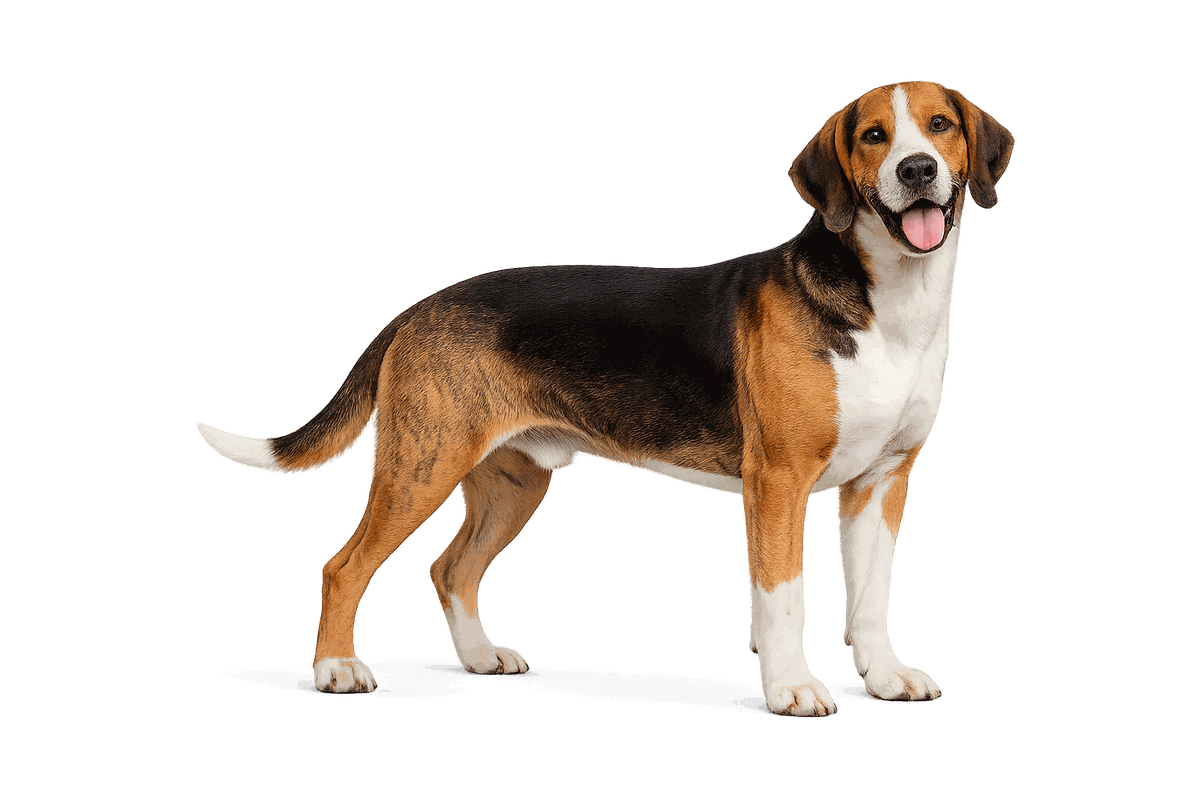
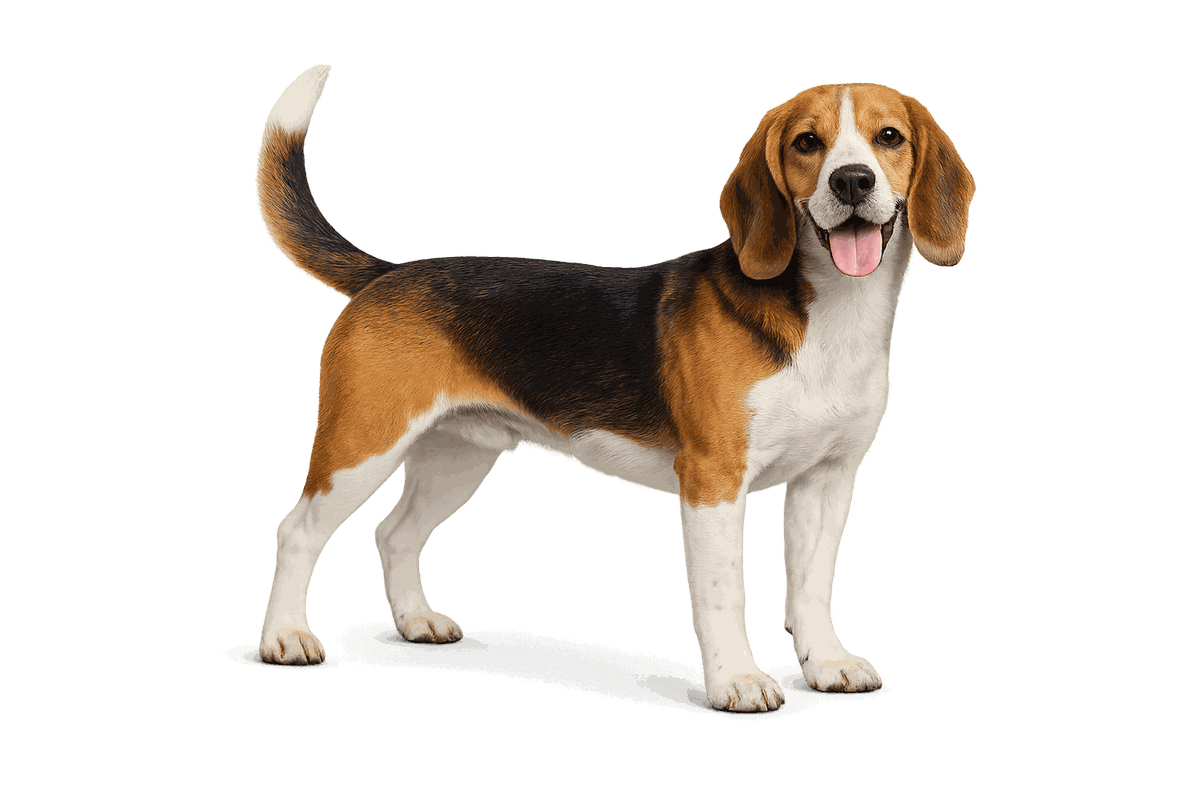
The Estonian Hound is a medium scent hound from Estonia, bred for hunting hare, fox, and similar game with a balanced, friendly, and persistent temperament.
Official, native, and commonly used variants
Weight
33-44 lb
Height
16.5-20.5 in
Lifespan
12-15 yrs
Coat
Smooth Short
At A Glance
A quick read on energy, upkeep, and what day-to-day life with this breed usually feels like.
Energy
High
Barking
Moderate
Drooling
Low
Shedding
Moderate
Grooming
1/5
First-time owner
No
The Estonian Hound is Estonia's native scent hound and was developed for practical hunting work in local terrain. It is a medium dog rather than a large hound, with enough stamina and nose drive to follow scent for long periods. At home, it is often friendly and sociable, but its hunting instincts still need daily outlets.
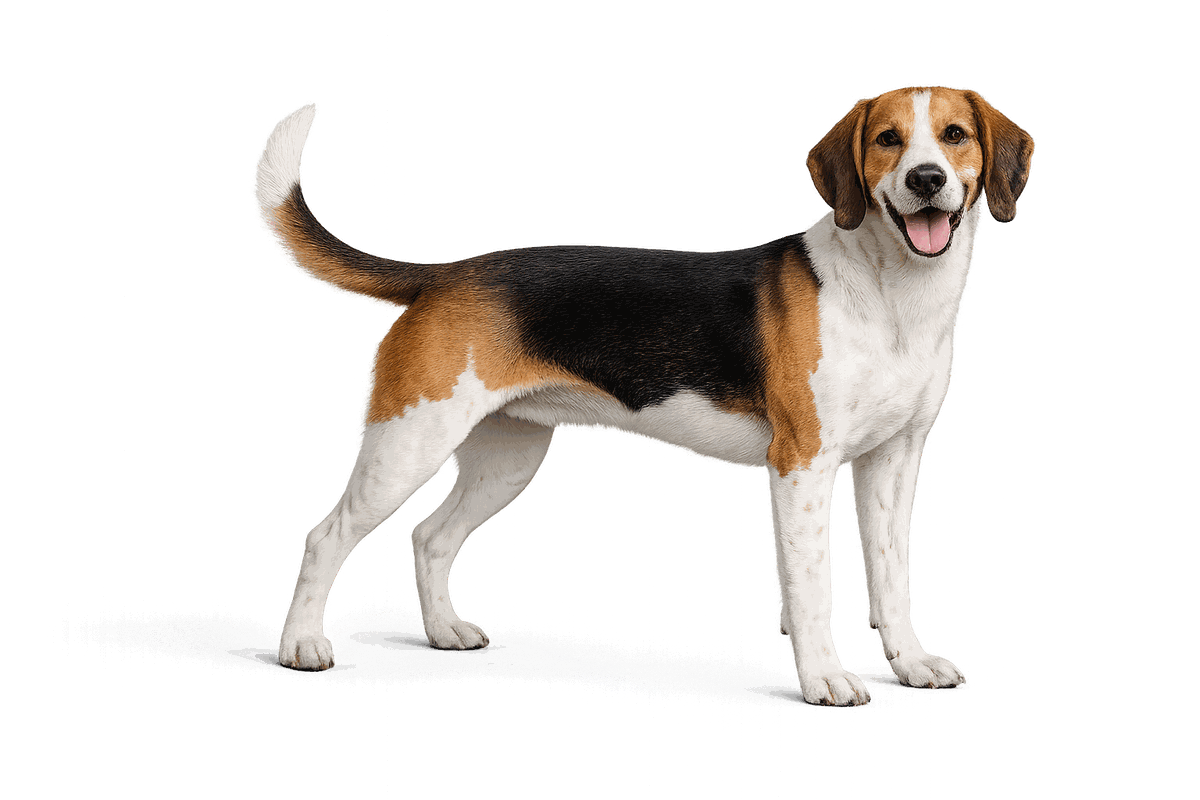
The breed has a short, smooth, weather-resistant coat, commonly with black, tan, and white hound coloring. Grooming is simple, but ear checks matter because drop-eared scent hounds can trap moisture and debris. Secure leash work and safe fenced areas are important because scent can override recall if training is weak.
The best Estonian Hound owner enjoys outdoor exercise, scent games, and steady training. This is not usually an ideal breed for a sedentary apartment routine, but it can be a pleasant companion when its nose, voice, and stamina are understood.
This breed tends to suit homes looking for a friendly, balanced, determined companion, with daily rhythms shaped by high energy, moderate barking, and low drooling.
Coat type
Smooth
Coat length
Short
Shedding
Moderate
Colors
Black White and Tan, Black and Tan, Piebald
The Estonian Hound is not an easy apartment breed. It needs outdoor exercise, scent outlets, and a plan for vocal behavior before dense housing will work.
As a scent hound, it may use its voice when excited or working scent. Teach quiet cues, reward calm check-ins, and avoid letting outdoor sights or smells create constant arousal.
Training should be positive, repetitive, and realistic about scent drive. Use long lines, food rewards, tracking games, and controlled environments before expecting reliable responses outdoors.
The short coat is simple, but ears, nails, paws, and weight need steady care. Brush weekly and check ears after wet grass, brush, or hunting-style activity.
Most Estonian Hounds need 60 to 90 minutes of daily exercise, with scent work or tracking-style games included. Long walks, controlled running, and nose games are better than only yard time.
The short smooth coat needs light brushing and routine bathing only when dirty. Check ears often, trim nails, and inspect paws after hunting, hiking, or running on rough ground.
Use reward-based training and build recall carefully, but do not rely on off-leash freedom near roads or wildlife. A scent hound may follow odor before it notices the owner's cue.
Feed for a lean medium working hound and adjust portions to the dog's activity level. Extra weight reduces stamina and increases stress on joints.
Energy level
High
Barking level
Moderate
Drooling level
Low
Watchdog ability
3/5
Guard dog ability
1/5
Climate tolerance
Common concerns to discuss with your vet and breeder.
This profile was researched from established breed and canine-care references. Breed tendencies describe typical patterns, not a guarantee for every individual dog.
Reviewed by the Dogs Index Editorial Team. For health or behavior concerns, consult a veterinarian or appropriately qualified professional.
Our Shop
Browse practical products for feeding, grooming, cleanup, enrichment, and smoother daily routines.