Apartment fit
The German Hound is usually a difficult apartment fit because it needs long outdoor work and can become vocal or restless when under-exercised.
 Germany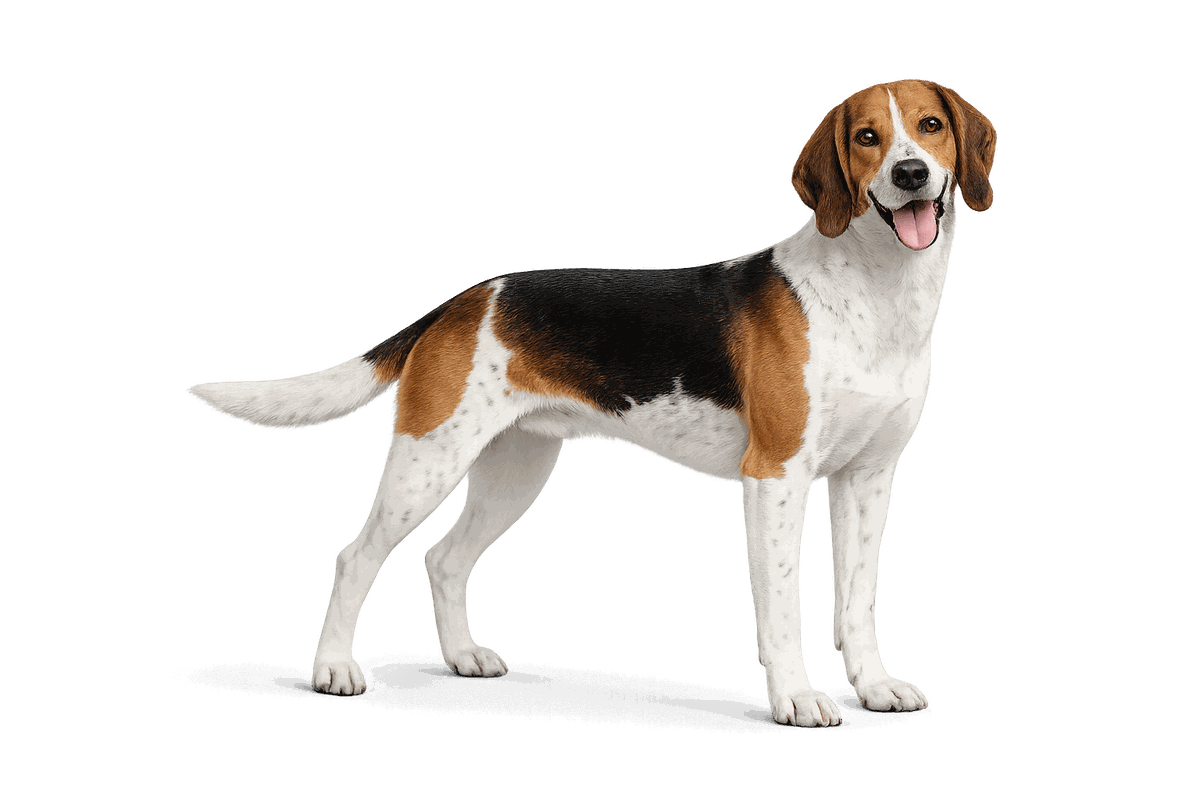
Weight
35-45 lb
Height
16-21 in
Lifespan
10-13 yrs
Coat
Smooth Short
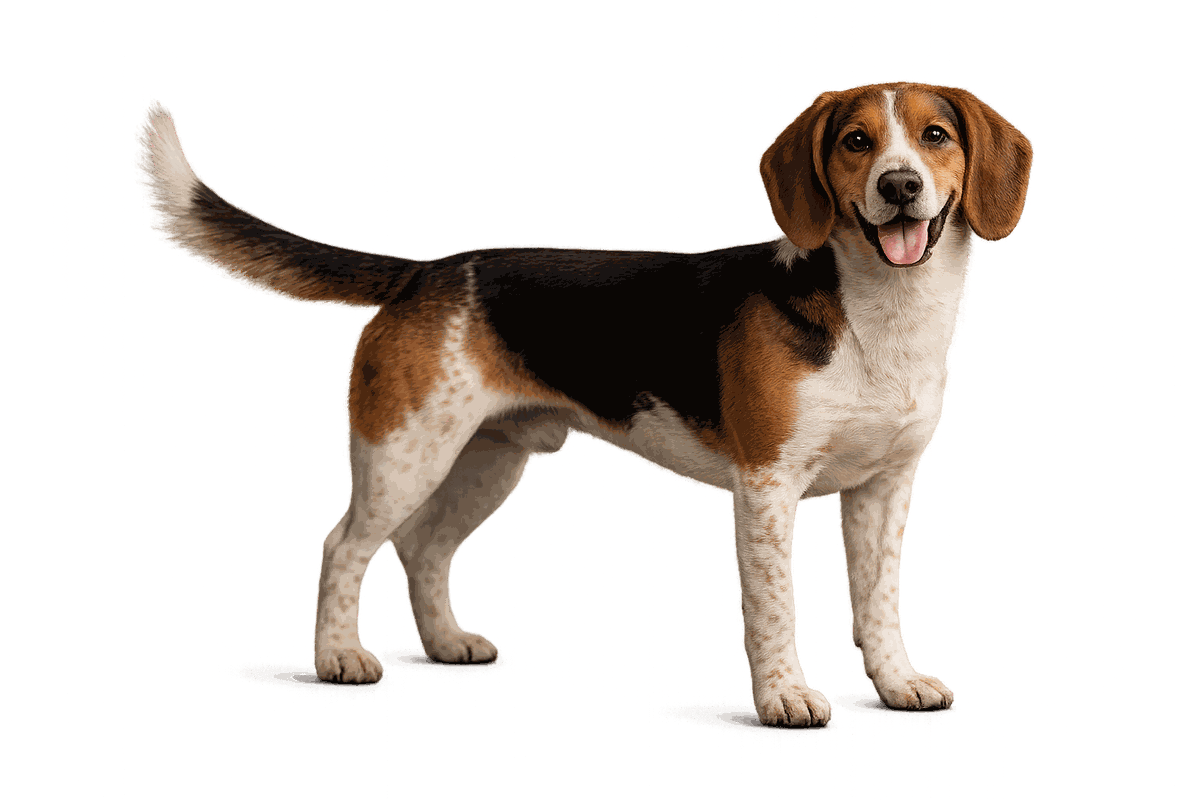
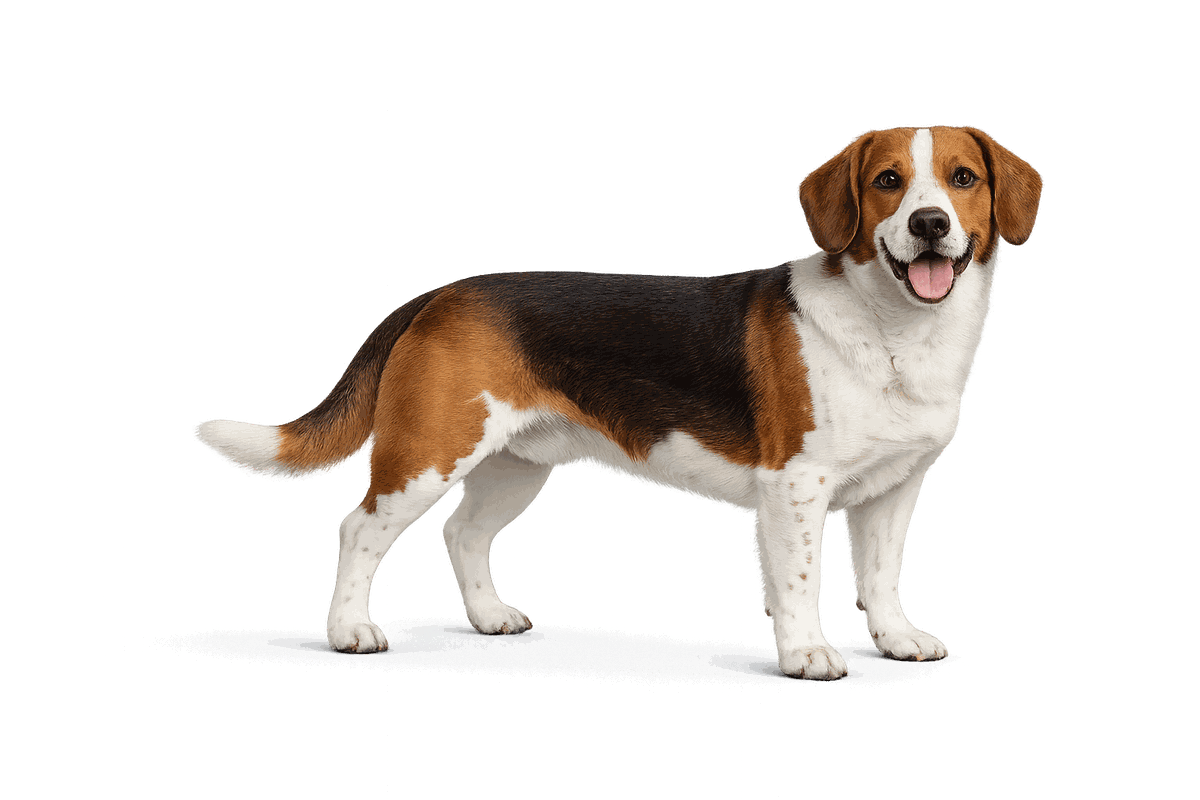
The German Hound, or Deutsche Bracke, is a medium German scenthound from Westphalia with a tricolor coat, strong nose, and steady hunting temperament.
Official, native, and commonly used variants
Weight
35-45 lb
Height
16-21 in
Lifespan
10-13 yrs
Coat
Smooth Short
At A Glance
A quick read on energy, upkeep, and what day-to-day life with this breed usually feels like.
Energy
High
Barking
Moderate
Drooling
Low
Shedding
Moderate
Grooming
1/5
First-time owner
No
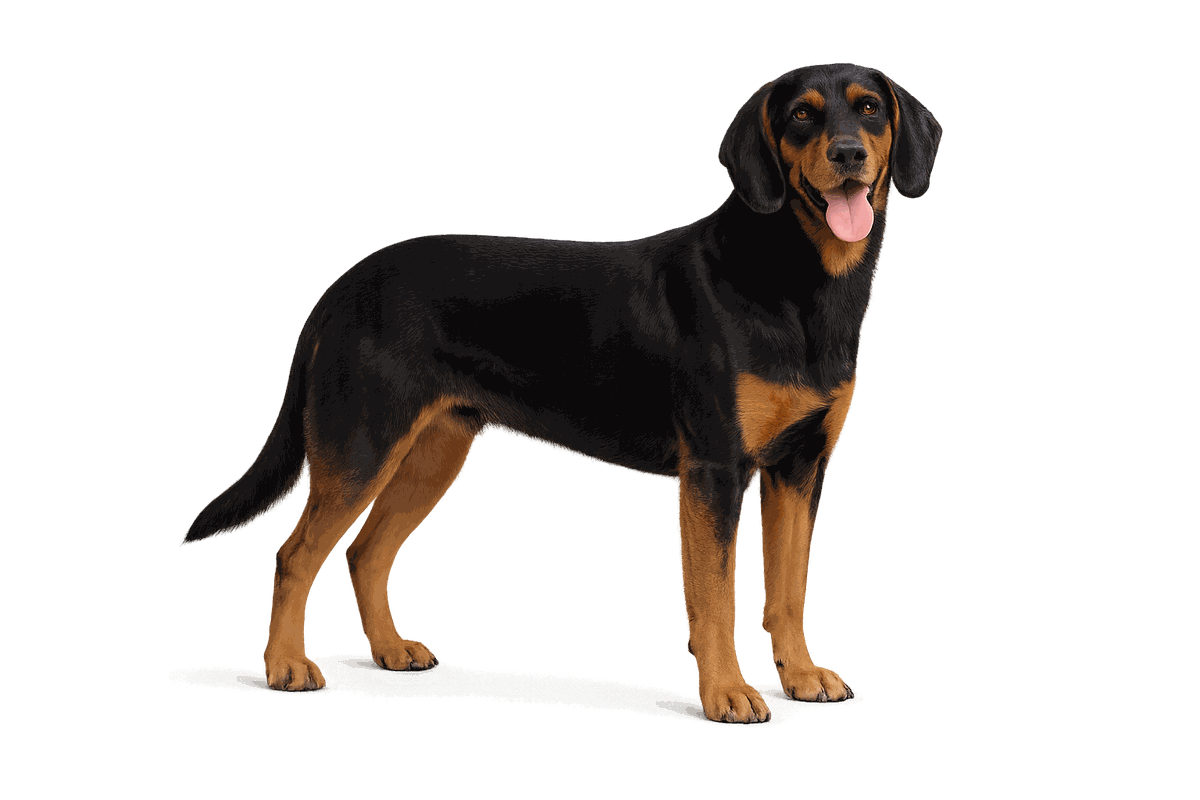
The German Hound, known in Germany as the Deutsche Bracke, is a scenthound from Westphalia. It developed from regional Bracke hounds and is used for hunting with a strong nose, endurance, and voice. It is medium-sized rather than large, with a narrow, elegant outline and a practical short coat.
The coat is tricolor: red to yellow with a black mantle or saddle and the traditional white Bracken markings on muzzle, chest, legs, collar, blaze, and tail tip. Grooming is straightforward, but the breed needs meaningful outdoor exercise and scent work.
A German Hound can be friendly and affectionate with its people, but it remains a hunting hound. It is best for active owners who understand scent drive, secure handling, and the need for recall management around wildlife.
This breed tends to suit homes looking for a friendly, determined, enduring companion, with daily rhythms shaped by high energy, moderate barking, and low drooling.
Coat type
Smooth
Coat length
Short
Shedding
Moderate
Colors
Red and Black, Yellow and Black, Tricolor, White Markings
The German Hound is usually a difficult apartment fit because it needs long outdoor work and can become vocal or restless when under-exercised.
It may bark or bay when working scent or excited. Provide scent outlets and train quiet routines early.
Use positive hound training with long lines, rewards, and practical field management. Recall should be treated as a long-term project.
Brush weekly and check ears, paws, nails, and skin after outdoor exercise.
Most German Hounds need long daily walks and scent work, often 60 to 90 minutes or more. Tracking games, hiking, and controlled hunting-style outlets suit the breed.
The short coat needs light brushing. Check drop ears, nails, paws, and skin after outdoor activity or hunting work.
Use reward-based training and realistic hound management. Recall, long-line work, leash manners, and calm behavior around game scent should start early.
Feed measured portions for a lean active hound and adjust for hunting season or heavy exercise. Keep body condition fit and athletic.
Energy level
High
Barking level
Moderate
Drooling level
Low
Watchdog ability
2/5
Guard dog ability
1/5
Climate tolerance
Common concerns to discuss with your vet and breeder.
This profile was researched from established breed and canine-care references. Breed tendencies describe typical patterns, not a guarantee for every individual dog.
Reviewed by the Dogs Index Editorial Team. For health or behavior concerns, consult a veterinarian or appropriately qualified professional.
Our Shop
Browse practical products for feeding, grooming, cleanup, enrichment, and smoother daily routines.