Apartment fit
The Finnish Spitz is difficult in apartments mainly because of voice. Exercise helps, but barking is breed-typical and must be managed honestly.
 Finland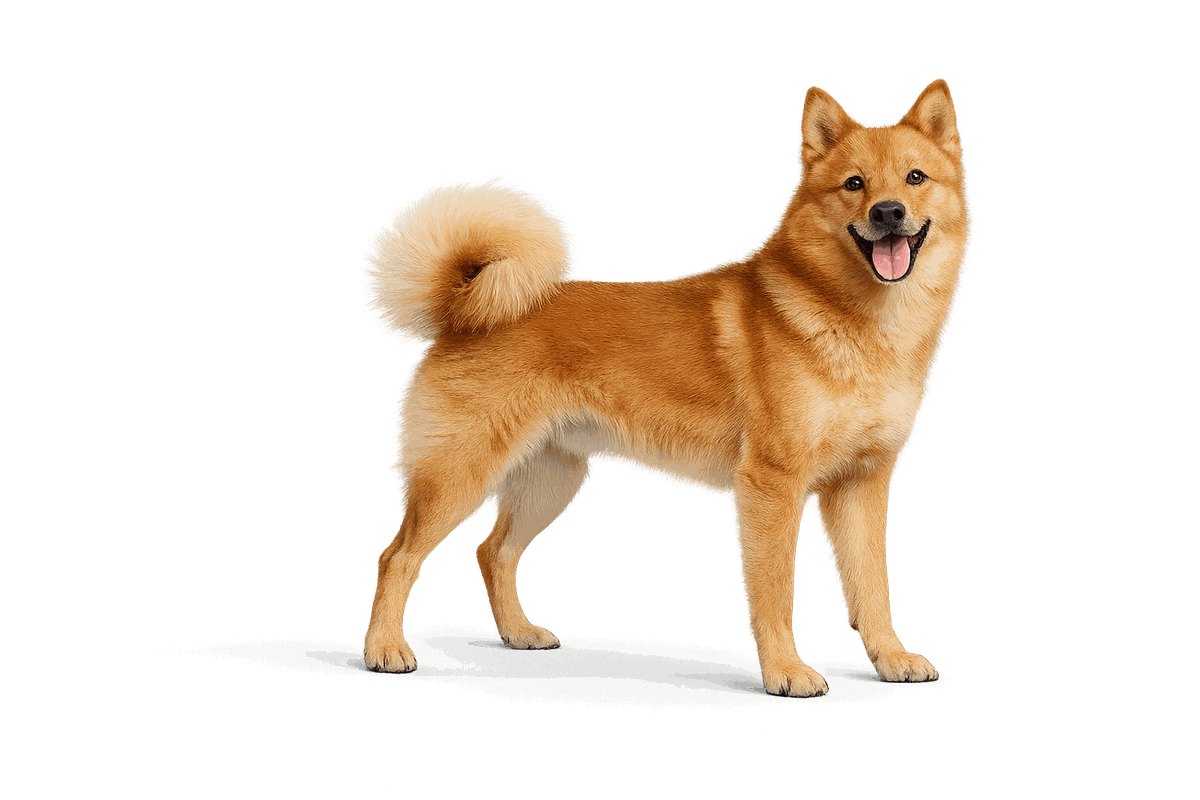
Weight
20-33 lb
Height
15.5-20 in
Lifespan
13-15 yrs
Coat
Double Medium
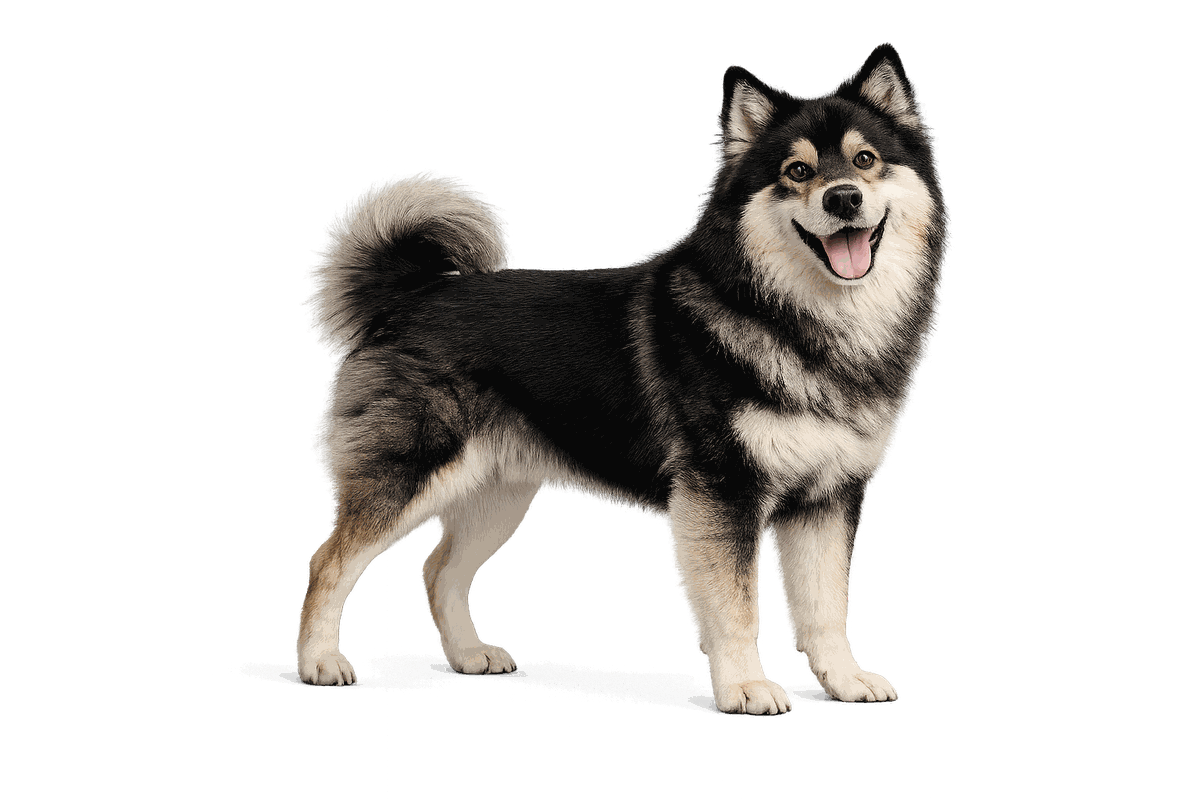
The Finnish Spitz is a medium Finnish hunting spitz, famous as a barking bird dog with a golden-red coat, lively nature, and strong voice.
Official, native, and commonly used variants
Weight
20-33 lb
Height
15.5-20 in
Lifespan
13-15 yrs
Coat
Double Medium
At A Glance
A quick read on energy, upkeep, and what day-to-day life with this breed usually feels like.
Energy
High
Barking
High
Drooling
Low
Shedding
Moderate
Grooming
3/5
First-time owner
No
The Finnish Spitz, or Suomenpystykorva, is Finland's national dog and a traditional barking bird dog. Its job is to locate game birds and hold them by barking, so vocal behavior is not a side issue in this breed; it is part of the original work. A Finnish Spitz is usually lively, alert, independent, and affectionate with family.
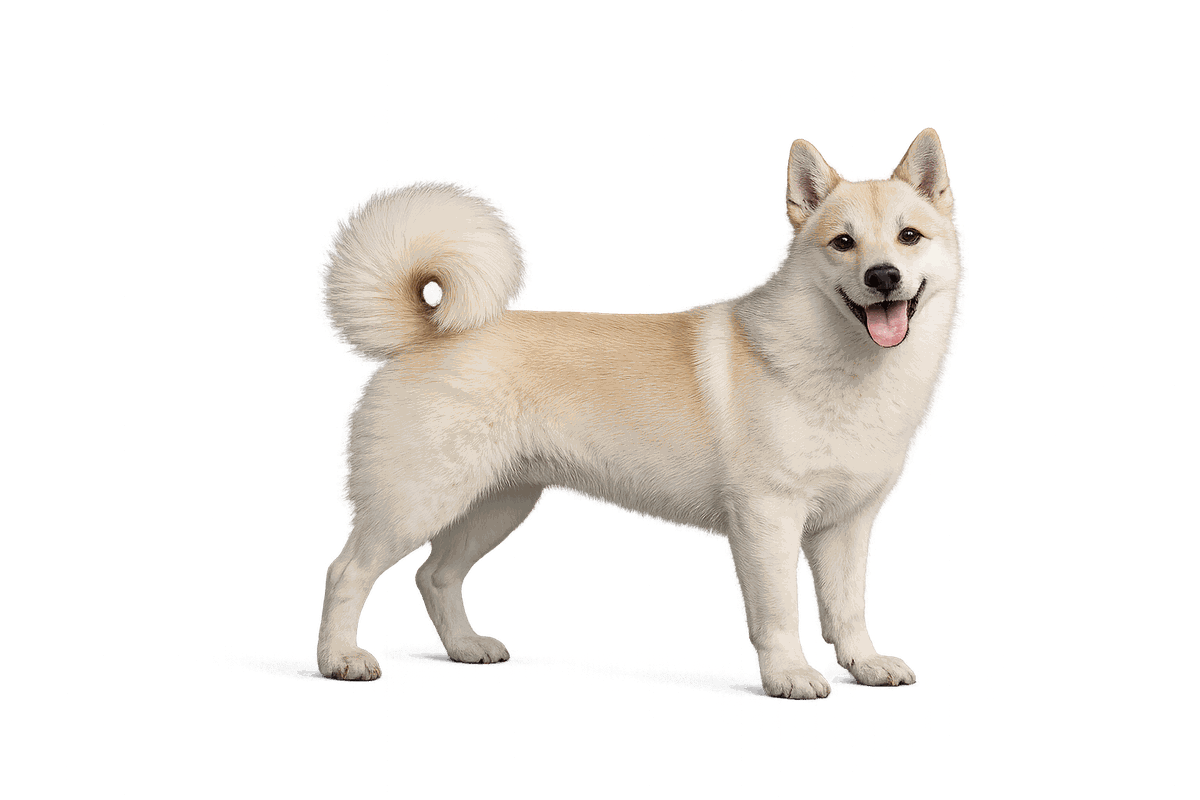
The breed is medium-sized and foxlike, with prick ears, a curled tail, and a dense double coat in golden-red to red shades. Puppies may be darker and lighten as they mature. Grooming is moderate most of the year but heavier during seasonal shedding.
A Finnish Spitz suits owners who enjoy an active, vocal spitz and can train with patience. It can live as a companion dog, but barking, prey interest, and independent decision-making need early guidance.
This breed tends to suit homes looking for a lively, alert, vocal companion, with daily rhythms shaped by high energy, high barking, and low drooling.
Coat type
Double
Coat length
Medium
Shedding
Moderate
Colors
Golden Red, Red Gold, Honey Red, Auburn
The Finnish Spitz is difficult in apartments mainly because of voice. Exercise helps, but barking is breed-typical and must be managed honestly.
Barking is central to the breed's original work. Teach quiet cues and calm routines, but do not choose this breed expecting silence.
Use rewards, short sessions, recall management, and patience. The breed can be clever and affectionate, but it is also independent and easily distracted outdoors.
Brush weekly and more during shedding seasons. Maintain nails, teeth, ears, and the double coat without shaving it.
Most Finnish Spitz need active daily walks, play, and training or hunting-style enrichment. They are agile and lively, and they do best when they can use their nose, eyes, and voice in structured ways.
Brush weekly and more often during shedding seasons. The double coat should not be shaved; remove loose undercoat and keep nails, ears, teeth, and paw fur maintained.
Use positive training, short sessions, and patience. Barking should be guided with quiet cues and management, but owners should understand that vocal work is part of the breed's heritage.
Feed measured portions for a medium active spitz and watch weight under the coat. Adjust portions for activity level and age.
Energy level
High
Barking level
High
Drooling level
Low
Watchdog ability
4/5
Guard dog ability
1/5
Climate tolerance
Common concerns to discuss with your vet and breeder.
This profile was researched from established breed and canine-care references. Breed tendencies describe typical patterns, not a guarantee for every individual dog.
Reviewed by the Dogs Index Editorial Team. For health or behavior concerns, consult a veterinarian or appropriately qualified professional.
Our Shop
Browse practical products for feeding, grooming, cleanup, enrichment, and smoother daily routines.