Apartment fit
The German Spitz can fit apartments well if barking is trained and exercise is consistent.
 Germany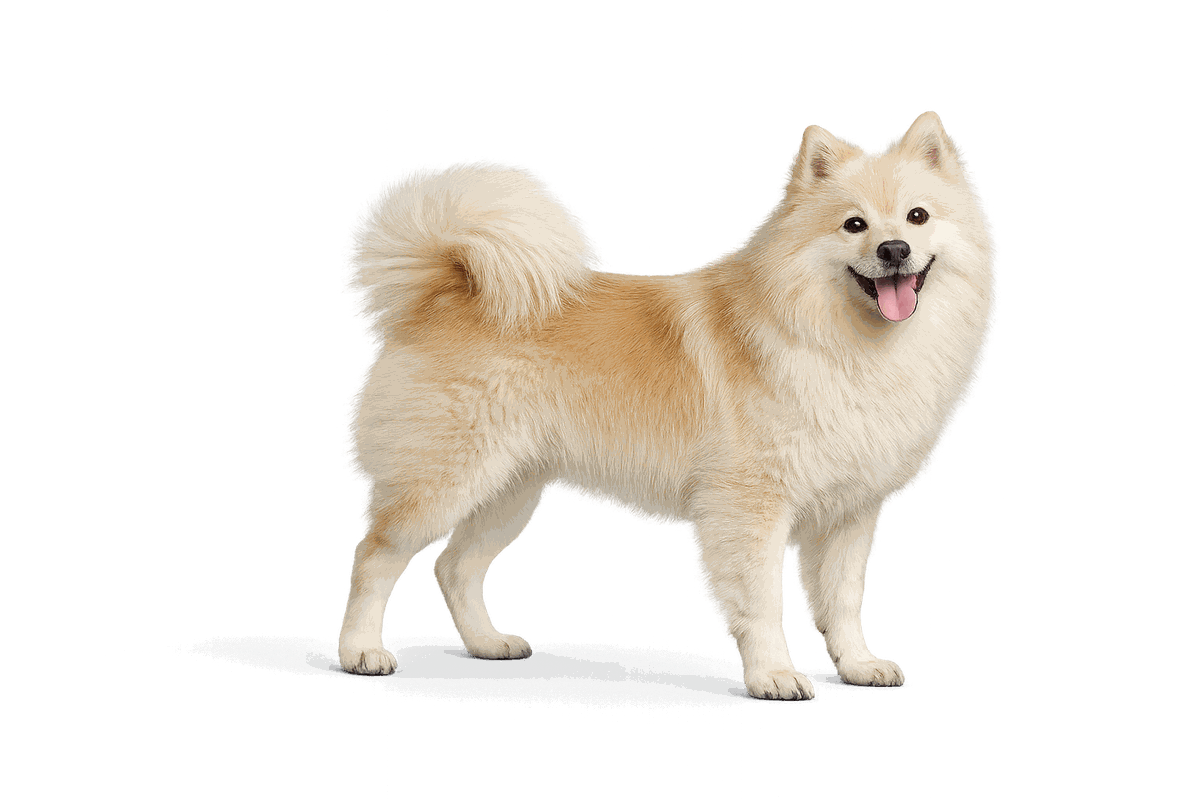
Weight
18-30 lb
Height
12-15 in
Lifespan
13-15 yrs
Coat
Double Long
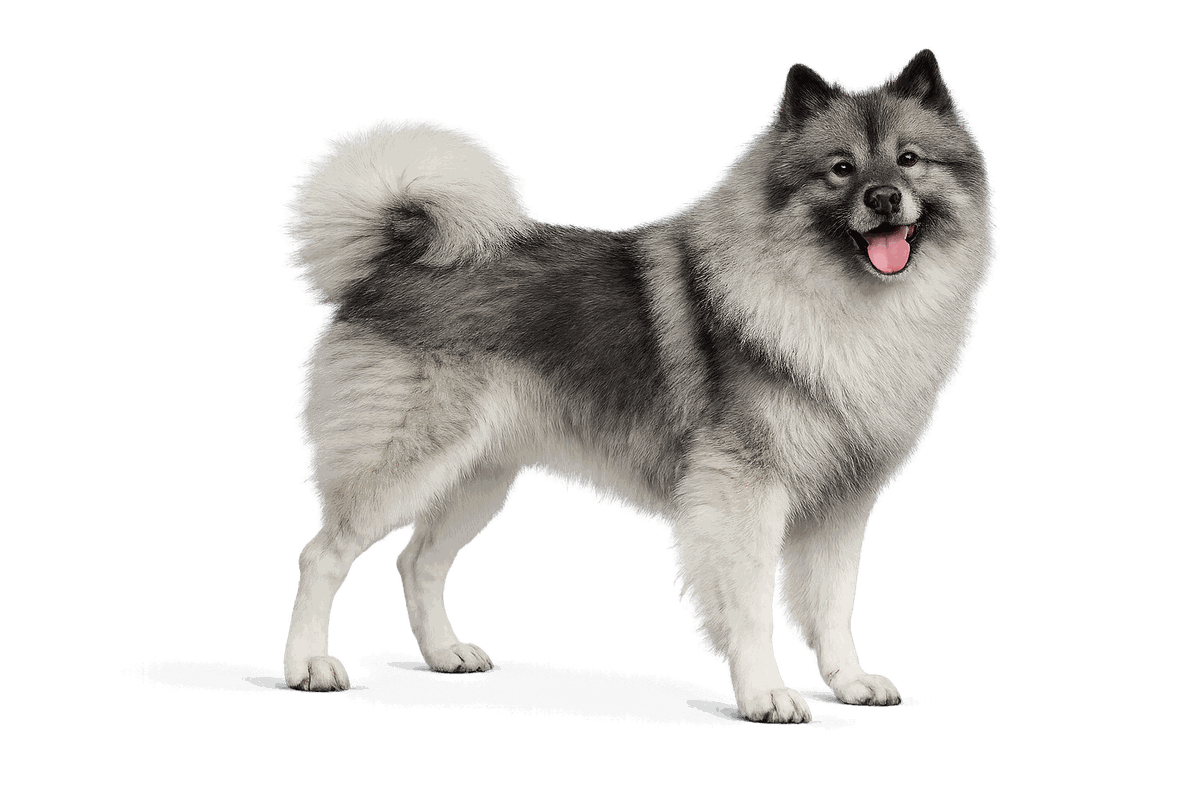
The German Spitz is a German companion and watchdog spitz, lively and devoted, with a dense double coat and several FCI size varieties.
Official, native, and commonly used variants
Weight
18-30 lb
Height
12-15 in
Lifespan
13-15 yrs
Coat
Double Long
At A Glance
A quick read on energy, upkeep, and what day-to-day life with this breed usually feels like.
Energy
Moderate
Barking
High
Drooling
Low
Shedding
Moderate
Grooming
4/5
First-time owner
Yes
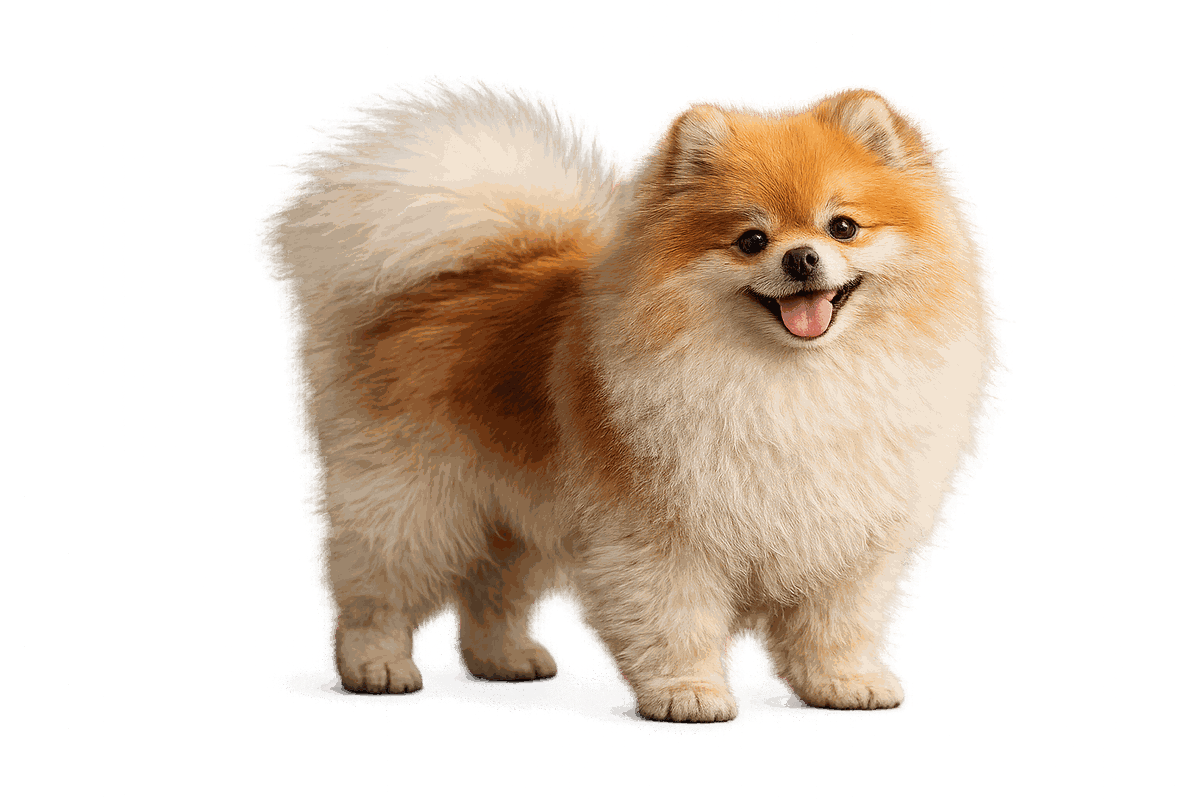
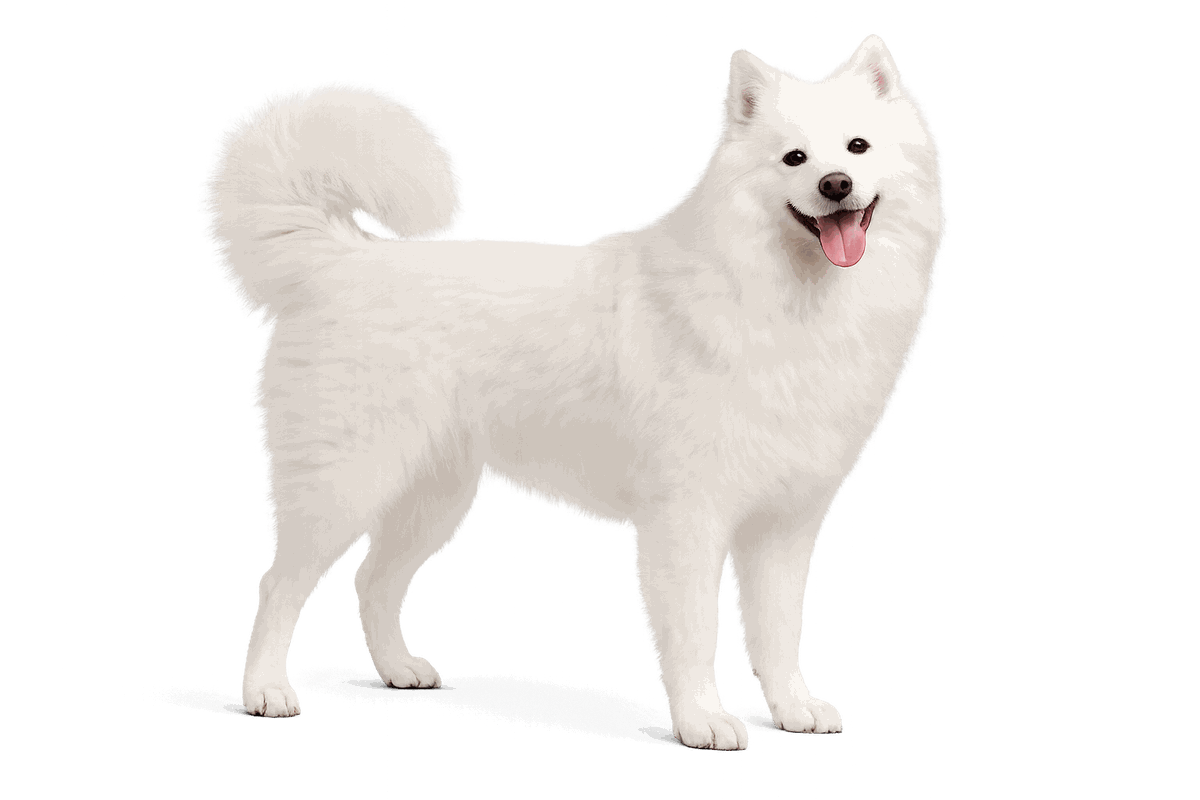
The German Spitz, or Deutscher Spitz, is one of Central Europe's old spitz-type breeds. The FCI standard includes several size varieties, from Wolfsspitz/Keeshond down to Zwergspitz/Pomeranian. This DogsIndex profile focuses on the companion-sized German Spitz commonly represented by Klein and Mittel types, while noting that size varies by registry and variety.
German Spitz are lively, attentive, and strongly attached to their people. They were valued as alert watchdogs, so barking is a normal breed tendency rather than a surprise flaw. Early training should teach calm responses to visitors, hallway noise, and passing dogs.
The coat is a stand-off double coat with a thick undercoat, mane-like ruff, and plumed tail. Colors vary by variety and standard, including black, brown, white, orange, grey-shaded, cream, sable, particolor, and black-and-tan. Coat care and dental care are bigger commitments than the dog's size might suggest.
This breed tends to suit homes looking for a lively, devoted, attentive companion, with daily rhythms shaped by moderate energy, high barking, and low drooling.
Coat type
Double
Coat length
Long
Shedding
Moderate
Colors
Black, Brown, White, Orange, Gray Shaded, Cream, Sable, Particolor, Black and Tan
The German Spitz can fit apartments well if barking is trained and exercise is consistent.
Expect an alert dog that notices sound and movement. Teach quiet cues and reward calm observation rather than constant alarm barking.
Use positive, short sessions with variety. The breed is bright and attentive but can become noisy if routines are unclear.
Brush several times weekly, more during shedding, and maintain teeth, nails, ears, and coat behind the ears and tail.
Most companion-sized German Spitz need daily walks, play, and training, but not endurance-level exercise. Mental work and calm-watchdog routines are as important as mileage.
Brush the double coat several times a week and more during seasonal shedding. Do not shave the coat; remove loose undercoat and keep the ruff, trousers, tail, and behind the ears free of mats.
Use reward-based training with early work on barking, handling, recall, and calm greetings. German Spitz are quick and alert, so they learn patterns quickly, including bad ones.
Feed measured portions and monitor weight under the coat. Small-to-medium spitz dogs can gain weight if treats replace activity.
Energy level
Moderate
Barking level
High
Drooling level
Low
Watchdog ability
5/5
Guard dog ability
1/5
Climate tolerance
Common concerns to discuss with your vet and breeder.
This profile was researched from established breed and canine-care references. Breed tendencies describe typical patterns, not a guarantee for every individual dog.
Reviewed by the Dogs Index Editorial Team. For health or behavior concerns, consult a veterinarian or appropriately qualified professional.
Our Shop
Browse practical products for feeding, grooming, cleanup, enrichment, and smoother daily routines.