Apartment fit
The German Hunting Terrier is physically small but usually a poor apartment fit because of voice, intensity, and work drive.
 Germany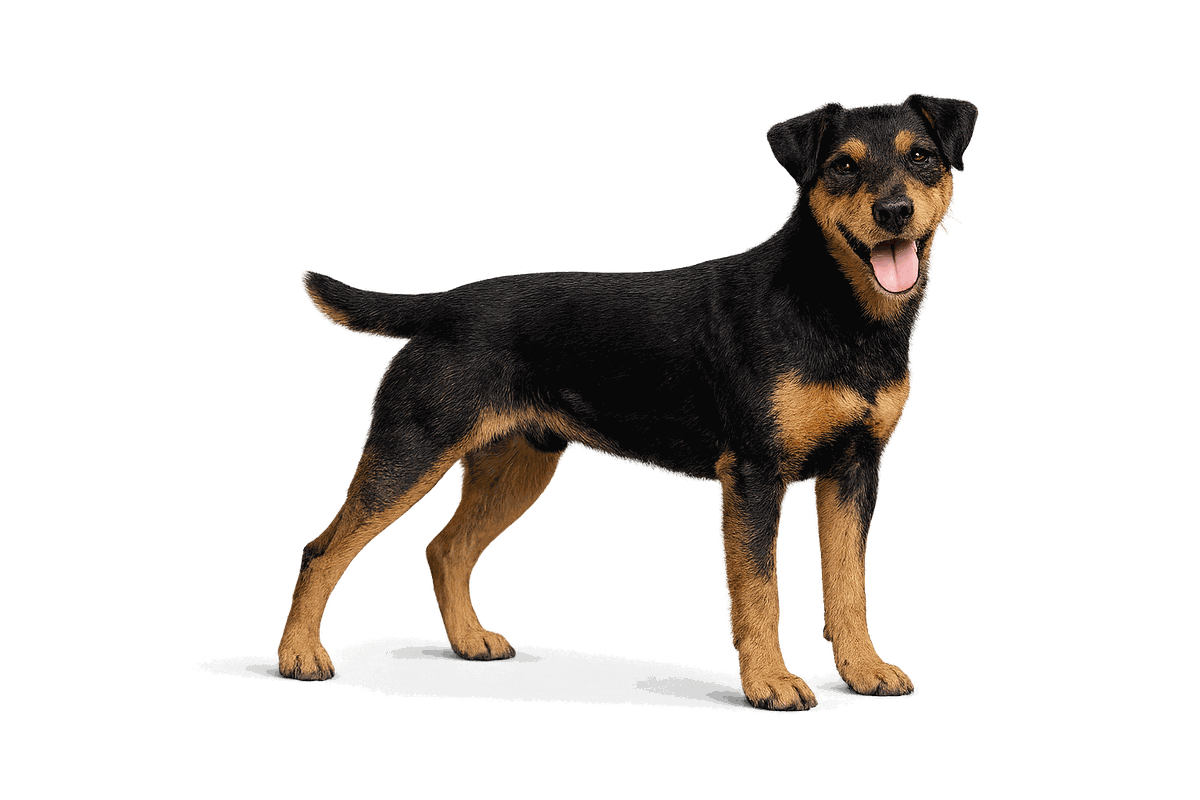
Weight
17-22 lb
Height
13-16 in
Lifespan
12-15 yrs
Coat
Rough or Smooth Short
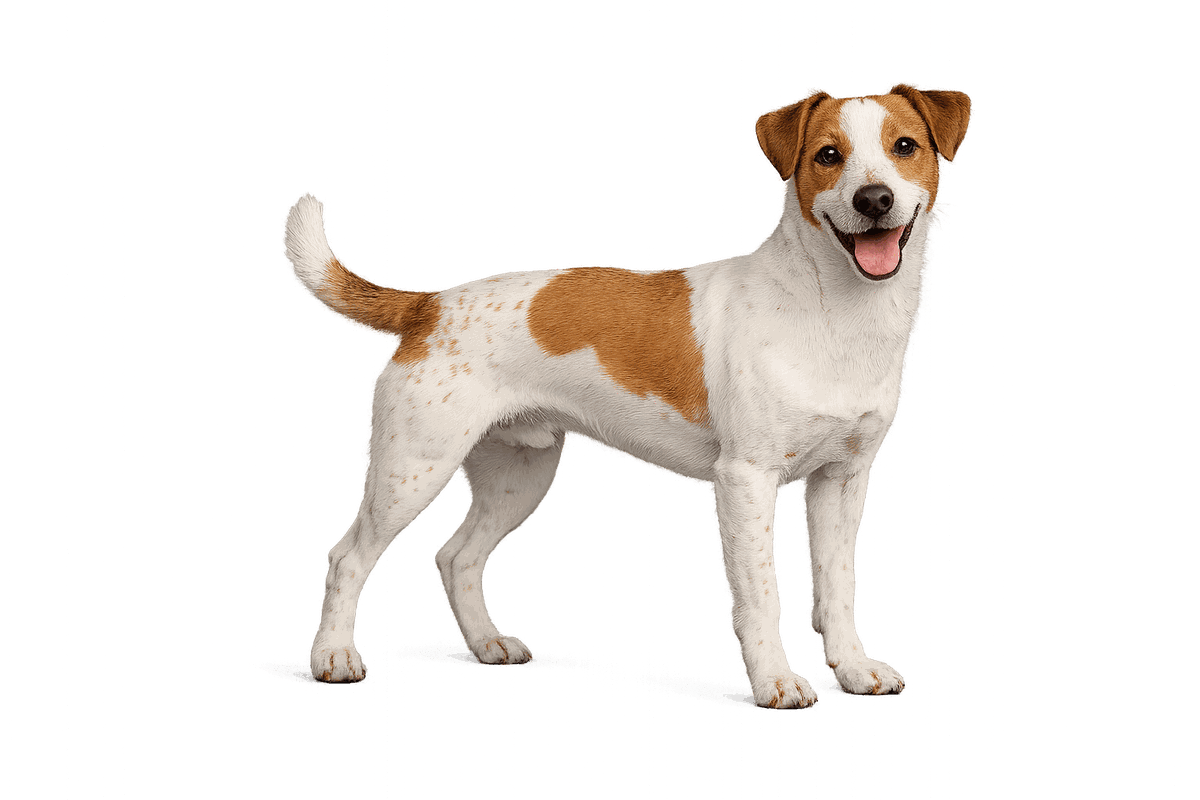
The German Hunting Terrier, or Jagdterrier, is a small German working terrier bred for serious hunting above and below ground, with courage, drive, and stamina.
Official, native, and commonly used variants
Weight
17-22 lb
Height
13-16 in
Lifespan
12-15 yrs
Coat
Rough or Smooth Short
At A Glance
A quick read on energy, upkeep, and what day-to-day life with this breed usually feels like.
Energy
Very High
Barking
High
Drooling
Low
Shedding
Moderate
Grooming
2/5
First-time owner
No
The German Hunting Terrier, better known internationally as the Jagdterrier or Deutscher Jagdterrier, is a compact working terrier from Germany. It was bred for versatile hunting, including work above and below ground, flushing, tracking, and retrieving. This is a specialist hunting terrier, not a casual small companion with terrier styling.
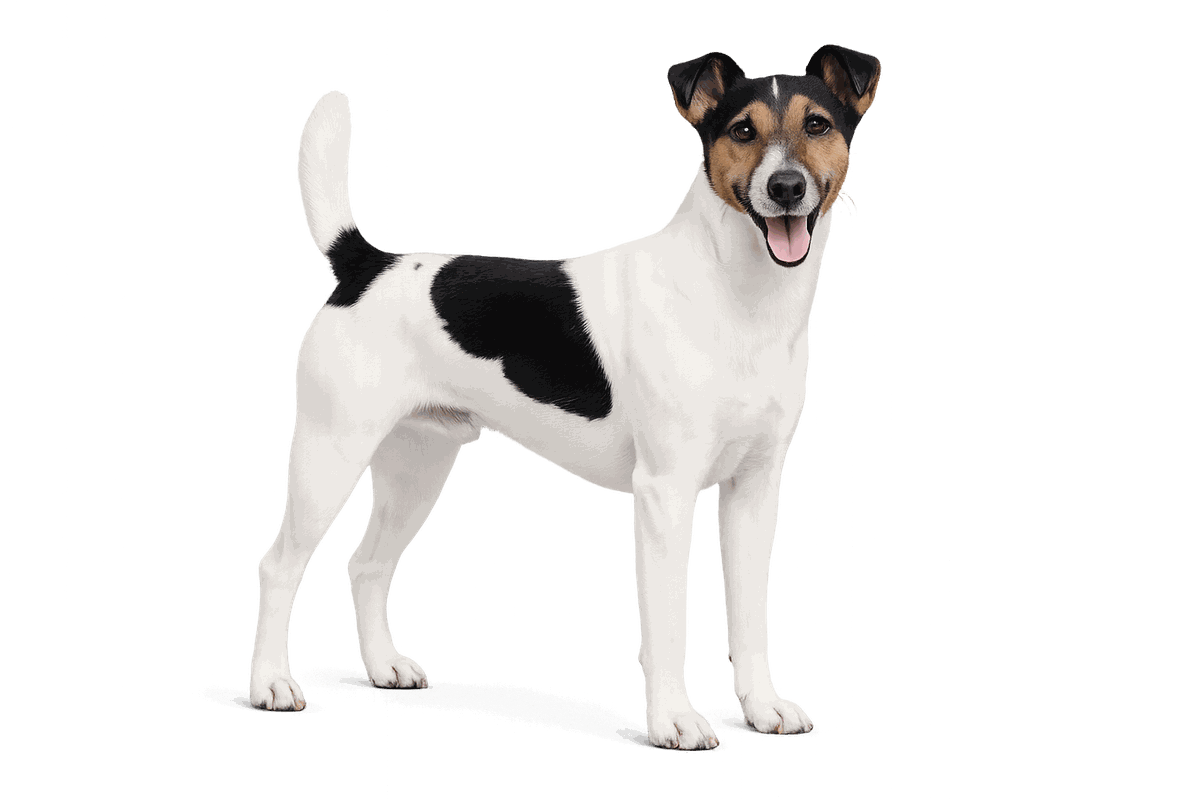
The breed is small to medium in height but intense in drive. It has a dense rough or smooth coat, usually black, dark brown, or black-gray with sharply defined tan markings. The body is functional and athletic, built for endurance, courage, and work in tight cover.
A Jagdterrier needs experienced owners who can provide real work, strict management around small animals, and consistent training. It is usually too intense for most first-time homes or apartments, even though the dog is physically compact.
This breed tends to suit homes looking for a courageous, tenacious, hard companion, with daily rhythms shaped by very high energy, high barking, and low drooling.
Coat type
Rough or Smooth
Coat length
Short
Shedding
Moderate
Colors
Black and Tan, Dark Brown and Tan, Grayish Black and Tan
The German Hunting Terrier is physically small but usually a poor apartment fit because of voice, intensity, and work drive.
Expect alert barking and hunting arousal. Exercise helps, but the dog still needs structured outlets for terrier instincts.
Use clear rules, rewards, long-line practice, and safe management around wildlife. Consistency matters more than repetition alone.
Coat care is practical, but field checks are important. Look over ears, paws, skin, and teeth after work.
Most Jagdterriers need hard daily exercise plus purposeful work. Hunting, tracking, controlled digging outlets, scent work, and structured training are far better fits than casual short walks.
Brush the coat weekly and check skin, ears, nails, teeth, and paws after field work. Rough-coated dogs may need occasional hand-stripping or coat tidying.
Train with experienced, consistent handling and reward-based structure. Recall, impulse control, handling, and safe management around wildlife, cats, and small pets are essential.
Feed measured portions for a lean, athletic terrier. Adjust food for heavy hunting work, and keep weight low enough for stamina and agility.
Energy level
Very High
Barking level
High
Drooling level
Low
Watchdog ability
4/5
Guard dog ability
1/5
Climate tolerance
Common concerns to discuss with your vet and breeder.
This profile was researched from established breed and canine-care references. Breed tendencies describe typical patterns, not a guarantee for every individual dog.
Reviewed by the Dogs Index Editorial Team. For health or behavior concerns, consult a veterinarian or appropriately qualified professional.
Our Shop
Browse practical products for feeding, grooming, cleanup, enrichment, and smoother daily routines.