Apartment fit
The German Roughhaired Pointer is usually not practical in apartments because it is a large field dog with high work needs.
 Germany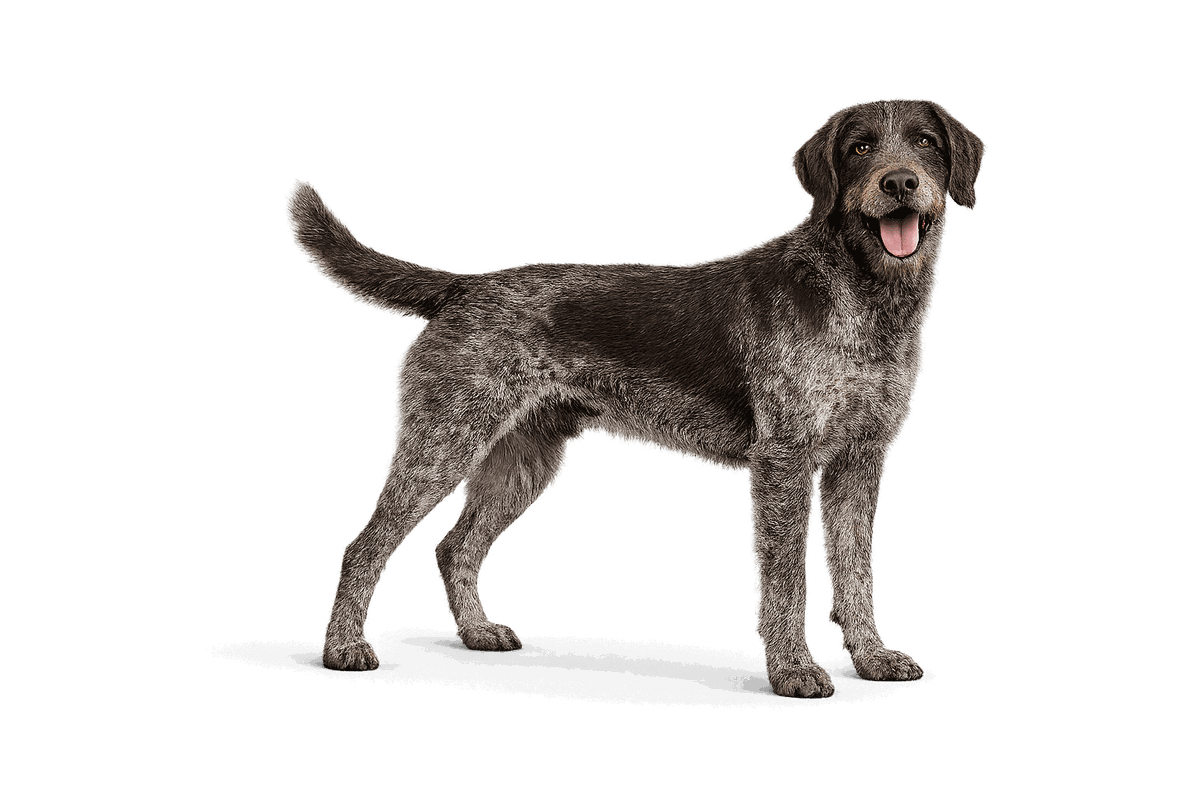
Weight
55-75 lb
Height
23-27.5 in
Lifespan
11-14 yrs
Coat
Rough Medium
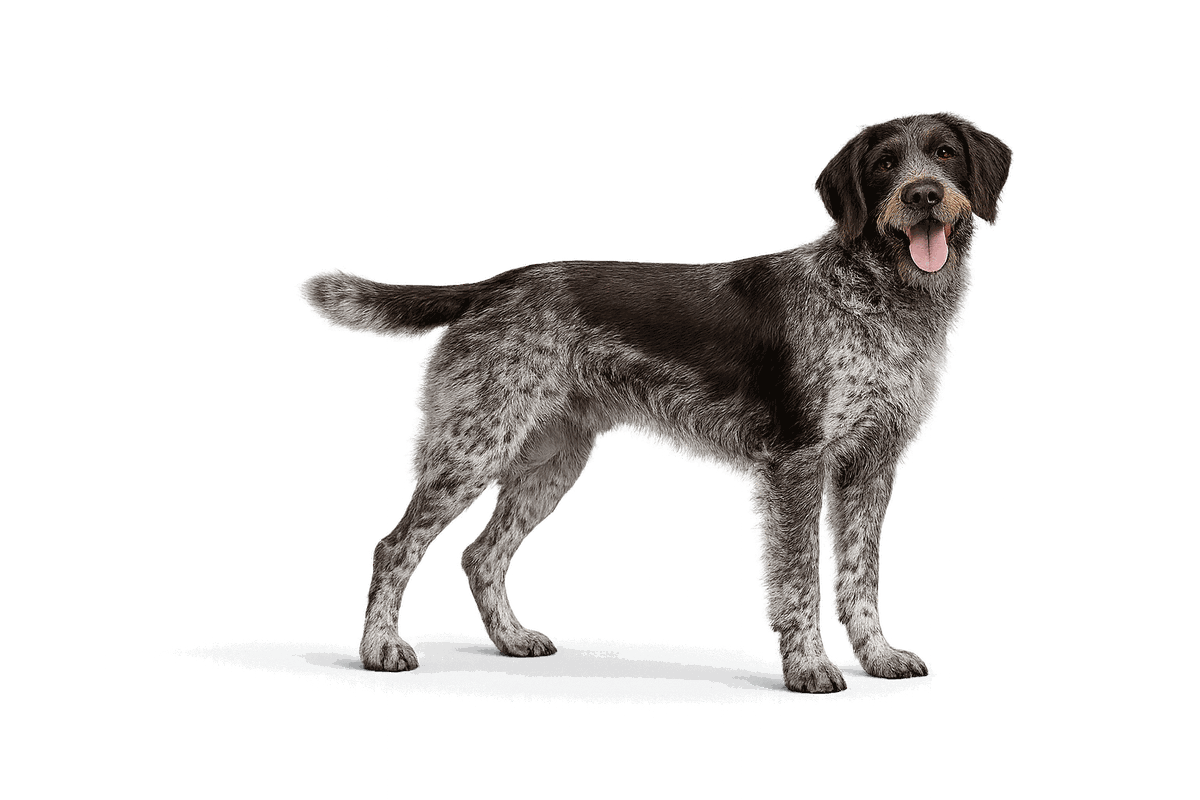
The German Roughhaired Pointer, or Deutsch Stichelhaar, is a large German pointing dog with a harsh bristly coat, calm temperament, and strong field ability.
Official, native, and commonly used variants
Weight
55-75 lb
Height
23-27.5 in
Lifespan
11-14 yrs
Coat
Rough Medium
At A Glance
A quick read on energy, upkeep, and what day-to-day life with this breed usually feels like.
Energy
High
Barking
Moderate
Drooling
Low
Shedding
Moderate
Grooming
3/5
First-time owner
No
The German Roughhaired Pointer, known as the Deutsch Stichelhaar, is one of Germany's rough-coated pointing breeds. It is a versatile hunting dog used for pointing, retrieving, tracking, and work in difficult cover. The breed should be calm and balanced but still needs serious outdoor work.
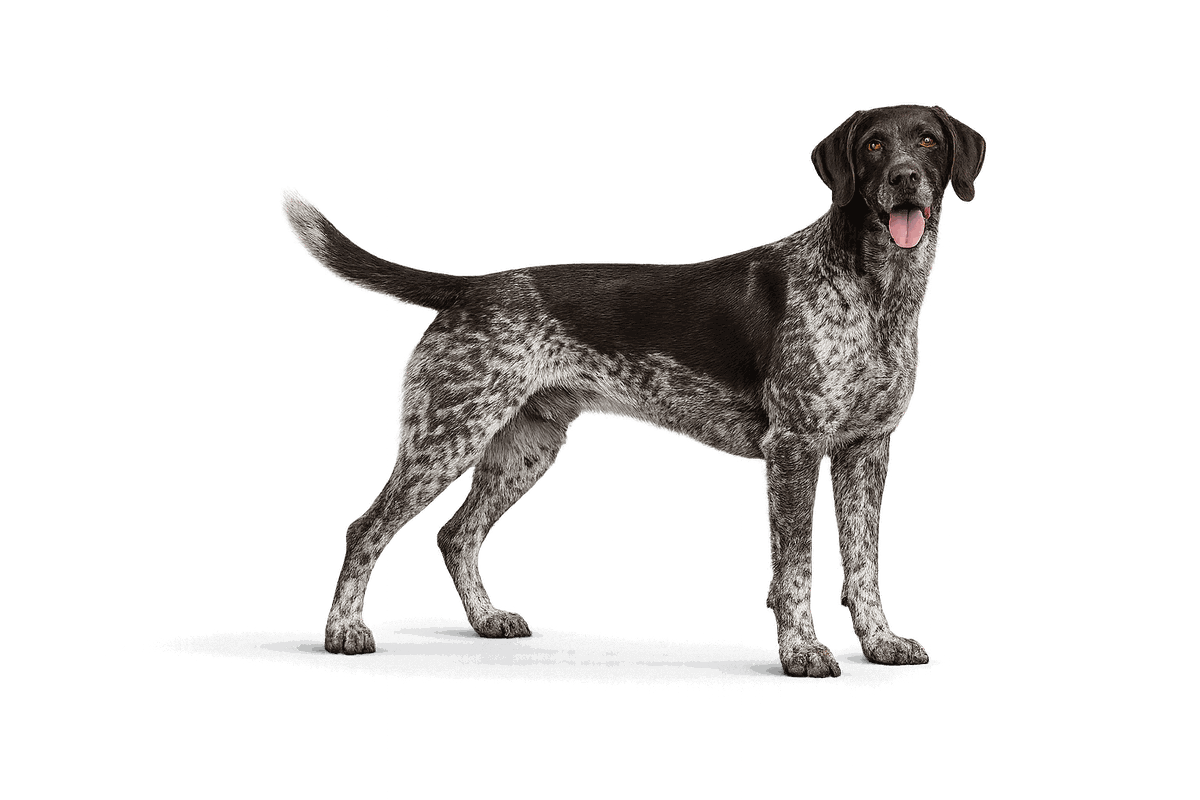
The coat is not the same as the German Wirehaired Pointer's coat. The Stichelhaar has harsh, bristly hair with protective eyebrows and a moderate beard, and standard colors include brown, brown roan, light roan, and brown-white patterns, sometimes with brown patches or plates.
This breed suits hunters and experienced gundog owners who can provide field work, training, and regular coat checks. It is rare and should not be chosen only as a novelty; its value is in working ability, steadiness, and rugged practical coat.
This breed tends to suit homes looking for a calm, balanced, determined companion, with daily rhythms shaped by high energy, moderate barking, and low drooling.
Coat type
Rough
Coat length
Medium
Shedding
Moderate
Colors
Brown, Brown Roan, Light Roan, Brown and White, Brown Patches
The German Roughhaired Pointer is usually not practical in apartments because it is a large field dog with high work needs.
Under-exercised dogs may become vocal or restless. Field outlets and calm training are important.
Use steady, reward-based gundog training with real outdoor practice. Recall and steadiness should be built carefully.
Comb the rough coat, check facial furnishings and ears, and remove burrs after field work.
Most German Roughhaired Pointers need 90 minutes or more of daily exercise when not doing field work. Tracking, pointing, retrieving, hiking, and water work are appropriate outlets.
Brush and comb the harsh coat regularly, especially after field work. Check beard, eyebrows, ears, paws, and underside for burrs, seeds, and skin irritation.
Use calm, reward-based gundog training with recall, steadiness, retrieving, and controlled exposure to birds and game scent. The breed is capable but needs a job.
Feed for a lean active hunting dog and adjust portions to workload. Avoid excess weight that limits endurance.
Energy level
High
Barking level
Moderate
Drooling level
Low
Watchdog ability
3/5
Guard dog ability
1/5
Climate tolerance
Common concerns to discuss with your vet and breeder.
This profile was researched from established breed and canine-care references. Breed tendencies describe typical patterns, not a guarantee for every individual dog.
Reviewed by the Dogs Index Editorial Team. For health or behavior concerns, consult a veterinarian or appropriately qualified professional.
Our Shop
Browse practical products for feeding, grooming, cleanup, enrichment, and smoother daily routines.