Apartment fit
The German Spaniel is usually a poor apartment fit because it is a driven hunting dog with voice, stamina, and outdoor needs.
 Germany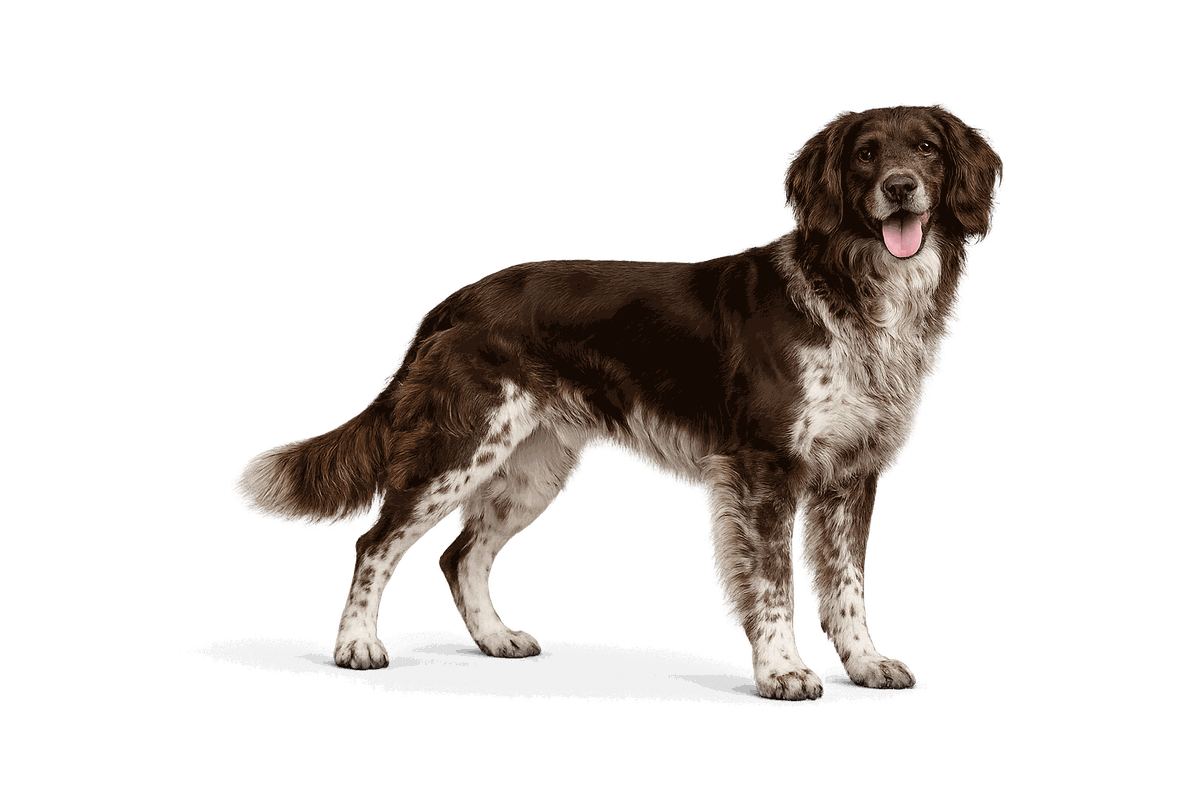
Weight
40-55 lb
Height
18-21 in
Lifespan
12-14 yrs
Coat
Wavy Medium
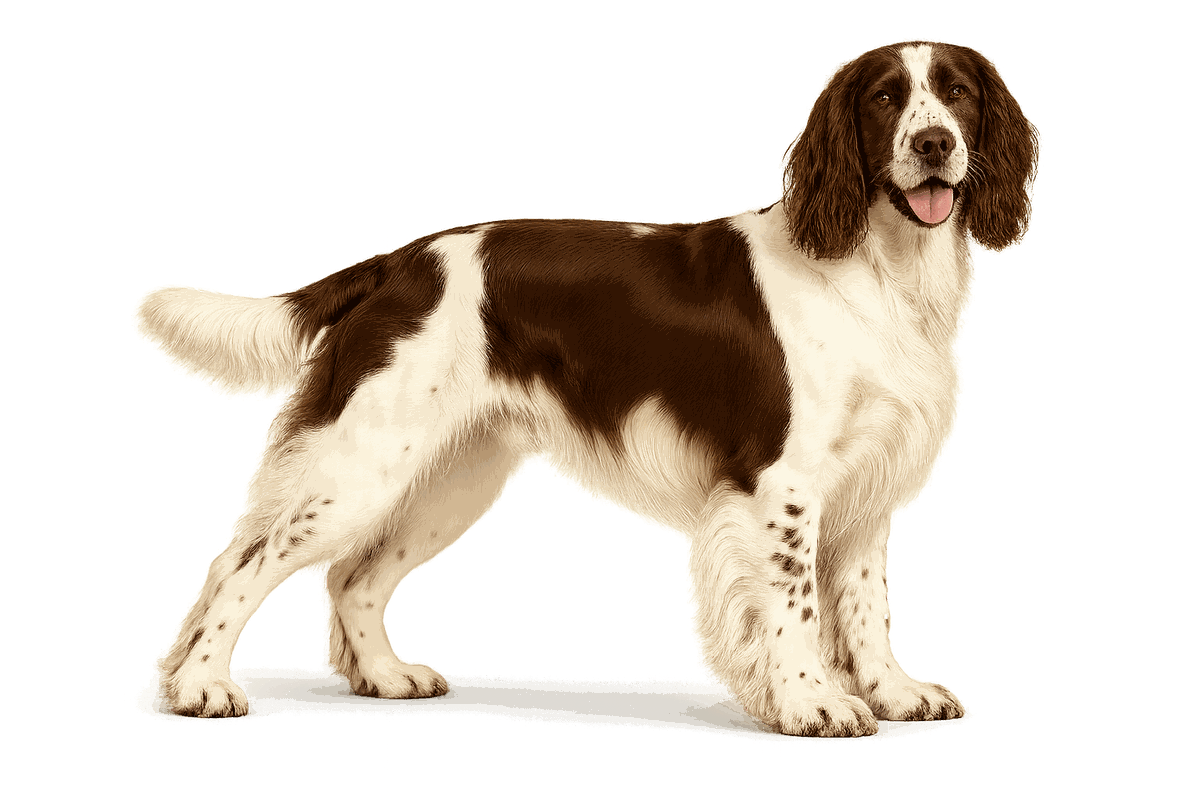
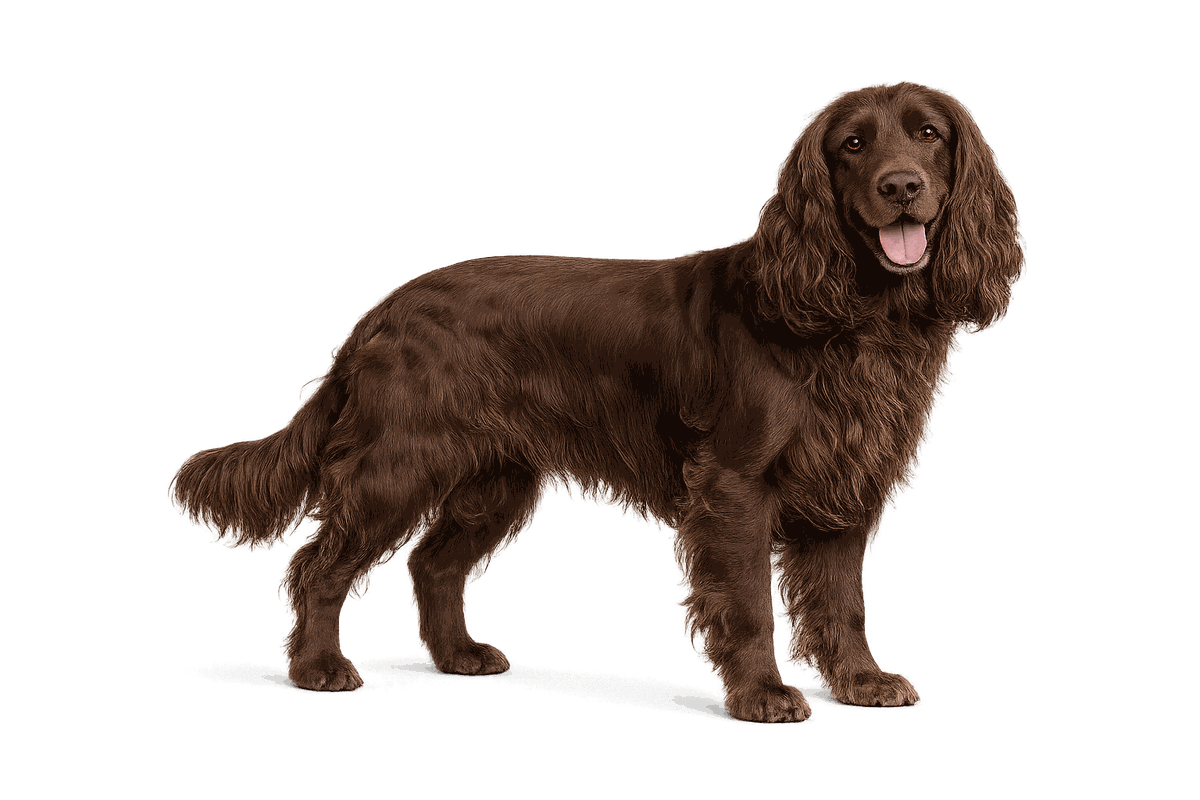
The German Spaniel, or Deutscher Wachtelhund, is a medium German flushing and versatile hunting dog bred for hunters, with a dense wavy coat and strong nose.
Official, native, and commonly used variants
Weight
40-55 lb
Height
18-21 in
Lifespan
12-14 yrs
Coat
Wavy Medium
At A Glance
A quick read on energy, upkeep, and what day-to-day life with this breed usually feels like.
Energy
High
Barking
High
Drooling
Low
Shedding
Moderate
Grooming
3/5
First-time owner
No
The German Spaniel, known in Germany as the Deutscher Wachtelhund, is a versatile hunting dog rather than a typical pet spaniel. It was developed for flushing game, tracking wounded game, retrieving, and water work. The breed is closely associated with hunters and is expected to work with nose, voice, and endurance.
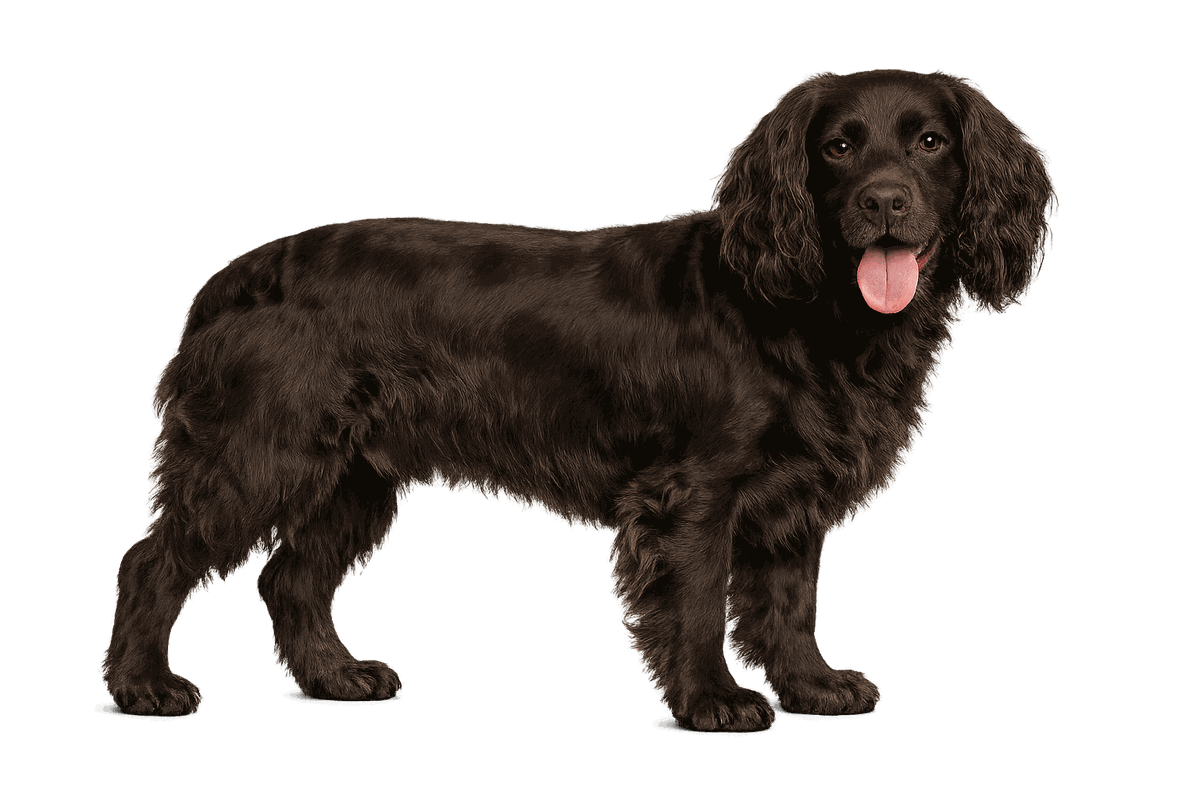
The German Spaniel is medium-sized and sturdy, with a dense, wavy to curly coat and feathering. Standard colors are mainly brown, red, brown roan, and red roan, often with white markings or patches. The coat is practical for cover and water but needs brushing, burr removal, and ear care.
This breed suits hunting homes and very active owners who can provide field-style work. It is usually friendly and trainable, but its drive, voice on scent, and need for work make it a poor choice for low-exercise households.
This breed tends to suit homes looking for a friendly, passionate, versatile companion, with daily rhythms shaped by high energy, high barking, and low drooling.
Coat type
Wavy
Coat length
Medium
Shedding
Moderate
Colors
Brown, Red, Brown Roan, Red Roan, White Markings
The German Spaniel is usually a poor apartment fit because it is a driven hunting dog with voice, stamina, and outdoor needs.
Expect vocal work on scent and excitement. Training can shape control, but voice is part of the breed's hunting function.
Use positive field training with recall, tracking, retrieving, and water work. The breed does best with purposeful jobs.
Brush the wavy coat regularly and check ears, paws, feathering, and underside after field work.
Most German Spaniels need long daily outdoor exercise and hunting-style work. Flushing games, tracking, retrieving, water work, and scent tasks suit the breed better than simple leash walks.
Brush the wavy coat several times a week and after field work. Check ears, feathering, paws, and underside for burrs, mats, grass seeds, and moisture.
Use reward-based hunting-dog training with recall, steadiness, retrieving, tracking, and calm handling around game scent. The breed is usually eager but driven.
Feed for a lean active hunting dog and adjust portions during hunting season or heavy field work. Keep weight controlled to protect stamina and joints.
Energy level
High
Barking level
High
Drooling level
Low
Watchdog ability
3/5
Guard dog ability
1/5
Climate tolerance
Common concerns to discuss with your vet and breeder.
This profile was researched from established breed and canine-care references. Breed tendencies describe typical patterns, not a guarantee for every individual dog.
Reviewed by the Dogs Index Editorial Team. For health or behavior concerns, consult a veterinarian or appropriately qualified professional.
Our Shop
Browse practical products for feeding, grooming, cleanup, enrichment, and smoother daily routines.