Apartment fit
Apartment life is a poor default fit because the breed is large, vocal, and strongly driven by scent. A rural or suburban home with secure outdoor access is usually more realistic.
 France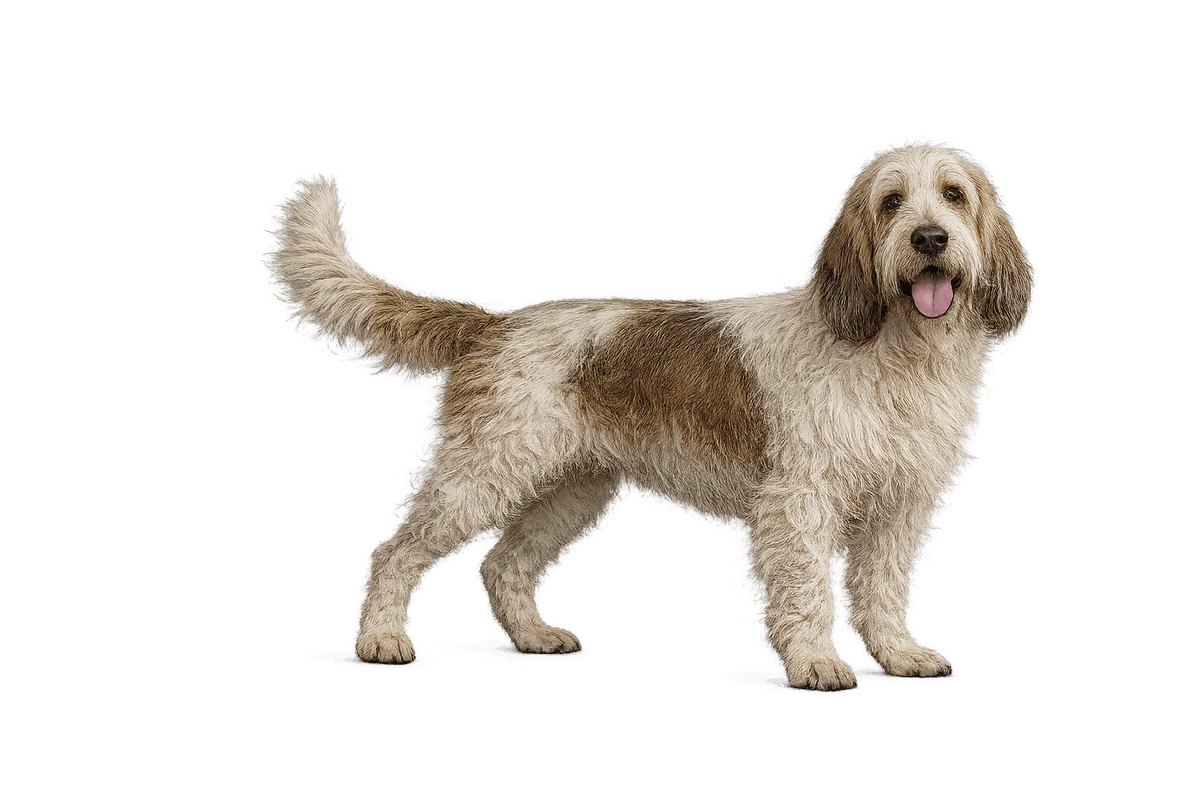
Weight
62-75 lb
Height
23.6-26.8 in
Lifespan
11-14 yrs
Coat
Wiry Medium
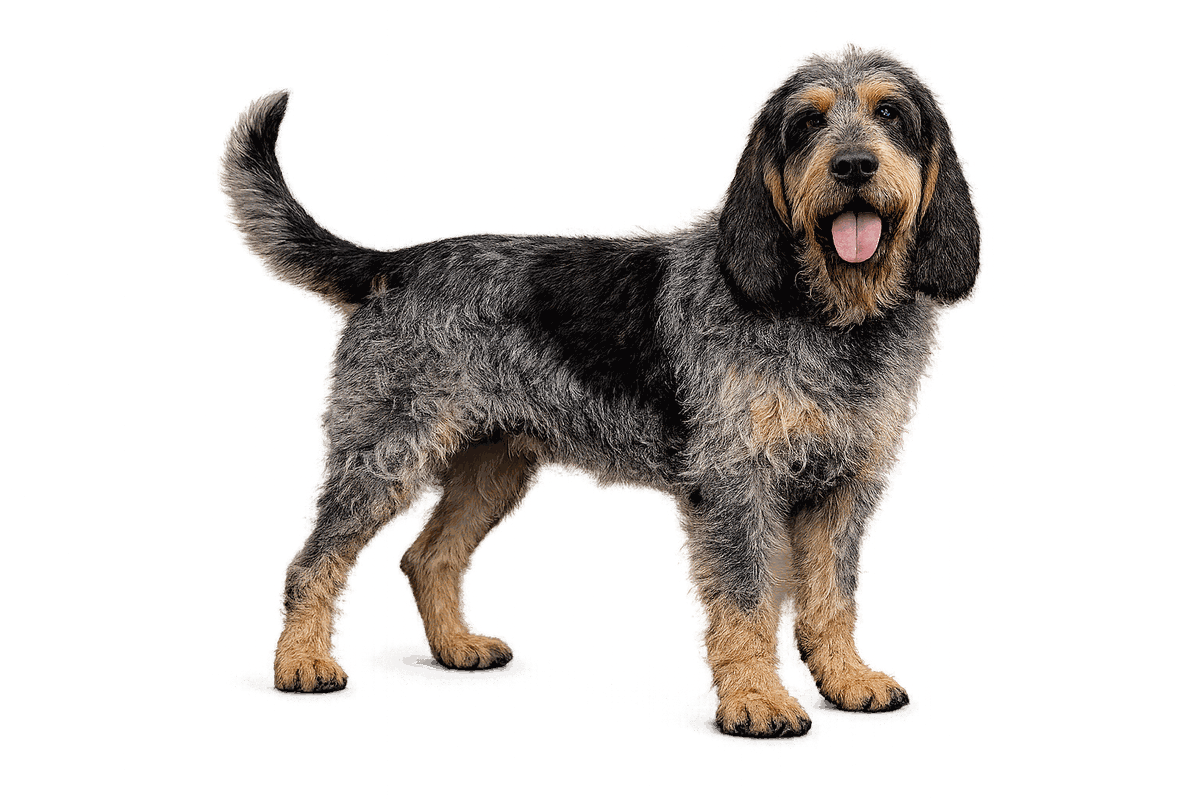
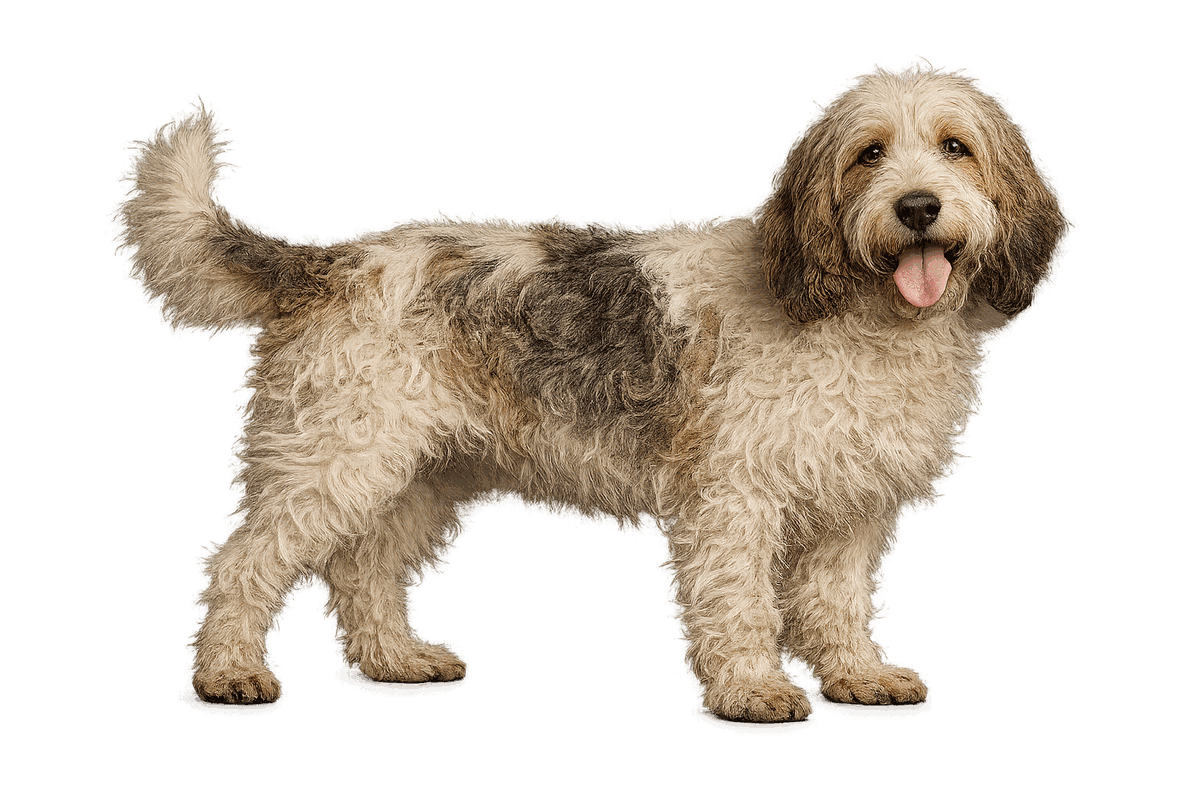
The Grand Griffon Vendeen is a large French scenthound with a rough coat, a strong voice, and a determined hunting style built for wide country.
Official, native, and commonly used variants
No widely used alternate names are recorded for this breed.
Weight
62-75 lb
Height
23.6-26.8 in
Lifespan
11-14 yrs
Coat
Wiry Medium
At A Glance
A quick read on energy, upkeep, and what day-to-day life with this breed usually feels like.
Energy
Very High
Barking
High
Drooling
Low
Shedding
Low
Grooming
3/5
First-time owner
No
The Grand Griffon Vendeen is an old French pack hound from the Vendee region, developed for hunting larger game such as deer, boar, and fox over demanding terrain. It is taller and longer-legged than the basset Vendeen breeds, with a rough protective coat, a keen nose, and the ringing voice expected of a working French hound.
This breed is best suited to active homes that understand scenthound independence. A Grand Griffon Vendeen can be affectionate and sociable, but it is also described in the FCI standard as docile yet wilful and passionate. Secure fencing, recall training, leash manners, and regular scent-based exercise matter more than formal obedience alone.
The coat is harsh and practical rather than polished. It needs weekly brushing, checks for burrs after outdoor work, and regular ear care because long-eared hounds are prone to trapped moisture and debris. Health information is limited because the breed is rare, so owners should discuss hips, eyes, ears, weight, and working injuries with breeders and veterinarians.
This breed tends to suit homes looking for a docile, wilful, passionate companion, with daily rhythms shaped by very high energy, high barking, and low drooling.
Coat type
Wiry
Coat length
Medium
Shedding
Low
Colors
White and Black, Black and Tan, White and Orange, Tricolour, Fawn, Wolf Colour, Badger Colour, Wild Boar Colour
Apartment life is a poor default fit because the breed is large, vocal, and strongly driven by scent. A rural or suburban home with secure outdoor access is usually more realistic.
Expect a strong hound voice and a tendency to follow scent before checking back with the handler. Early training should focus on leash skills, recall foundations, and calm settling after outdoor work.
Training should be consistent, reward-based, and practical. Food rewards, tracking games, and clear routines work better than repetitive drills with no purpose.
The rough medium coat is relatively low-shed but needs weekly brushing and hand checks after outdoor work. Long ears should be dried and checked regularly.
Plan serious daily activity for the Grand Griffon Vendeen: long walks, safe off-leash running only in enclosed areas, tracking games, and scent work. The breed was developed for large territories, so short pavement walks are rarely enough for a healthy adult.
Brush the rough coat weekly and check the beard, legs, belly, and ears after field walks for seeds, burrs, and ticks. The coat is not high-shed, but it can mat or collect debris if neglected.
Use reward-based training with firm routines and excellent management around scent trails. Grand Griffon Vendeens can be cooperative, but the breed is also wilful and passionate when following a track.
Feed a measured large-breed diet and keep the dog lean. Active hounds may need more calories during hunting or heavy exercise seasons, while inactive adults can gain weight quickly.
Energy level
Very High
Barking level
High
Drooling level
Low
Watchdog ability
3/5
Guard dog ability
1/5
Climate tolerance
Common concerns to discuss with your vet and breeder.
This profile was researched from established breed and canine-care references. Breed tendencies describe typical patterns, not a guarantee for every individual dog.
Reviewed by the Dogs Index Editorial Team. For health or behavior concerns, consult a veterinarian or appropriately qualified professional.
Our Shop
Browse practical products for feeding, grooming, cleanup, enrichment, and smoother daily routines.