Apartment fit
Apartment life is rarely realistic because the breed is active, vocal, and strongly driven by scent.
 France
Weight
50-65 lb
Height
21.7-24.4 in
Lifespan
11-14 yrs
Coat
Wiry Medium
The Griffon Nivernais is a rough-coated French scenthound, courageous and independent, traditionally used for hunting boar and other game.
Official, native, and commonly used variants
No widely used alternate names are recorded for this breed.
Weight
50-65 lb
Height
21.7-24.4 in
Lifespan
11-14 yrs
Coat
Wiry Medium
At A Glance
A quick read on energy, upkeep, and what day-to-day life with this breed usually feels like.
Energy
Very High
Barking
High
Drooling
Low
Shedding
Low
Grooming
3/5
First-time owner
No
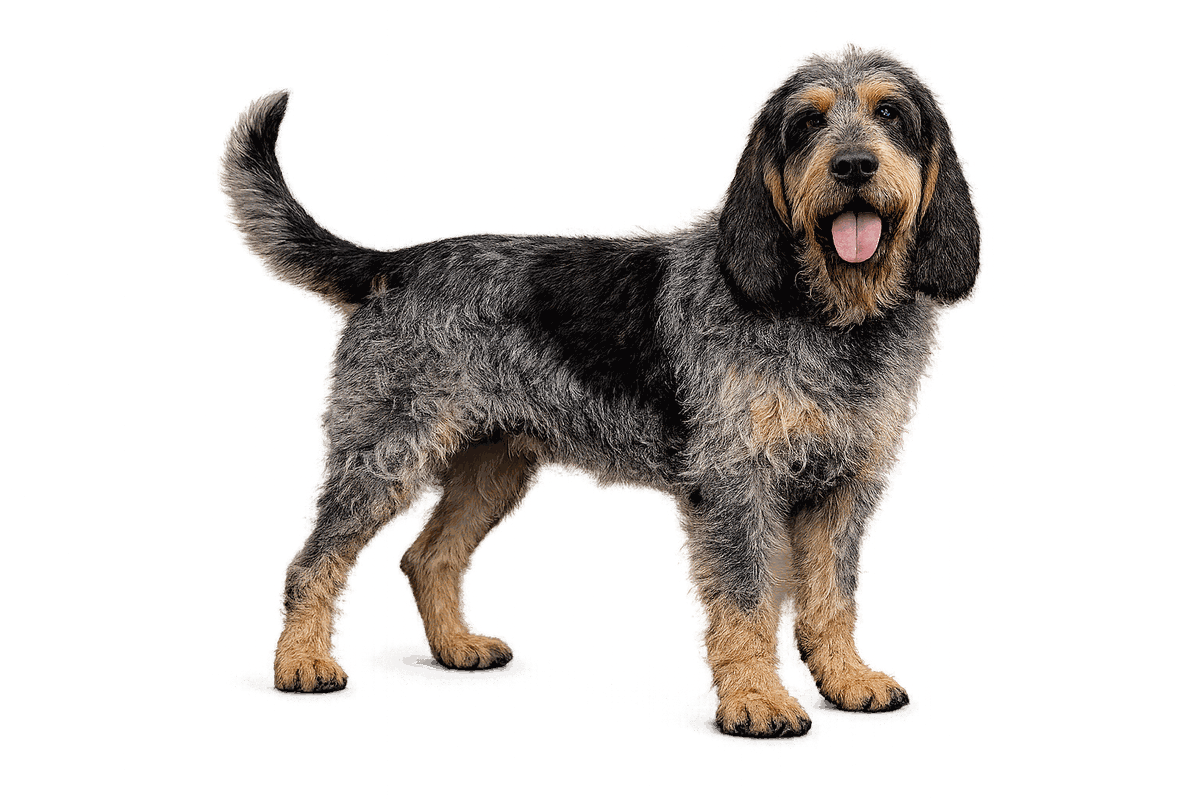
The Griffon Nivernais is a French rough-coated scenthound with roots in old central French hunting dogs. It was revived after the French Revolution and is still valued as a determined hound for hunting boar and other game, either alone or in a pack.
This is a working hound with a rustic look, not a polished companion breed. The FCI standard describes it as courageous, obstinate, independent, and never fearful. In a home, those traits mean secure fencing, realistic recall expectations, and plenty of scent-based activity are more important than decorative obedience.
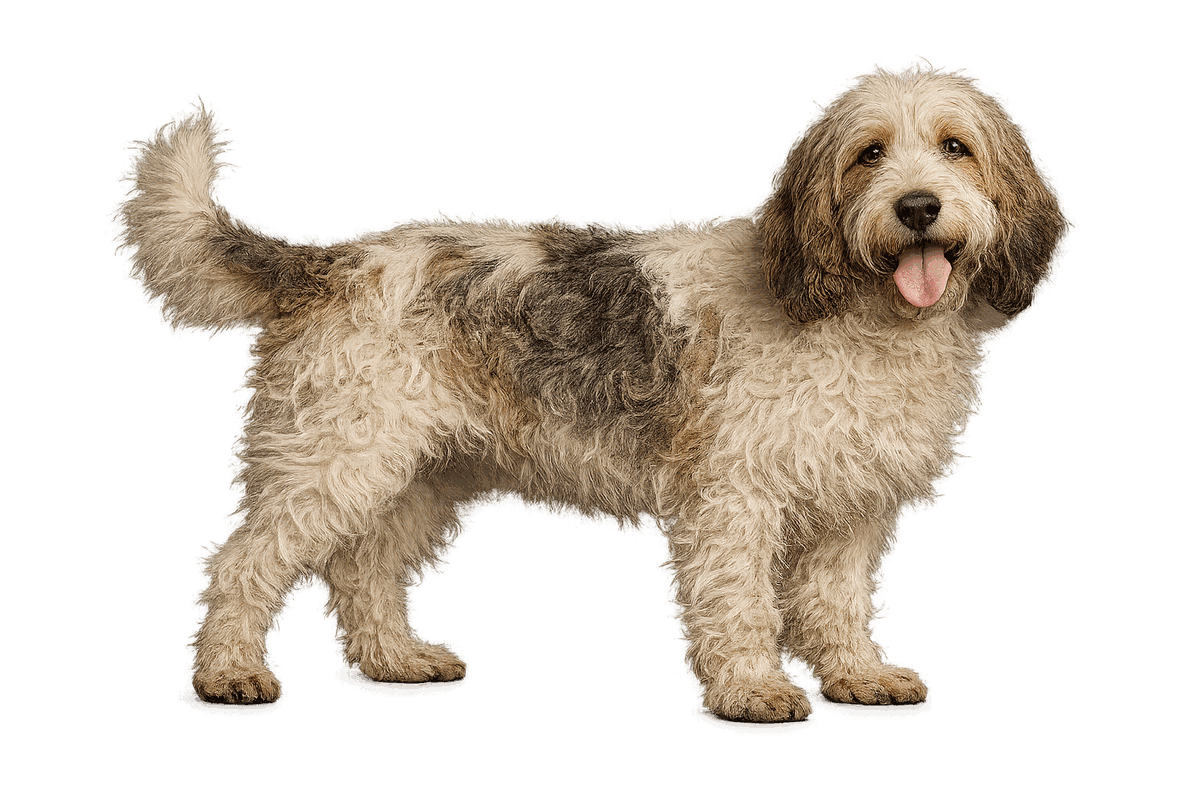
The shaggy coat is hard and rough, with gray, wolf-gray, blue-gray, wild-boar, or fawn tones often darkened by black hair tips. Grooming is practical: brush out debris, check ears, and inspect the coat after brushy country. Health information is limited because the breed is rare, so buyers should ask about hips, eyes, ears, working soundness, and longevity.
This breed tends to suit homes looking for a courageous, obstinate, independent companion, with daily rhythms shaped by very high energy, high barking, and low drooling.
Coat type
Wiry
Coat length
Medium
Shedding
Low
Colors
Wolf Gray, Blue Gray, Wild Boar, Fawn with Black Overlay, Gray
Apartment life is rarely realistic because the breed is active, vocal, and strongly driven by scent.
Expect a working hound voice and strong interest in wildlife scent. Calm settling after exercise should be trained deliberately.
Use practical reward-based training in real environments. Build leash manners, recall foundations, and cooperative handling while relying on secure management.
The coat is low-shedding but rugged, not maintenance-free. Brush out burrs and check ears, feet, and skin after outdoor work.
The Griffon Nivernais needs long daily exercise, scent work, hiking, tracking, or hunting-style outlets. It was not developed for short pavement walks and long idle days.
Brush the rough coat weekly and after outdoor work to remove burrs, seeds, and dirt. Check ears and feet carefully after wet or brushy terrain.
Use reward-based training with secure management. The breed is independent and persistent on scent, so recall and off-leash control need realistic expectations.
Feed a measured diet matched to workload. Active hunting dogs may need more calories during working seasons, while inactive adults need careful portion control.
Energy level
Very High
Barking level
High
Drooling level
Low
Watchdog ability
3/5
Guard dog ability
1/5
Climate tolerance
Common concerns to discuss with your vet and breeder.
This profile was researched from established breed and canine-care references. Breed tendencies describe typical patterns, not a guarantee for every individual dog.
Reviewed by the Dogs Index Editorial Team. For health or behavior concerns, consult a veterinarian or appropriately qualified professional.
Our Shop
Browse practical products for feeding, grooming, cleanup, enrichment, and smoother daily routines.