Apartment fit
Apartment life can work for a calm, trained adult only when the space, elevator access, walking routine, and neighbors are realistic. It is a poor fit if stairs, cramped rooms, or noise sensitivity are major issues.
 Germany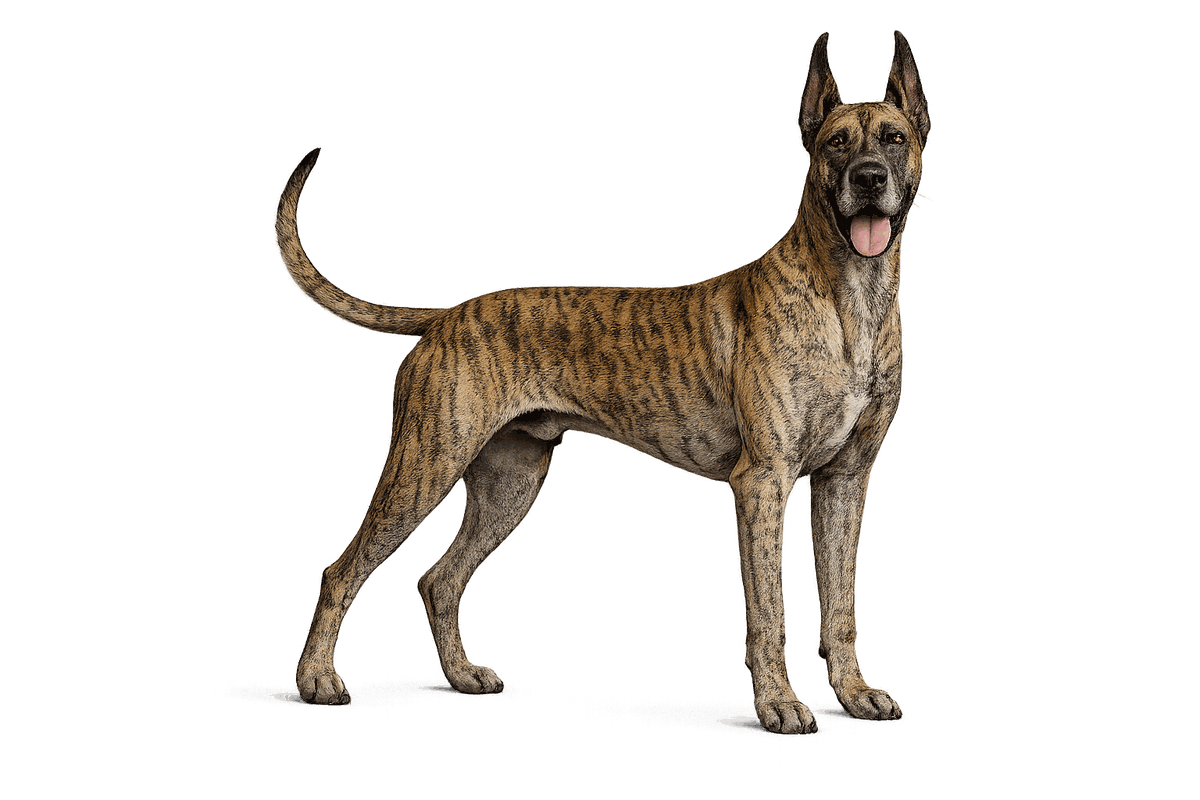
Weight
110-175 lb
Height
28-32 in
Lifespan
7-10 yrs
Coat
Smooth Short
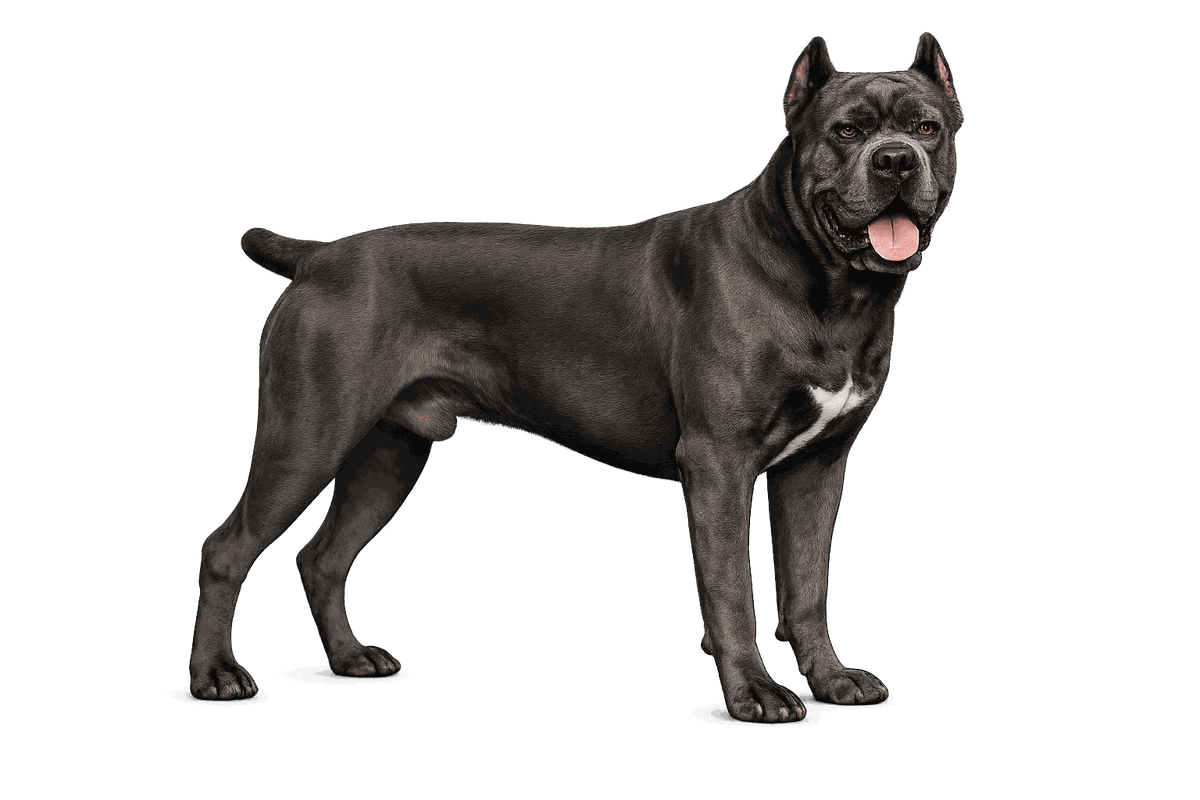
The Great Dane is a giant German working breed known for its imposing size, smooth coat, steady temperament, and serious health and space needs.
Official, native, and commonly used variants
Weight
110-175 lb
Height
28-32 in
Lifespan
7-10 yrs
Coat
Smooth Short
At A Glance
A quick read on energy, upkeep, and what day-to-day life with this breed usually feels like.
Energy
Moderate
Barking
Moderate
Drooling
Moderate
Shedding
Moderate
Grooming
1/5
First-time owner
No
The Great Dane, known in Germany as the Deutsche Dogge, is a giant working breed historically associated with boar hunting and estate guarding. Modern Danes are usually kept as companions, but the breed standard still calls for a powerful, square, elegant dog with confidence and balance.
A well-bred Great Dane can be affectionate, dependable, and surprisingly calm indoors, but ownership is a real commitment. Size affects everything: training, transport, veterinary costs, food, flooring, furniture, and safety around children. Early socialization and leash manners are essential because an adolescent Dane can be stronger than many adults can physically manage.
The short coat is easy to brush, but health planning is central to responsible ownership. Great Danes have a short average lifespan for a dog, and breed health sources consistently flag bloat, cardiomyopathy, joint and bone disease, thyroid disease, eye issues, and cancer. Choose breeders who health test and ask your veterinarian early about growth, diet, exercise limits for puppies, and bloat prevention.
This breed tends to suit homes looking for a friendly, dependable, patient companion, with daily rhythms shaped by moderate energy, moderate barking, and moderate drooling.
Coat type
Smooth
Coat length
Short
Shedding
Moderate
Colors
Fawn, Brindle, Blue, Black, Harlequin, Mantle, Merle, Black and White, White, Silver
Apartment life can work for a calm, trained adult only when the space, elevator access, walking routine, and neighbors are realistic. It is a poor fit if stairs, cramped rooms, or noise sensitivity are major issues.
Great Danes are often moderate barkers and naturally watchful. Early socialization helps prevent shyness, over-alerting, or unsafe pulling toward people and dogs.
Train early with rewards, consistency, and cooperative handling. Focus on leash manners, polite greetings, settling, and vet-style handling before the dog reaches adult strength.
The smooth coat is easy to groom, but the dog's size makes nail care, bathing, ear checks, and skin checks easier when cooperative care is taught from puppyhood.
Most adult Great Danes need steady daily walks and training, not punishing endurance work. Puppies should avoid forced running, repeated stairs, and high-impact exercise while growing; ask your veterinarian for age-appropriate limits.
The short smooth coat needs weekly brushing, nail trimming, ear checks, and skin checks. Because the dog is huge, grooming and handling should be taught early while the puppy is still manageable.
Start leash manners, polite greetings, mat settling, and cooperative care early. Reward-based training is important because physical control is not a realistic plan once a Great Dane is mature.
Feed a large- or giant-breed diet matched to age and body condition. Growth rate matters in puppies, and adults should stay lean to reduce joint stress and bloat risk.
Energy level
Moderate
Barking level
Moderate
Drooling level
Moderate
Watchdog ability
4/5
Guard dog ability
2/5
Climate tolerance
Common concerns to discuss with your vet and breeder.
This profile was researched from established breed and canine-care references. Breed tendencies describe typical patterns, not a guarantee for every individual dog.
Reviewed by the Dogs Index Editorial Team. For health or behavior concerns, consult a veterinarian or appropriately qualified professional.
Our Shop
Browse practical products for feeding, grooming, cleanup, enrichment, and smoother daily routines.