Apartment fit
Apartment life is possible only for highly committed handlers who provide serious work, decompression, and noise management.
Weight
50-70 lb
Height
21.5-24.5 in
Lifespan
11-14 yrs
Coat
Double Medium
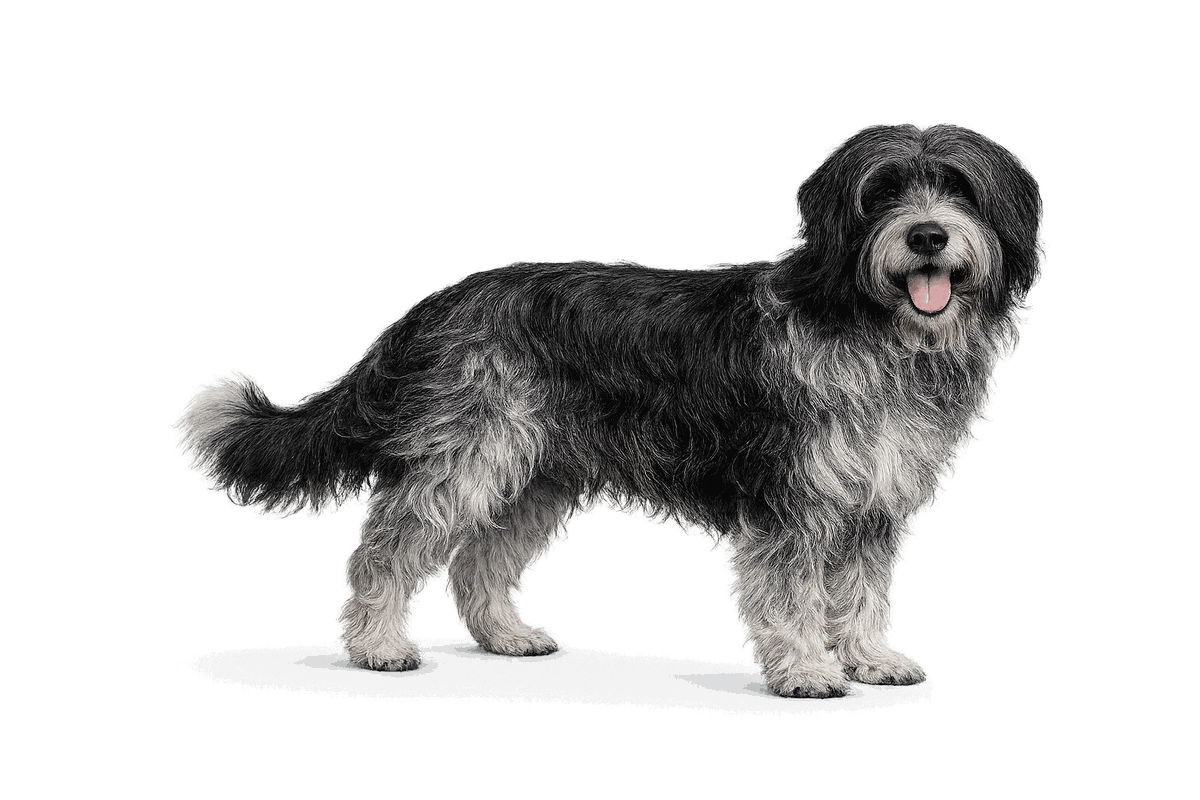
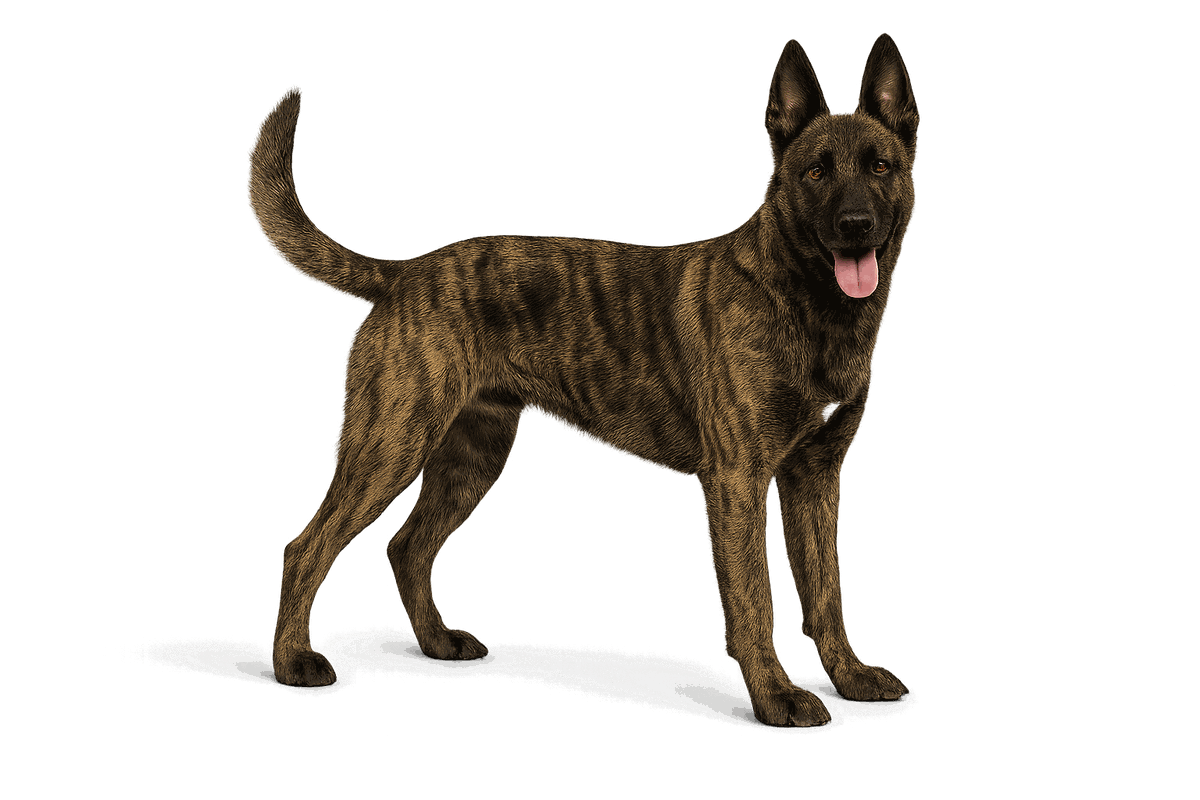
The Dutch Shepherd Dog is a brindle working shepherd from the Netherlands, known for versatility, trainability, stamina, and strong handler focus.
Official, native, and commonly used variants
Weight
50-70 lb
Height
21.5-24.5 in
Lifespan
11-14 yrs
Coat
Double Medium
At A Glance
A quick read on energy, upkeep, and what day-to-day life with this breed usually feels like.
Energy
Very High
Barking
Moderate
Drooling
Low
Shedding
Moderate
Grooming
2/5
First-time owner
No
The Dutch Shepherd Dog, or Hollandse Herdershond, developed as an all-purpose farm and shepherd dog in the Netherlands. It herded sheep, guarded farms, pulled carts, and worked closely with handlers. Modern Dutch Shepherds are also common in sport, detection, police, search work, obedience, and agility.
This is not a casual moderate-energy pet. The breed is intelligent, alert, active, and highly trainable, but it needs skilled handling, work, and a clear off-switch. Without structure, Dutch Shepherds can become restless, reactive, mouthy, or overly vigilant.
The FCI recognizes three coat varieties: short hair, long hair, and rough hair. The defining color pattern is brindle, in silver or gold tones; rough coats can make the brindle less visible. Health planning should include hips, elbows, thyroid in some lines, eye screening including rough-hair goniodysplasia risk, allergies, and working-dog injury prevention.
This breed tends to suit homes looking for a intelligent, obedient, alert companion, with daily rhythms shaped by very high energy, moderate barking, and low drooling.
Coat type
Double
Coat length
Medium
Shedding
Moderate
Colors
Gold Brindle, Silver Brindle, Brindle
Apartment life is possible only for highly committed handlers who provide serious work, decompression, and noise management.
The breed is alert and responsive. Barking often reflects arousal, frustration, or watchdog behavior, so daily structure and impulse control matter.
Use precise reward-based training, clear boundaries, and planned rest. Dutch Shepherds learn fast and need both work and an off-switch.
Short and long coats need regular brushing; rough coats need specialist maintenance. All varieties should have nails, ears, teeth, and muscle condition checked.
Dutch Shepherds need daily physical and mental work: training, sport foundations, herding-style tasks, scent work, running, hiking, or structured play. A walk alone is usually not enough.
Brush short and long coats regularly, with more work during shedding. Rough coats may need specialist stripping or coat care. Check nails, teeth, ears, and working-dog muscle soreness.
Use reward-based training, clear criteria, and a planned off-switch. This breed learns quickly and can become difficult if over-aroused, underworked, or handled harshly.
Feed a measured performance-appropriate diet and keep the dog lean. Adjust calories for sport, work, injury recovery, and seasonal activity.
Energy level
Very High
Barking level
Moderate
Drooling level
Low
Watchdog ability
4/5
Guard dog ability
3/5
Climate tolerance
Common concerns to discuss with your vet and breeder.
This profile was researched from established breed and canine-care references. Breed tendencies describe typical patterns, not a guarantee for every individual dog.
Reviewed by the Dogs Index Editorial Team. For health or behavior concerns, consult a veterinarian or appropriately qualified professional.
Our Shop
Browse practical products for feeding, grooming, cleanup, enrichment, and smoother daily routines.