Apartment fit
Apartment life can work only when exercise, training, and barking control are handled every day. The dog still needs enough space to rest comfortably and enough outdoor time to prevent frustration.
 Switzerland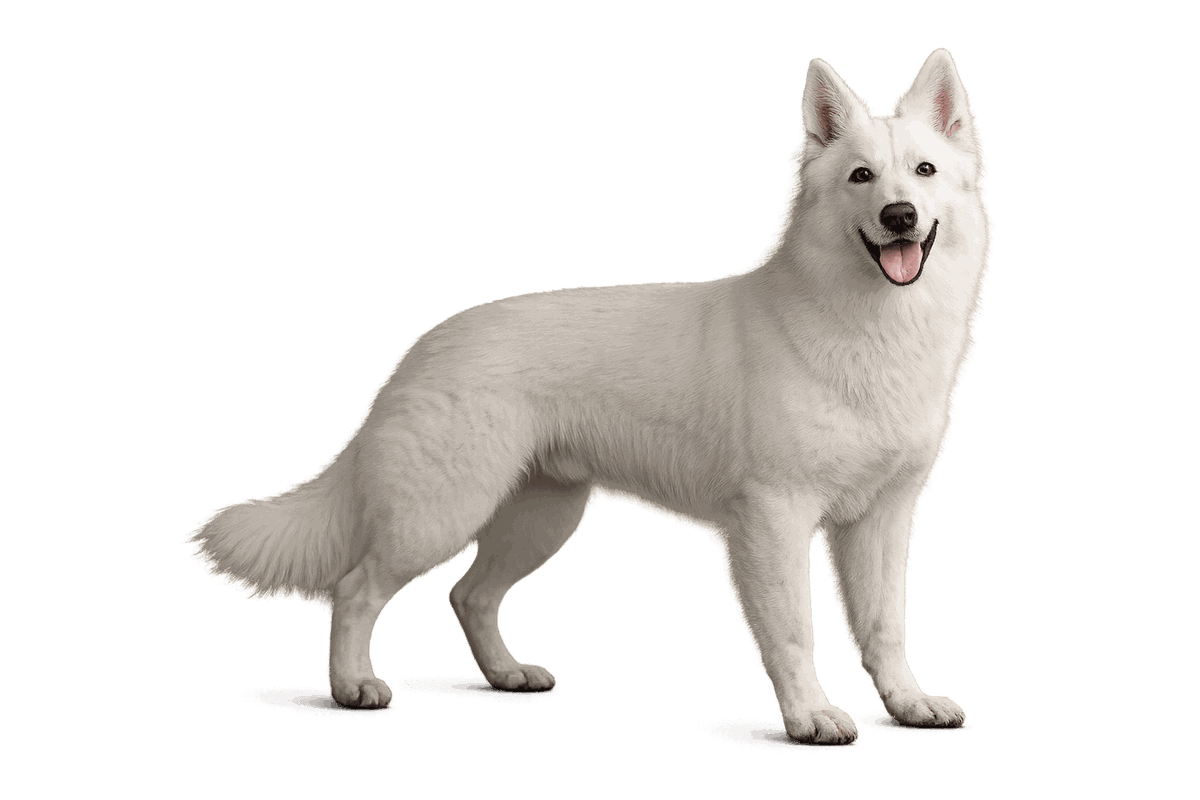
Weight
55-88 lb
Height
22-26 in
Lifespan
12-14 yrs
Coat
Double Medium
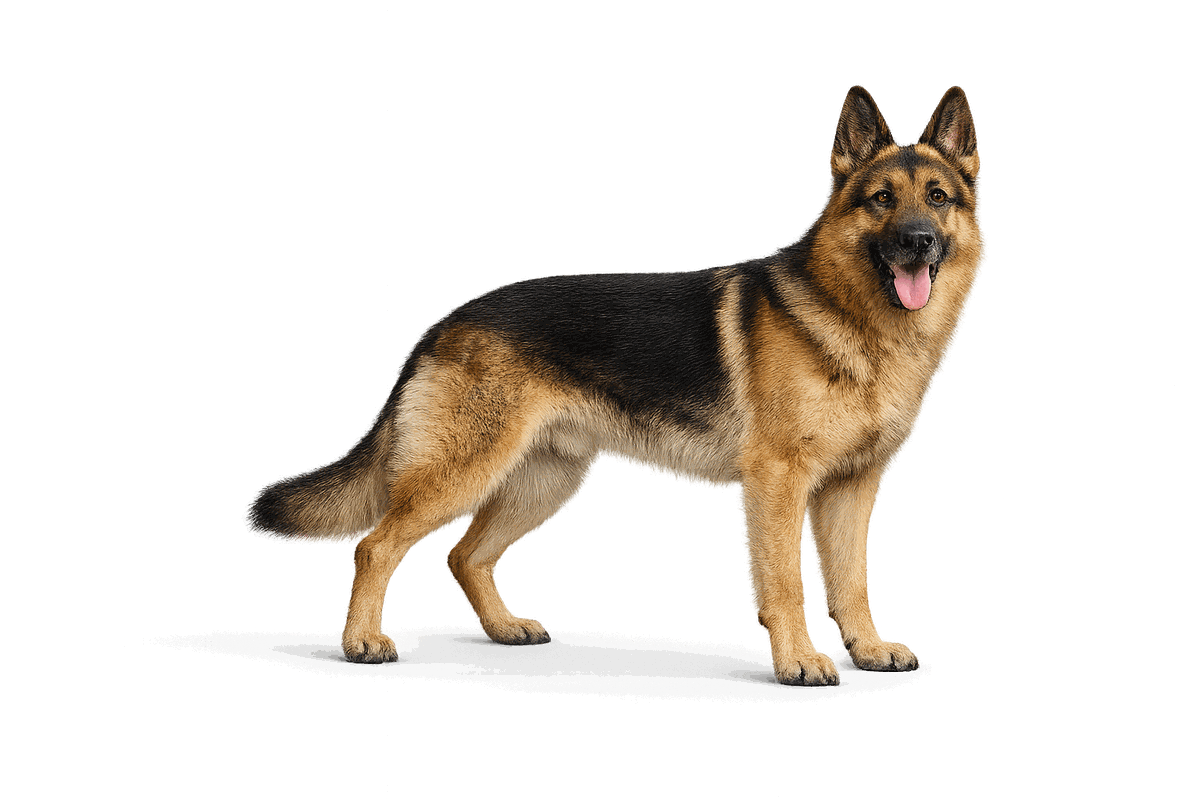
The White Swiss Shepherd is a large Swiss sheepdog with a white double coat, strong handler focus, high trainability, and a sensitive temperament that needs structure and socialization.
Official, native, and commonly used variants
Weight
55-88 lb
Height
22-26 in
Lifespan
12-14 yrs
Coat
Double Medium
At A Glance
A quick read on energy, upkeep, and what day-to-day life with this breed usually feels like.
Energy
High
Barking
Moderate
Drooling
Low
Shedding
High
Grooming
3/5
First-time owner
Yes
The White Swiss Shepherd, or Berger Blanc Suisse, is recognized by FCI as a Swiss sheepdog breed. It shares ancestry with white-coated shepherd dogs but is judged as its own breed, with a white double coat, balanced herding-dog outline, and a temperament expected to be lively without nervousness.
This is a responsive, intelligent, family-focused dog that usually wants to work with its people. It is often softer and more sensitive than many expect from a shepherd-type breed, so early socialization, fair handling, and predictable routines matter. Boredom, isolation, or harsh corrections can create anxiety, barking, or over-watchful behavior.
The breed suits active owners who want a trainable companion for walking, hiking, obedience, scent games, or other structured activities. It can live in a family home when exercised and groomed properly, but the white double coat sheds heavily and the dog needs more daily mental work than a casual companion breed.
This breed tends to suit homes looking for a loyal, trainable, sensitive companion, with daily rhythms shaped by high energy, moderate barking, and low drooling.
Coat type
Double
Coat length
Medium
Shedding
High
Colors
White
Apartment life can work only when exercise, training, and barking control are handled every day. The dog still needs enough space to rest comfortably and enough outdoor time to prevent frustration.
White Swiss Shepherds are naturally alert and may bark at visitors or unusual sounds. Teach quiet check-ins, calm greetings, and settle routines early.
The breed usually learns quickly with reward-based work. Keep sessions clear, fair, and confidence-building, with plenty of socialization before adolescence.
Expect steady brushing and visible white hair in the home. Seasonal shedding can be heavy, and coat care should be routine rather than occasional.
Most White Swiss Shepherds need 60 to 90 minutes of daily exercise plus mental work. Long walks, hiking, obedience, scent games, fetch with rules, and calm settling practice help prevent restlessness.
Brush the double coat several times a week and daily during heavier shedding seasons. White hair shows on furniture and clothing, so regular brushing, vacuuming, nail trimming, ear checks, and dental care should be expected.
Use clear reward-based training and avoid harsh pressure. The breed is intelligent and handler-focused, but sensitivity means confidence-building, early socialization, and calm exposure to strangers, surfaces, noises, and other dogs are important.
Feed a measured diet for a large active dog and keep the body lean. Ask a veterinarian about growth, joint support, and weight management, especially during puppyhood and adolescence.
Energy level
High
Barking level
Moderate
Drooling level
Low
Watchdog ability
4/5
Guard dog ability
2/5
Climate tolerance
Common concerns to discuss with your vet and breeder.
This profile was researched from established breed and canine-care references. Breed tendencies describe typical patterns, not a guarantee for every individual dog.
Reviewed by the Dogs Index Editorial Team. For health or behavior concerns, consult a veterinarian or appropriately qualified professional.
Our Shop
Browse practical products for feeding, grooming, cleanup, enrichment, and smoother daily routines.