Apartment fit
Miniature Schnauzers can be excellent apartment dogs when barking is trained early and daily exercise is reliable.
 Germany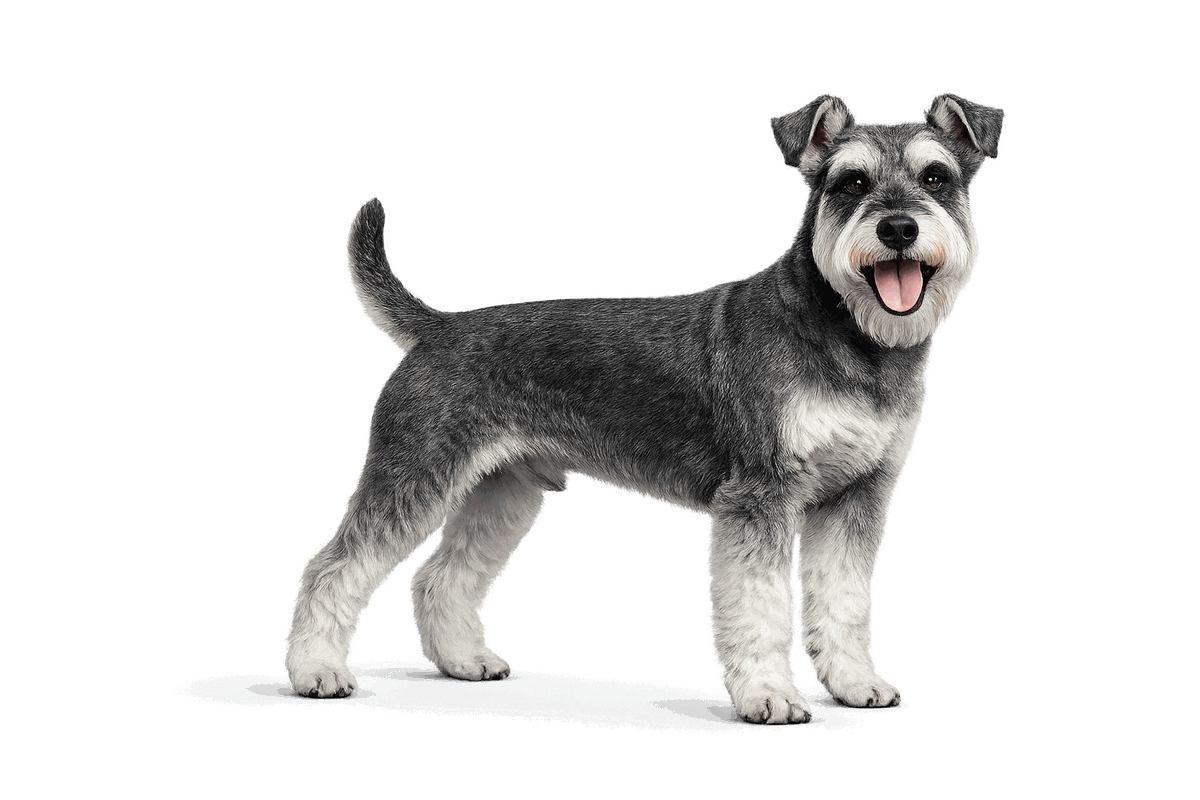
Weight
11-20 lb
Height
12-14 in
Lifespan
12-15 yrs
Coat
Wiry double Medium
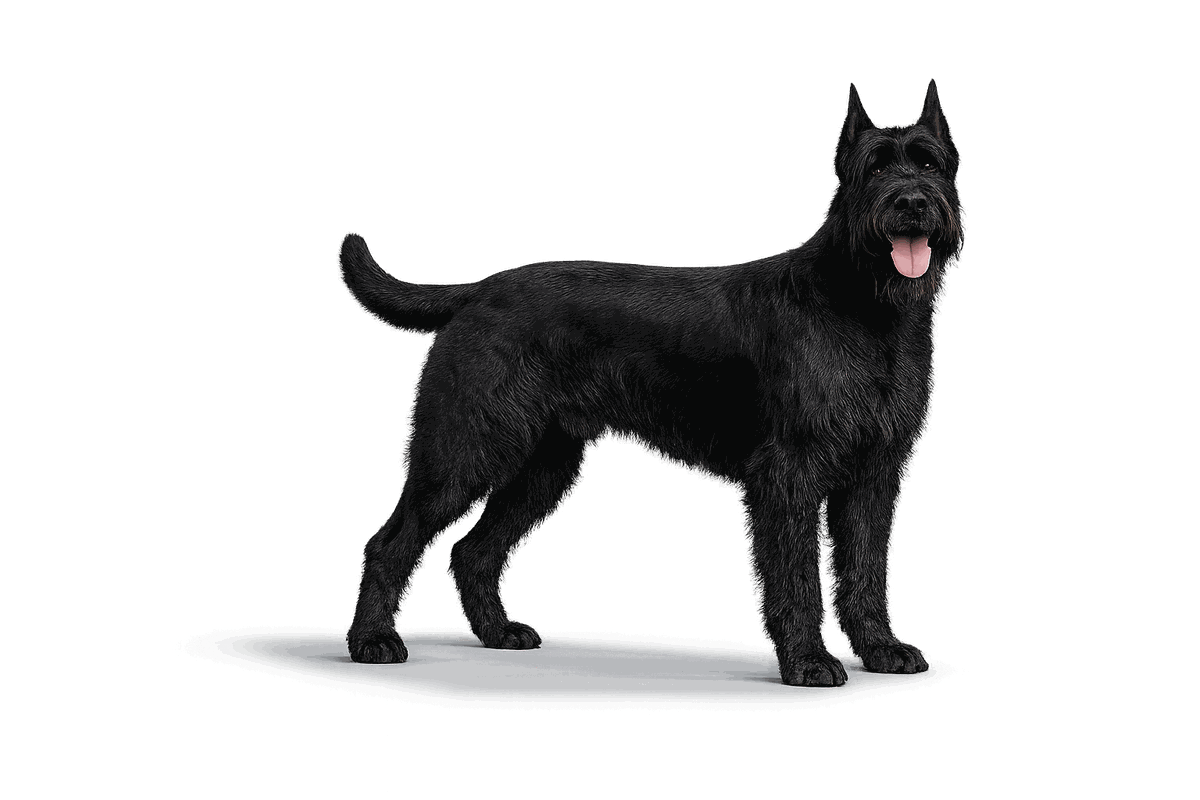
The Miniature Schnauzer is a small German Schnauzer with a wiry double coat, expressive eyebrows and beard, and a bright, alert temperament.
Official, native, and commonly used variants
Weight
11-20 lb
Height
12-14 in
Lifespan
12-15 yrs
Coat
Wiry double Medium
At A Glance
A quick read on energy, upkeep, and what day-to-day life with this breed usually feels like.
Energy
Moderate
Barking
Moderate to High
Drooling
Low
Shedding
Low
Grooming
4/5
First-time owner
Yes
The Miniature Schnauzer was developed in Germany as a smaller farm and ratting dog from Schnauzer-type stock. In the United States it is shown in the Terrier Group, while the FCI places it with Pinscher and Schnauzer breeds. Either way, it is best understood as a bright, alert, sturdy small dog with a working background.
Adults are usually about 12 to 14 inches at the shoulder. The coat is wiry and double, with the familiar beard, eyebrows, and leg furnishings. AKC standard colors are salt and pepper, black and silver, and solid black; the FCI also recognizes white.
Miniature Schnauzers are often trainable, sociable with their families, and more robust than many small breeds. They can live in apartments, but barking, coat care, dental care, and daily activity need attention. Buyers should ask about eye health, pancreatitis risk, bladder stones, and other breed concerns.
This breed tends to suit homes looking for a bright, alert, friendly companion, with daily rhythms shaped by moderate energy, moderate to high barking, and low drooling.
Coat type
Wiry double
Coat length
Medium
Shedding
Low
Colors
Salt and Pepper, Black and Silver, Black, White
Miniature Schnauzers can be excellent apartment dogs when barking is trained early and daily exercise is reliable.
Expect an alert watchdog tendency. Reward quiet observation and prevent repeated barking at windows and hallways.
This breed is usually eager and quick. Use rewards, variety, and clear rules so cleverness works for the owner instead of against the routine.
Low shedding does not mean low grooming. The coat needs regular brushing and clipping or stripping to stay comfortable.
Most Miniature Schnauzers need 45 to 60 minutes of daily walks, play, and training games. They are small but not sedentary.
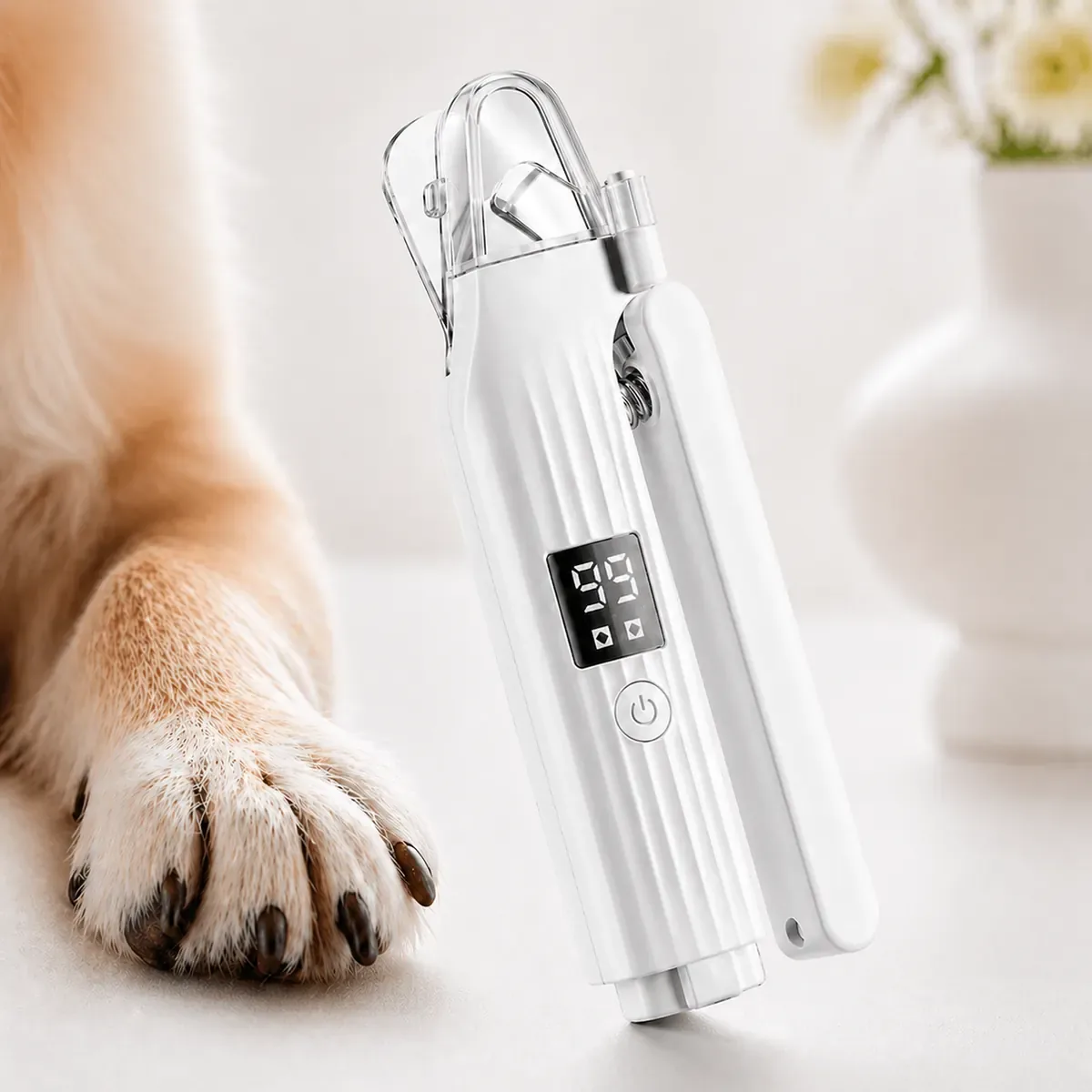
The wiry double coat needs regular brushing and professional clipping or hand-stripping, depending on the owner's goals. Beard cleaning, nail care, and dental care are important.
Use reward-based training and give the dog jobs such as tricks, scent games, and polite alerting. The breed is quick to learn but can bark if under-managed.
Feed measured meals and keep treats moderate. Discuss pancreatitis risk, bladder stones, and weight control with a veterinarian.
Energy level
Moderate
Barking level
Moderate to High
Drooling level
Low
Watchdog ability
4/5
Guard dog ability
1/5
Climate tolerance
Common concerns to discuss with your vet and breeder.
This profile was researched from established breed and canine-care references. Breed tendencies describe typical patterns, not a guarantee for every individual dog.
Reviewed by the Dogs Index Editorial Team. For health or behavior concerns, consult a veterinarian or appropriately qualified professional.
Our Shop
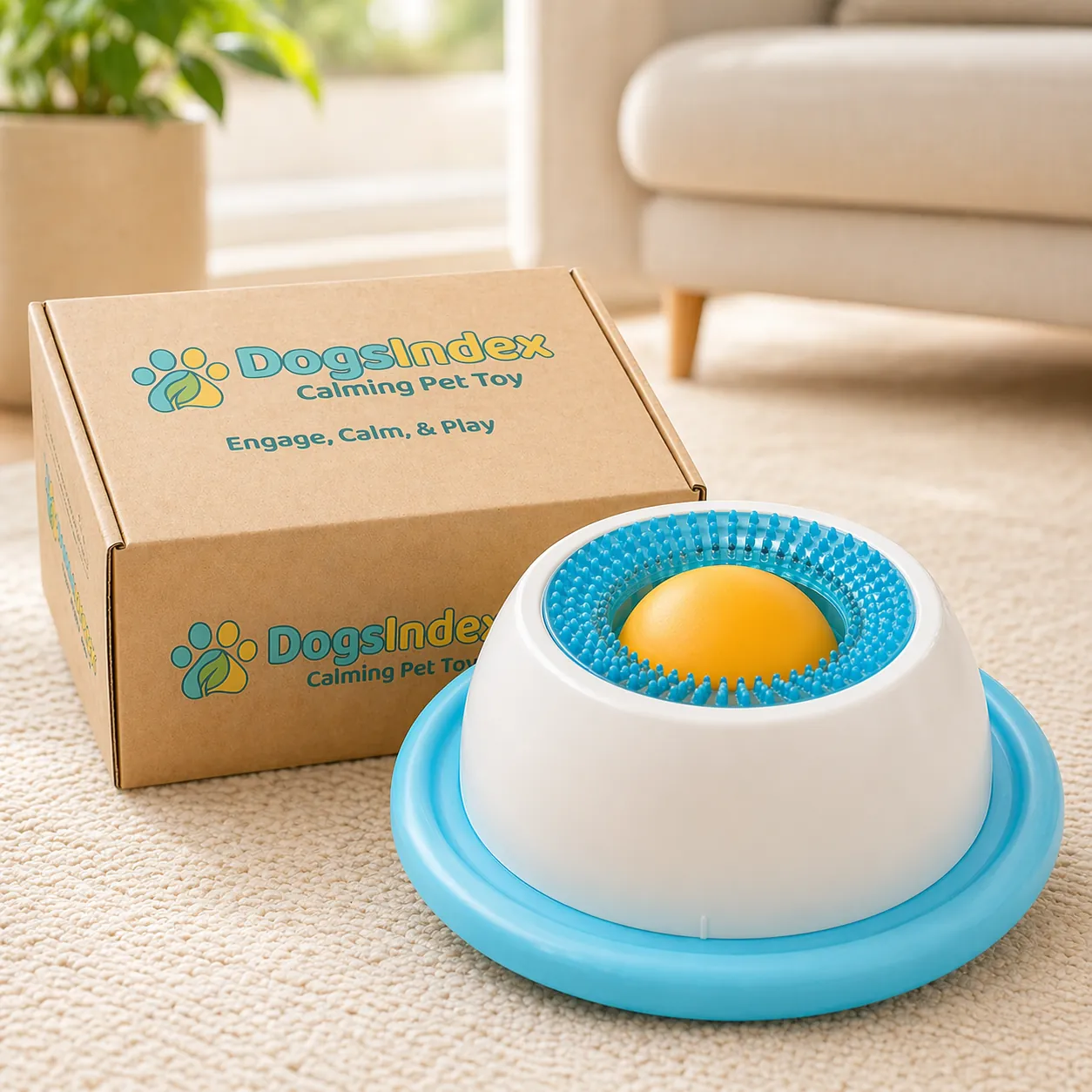
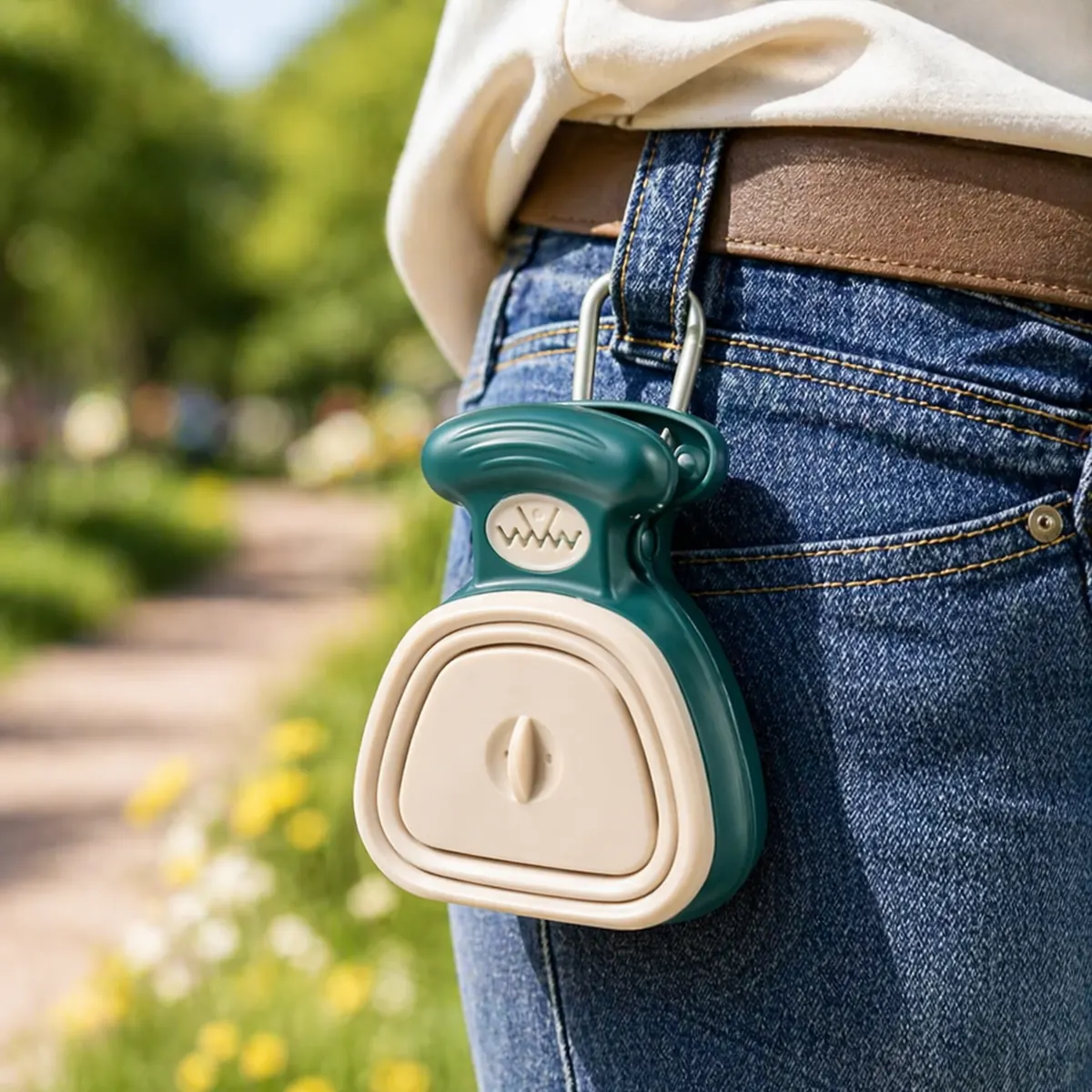
Browse practical products for feeding, grooming, cleanup, enrichment, and smoother daily routines.