Apartment fit
A Kooikerhondje can fit apartment life when owners manage barking and provide daily exercise and training.
Weight
20-30 lb
Height
14-16 in
Lifespan
12-15 yrs
Coat
Double Medium
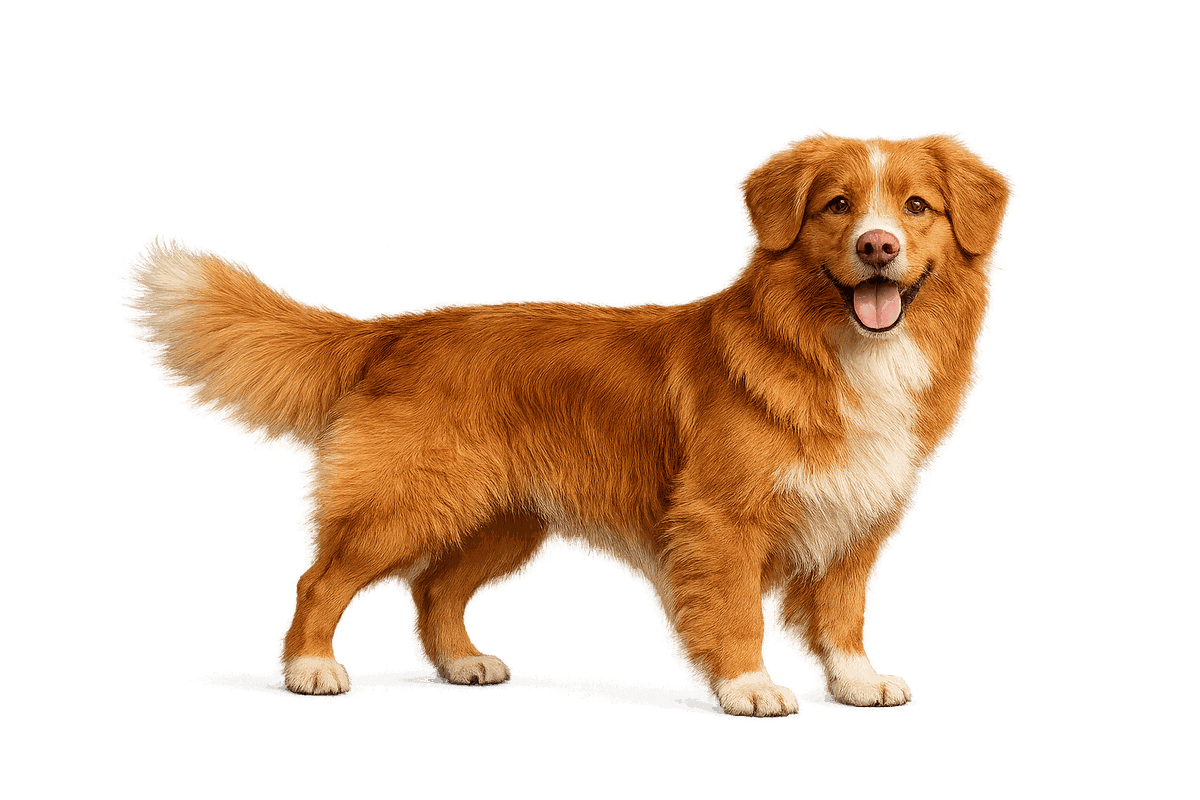
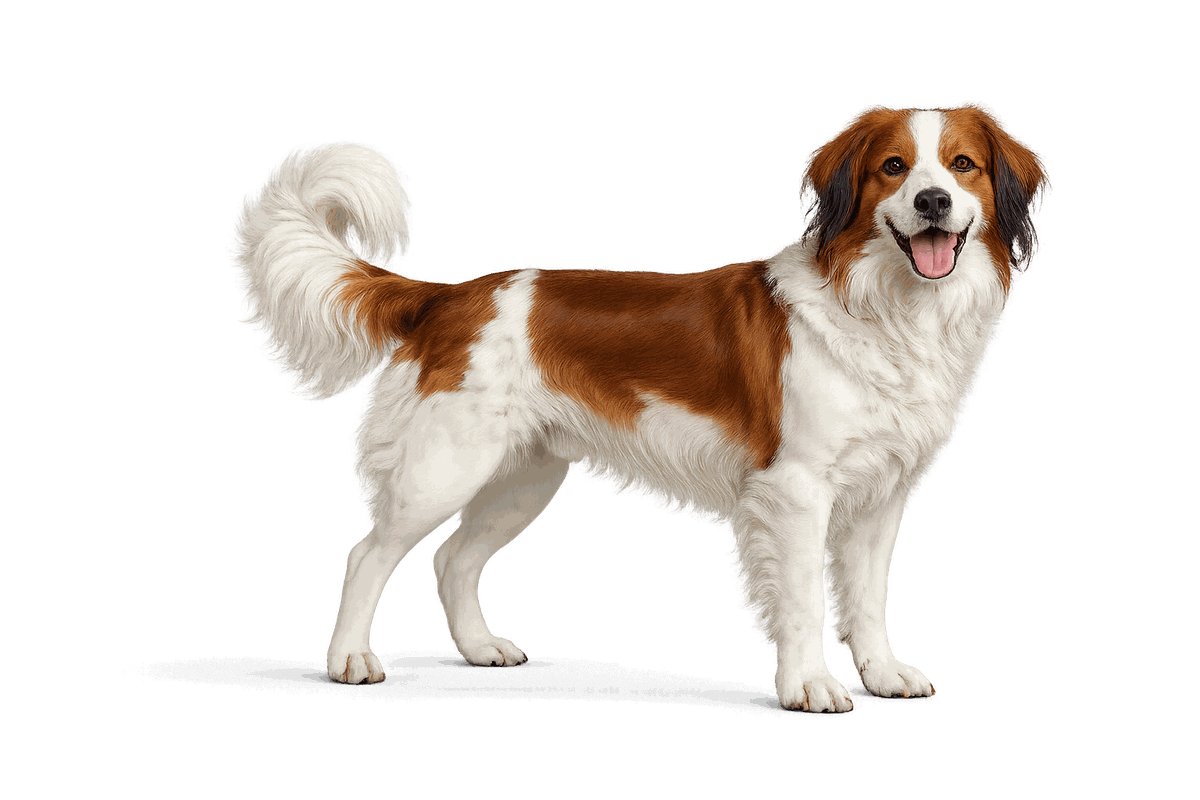
The Nederlandse Kooikerhondje is a small Dutch sporting dog bred to lure ducks into decoy traps, with an orange-red and white coat and lively, attentive temperament.
Official, native, and commonly used variants
Weight
20-30 lb
Height
14-16 in
Lifespan
12-15 yrs
Coat
Double Medium
At A Glance
A quick read on energy, upkeep, and what day-to-day life with this breed usually feels like.
Energy
Moderate to High
Barking
Moderate
Drooling
Low
Shedding
Moderate
Grooming
2/5
First-time owner
Yes
The Nederlandse Kooikerhondje is a Dutch duck-decoy dog, historically used to lure ducks along the canals of a kooiker's trap system. It is not a large retriever; it is a small, agile sporting breed with a distinctive orange-red and white coat and feathered black ear tips known as earrings when present.
The AKC and FCI standards describe a compact dog around 14 to 16 inches tall. The coat is medium length, close-fitting, and lightly feathered, with clear orange-red patches on white. The breed is alert and active, often affectionate with family but not always immediately outgoing with strangers.
A Kooiker can be a sharp, rewarding companion for owners who provide training, movement, and socialization. It may be sensitive to rough handling or chaotic environments, so calm reward-based training and early exposure to normal life are important. Breed health discussions should include patellas, eyes, von Willebrand disease, polymyositis, and hereditary necrotizing myelopathy.
This breed tends to suit homes looking for a lively, attentive, intelligent companion, with daily rhythms shaped by moderate to high energy, moderate barking, and low drooling.
Coat type
Double
Coat length
Medium
Shedding
Moderate
Colors
Orange-Red and White
A Kooikerhondje can fit apartment life when owners manage barking and provide daily exercise and training.
Expect alertness. Reward calm observation and avoid letting the dog rehearse barking at windows or hallways.
Use gentle rewards, clear routines, and gradual exposure. This breed often works best when training stays upbeat and precise.
The coat needs weekly brushing and feathering checks, but it is not as demanding as many long-coated breeds.
Most Kooikerhondjes need 45 to 75 minutes of daily activity, with walks, play, recall games, and training that uses their quick mind.
Brush the medium coat weekly and more during shedding. Check feathering, ears, tail, and feet after wet or brushy walks.
Use gentle, reward-based training with early socialization. The breed is clever but can be sensitive, so harsh handling often backfires.
Feed measured portions for a lean small sporting dog and adjust for activity level.
Energy level
Moderate to High
Barking level
Moderate
Drooling level
Low
Watchdog ability
3/5
Guard dog ability
1/5
Climate tolerance
Common concerns to discuss with your vet and breeder.
This profile was researched from established breed and canine-care references. Breed tendencies describe typical patterns, not a guarantee for every individual dog.
Reviewed by the Dogs Index Editorial Team. For health or behavior concerns, consult a veterinarian or appropriately qualified professional.
Our Shop
Browse practical products for feeding, grooming, cleanup, enrichment, and smoother daily routines.