Apartment fit
Apartment life is challenging because of barking and coat blow. It works only with committed exercise and noise management.
 Norway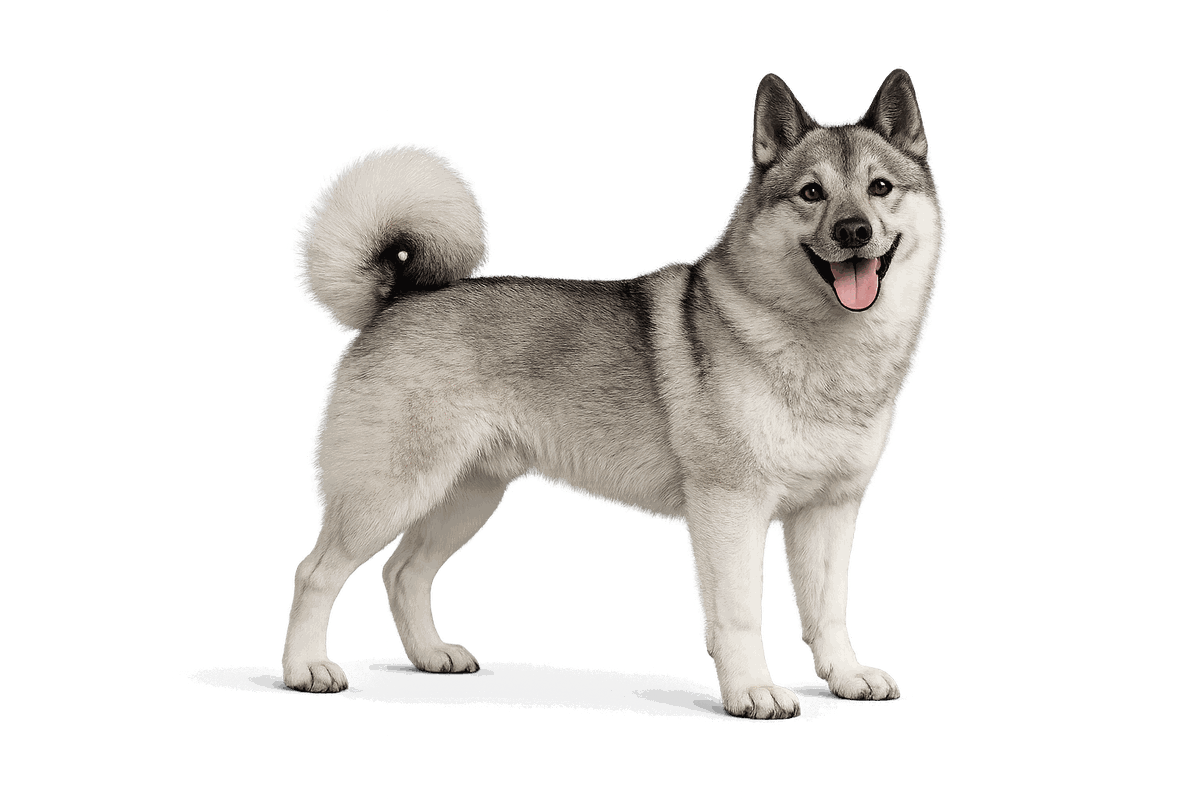
Weight
48-55 lb
Height
19.5-20.5 in
Lifespan
12-15 yrs
Coat
Double Medium
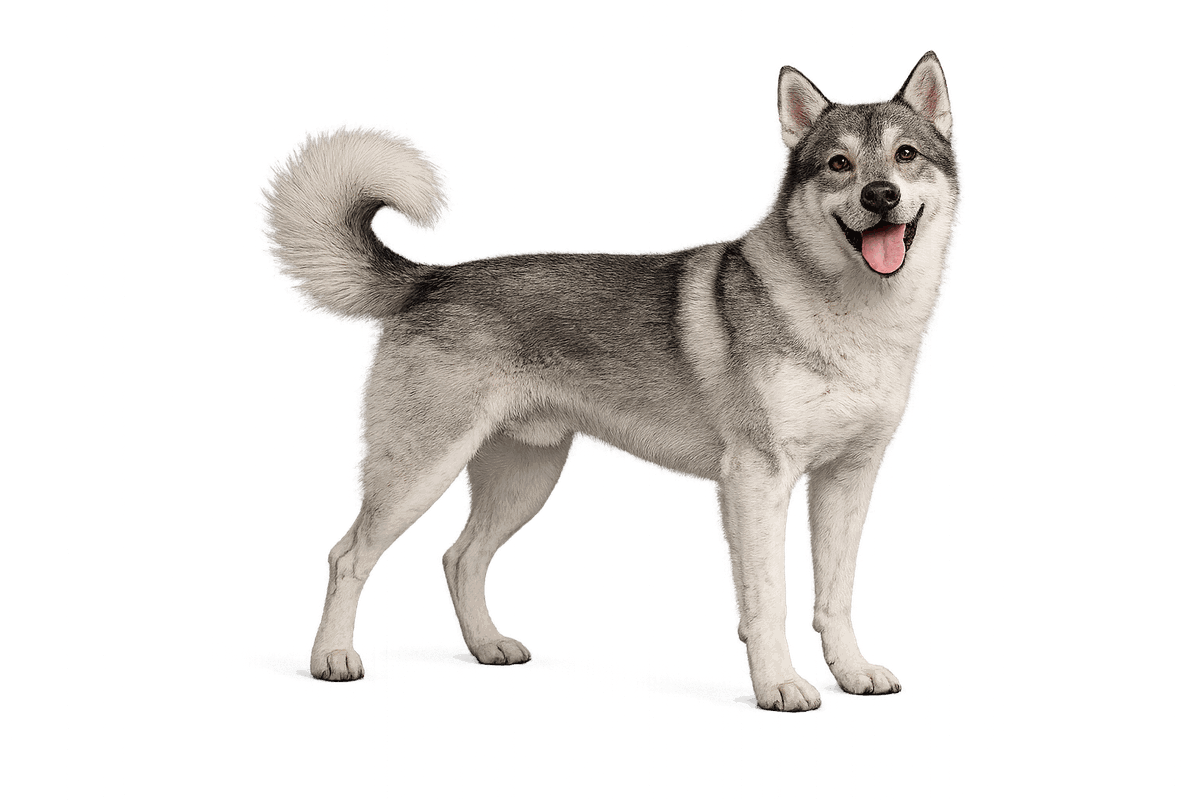
The Norwegian Elkhound is a medium gray Norwegian hunting spitz bred to track and hold moose, with a dense double coat and bold, vocal temperament.
Official, native, and commonly used variants
Weight
48-55 lb
Height
19.5-20.5 in
Lifespan
12-15 yrs
Coat
Double Medium
At A Glance
A quick read on energy, upkeep, and what day-to-day life with this breed usually feels like.
Energy
High
Barking
High
Drooling
Low
Shedding
High
Grooming
4/5
First-time owner
No
The Norwegian Elkhound, known in FCI wording as the Norwegian Elkhound Grey or Norsk Elghund Grå, is a Norwegian hunting spitz. Despite the English name, elk in this context refers to moose; the breed was used to track, hold, and alert hunters to large game.
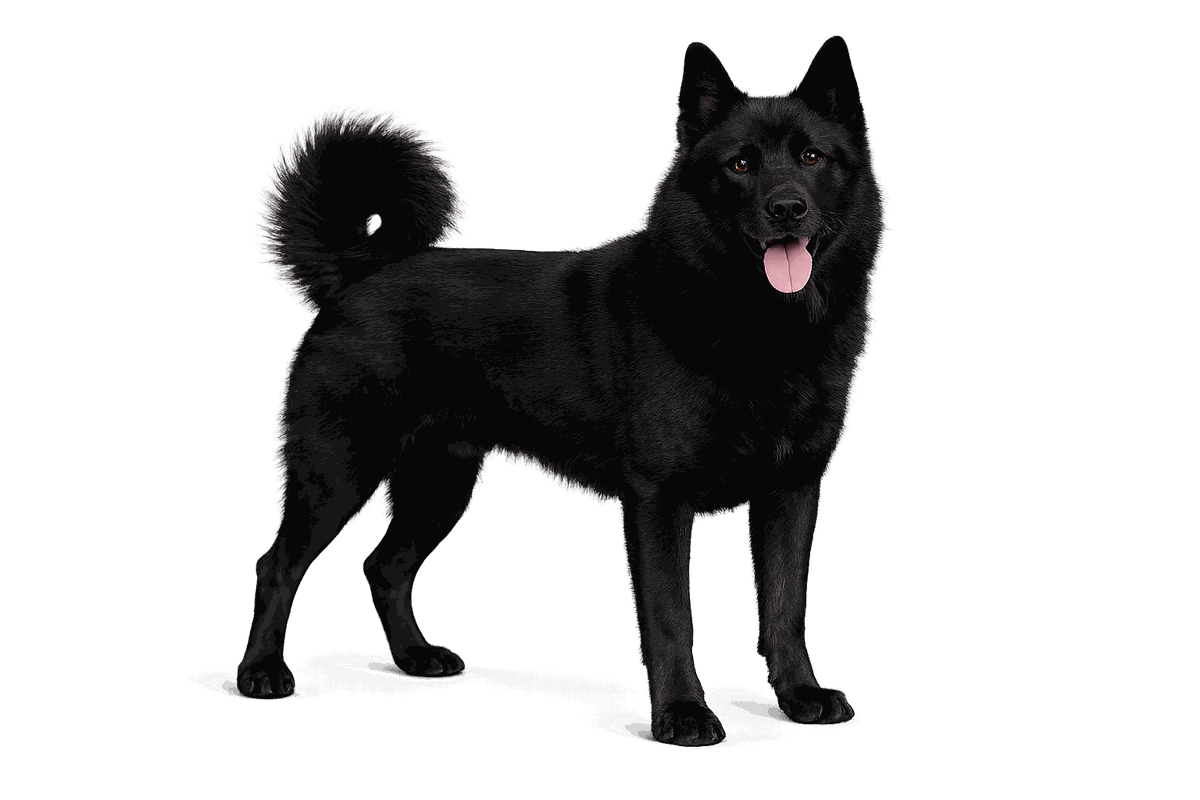
This is a medium, compact, strong dog, not a large generic hound. The AKC standard lists males around 20.5 inches and females around 19.5 inches. The coat is thick, gray, and double, with lighter and darker shading, a curled tail, prick ears, and a weather-resistant Nordic build.
Norwegian Elkhounds are loyal, bold, and vocal. They can be excellent family companions for active homes, but barking, shedding, prey drive, and independent decision-making need management. Owners should be ready for seasonal coat blow, daily exercise, and training that respects a spitz hunting background.
This breed tends to suit homes looking for a bold, loyal, alert companion, with daily rhythms shaped by high energy, high barking, and low drooling.
Coat type
Double
Coat length
Medium
Shedding
High
Colors
Gray
Apartment life is challenging because of barking and coat blow. It works only with committed exercise and noise management.
Expect a vocal watchdog and hunting-spitz style. Teach quiet cues and avoid letting alerts become constant background barking.
Use reward-based training, long-line recall practice, and consistent rules. Keep sessions purposeful instead of repetitive.
Brush often, especially during seasonal coat blow. The coat protects the dog and should not be shaved.
Most Norwegian Elkhounds need 60 to 90 minutes of daily activity with hiking, long walks, scent games, or structured play. Secure areas matter because prey drive can be strong.
Brush the dense double coat several times a week and daily during seasonal shedding. Do not shave the coat; manage heat with shade, water, and timing.
Use rewards, consistency, and early practice around barking, recall, and leash manners. The breed is intelligent but independent.
Feed measured meals and keep the dog lean. Discuss weight, joints, eyes, and kidney health with a veterinarian.
Energy level
High
Barking level
High
Drooling level
Low
Watchdog ability
5/5
Guard dog ability
2/5
Climate tolerance
Common concerns to discuss with your vet and breeder.
This profile was researched from established breed and canine-care references. Breed tendencies describe typical patterns, not a guarantee for every individual dog.
Reviewed by the Dogs Index Editorial Team. For health or behavior concerns, consult a veterinarian or appropriately qualified professional.
Our Shop
Browse practical products for feeding, grooming, cleanup, enrichment, and smoother daily routines.