Apartment fit
Apartment life is difficult for a West Siberian Laika because the breed is active, vocal, and highly stimulated by outdoor sights and sounds. It is more realistic in homes with secure space and owners who work the dog daily.
Weight
40-55 lb
Height
20.1-24.4 in
Lifespan
12-14 yrs
Coat
Double Medium
The West Siberian Laika is a medium-to-large Russian hunting spitz with a dense double coat, strong prey drive, and a serious need for outdoor work, training, and experienced handling.
Official, native, and commonly used variants
Weight
40-55 lb
Height
20.1-24.4 in
Lifespan
12-14 yrs
Coat
Double Medium
At A Glance
A quick read on energy, upkeep, and what day-to-day life with this breed usually feels like.
Energy
High
Barking
High
Drooling
Low
Shedding
High
Grooming
3/5
First-time owner
No
The West Siberian Laika, or Zapadno-Sibirskaia Laika, was developed in Russia from hunting dogs of the Ural and West Siberian regions. FCI places the breed among Nordic hunting dogs, and that working background still matters: this is a versatile hunting spitz, not a casual house pet selected mainly for quiet companionship.
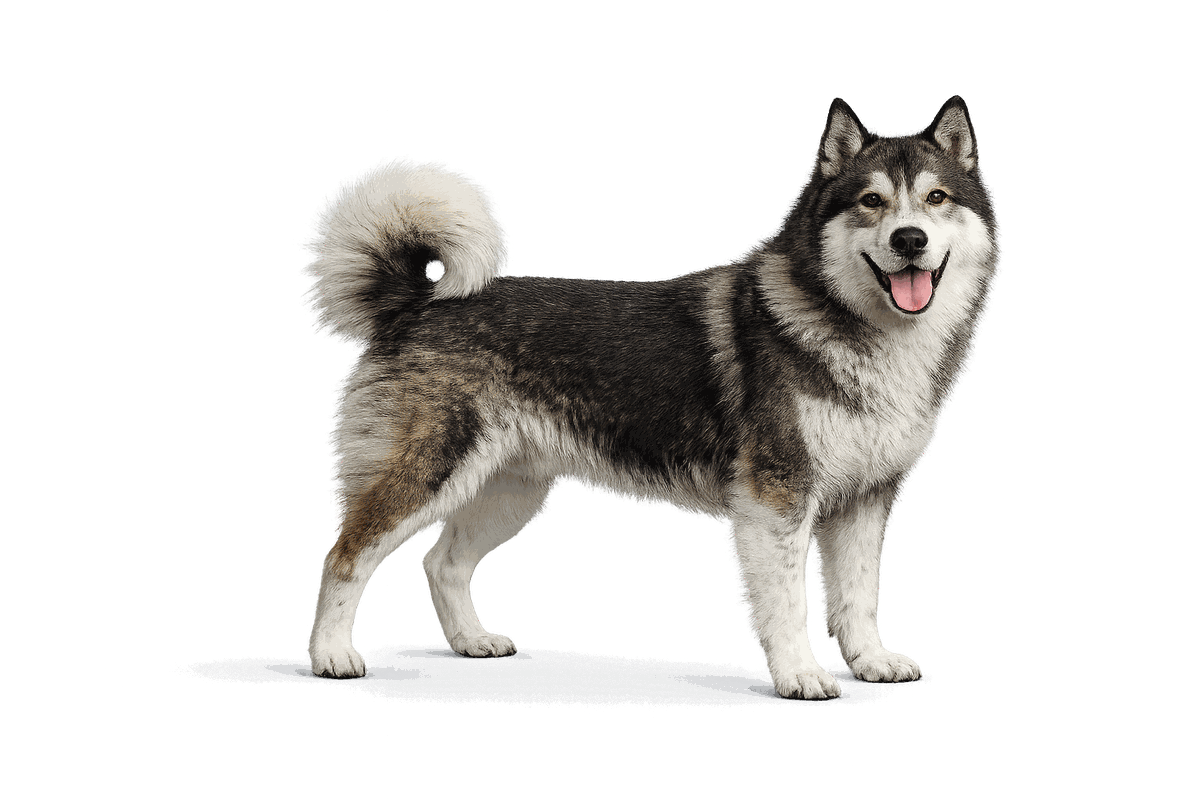
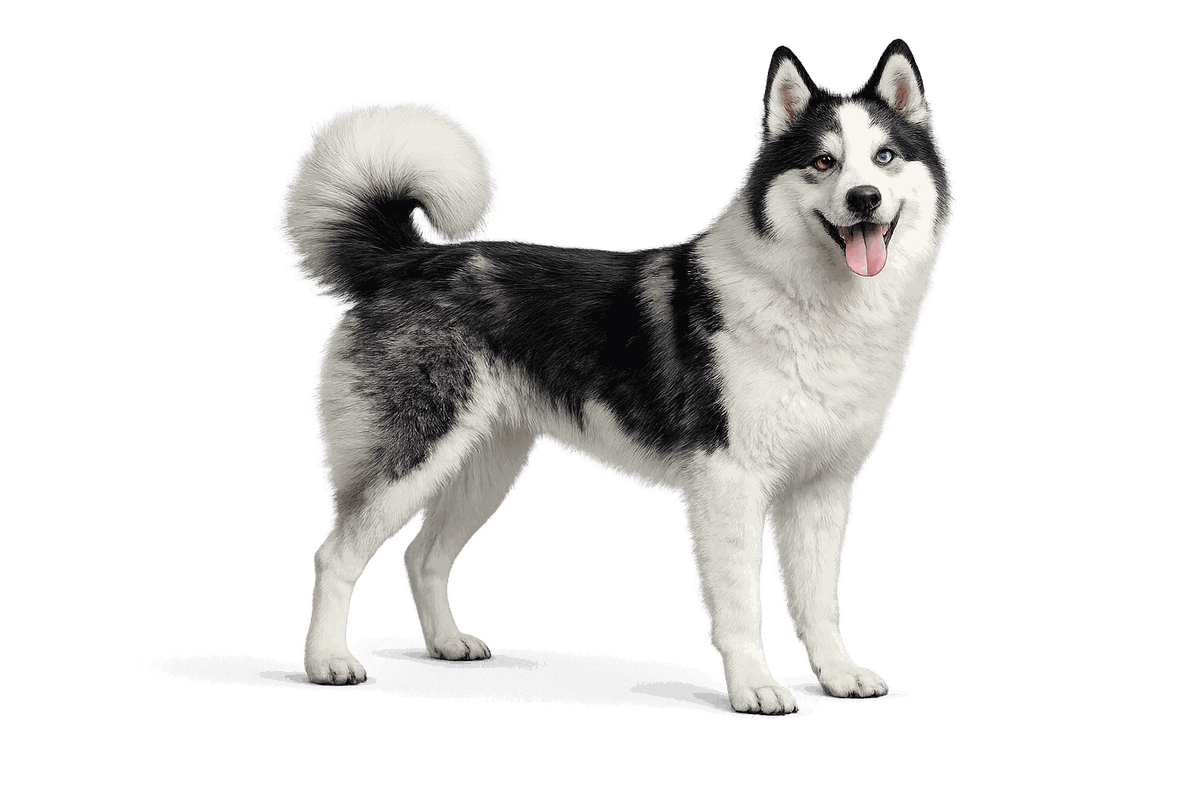
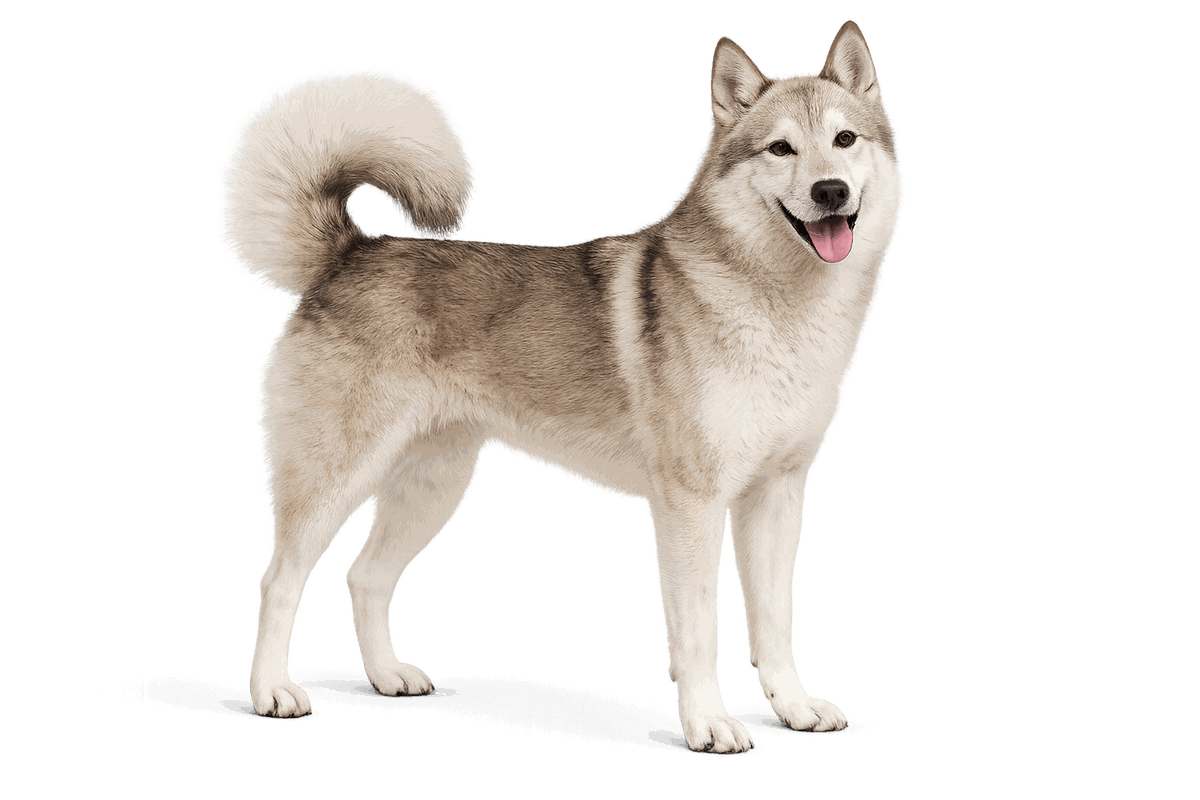
A typical West Siberian Laika is athletic, alert, independent, and strongly bonded to its household. The breed's dense double coat, wedge-shaped head, prick ears, and curled tail reflect its northern spitz type, while its behavior reflects a dog bred to range, track, tree, and hold game with voice. Many are reserved with strangers, intense around small animals, and quick to notice movement or sound.
This breed is best suited to active owners who understand hunting spitz behavior, secure fencing, recall limits, and regular mental work. It can live with families that provide structure and supervision, but its prey drive, vocal alerting, seasonal shedding, and need for purposeful outdoor time make it a poor fit for homes wanting a low-effort companion.
This breed tends to suit homes looking for a alert, independent, energetic companion, with daily rhythms shaped by high energy, high barking, and low drooling.
Coat type
Double
Coat length
Medium
Shedding
High
Colors
Gray, Red, Fawn, White, Reddish brown, Parti-color
Apartment life is difficult for a West Siberian Laika because the breed is active, vocal, and highly stimulated by outdoor sights and sounds. It is more realistic in homes with secure space and owners who work the dog daily.
The breed commonly uses voice when excited, alerting, or working game. Teach quiet cues and settle routines early, but expect more vocal behavior than in many companion breeds.
Use short, practical reward-based sessions that connect to real life: recall practice, leash manners, calm handling, visitor routines, and controlled exposure to wildlife-heavy environments. Harsh handling can damage trust without improving reliability.
The coat is weather-resistant but not maintenance-free. Weekly brushing is normal, with much more work during shedding seasons and after field outings.
A West Siberian Laika needs hard daily exercise and mental work, not just a short neighborhood walk. Long hikes, hunting work, scent games, controlled off-leash time in secure areas, and structured training help use the breed's stamina and problem-solving drive.
Brush the dense double coat weekly and more often during seasonal coat blows. The coat sheds heavily at times, and working dogs also need regular checks for burrs, ticks, paw injuries, ear debris, and skin irritation after outdoor activity.
Training should be reward-based, consistent, and started early, with special attention to recall, livestock manners, small-animal management, and calm behavior around visitors. The breed can be intelligent but independent, so owners should not expect automatic obedience in distracting outdoor settings.
Feed a measured diet for an active medium hunting dog and adjust portions around hunting season, winter activity, and rest periods. Keeping the dog lean helps protect joints and stamina.
Energy level
High
Barking level
High
Drooling level
Low
Watchdog ability
4/5
Guard dog ability
2/5
Climate tolerance
Common concerns to discuss with your vet and breeder.
This profile was researched from established breed and canine-care references. Breed tendencies describe typical patterns, not a guarantee for every individual dog.
Reviewed by the Dogs Index Editorial Team. For health or behavior concerns, consult a veterinarian or appropriately qualified professional.
Our Shop
Browse practical products for feeding, grooming, cleanup, enrichment, and smoother daily routines.