Apartment fit
Apartment life is possible only with secure running access and skilled management. Size is less important than prey drive, exercise, and social control.
 Poland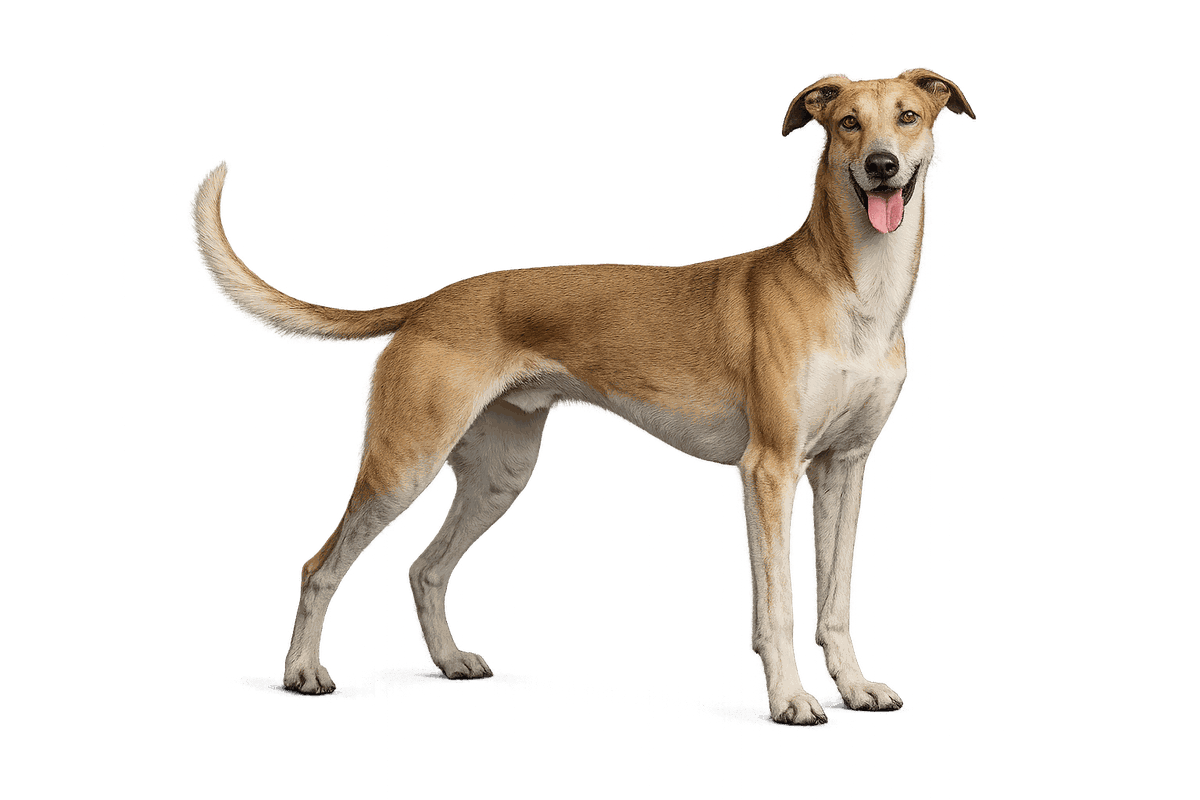
Weight
60-95 lb
Height
26.75-31.5 in
Lifespan
10-13 yrs
Coat
Short Harsh Short
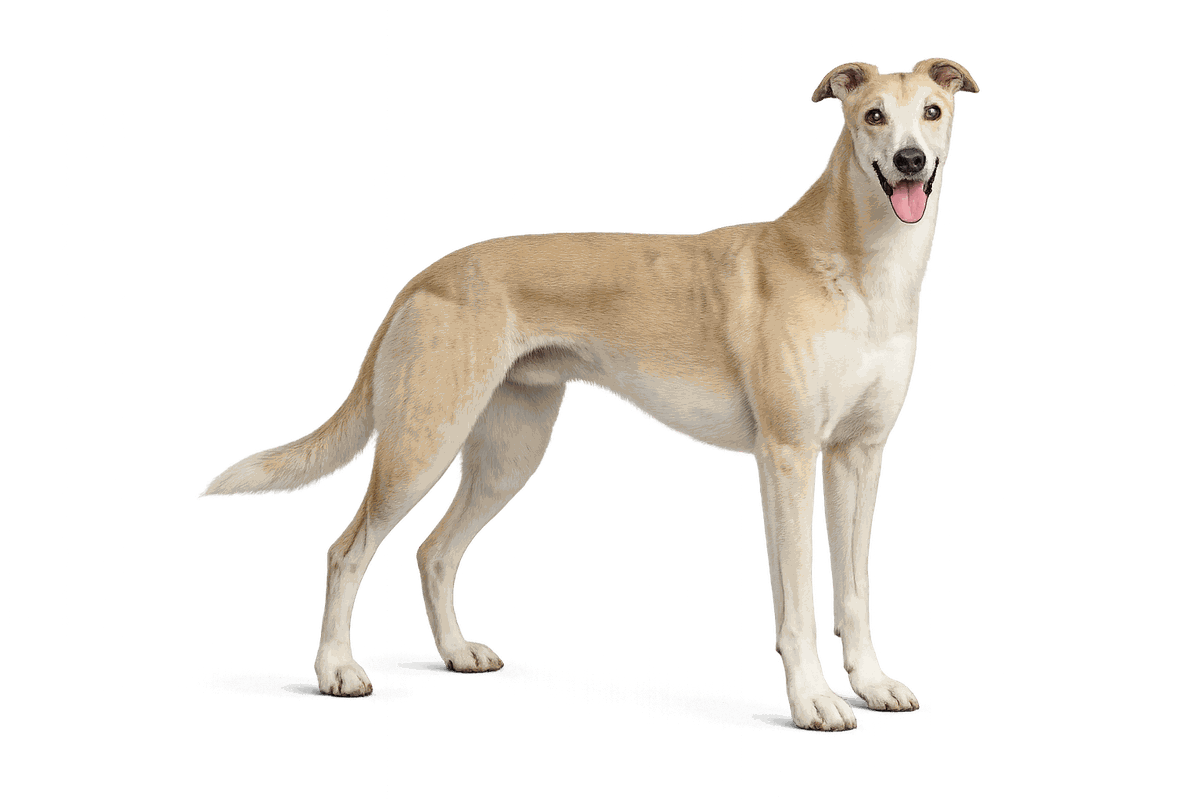
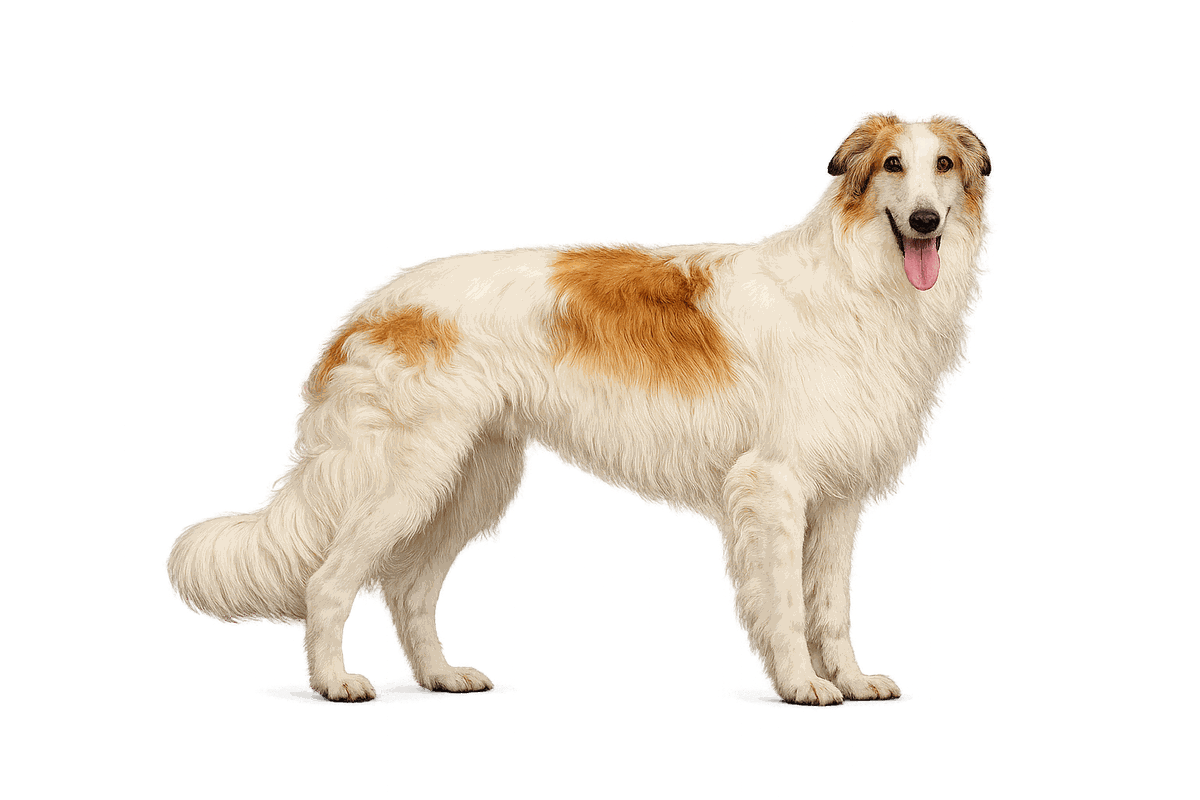
The Polish Greyhound, or Chart Polski, is a powerful Polish sighthound: taller, stronger, and more protective in character than many people expect from the word greyhound.
Official, native, and commonly used variants
Weight
60-95 lb
Height
26.75-31.5 in
Lifespan
10-13 yrs
Coat
Short Harsh Short
At A Glance
A quick read on energy, upkeep, and what day-to-day life with this breed usually feels like.
Energy
High
Barking
Moderate
Drooling
Low
Shedding
Moderate
Grooming
1/5
First-time owner
No
The Polish Greyhound, known in Poland as the Chart Polski, is a large sighthound developed for hunting by sight. It has the speed and lean outline expected from a sighthound, but the FCI standard emphasizes strength, substance, and a self-assured character more than a fragile or overly refined build.
This breed is athletic, independent, and often reserved with strangers. Compared with some sighthounds, it can be more territorial and watchful, so early socialization and careful handling around unfamiliar dogs and people are important. It needs secure areas for running because prey drive can be intense.
The coat is short and rather harsh compared with a racing Greyhound's fine coat, and all colors are accepted by the FCI standard. Grooming is simple, but exercise planning, recall realism, fencing, and responsible socialization are the main ownership issues.
This breed tends to suit homes looking for a self-assured, reserved, courageous companion, with daily rhythms shaped by high energy, moderate barking, and low drooling.
Coat type
Short Harsh
Coat length
Short
Shedding
Moderate
Colors
All Colors
Apartment life is possible only with secure running access and skilled management. Size is less important than prey drive, exercise, and social control.
The breed is usually not a constant barker, but its watchful nature means it may alert to strangers or boundary activity.
Use patient reward-based training, build habits early, and manage the environment. Off-leash reliability should never be assumed in open areas.
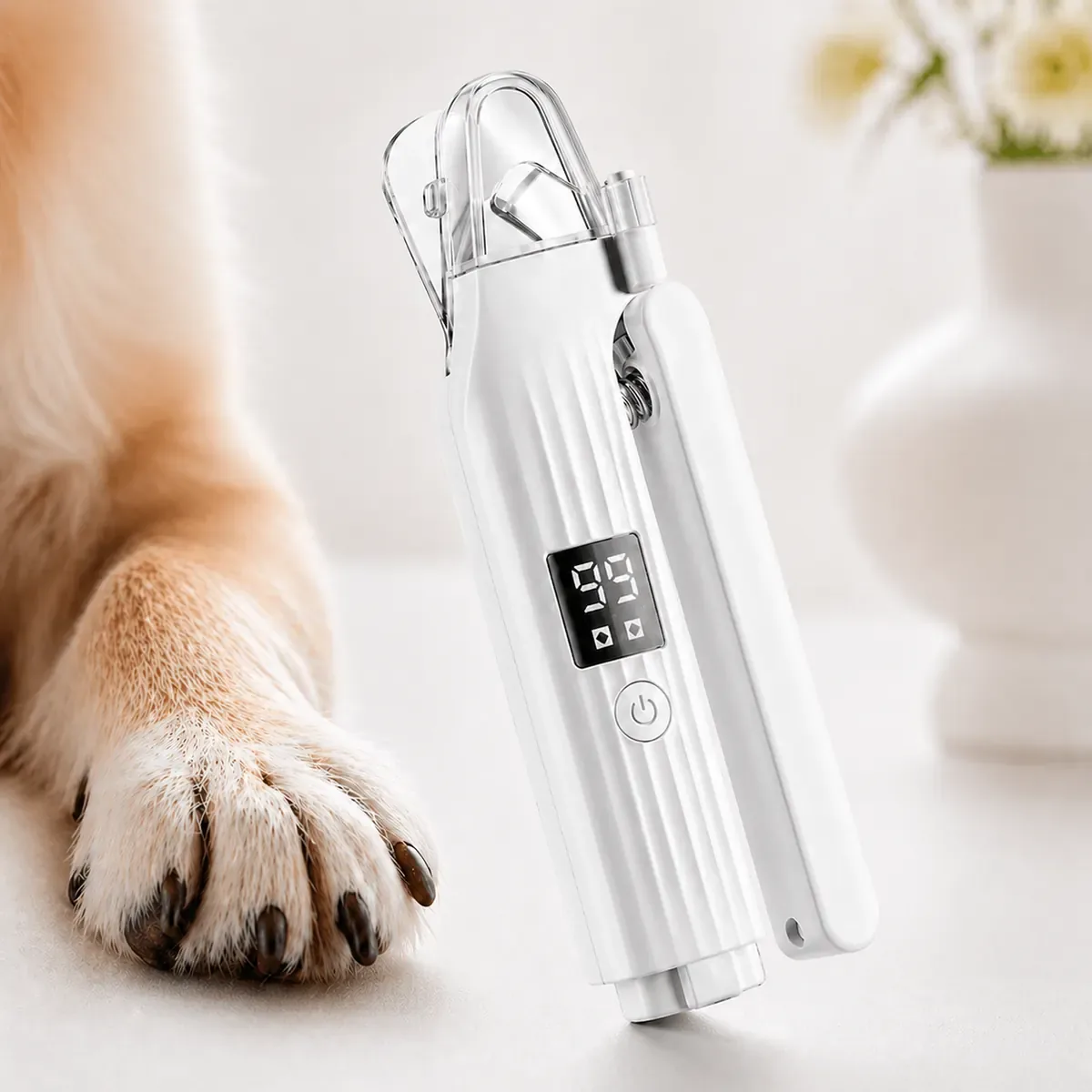
The short coat is low effort. Keep nails short and check skin, pads, and muscles after running.
Polish Greyhounds need daily leash walks plus safe fenced chances to run. Most adults need 60 to 90 minutes of activity, but the quality of secure sprinting and calm recovery matters as much as mileage.
The short, slightly harsh coat is easy to maintain with weekly brushing. Keep nails short for traction, check skin after running, and provide weather protection in harsh cold or heat.
Training should be calm, early, and realistic about prey drive. Build recall and handling, but do not rely on off-leash obedience in unsecured areas. Socialize carefully so watchfulness does not become suspicion.
Feed for a lean athletic body. Avoid excess weight, support joint health with appropriate conditioning, and talk with a veterinarian about feeding around hard exercise.
Energy level
High
Barking level
Moderate
Drooling level
Low
Watchdog ability
4/5
Guard dog ability
2/5
Climate tolerance
Common concerns to discuss with your vet and breeder.
This profile was researched from established breed and canine-care references. Breed tendencies describe typical patterns, not a guarantee for every individual dog.
Reviewed by the Dogs Index Editorial Team. For health or behavior concerns, consult a veterinarian or appropriately qualified professional.
Our Shop
Browse practical products for feeding, grooming, cleanup, enrichment, and smoother daily routines.