Apartment fit
A Ridgeback can live in an apartment only when exercise, leash manners, and calm indoor routines are excellent.
 South Africa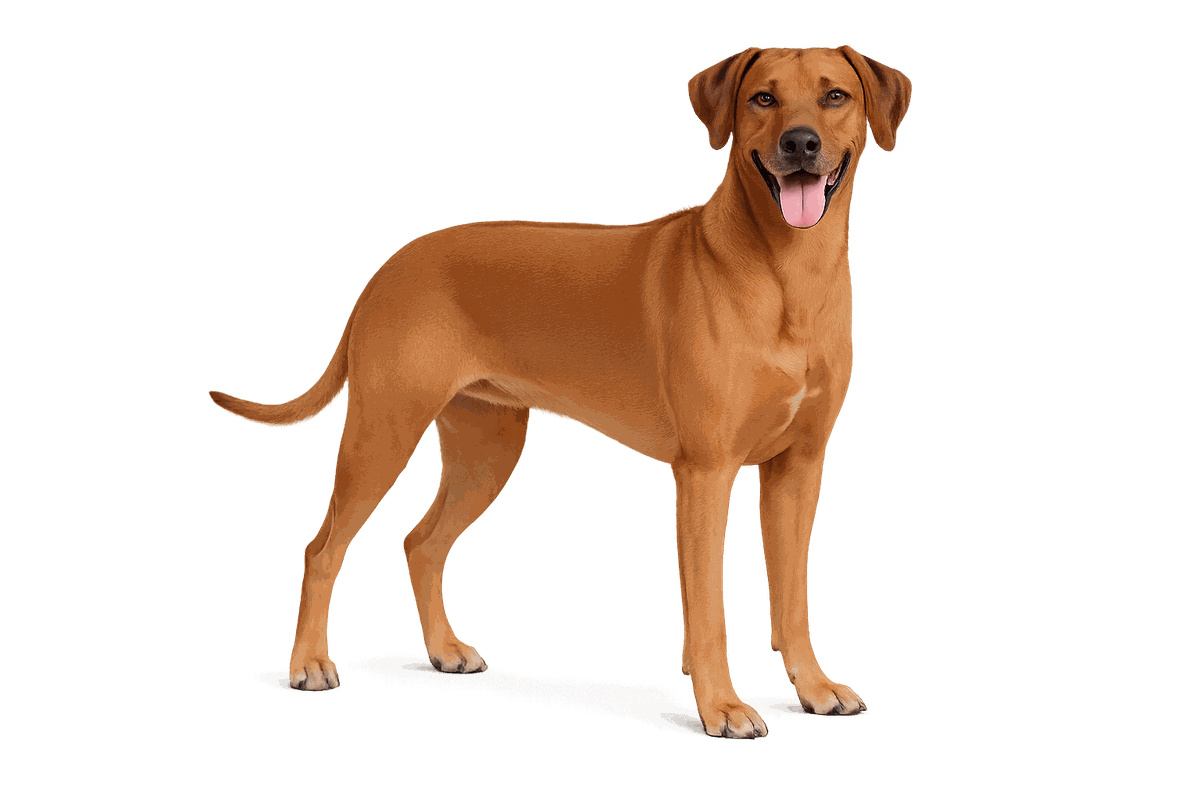
Weight
70-85 lb
Height
24-27 in
Lifespan
10-12 yrs
Coat
Smooth Short
The Rhodesian Ridgeback is a large southern African hound known for the ridge of backward-growing hair on its back, wheaten coat, athletic build, and reserved confidence.
Official, native, and commonly used variants
Weight
70-85 lb
Height
24-27 in
Lifespan
10-12 yrs
Coat
Smooth Short
At A Glance
A quick read on energy, upkeep, and what day-to-day life with this breed usually feels like.
Energy
High
Barking
Low to Moderate
Drooling
Low
Shedding
Moderate
Grooming
1/5
First-time owner
No
The Rhodesian Ridgeback was developed in southern Africa as an all-purpose hunting and guardian hound. Its most recognizable feature is the ridge along the back, formed by hair growing in the opposite direction to the rest of the coat.
The breed is large, muscular, and athletic, with a short wheaten coat ranging from light wheaten to red wheaten. A good Ridgeback is devoted and affectionate with its family but reserved with strangers, not nervy or indiscriminately aggressive.
Ridgebacks need exercise, socialization, and calm leadership. They are strong, independent hounds with prey drive, so leash skills, recall realism, and early neutrality around people and dogs are important.
This breed tends to suit homes looking for a dignified, devoted, reserved companion, with daily rhythms shaped by high energy, low to moderate barking, and low drooling.
Coat type
Smooth
Coat length
Short
Shedding
Moderate
Colors
Light Wheaten, Wheaten, Red Wheaten
A Ridgeback can live in an apartment only when exercise, leash manners, and calm indoor routines are excellent.
Ridgebacks are not usually constant barkers, but they are watchful. Reward calm observation and neutral greetings.
Use consistent positive training with clear boundaries. Avoid harsh handling with a strong, independent dog.
The coat is easy: weekly brushing, nail care, and skin checks after outdoor work.
Most Rhodesian Ridgebacks need 60 to 90 minutes of daily exercise, including long walks, controlled running, hiking, or training games. Avoid forced hard exercise while growing.
The short coat is simple to maintain with weekly brushing. Check skin, nails, ears, and pads after rough terrain or hot-weather activity.
Use calm, consistent, reward-based training. Socialization should build neutral confidence around strangers and dogs, while recall and leash work need realistic prey-drive management.
Feed measured large-breed portions and keep the dog lean. Avoid hard activity immediately around large meals because deep-chested breeds can be at risk for bloat.
Energy level
High
Barking level
Low to Moderate
Drooling level
Low
Watchdog ability
4/5
Guard dog ability
2/5
Climate tolerance
Common concerns to discuss with your vet and breeder.
This profile was researched from established breed and canine-care references. Breed tendencies describe typical patterns, not a guarantee for every individual dog.
Reviewed by the Dogs Index Editorial Team. For health or behavior concerns, consult a veterinarian or appropriately qualified professional.
Our Shop
Browse practical products for feeding, grooming, cleanup, enrichment, and smoother daily routines.