Apartment fit
The Pudelpointer is usually a poor apartment fit unless the owner has daily access to serious outdoor training and exercise.
 Germany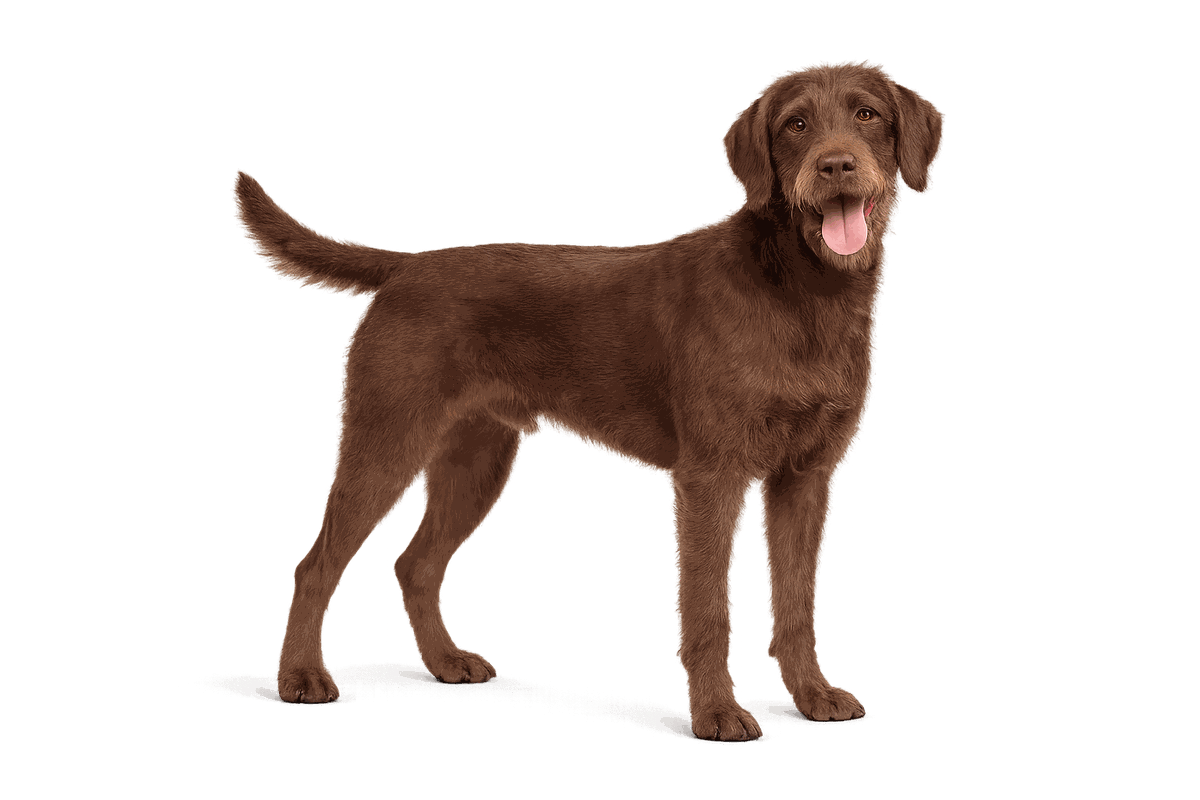
Weight
45-70 lb
Height
22-27 in
Lifespan
12-14 yrs
Coat
Harsh Wire Medium
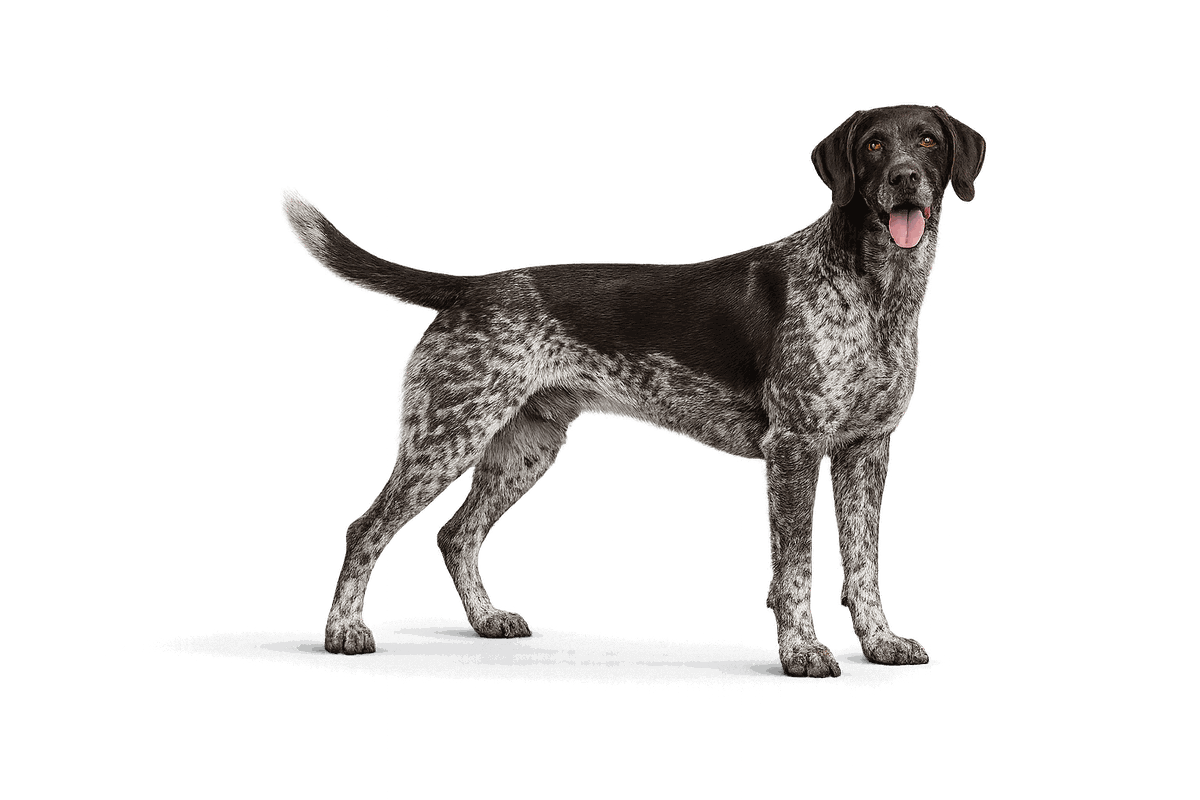
The Pudelpointer is a German versatile hunting dog developed from Poodle and Pointer lines, with a harsh protective coat and strong field, water, and tracking ability.
Official, native, and commonly used variants
No widely used alternate names are recorded for this breed.
Weight
45-70 lb
Height
22-27 in
Lifespan
12-14 yrs
Coat
Harsh Wire Medium
At A Glance
A quick read on energy, upkeep, and what day-to-day life with this breed usually feels like.
Energy
Very High
Barking
Moderate
Drooling
Low
Shedding
Low to Moderate
Grooming
3/5
First-time owner
No
The Pudelpointer was developed in Germany by combining Poodle and Pointer ancestry to create a versatile hunting dog. The breed is expected to work upland game, water, and tracking tasks with intelligence, endurance, and cooperation.
This is a serious working gundog, not just a high-energy family pet. Its ideal coat is dense, harsh, and protective, often liver or brown, with facial furnishings. The coat helps protect against briars and weather better than a smooth coat would.
Pudelpointers suit owners who hunt, train, or provide similar outlets. Without purposeful work, they can become restless and hard to satisfy, even if they are affectionate and people-oriented at home.
This breed tends to suit homes looking for a intelligent, cooperative, hardworking companion, with daily rhythms shaped by very high energy, moderate barking, and low drooling.
Coat type
Harsh Wire
Coat length
Medium
Shedding
Low to Moderate
Colors
Liver, Brown, Black, Deadgrass
The Pudelpointer is usually a poor apartment fit unless the owner has daily access to serious outdoor training and exercise.
Barking is usually manageable with enough work, but frustration and boredom can create noise.
Use practical gundog training with retrieving, water, tracking, recall, and steadiness.
The harsh coat is functional but needs field checks, brushing, and occasional coat maintenance.
Most Pudelpointers need 90 minutes or more daily, with field training, retrieving, swimming, tracking, or hunting-style work. Leash walks alone rarely satisfy a mature working dog.
Brush the harsh coat weekly and check furnishings, feet, ears, and skin after field work. Some coats need occasional hand work or trimming to keep them functional.
Use structured reward-based gundog training. Pudelpointers usually thrive when lessons involve retrieving, water, scent, steadiness, and real jobs.
Feed for lean athletic condition. Adjust calories around hunting seasons, water work, or quieter periods.
Energy level
Very High
Barking level
Moderate
Drooling level
Low
Watchdog ability
3/5
Guard dog ability
1/5
Climate tolerance
Common concerns to discuss with your vet and breeder.
This profile was researched from established breed and canine-care references. Breed tendencies describe typical patterns, not a guarantee for every individual dog.
Reviewed by the Dogs Index Editorial Team. For health or behavior concerns, consult a veterinarian or appropriately qualified professional.
Our Shop
Browse practical products for feeding, grooming, cleanup, enrichment, and smoother daily routines.