Apartment fit
The Spanish Mastiff is generally a poor apartment dog because of its size, voice, guardian instincts, and need for secure outdoor space.
 Spain
Spain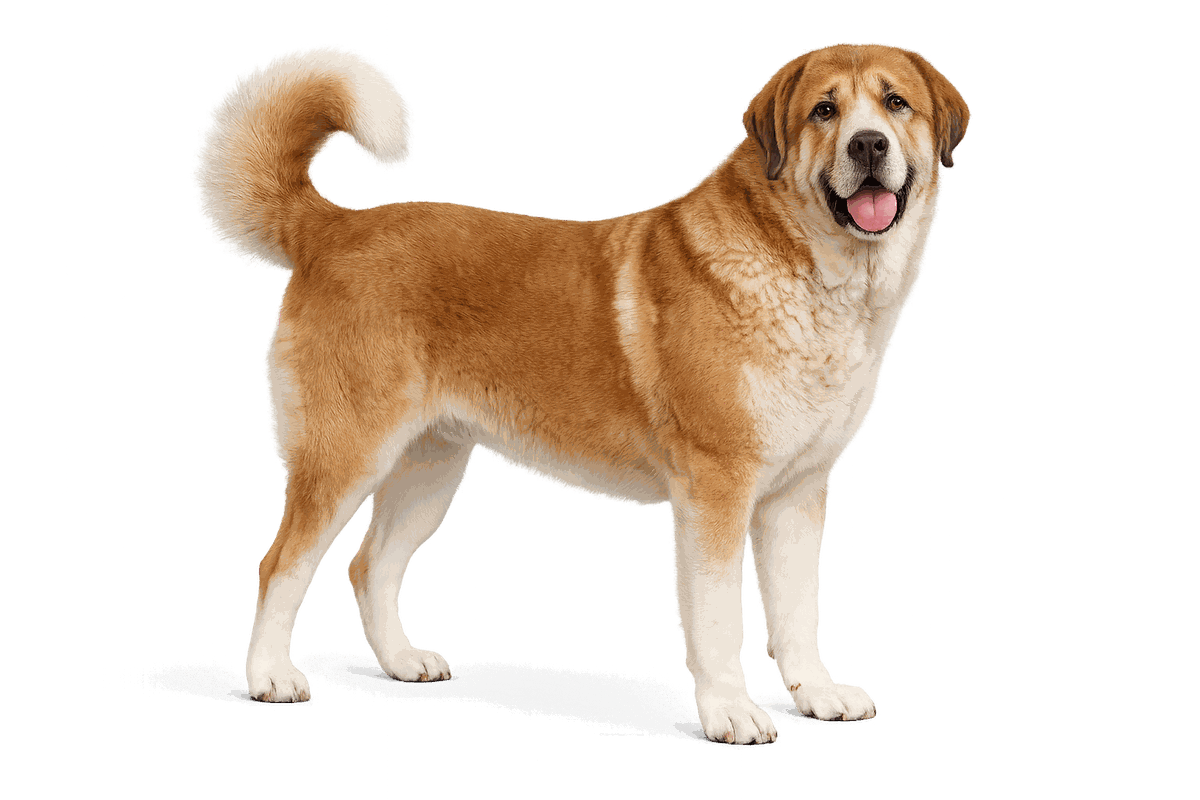
Weight
140-200 lb
Height
28-35 in
Lifespan
10-12 yrs
Coat
Dense Medium
The Spanish Mastiff is a giant Spanish livestock guardian, traditionally used to protect flocks during transhumance across open country.
Official, native, and commonly used variants
Weight
140-200 lb
Height
28-35 in
Lifespan
10-12 yrs
Coat
Dense Medium
At A Glance
A quick read on energy, upkeep, and what day-to-day life with this breed usually feels like.
Energy
Moderate
Barking
High
Drooling
High
Shedding
Moderate
Grooming
3/5
First-time owner
No
The Spanish Mastiff, or Mastin Espanol, is a giant livestock guardian from Spain. Its traditional work was not obedience sport or close heelwork; it was independent flock protection, often over long seasonal movements between grazing areas. That background explains the breed's calm confidence, territorial awareness, deep voice, and willingness to make decisions without constant direction.
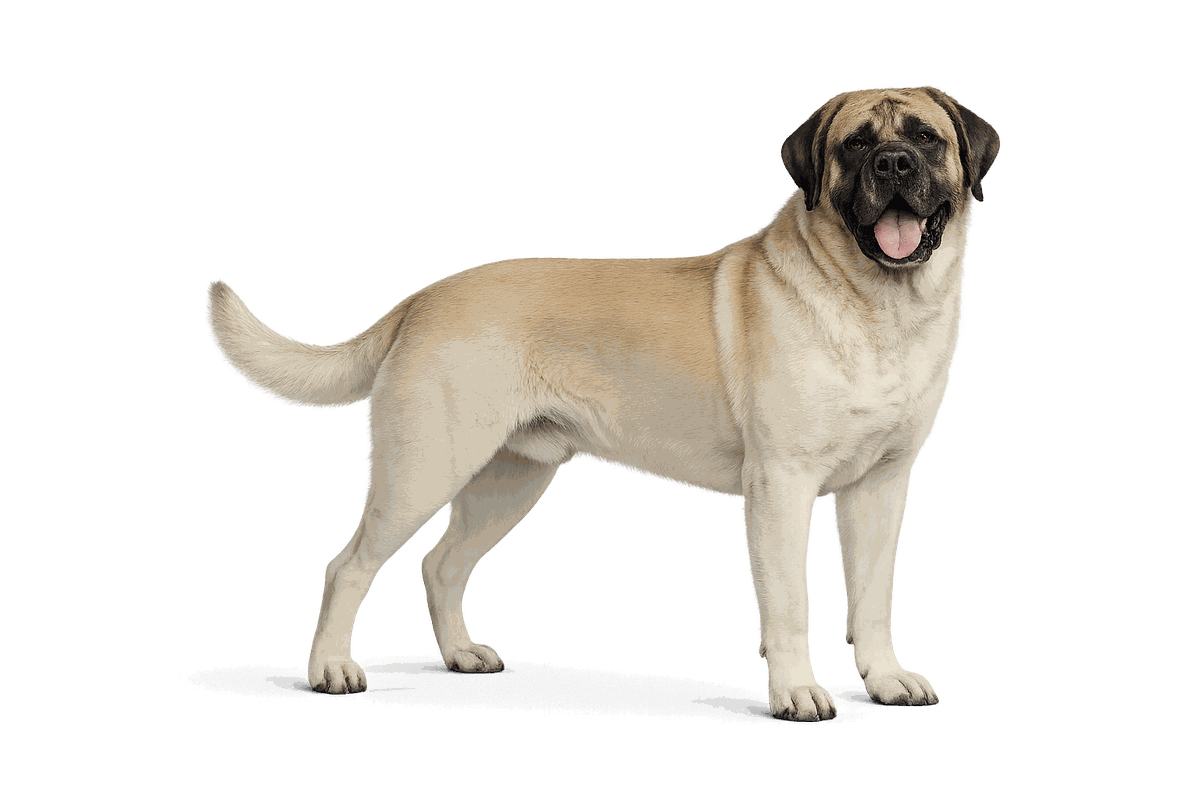
This is a very large, heavy-boned dog with loose skin, a strong head, and a dense medium-length coat. Spanish Mastiffs can appear in many colors, including fawn, brindle, black, wolf-gray, red, and patched patterns. Their size, drool, shedding, food cost, and veterinary logistics should be considered before ownership.
Spanish Mastiffs are usually gentle with their own household when well socialized, but they are serious guardians. They need space, secure fencing, early handling, visitor routines, and owners who understand that guardian behavior cannot be trained away like a trick. They are a poor fit for apartments or owners who want an automatically social large dog.
This breed tends to suit homes looking for a calm, protective, independent companion, with daily rhythms shaped by moderate energy, high barking, and high drooling.
Coat type
Dense
Coat length
Medium
Shedding
Moderate
Colors
Fawn, Brindle, Black, Red, Wolf gray, Pied
The Spanish Mastiff is generally a poor apartment dog because of its size, voice, guardian instincts, and need for secure outdoor space.
Boundary barking and nighttime alerting are normal guardian behaviors. Management should focus on appropriate environment, fencing, routines, and socialization rather than expecting silence.
Use calm, consistent, reward-based training with strong emphasis on handling, leash control, visitors, and boundaries. The breed should trust the owner, not be pushed into defensive reactions.
The coat is moderate maintenance, but the dog's size makes grooming a real task. Brush regularly and check skin, ears, nails, and pressure points.
Spanish Mastiffs need steady daily movement, but forced running is not appropriate for a giant breed. Use calm walks, property patrols, controlled hill work, and low-impact conditioning while protecting growing joints.
Brush the dense coat weekly and more often during seasonal shedding. Check skin folds, ears, nails, and pressure areas, and be ready for drool and dirt from a very large outdoor-capable dog.
Training should focus on early socialization, calm handling, leash control, visitor routines, livestock or property boundaries, and cooperative care. The breed is independent by design, so patient consistency matters more than repetition.
Feed measured meals formulated for large or giant breeds, especially during growth. Keep the dog lean, avoid rapid growth, and discuss bloat risk, joint health, and portion control with a veterinarian.
Energy level
Moderate
Barking level
High
Drooling level
High
Watchdog ability
5/5
Guard dog ability
5/5
Climate tolerance
Common concerns to discuss with your vet and breeder.
This profile was researched from established breed and canine-care references. Breed tendencies describe typical patterns, not a guarantee for every individual dog.
Reviewed by the Dogs Index Editorial Team. For health or behavior concerns, consult a veterinarian or appropriately qualified professional.
Our Shop
Browse practical products for feeding, grooming, cleanup, enrichment, and smoother daily routines.