Apartment fit
Apartment life is possible only for some calm adults with enough floor space, reliable elevator access, cool indoor temperatures, and owners who can manage transport and stairs.
Weight
120-230 lb
Height
27.5-30 in
Lifespan
6-10 yrs
Coat
Smooth Short
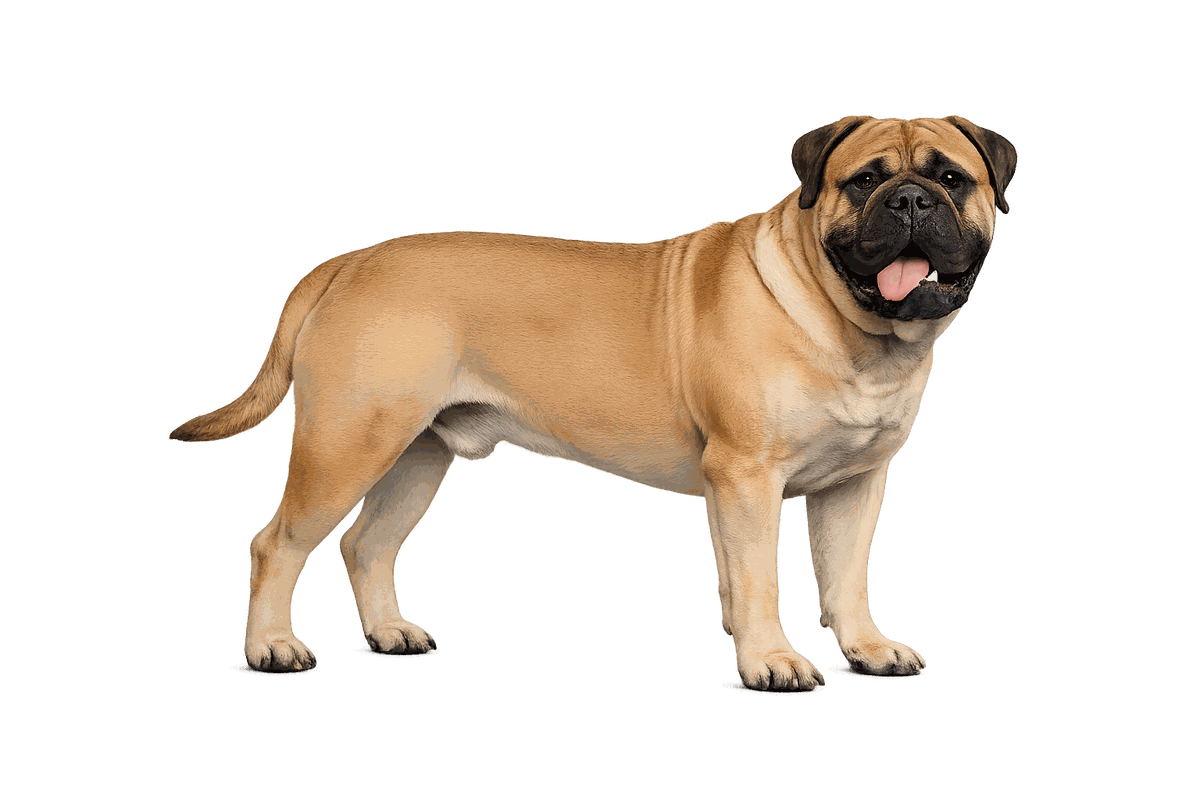
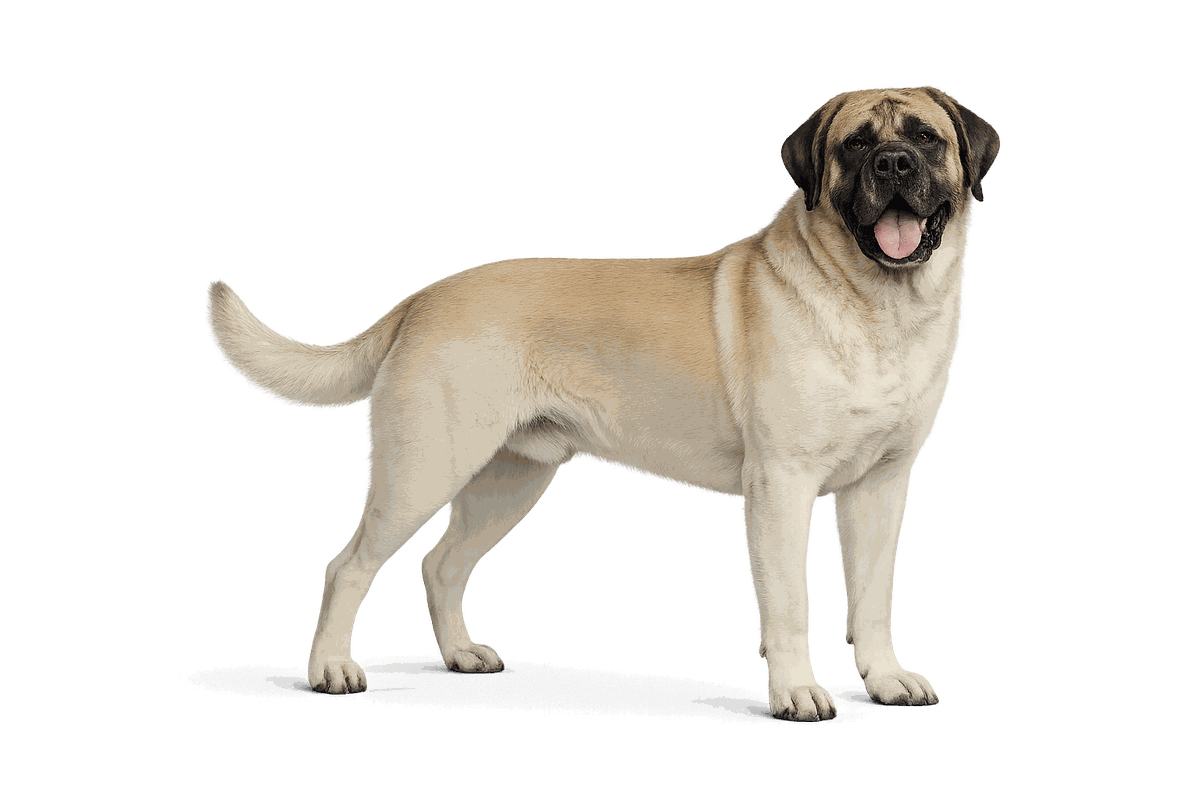
The Mastiff is a giant British guardian breed known for massive size, a short fawn, apricot, or brindle coat, and a calm, dignified temperament.
Official, native, and commonly used variants
Weight
120-230 lb
Height
27.5-30 in
Lifespan
6-10 yrs
Coat
Smooth Short
At A Glance
A quick read on energy, upkeep, and what day-to-day life with this breed usually feels like.
Energy
Low to Moderate
Barking
Low
Drooling
High
Shedding
Moderate
Grooming
2/5
First-time owner
No
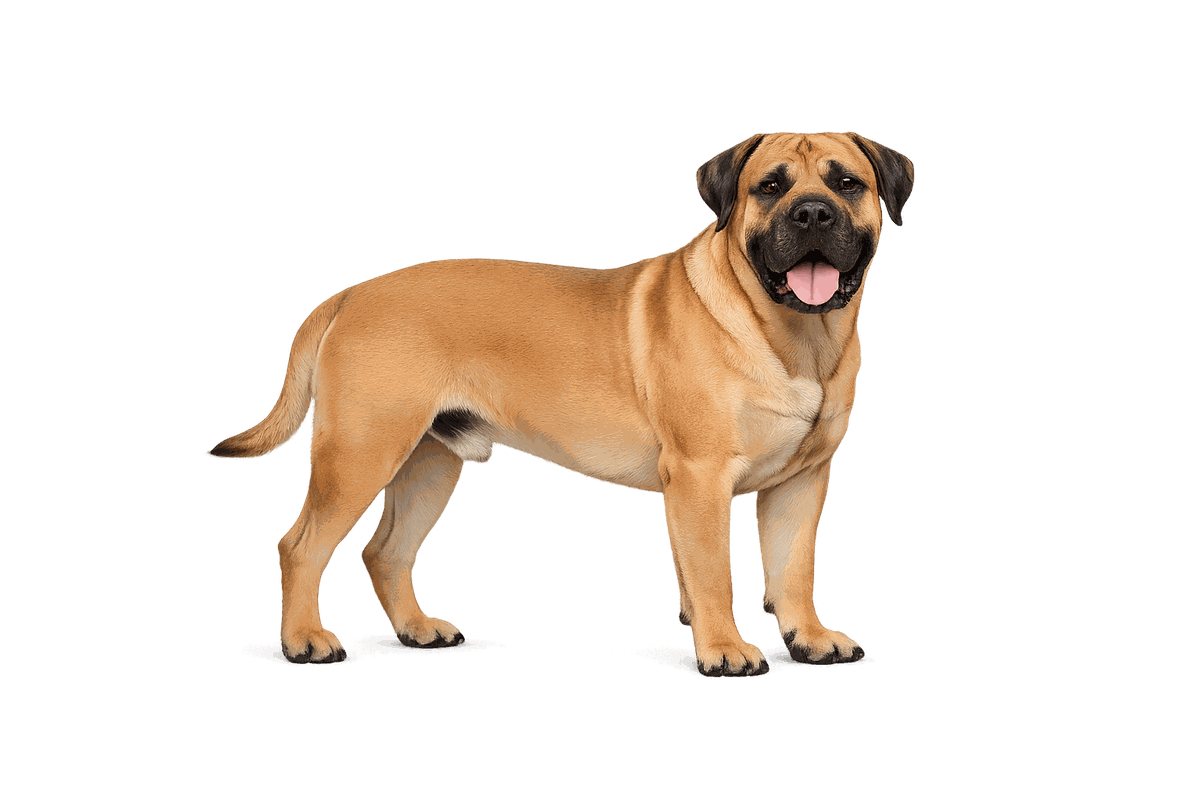
The Mastiff, often called the English Mastiff, is one of the classic giant guardian breeds of Britain. The AKC standard describes a massive, symmetrical dog with great dignity, courage, and a calm nature. This is a giant breed, not simply a large dog, and size affects every part of ownership.
Adult males are at least 30 inches at the shoulder and females at least 27.5 inches, with many adults weighing well over 120 pounds. The coat is short and close, and standard colors are fawn, apricot, or brindle, always with a dark muzzle, ears, and nose. Grooming is easy, but drool, space, heat sensitivity, and joint care are real considerations.
A well-bred Mastiff can be gentle and deeply attached to family, but early socialization is essential because an unsure giant dog is hard to manage. The breed suits owners who want a calm household guardian and can handle cost, training, transport, and veterinary realities of a giant dog.
This breed tends to suit homes looking for a calm, dignified, courageous companion, with daily rhythms shaped by low to moderate energy, low barking, and high drooling.
Coat type
Smooth
Coat length
Short
Shedding
Moderate
Colors
Fawn, Apricot, Brindle
Apartment life is possible only for some calm adults with enough floor space, reliable elevator access, cool indoor temperatures, and owners who can manage transport and stairs.
The Mastiff is usually not a frantic barker, but it is a serious watchdog. Socialization should teach the dog which visitors and public situations are normal.
Train early with calm rewards and consistent rules. Loose-leash walking and polite greetings are urgent because adult size leaves little room for sloppy manners.
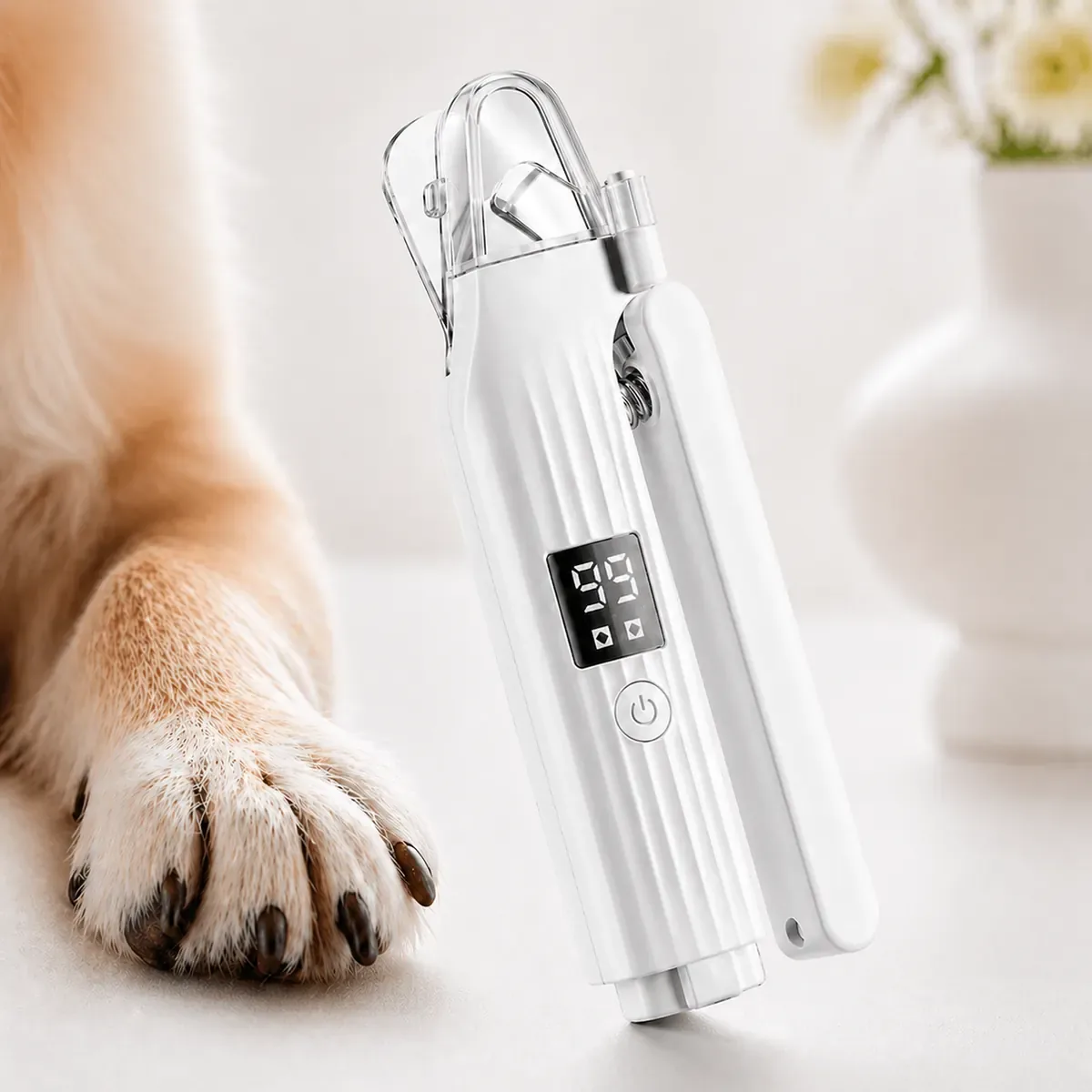
The short coat is simple to brush, but drool care, nail trimming, ear checks, and skin checks are part of routine ownership.
Adult Mastiffs need steady, moderate exercise such as daily walks and gentle play. Avoid forced running, repeated stairs, and hard exercise during growth or hot weather.
Brush the short coat weekly, wipe drool as needed, clean facial folds if present, and keep nails short because extra weight makes foot care important.
Start leash manners, polite greetings, and handling early while the dog is still manageable. Use calm reward-based training and extensive socialization around normal visitors, vehicles, and veterinary handling.
Feed a large or giant-breed diet, keep body condition lean, and discuss growth rate, joint support, and bloat-risk feeding routines with a veterinarian.
Energy level
Low to Moderate
Barking level
Low
Drooling level
High
Watchdog ability
4/5
Guard dog ability
4/5
Climate tolerance
Common concerns to discuss with your vet and breeder.
This profile was researched from established breed and canine-care references. Breed tendencies describe typical patterns, not a guarantee for every individual dog.
Reviewed by the Dogs Index Editorial Team. For health or behavior concerns, consult a veterinarian or appropriately qualified professional.
Our Shop
Browse practical products for feeding, grooming, cleanup, enrichment, and smoother daily routines.