Apartment fit
The Neapolitan Mastiff is rarely a good apartment fit because of size, heat sensitivity, drool, and protective instincts.
 Italy
Italy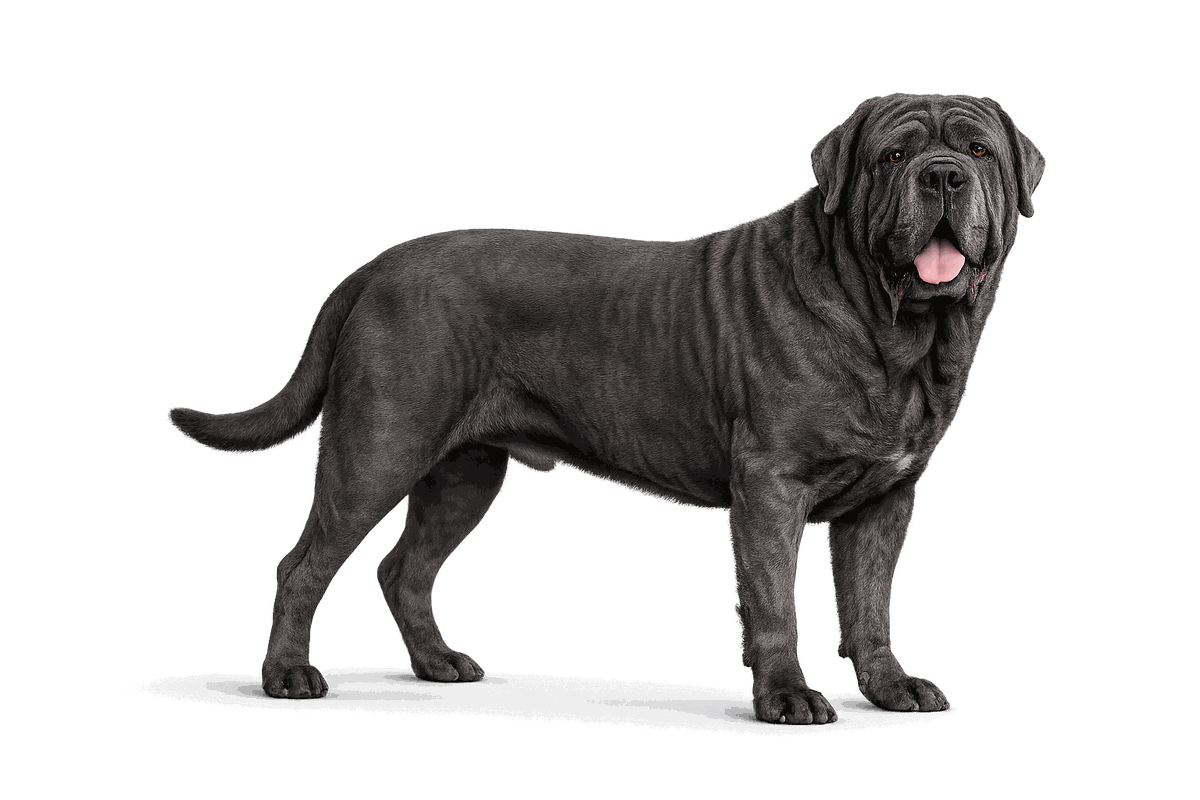
Weight
110-150 lb
Height
24-31 in
Lifespan
7-9 yrs
Coat
Smooth Short
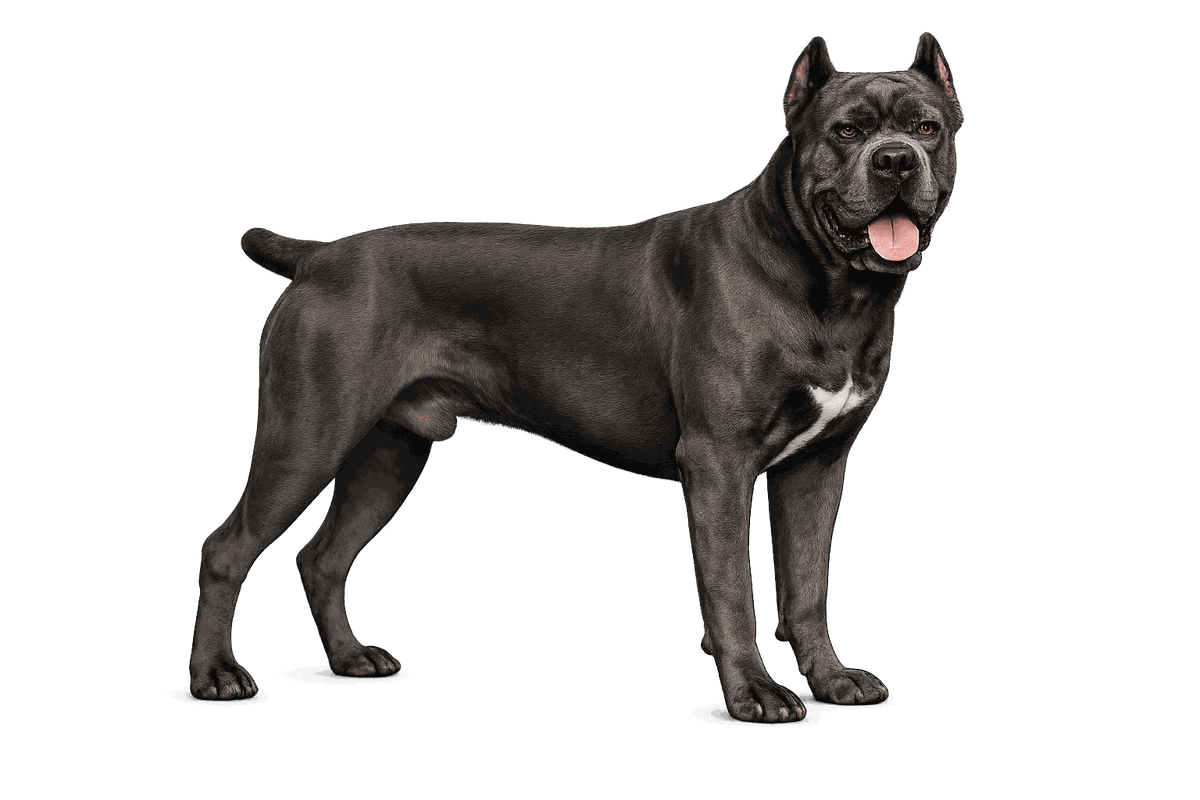
The Neapolitan Mastiff is a giant Italian guardian breed known for massive bone, loose skin, heavy wrinkles, and a loyal, protective temperament.
Official, native, and commonly used variants
Weight
110-150 lb
Height
24-31 in
Lifespan
7-9 yrs
Coat
Smooth Short
At A Glance
A quick read on energy, upkeep, and what day-to-day life with this breed usually feels like.
Energy
Low to Moderate
Barking
Low to Moderate
Drooling
High
Shedding
Moderate
Grooming
3/5
First-time owner
No
The Neapolitan Mastiff, or Mastino Napoletano, is a giant Italian mastiff bred as a guard and defender of property and family. Its loose skin, heavy head, and massive frame are breed-defining traits, but they also make health, heat management, and responsible breeding especially important.
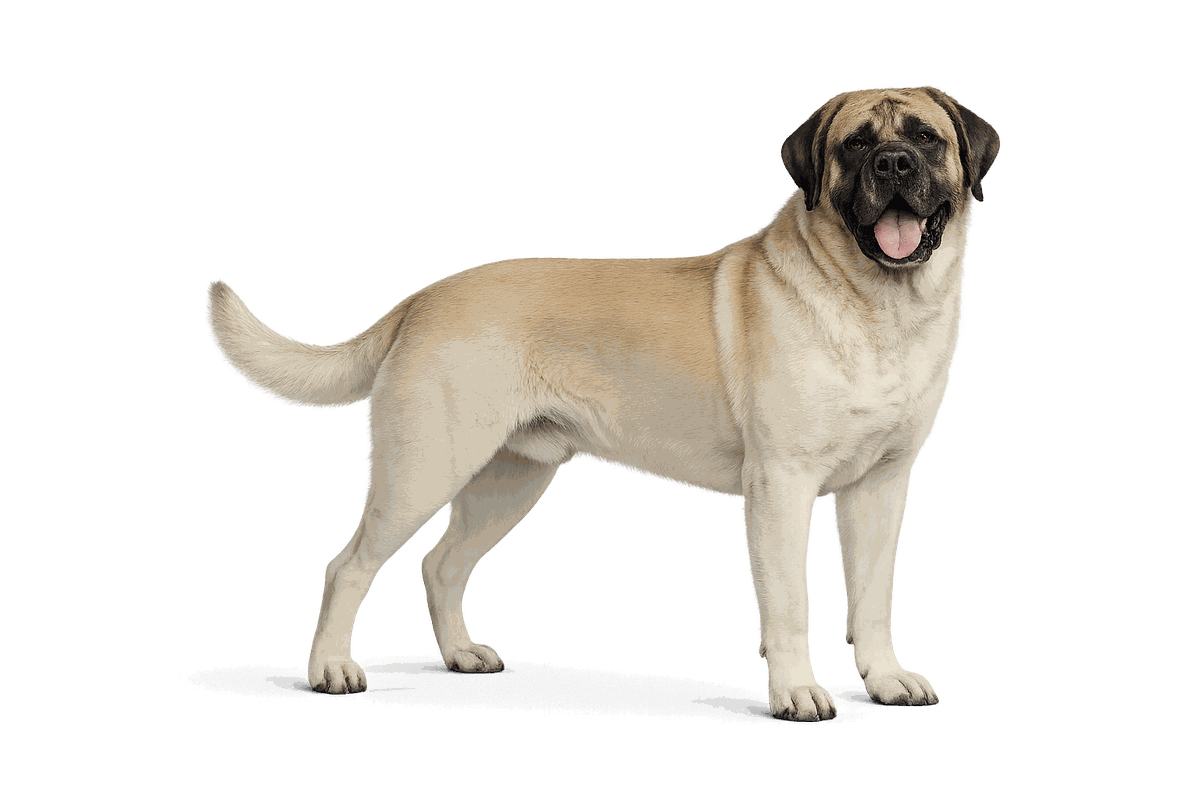
The AKC standard describes a heavy-boned dog whose body is longer than tall, with adult males about 26 to 31 inches and females about 24 to 29 inches. Standard colors include gray, black, mahogany, and tawny, with brindling allowed. The coat is short and dense, but skin folds and drool require more care than the coat length suggests.
This breed is devoted and naturally protective, not casually social with everyone. It needs experienced owners, early socialization, calm handling, and realistic expectations about size, drool, veterinary costs, and orthopedic risk. A Neapolitan Mastiff should be a stable guardian, not a dog encouraged toward suspicion or aggression.
This breed tends to suit homes looking for a loyal, protective, steady companion, with daily rhythms shaped by low to moderate energy, low to moderate barking, and high drooling.
Coat type
Smooth
Coat length
Short
Shedding
Moderate
Colors
Gray, Black, Mahogany, Tawny, Brindle
The Neapolitan Mastiff is rarely a good apartment fit because of size, heat sensitivity, drool, and protective instincts.
This breed may not bark constantly, but its guarding presence is serious. Teach visitor routines and calm handling from puppyhood.
Use calm, consistent reward-based training. Socialization should build stability, not force the dog into overwhelming stranger contact.
The coat is short, but folds, drool, nails, eyes, and skin need regular attention.
Adult Neapolitan Mastiffs need controlled daily walks and gentle conditioning, not hard running. Protect growing puppies from excessive stairs, jumping, and forced exercise.
Brush the short coat weekly, clean and dry skin folds, wipe drool, trim nails, and monitor eyes and skin for irritation.
Start socialization, leash manners, handling, and visitor routines early. Use calm reward-based training and avoid encouraging defensive behavior.
Feed a large or giant-breed diet, keep growth slow and steady, and discuss bloat-risk routines, joint health, and body condition with a veterinarian.
Energy level
Low to Moderate
Barking level
Low to Moderate
Drooling level
High
Watchdog ability
5/5
Guard dog ability
5/5
Climate tolerance
Common concerns to discuss with your vet and breeder.
This profile was researched from established breed and canine-care references. Breed tendencies describe typical patterns, not a guarantee for every individual dog.
Reviewed by the Dogs Index Editorial Team. For health or behavior concerns, consult a veterinarian or appropriately qualified professional.
Our Shop
Browse practical products for feeding, grooming, cleanup, enrichment, and smoother daily routines.