Apartment fit
The Tibetan Mastiff is generally a poor apartment fit because of guardian barking, size, coat, and territorial behavior.
 Tibet
Tibet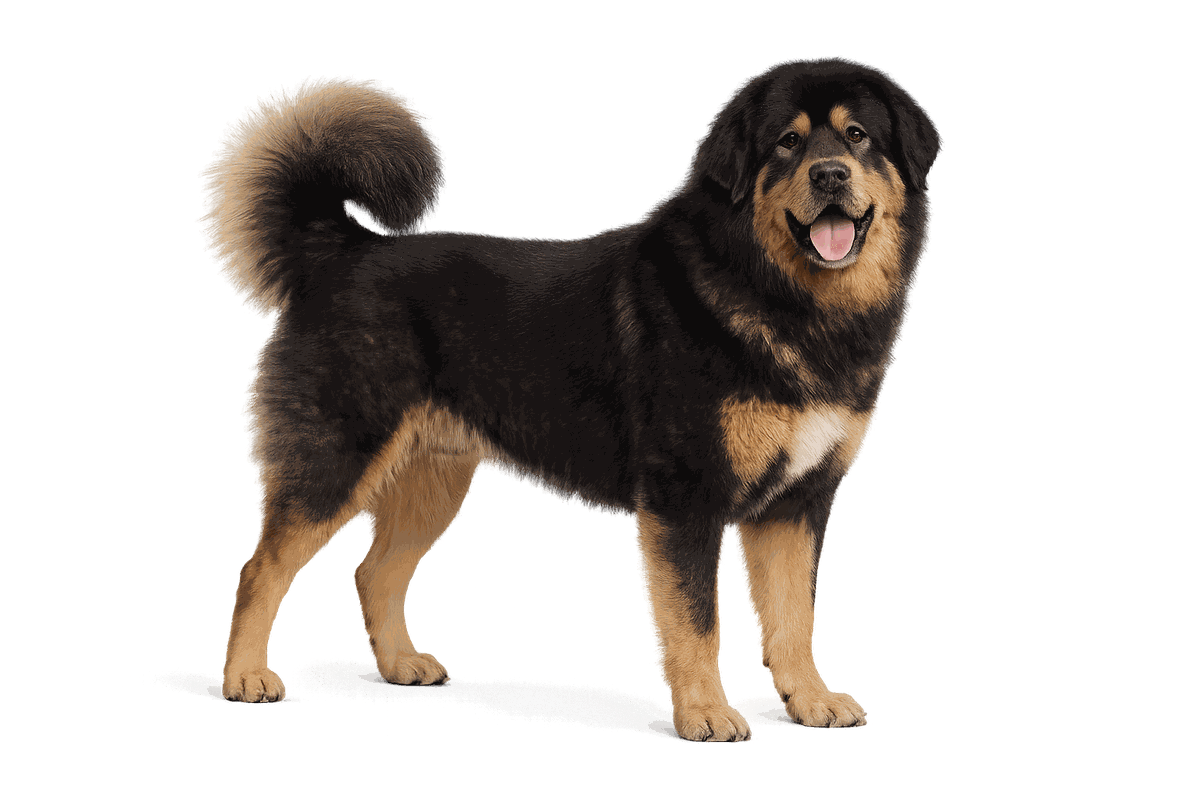
Weight
70-150 lb
Height
24-30 in
Lifespan
10-12 yrs
Coat
Double Long
The Tibetan Mastiff is a large Himalayan guardian breed with a heavy double coat, strong night-watch instincts, and independent temperament.
Official, native, and commonly used variants
Weight
70-150 lb
Height
24-30 in
Lifespan
10-12 yrs
Coat
Double Long
At A Glance
A quick read on energy, upkeep, and what day-to-day life with this breed usually feels like.
Energy
Moderate
Barking
High
Drooling
Moderate
Shedding
Heavy
Grooming
4/5
First-time owner
No
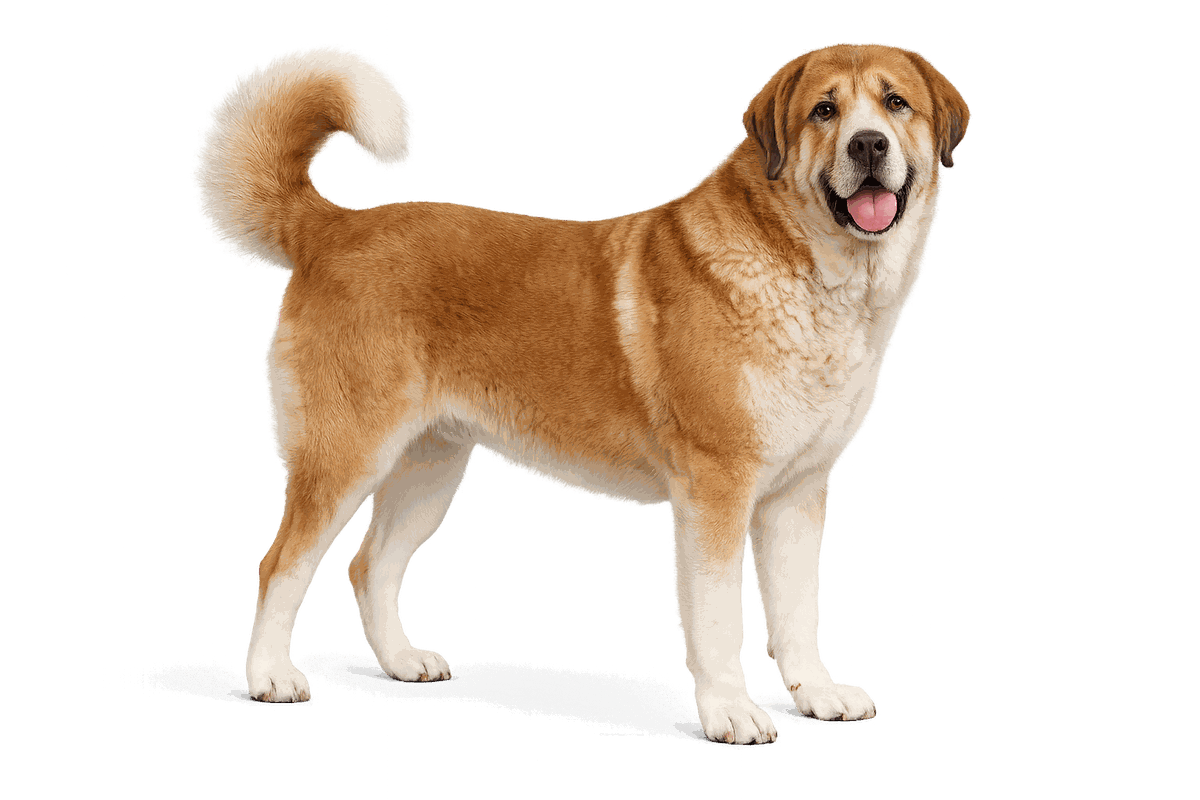
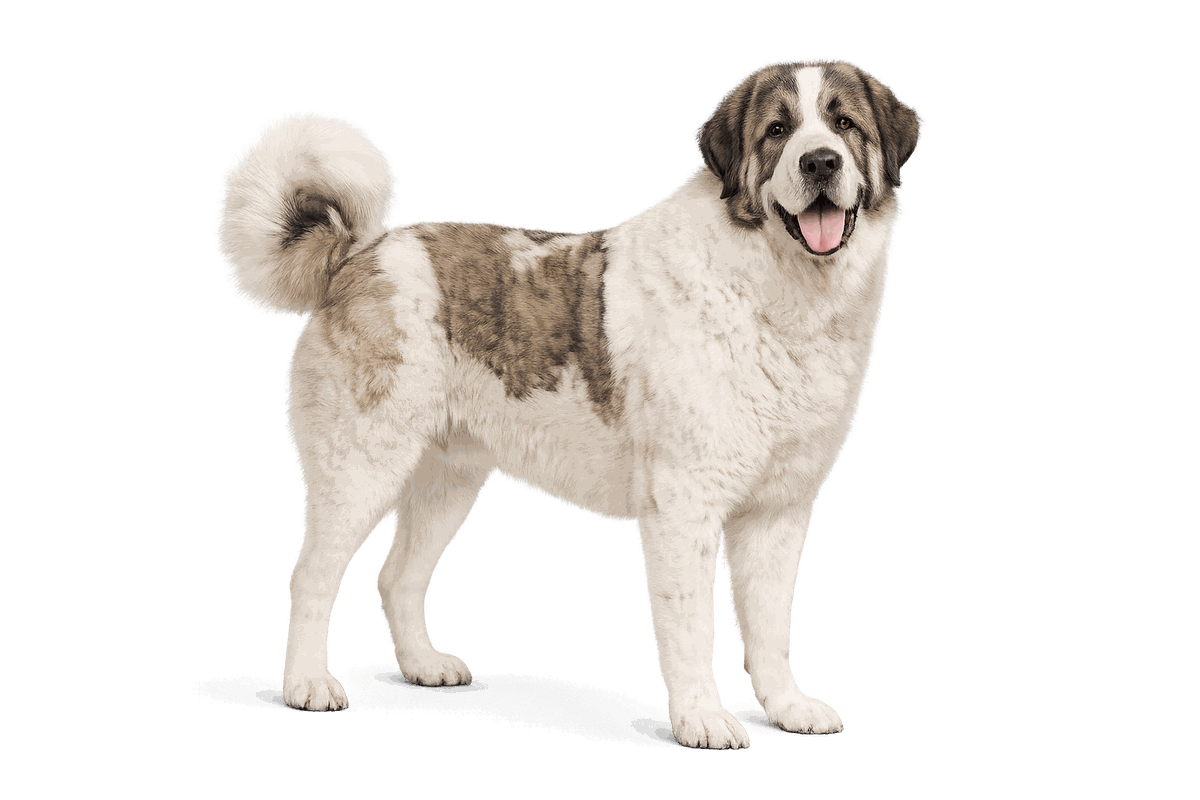
The Tibetan Mastiff, or Do-Khyi, is a guardian breed from the Himalayan region, traditionally used to watch homes, camps, monasteries, and livestock. It is independent, territorial, and often most alert at night, which makes it very different from a typical obedience-focused family dog.
This is a large, powerful dog with a heavy double coat and a mane-like ruff, especially in males. Accepted colors include black, black and tan, blue-gray, blue-gray and tan, gold, sable, and related shades depending on standard. The coat can shed dramatically during seasonal coat blow.
Tibetan Mastiffs can be loyal and calm with their own people, but they are serious guardians. They need secure fencing, early socialization, visitor routines, cool-weather planning, and owners who can manage barking and independence without force.
This breed tends to suit homes looking for a independent, protective, reserved companion, with daily rhythms shaped by moderate energy, high barking, and moderate drooling.
Coat type
Double
Coat length
Long
Shedding
Heavy
Colors
Black, Black and tan, Blue gray, Blue gray and tan, Gold, Sable
The Tibetan Mastiff is generally a poor apartment fit because of guardian barking, size, coat, and territorial behavior.
Night-watch barking is common. Management should include environment, fencing, routines, and socialization rather than punishment.
Use calm, consistent, reward-based training for handling, leash skills, visitors, and boundaries. Confrontation can worsen defensiveness.
The heavy double coat needs regular brushing and intensive work during seasonal coat blow.
Use steady daily walks and secure yard time rather than forced running. Growing dogs need joint-safe exercise and controlled weight.
Brush regularly and very thoroughly during seasonal coat blow. Check for mats behind ears, around the ruff, tail, and friction areas.
Focus on early socialization, cooperative care, leash control, visitor routines, and boundaries. The breed is independent and should be trained calmly without confrontation.
Feed measured large-breed meals and keep the dog lean. Discuss growth rate, joint health, bloat risk, and weight management with a veterinarian.
Energy level
Moderate
Barking level
High
Drooling level
Moderate
Watchdog ability
5/5
Guard dog ability
5/5
Climate tolerance
Common concerns to discuss with your vet and breeder.
This profile was researched from established breed and canine-care references. Breed tendencies describe typical patterns, not a guarantee for every individual dog.
Reviewed by the Dogs Index Editorial Team. For health or behavior concerns, consult a veterinarian or appropriately qualified professional.
Our Shop
Browse practical products for feeding, grooming, cleanup, enrichment, and smoother daily routines.