Apartment fit
Apartment life is not realistic for most Yuzhnorusskaya Ovcharkas because of size, coat, barking, and guardian behavior.
Weight
80-110 lb
Height
24-27 in
Lifespan
10-12 yrs
Coat
Double Long
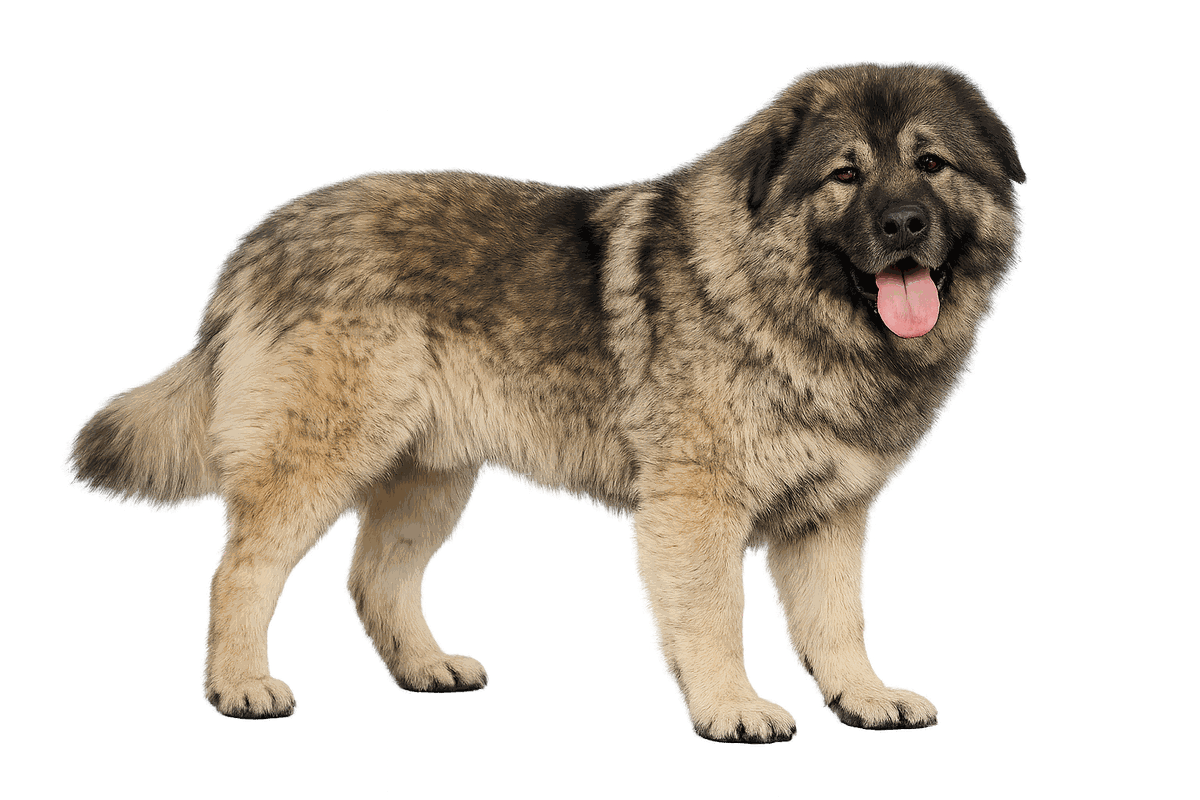
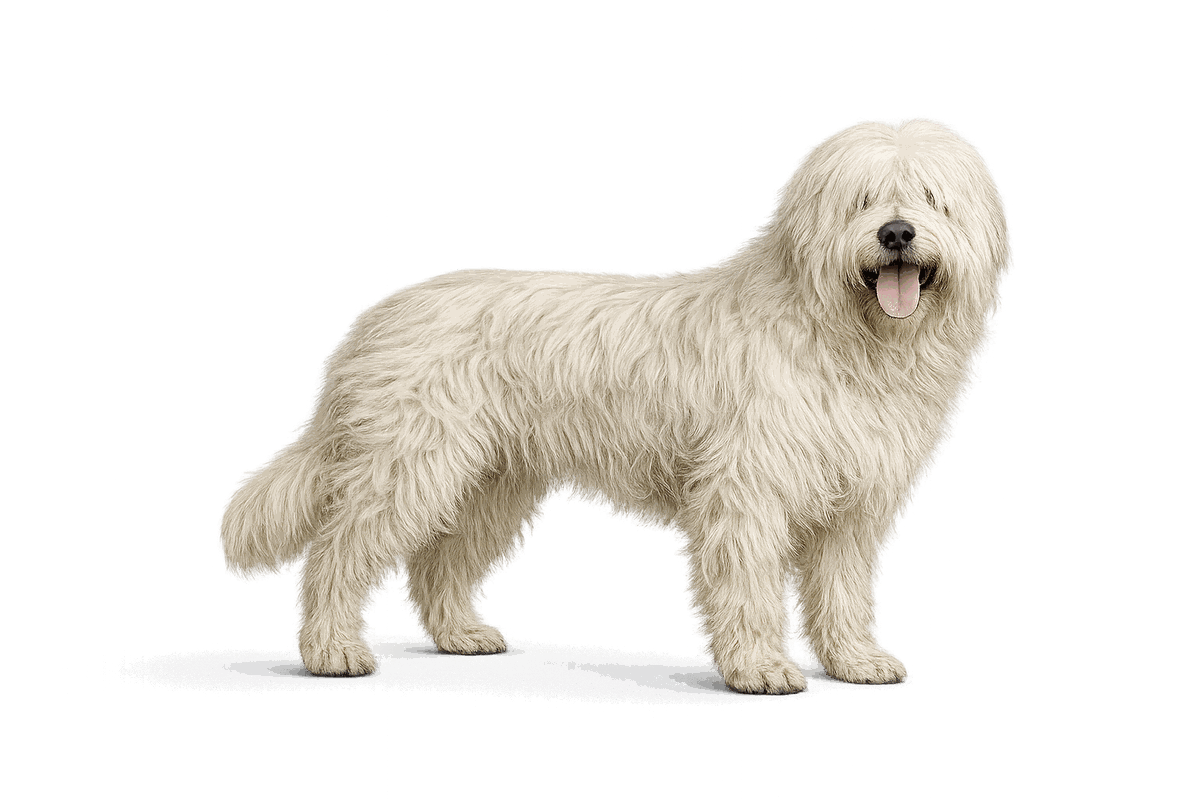
The Yuzhnorusskaya Ovcharka is a large South Russian livestock guardian with a long coarse coat, strong defensive instincts, and a temperament for experienced working-dog owners.
Official, native, and commonly used variants
Weight
80-110 lb
Height
24-27 in
Lifespan
10-12 yrs
Coat
Double Long
At A Glance
A quick read on energy, upkeep, and what day-to-day life with this breed usually feels like.
Energy
Moderate
Barking
High
Drooling
Moderate
Shedding
High
Grooming
4/5
First-time owner
No
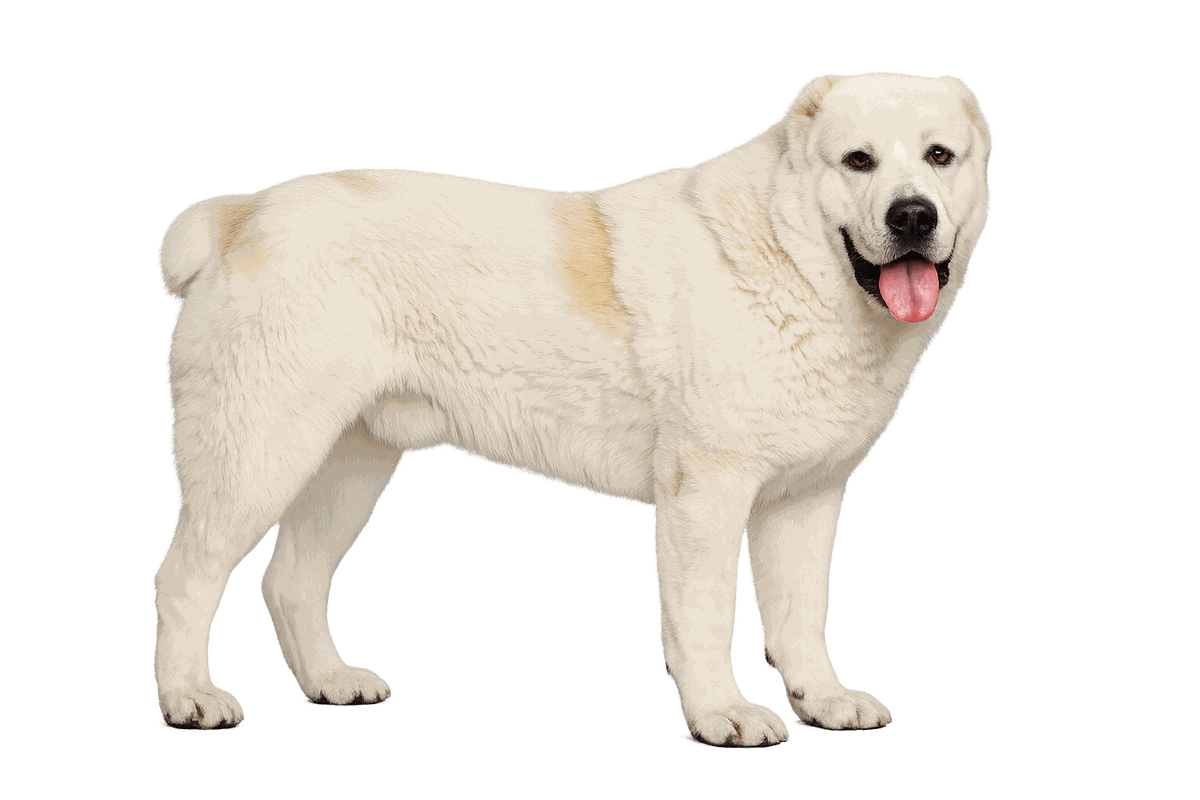
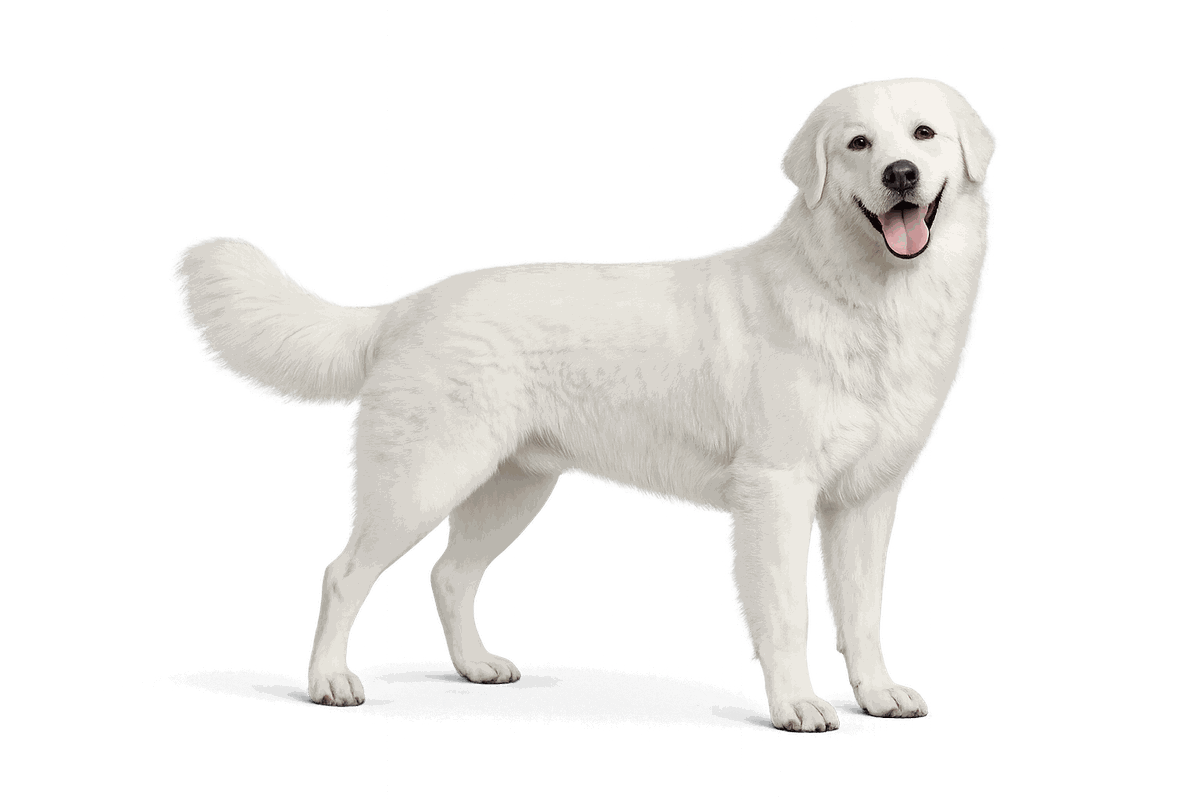
The Yuzhnorusskaya Ovcharka, also known as the South Russian Shepherd Dog or South Russian Ovcharka, is a large guardian breed from the southern regions of the former Russian Empire. FCI recognizes it as a sheepdog, but its practical role is closer to guarding flocks and property than to close, obedience-style herding.
This breed is powerful, independent, and naturally suspicious of threats. The long, dense, usually white or pale coat protects the dog outdoors, while the temperament requires careful ownership: early socialization, secure containment, calm handling, and respect for strong guardian behavior. It should not be treated as a fluffy companion breed.
The Yuzhnorusskaya Ovcharka is best for experienced owners with space, livestock-guardian knowledge, and the ability to manage visitors, boundaries, grooming, and legal responsibility. It is a poor fit for apartments, casual first-time owners, or homes wanting a highly social dog with strangers.
This breed tends to suit homes looking for a independent, protective, watchful companion, with daily rhythms shaped by moderate energy, high barking, and moderate drooling.
Coat type
Double
Coat length
Long
Shedding
High
Colors
White, Ivory, Gray, Fawn, White with gray markings
Apartment life is not realistic for most Yuzhnorusskaya Ovcharkas because of size, coat, barking, and guardian behavior.
The breed is highly watchful and may bark or confront perceived threats. Management should focus on prevention, boundaries, and calm control rather than forcing friendliness.
Use calm, consistent, reward-based handling with an emphasis on safety skills, cooperative care, leash control, and visitor routines.
The long double coat needs regular brushing and outdoor debris checks. Matting can become a welfare issue if grooming is neglected.
The breed needs daily movement, secure space, and purposeful work, but it is not a fetch-and-jog companion. Property patrol, controlled walks, livestock-guardian work, and calm handling routines are more appropriate than crowded dog parks.
The long dense coat needs regular brushing to prevent mats and to remove debris. Pay attention behind ears, under the legs, around the tail, and anywhere the coat rubs. Seasonal shedding can be heavy.
Training should focus on management, calm control, cooperative handling, boundaries, and early socialization. This is an independent guardian breed, so owners should not expect retriever-like obedience or easy stranger friendliness.
Feed a measured large-breed diet and keep body condition lean. Extra weight increases stress on joints and makes grooming and handling harder.
Energy level
Moderate
Barking level
High
Drooling level
Moderate
Watchdog ability
5/5
Guard dog ability
5/5
Climate tolerance
Common concerns to discuss with your vet and breeder.
This profile was researched from established breed and canine-care references. Breed tendencies describe typical patterns, not a guarantee for every individual dog.
Reviewed by the Dogs Index Editorial Team. For health or behavior concerns, consult a veterinarian or appropriately qualified professional.
Our Shop
Browse practical products for feeding, grooming, cleanup, enrichment, and smoother daily routines.