Apartment fit
Whippets are often good apartment dogs because they are calm and quiet indoors after exercise. The key requirement is access to safe outdoor movement, not a large house.
Weight
25-40 lb
Height
18-22 in
Lifespan
12-15 yrs
Coat
Smooth Short
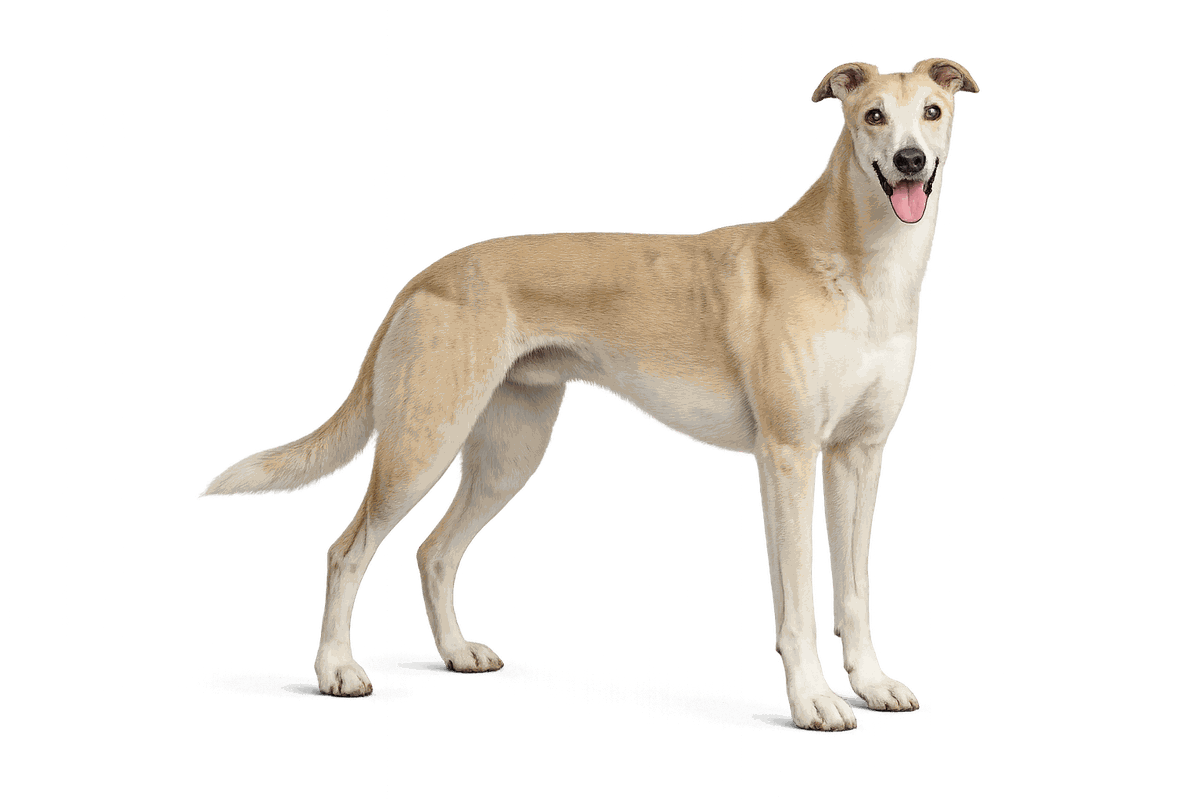
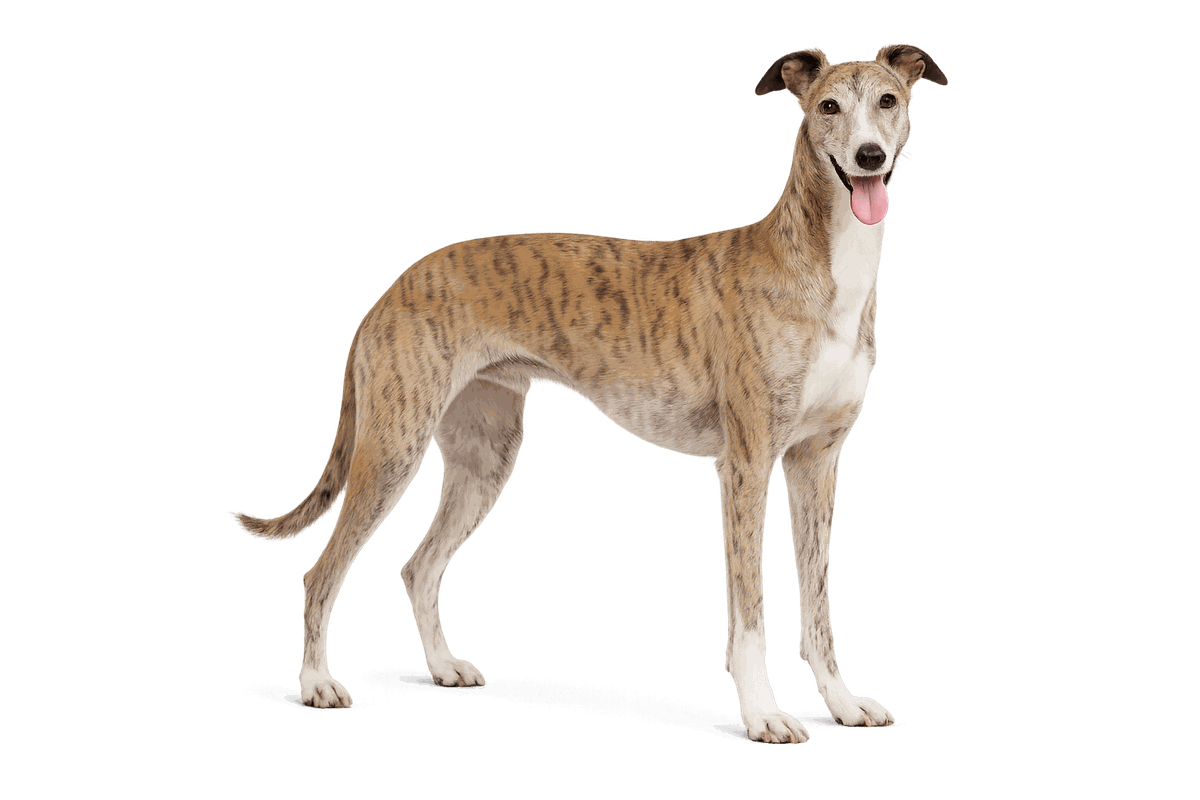
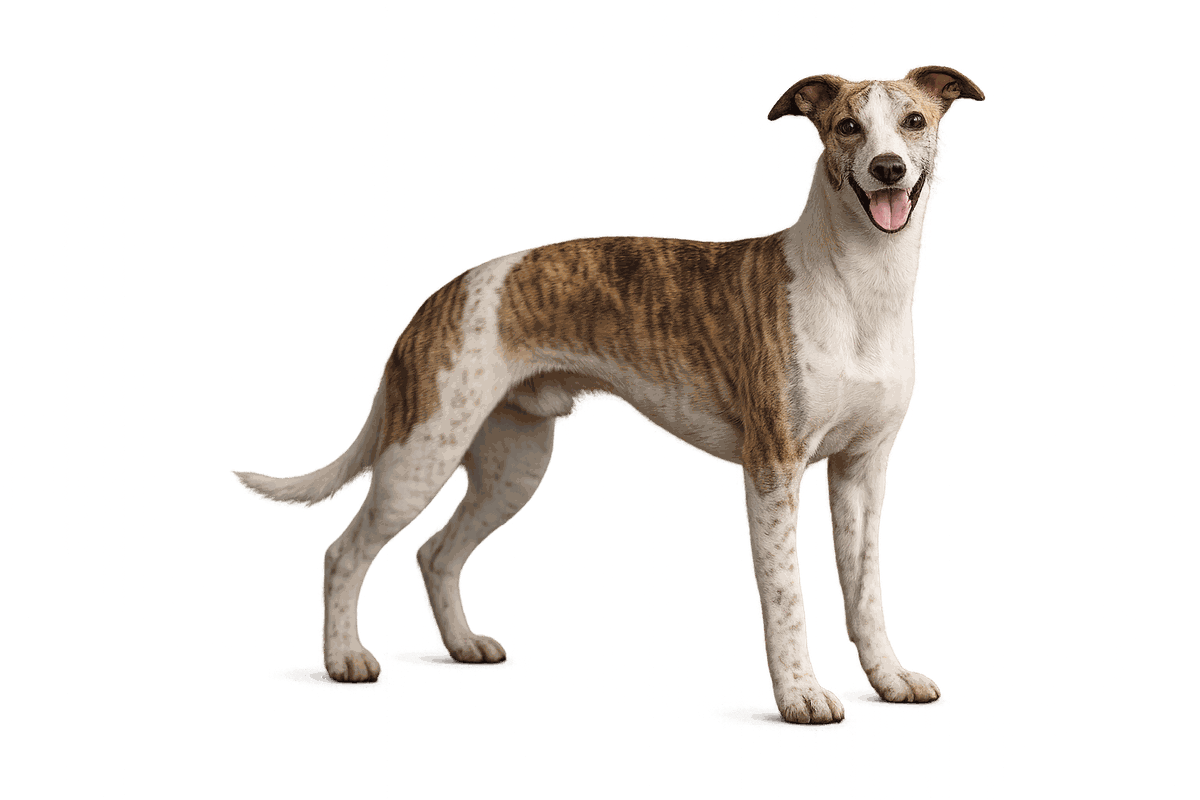
The Whippet is a medium British sighthound: gentle and quiet indoors, explosive in short sprints, sensitive in training, and strongly driven to chase moving animals.
Official, native, and commonly used variants
No widely used alternate names are recorded for this breed.
Weight
25-40 lb
Height
18-22 in
Lifespan
12-15 yrs
Coat
Smooth Short
At A Glance
A quick read on energy, upkeep, and what day-to-day life with this breed usually feels like.
Energy
Moderate
Barking
Low
Drooling
Low
Shedding
Low
Grooming
1/5
First-time owner
Yes
The Whippet was developed in Britain as a smaller sighthound built for speed, racing, and coursing. It is often described as a smaller relative of the Greyhound, with a deep chest, narrow waist, fine skin, and smooth coat designed for fast bursts rather than all-day heavy work.
At home, many Whippets are calm, affectionate, and surprisingly quiet when their exercise needs are met. Outdoors, the same dog can change instantly when it sees a squirrel, rabbit, or fast-moving object. Secure exercise areas matter because recall can fail when chase drive takes over.
The breed suits owners who want a gentle, athletic companion and can provide safe sprinting opportunities, soft handling, and protection from cold weather. Whippets are usually easier to groom than many breeds, but their thin skin, low body fat, and sensitivity make careful handling and sensible management important.
This breed tends to suit homes looking for a gentle, affectionate, quiet companion, with daily rhythms shaped by moderate energy, low barking, and low drooling.
Coat type
Smooth
Coat length
Short
Shedding
Low
Colors
Black, Blue, Brindle, Fawn, Red, White, All colors and markings
Whippets are often good apartment dogs because they are calm and quiet indoors after exercise. The key requirement is access to safe outdoor movement, not a large house.
The breed is usually quieter than many dogs, but it may bark from excitement, frustration, or alerting. Most behavior issues come from insufficient exercise, boredom, or unmanaged chase drive.
Keep training gentle, short, and rewarding. Practice recall and leash skills carefully, but manage off-leash freedom with fencing because training cannot erase sighthound chase instinct.
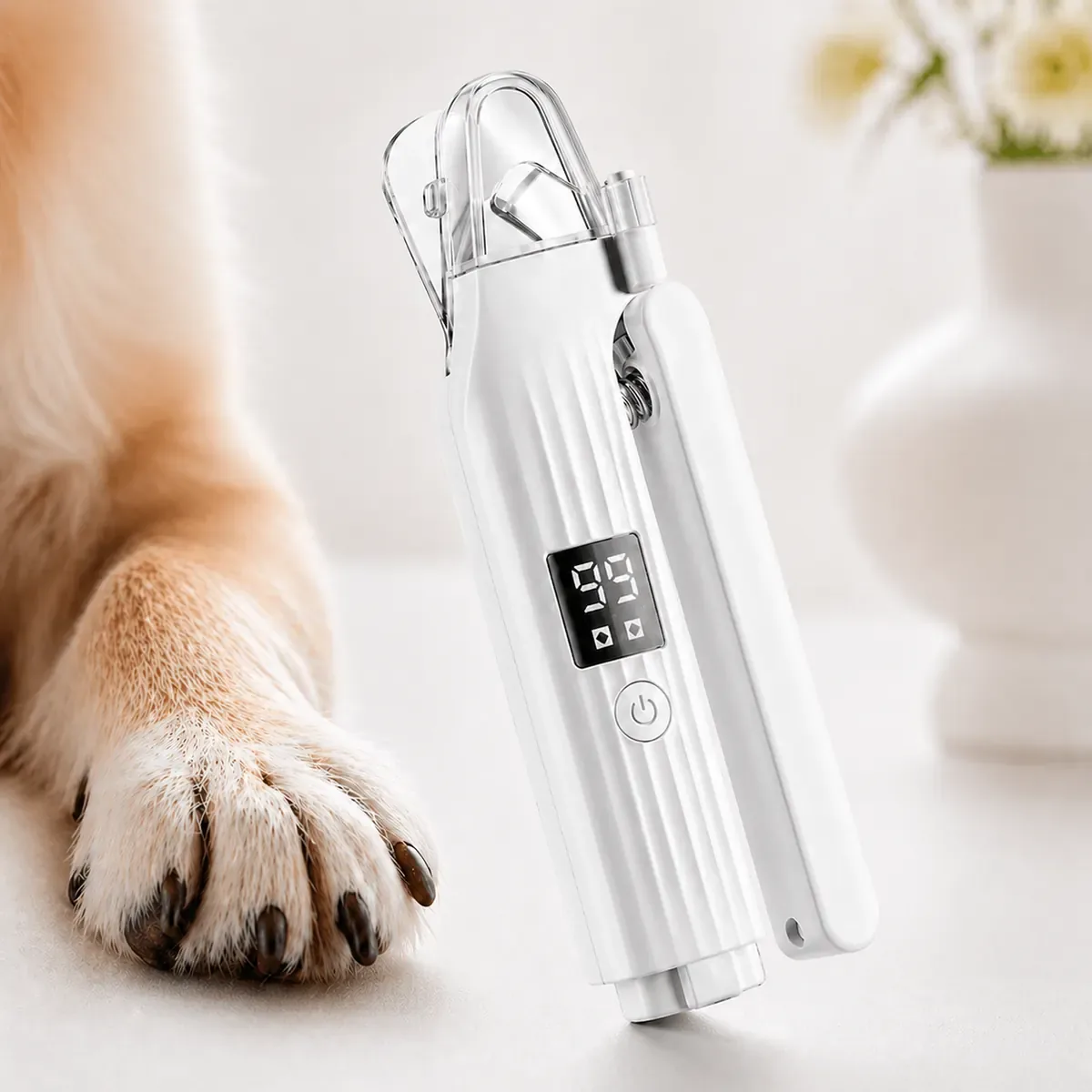
Grooming is simple: occasional brushing, nail trimming, dental care, and skin checks. In cold weather, many Whippets need a well-fitting coat.
Whippets need daily walks plus chances to run safely in a fenced area. They are sprinters rather than endurance workers, so short fast bursts, lure games, recall practice in secure spaces, and relaxed rest time usually fit better than constant high-impact exercise.
The short smooth coat is easy to maintain with occasional brushing or wiping. Check nails, teeth, ears, and skin regularly because Whippets can pick up cuts or scrapes more easily than heavier-coated breeds.
Use gentle reward-based training and avoid harsh corrections. Whippets are sensitive and may shut down under pressure, but they respond well to food, play, routine, and patient practice in low-distraction settings before moving outdoors.
Feed a measured diet that keeps the dog lean without hiding healthy muscle tone. Because Whippets are naturally slim, owners should learn normal sighthound body shape instead of overfeeding to make the dog look like a heavier breed.
Energy level
Moderate
Barking level
Low
Drooling level
Low
Watchdog ability
2/5
Guard dog ability
1/5
Climate tolerance
Common concerns to discuss with your vet and breeder.
This profile was researched from established breed and canine-care references. Breed tendencies describe typical patterns, not a guarantee for every individual dog.
Reviewed by the Dogs Index Editorial Team. For health or behavior concerns, consult a veterinarian or appropriately qualified professional.
Our Shop
Browse practical products for feeding, grooming, cleanup, enrichment, and smoother daily routines.