Apartment fit
Apennine Hound is usually difficult in an apartment unless the owner is very committed to daily exercise, scent outlets, and barking management. Its size is moderate, but its hound instincts need more than short neighborhood walks.
 Italy
Italy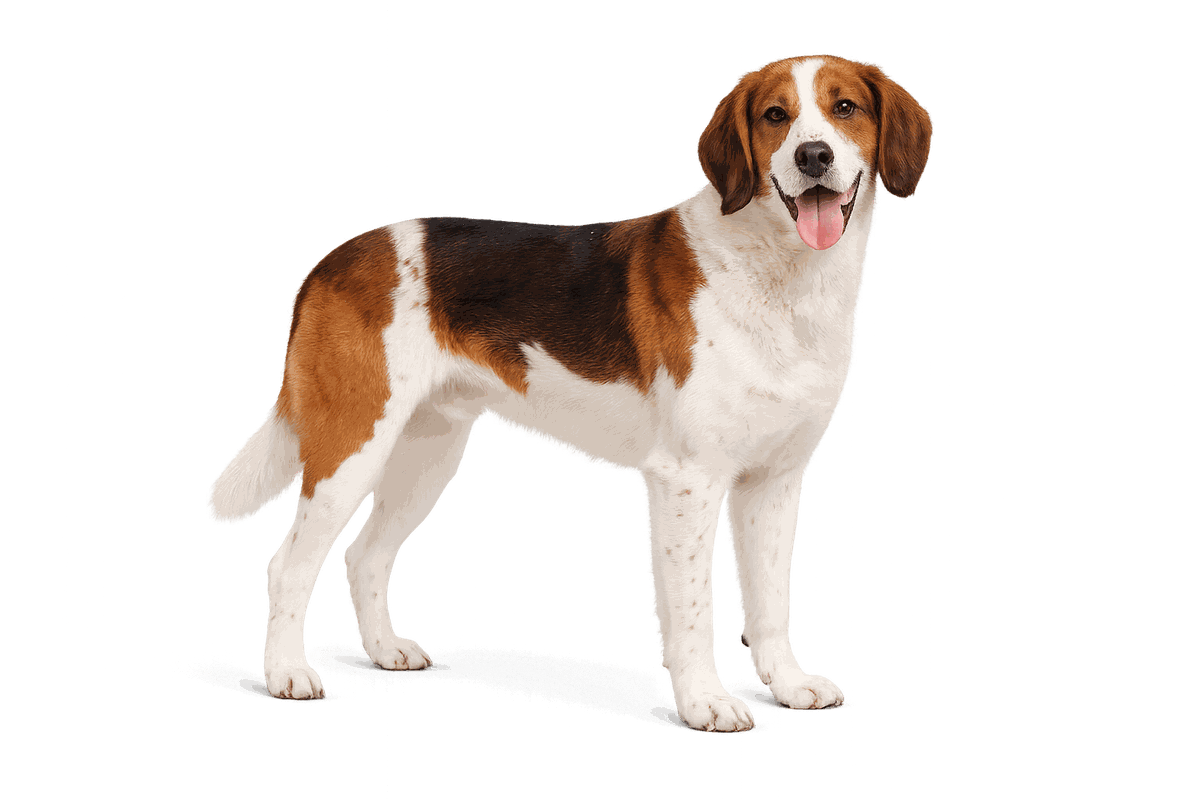
Weight
22-40 lb
Height
16.5-19.7 in
Lifespan
11-14 yrs
Coat
Short or Rough Short to Medium
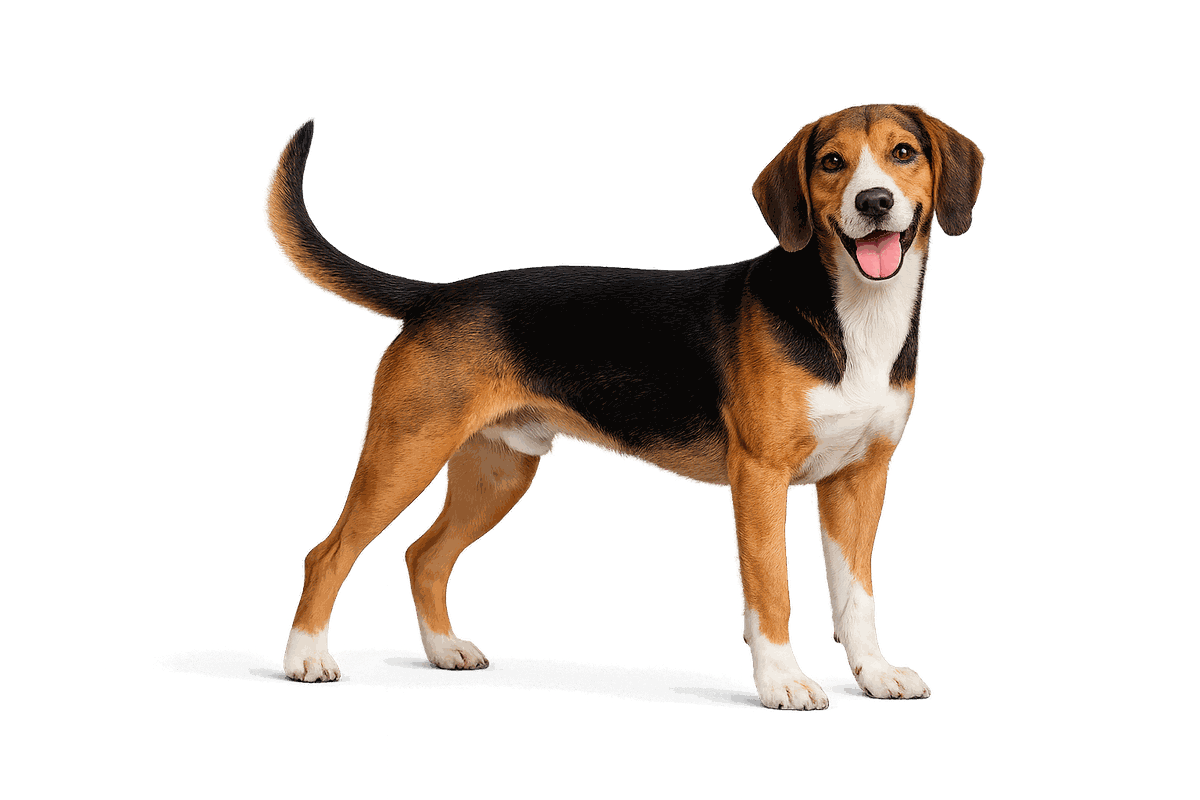
The Apennine Hound, or Segugio dell'Appennino, is a medium Italian scent hound developed for hare hunting in Apennine mountain country.
Official, native, and commonly used variants
Weight
22-40 lb
Height
16.5-19.7 in
Lifespan
11-14 yrs
Coat
Short or Rough Short to Medium
At A Glance
A quick read on energy, upkeep, and what day-to-day life with this breed usually feels like.
Energy
Moderate
Barking
Moderate
Drooling
Moderate
Shedding
Moderate
Grooming
2/5
First-time owner
No
The Apennine Hound is a recently provisionally recognized FCI scent hound from Italy. Its Italian name, Segugio dell'Appennino, points to the Apennine terrain where the breed was used as a specialized hare-hunting dog rather than a generic companion hound.
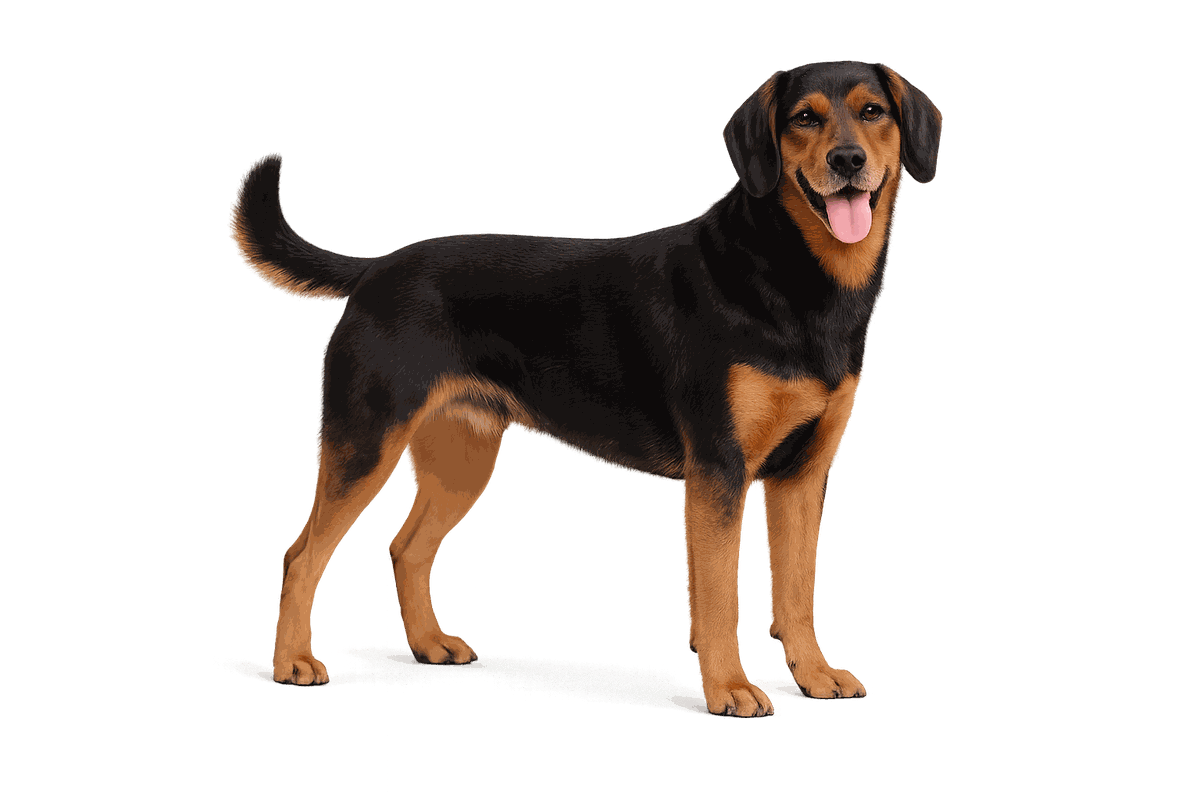
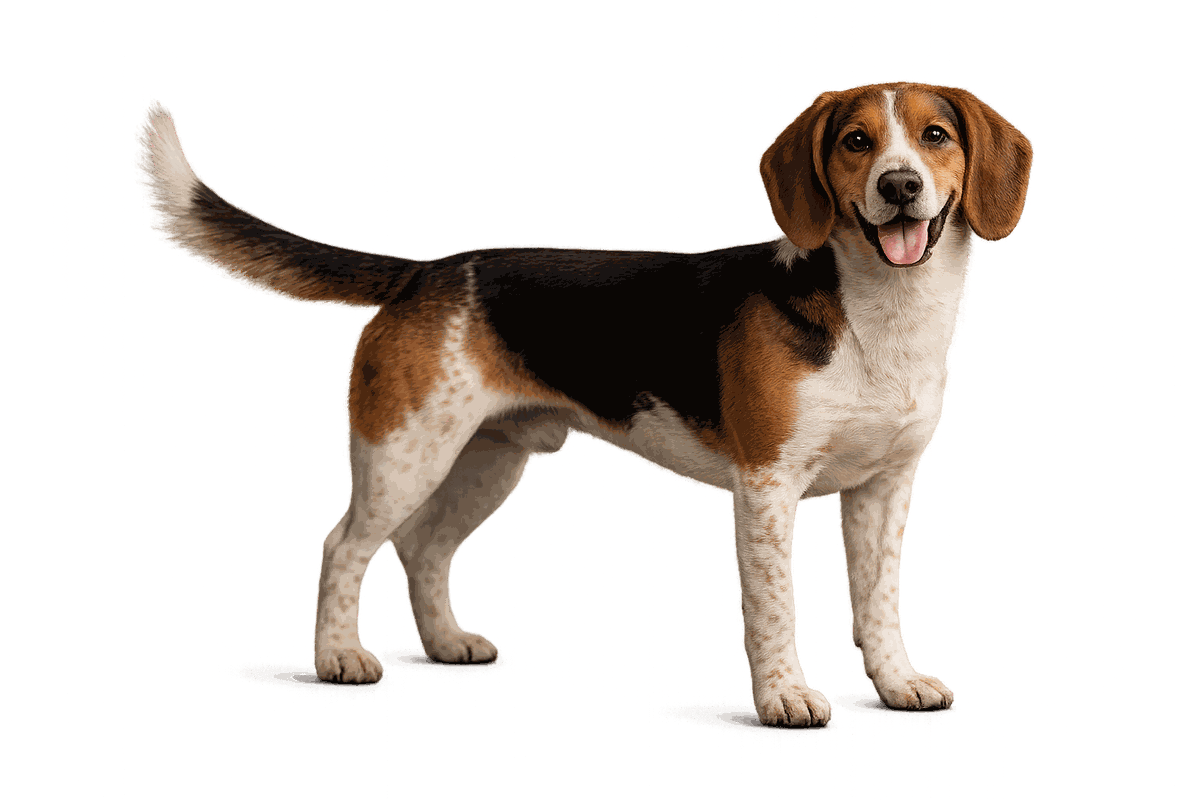
The standard places it among medium-sized scent hounds and recognizes both short-haired and rough-haired varieties. Accepted colors include shades of fawn, black and tan, hare grey, and fawn with black overlay, with limited white markings allowed on areas such as feet, chest, neck, muzzle, forehead, or tail tip. In work and in the home, expect a passionate, persistent, sociable hound with strong scent interest.
This breed needs owners who can manage nose-led behavior. Leash work, fenced exercise, recall practice, and scent outlets are more important than cosmetic grooming. It may be affectionate and cooperative, but an unsecured Apennine Hound following a trail can quickly become unavailable to ordinary calling.
This breed tends to suit homes looking for a passionate, persistent, obedient companion, with daily rhythms shaped by moderate energy, moderate barking, and moderate drooling.
Coat type
Short or Rough
Coat length
Short to Medium
Shedding
Moderate
Colors
Fawn, Black and Tan, Hare Grey, Fawn with Black Overlay, Limited White Markings
Apennine Hound is usually difficult in an apartment unless the owner is very committed to daily exercise, scent outlets, and barking management. Its size is moderate, but its hound instincts need more than short neighborhood walks.
Apennine Hound has a moderate barking profile, so owners should expect some alerting and excitement barking. Teaching the Apennine Hound a calm response to door sounds, passing dogs, and visitors is easier than trying to stop barking after it becomes a habit.
Apennine Hound training should build recall, leash manners, and handler check-ins around scent distractions. Reward-based practice is useful, but owners should not rely on trust alone in open country because this breed was selected to follow hare scent with determination.
The Apennine Hound may be short-haired or rough-haired. Both varieties need routine brushing, nail care, ear checks, and skin checks after hunting, hiking, or work in rough cover.
Apennine Hound needs about 60 to 90 minutes a day for many healthy adults, with secure off-leash time only in fenced areas. Scent games, tracking-style walks, and controlled country exercise fit the breed better than short pavement loops.
The Apennine Hound may be short-haired or rough-haired. Both varieties need routine brushing, nail care, ear checks, and skin checks after hunting, hiking, or work in rough cover.
Apennine Hound training should build recall, leash manners, and handler check-ins around scent distractions. Reward-based practice is useful, but owners should not rely on trust alone in open country because this breed was selected to follow hare scent with determination.
Feed Apennine Hound a measured diet appropriate for a medium dog, its age, and its activity level. For the Apennine Hound, keep body condition lean, adjust portions when exercise changes, and ask your veterinarian about diet details if weight, digestion, allergies, or joint stress are concerns.
Energy level
Moderate
Barking level
Moderate
Drooling level
Moderate
Watchdog ability
3/5
Guard dog ability
1/5
Climate tolerance
Common concerns to discuss with your vet and breeder.
This profile was researched from established breed and canine-care references. Breed tendencies describe typical patterns, not a guarantee for every individual dog.
Reviewed by the Dogs Index Editorial Team. For health or behavior concerns, consult a veterinarian or appropriately qualified professional.
Our Shop
Browse practical products for feeding, grooming, cleanup, enrichment, and smoother daily routines.