Apartment fit
Apartment life is usually unsuitable. This breed needs space, secure containment, heavy exercise, and climate-aware care.
 Canada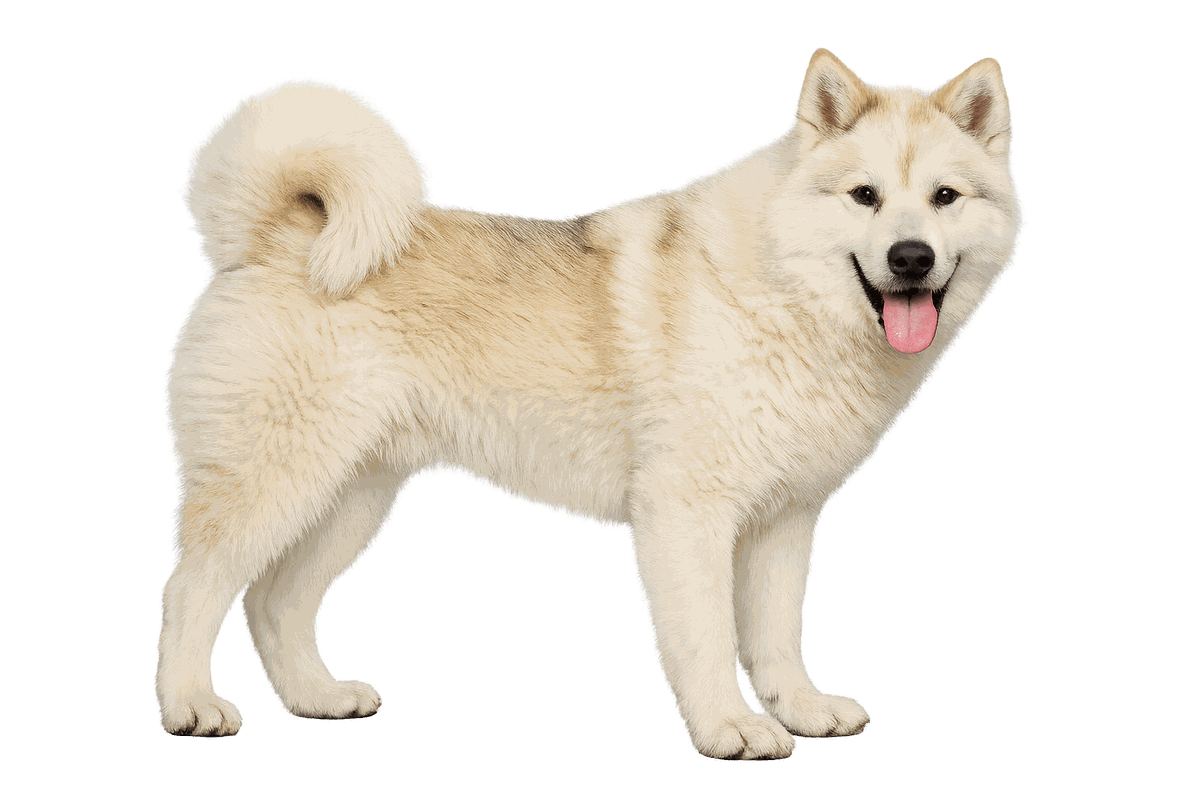
Weight
66-88 lb
Height
23.6-27.6 in
Lifespan
11-14 yrs
Coat
Double Medium
The Canadian Eskimo Dog is a powerful Arctic sled dog with a dense double coat, hard-working temperament, and very high exercise needs.
Official, native, and commonly used variants
No widely used alternate names are recorded for this breed.
Weight
66-88 lb
Height
23.6-27.6 in
Lifespan
11-14 yrs
Coat
Double Medium
At A Glance
A quick read on energy, upkeep, and what day-to-day life with this breed usually feels like.
Energy
Very High
Barking
Moderate
Drooling
Moderate
Shedding
Moderate
Grooming
2/5
First-time owner
No
The Canadian Eskimo Dog is an ancient Arctic working breed used by Inuit communities for sledding, hauling, hunting support, and survival in severe northern conditions. It is tough, powerful, and built for work rather than casual companionship.
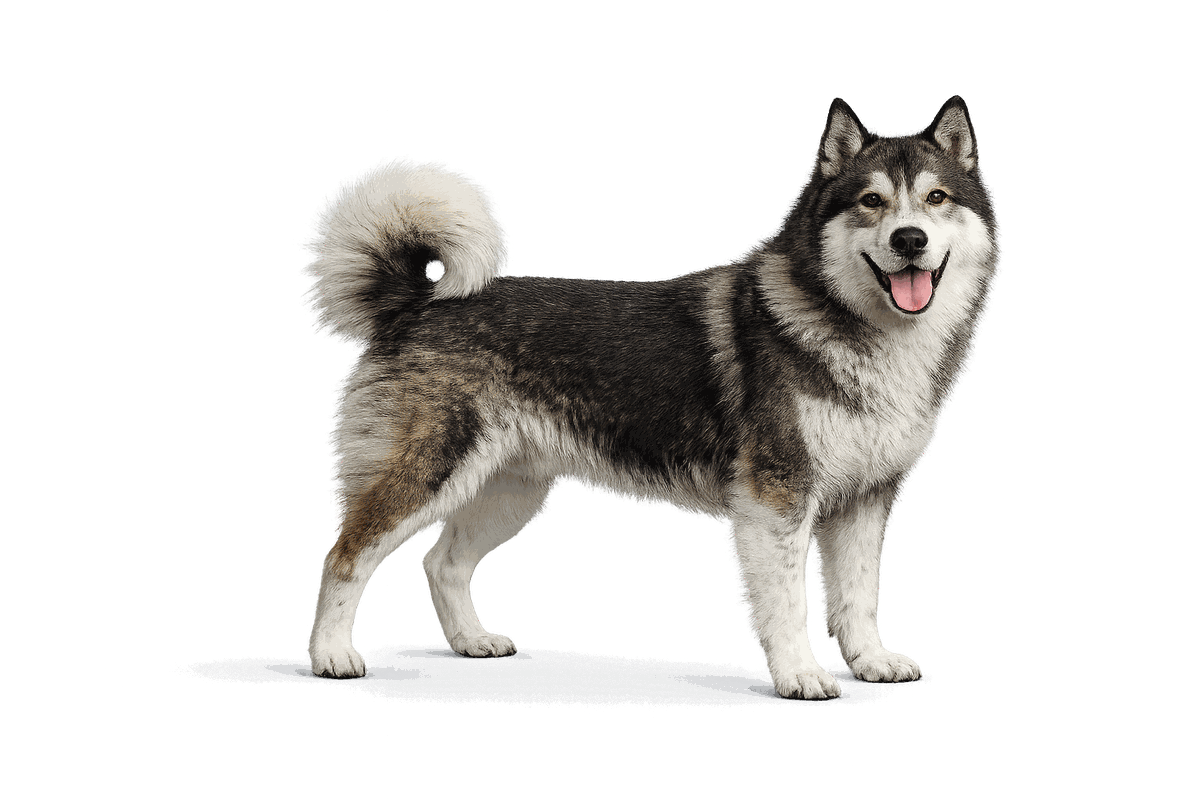
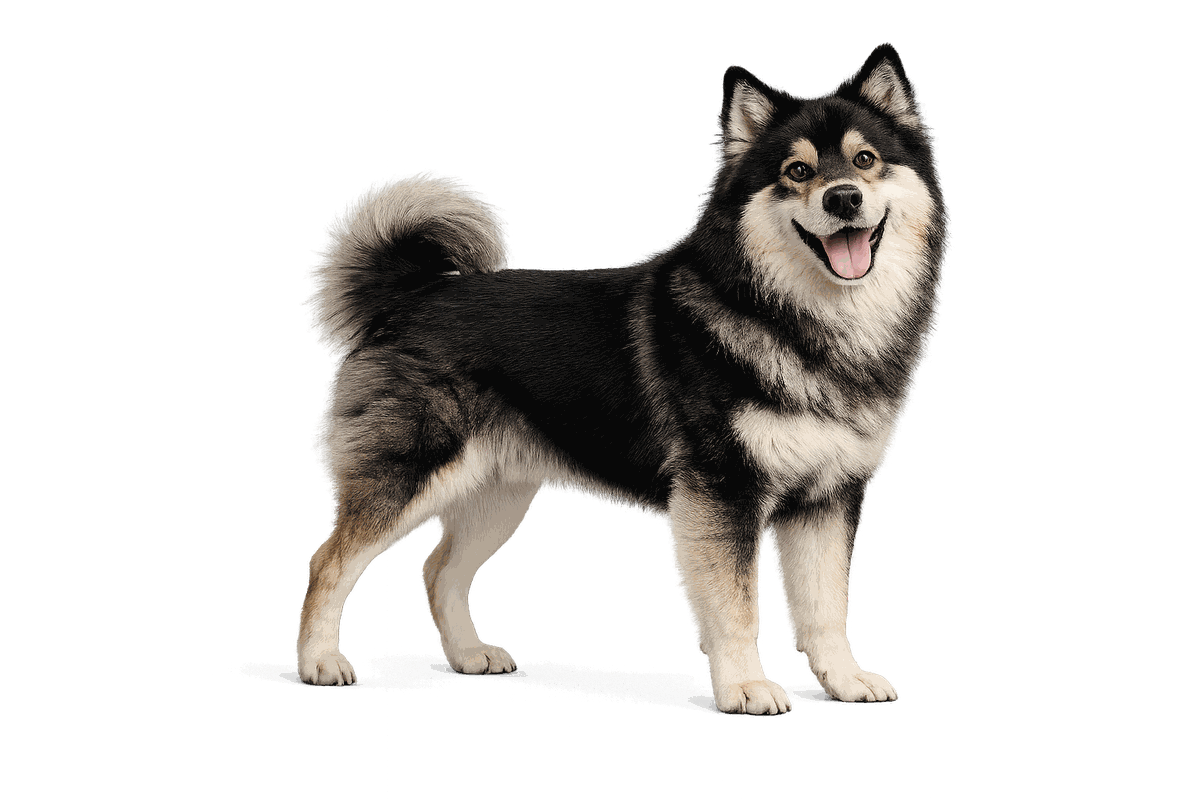
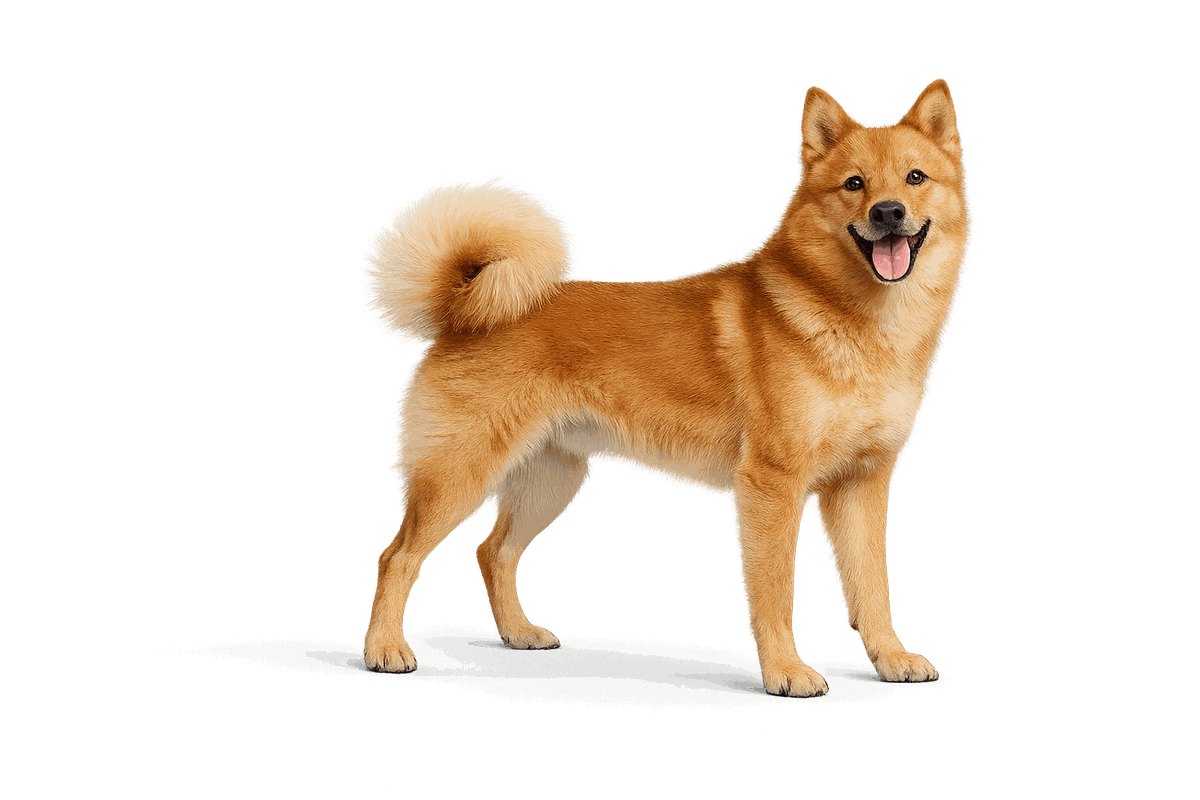
The dense double coat comes in many colors and patterns, including white, red or buff, sable, black, dark gray, and combinations with white. The coat protects against cold but sheds heavily and is not suited to hot climates.
This breed needs experienced owners, secure containment, serious exercise, and realistic expectations around prey drive, pulling, and primitive working-dog behavior. It is not a typical apartment or low-exercise dog.
This breed tends to suit homes looking for a hardworking, tough, alert companion, with daily rhythms shaped by very high energy, moderate barking, and moderate drooling.
Coat type
Double
Coat length
Medium
Shedding
Moderate
Colors
White, Red and White, Buff and White, Sable and White, Black and White, Dark Gray and White
Apartment life is usually unsuitable. This breed needs space, secure containment, heavy exercise, and climate-aware care.
Expect primitive working-dog behavior: pulling, prey drive, vocal excitement, and independence. Management is as important as training.
Use reward-based training with pulling outlets, recall management, socialization, and secure boundaries.
The dense double coat sheds heavily and needs regular brushing, especially during seasonal coat blow.
Most healthy adult Canadian Eskimo Dogs need serious daily work, often well over 90 minutes, with sledding, skijoring, hiking, pulling sports, or other structured endurance outlets.
Brush the dense double coat often and expect heavy seasonal shedding. Check feet, nails, ears, and skin after cold-weather work.
Use reward-based training with secure containment, pulling outlets, recall management, and early socialization. Independence and prey drive should be managed rather than ignored.
Feed a measured working-dog diet matched to workload, climate, and body condition. Discuss high-output nutrition with a veterinarian if the dog is doing pulling work.
Energy level
Very High
Barking level
Moderate
Drooling level
Moderate
Watchdog ability
3/5
Guard dog ability
1/5
Climate tolerance
Common concerns to discuss with your vet and breeder.
This profile was researched from established breed and canine-care references. Breed tendencies describe typical patterns, not a guarantee for every individual dog.
Reviewed by the Dogs Index Editorial Team. For health or behavior concerns, consult a veterinarian or appropriately qualified professional.
Our Shop
Browse practical products for feeding, grooming, cleanup, enrichment, and smoother daily routines.