Apartment fit
Chinooks are not impossible in apartments, but the home must support daily outdoor exercise, quiet recovery time, and good leash manners. A house with easy outdoor access is usually simpler.
 United States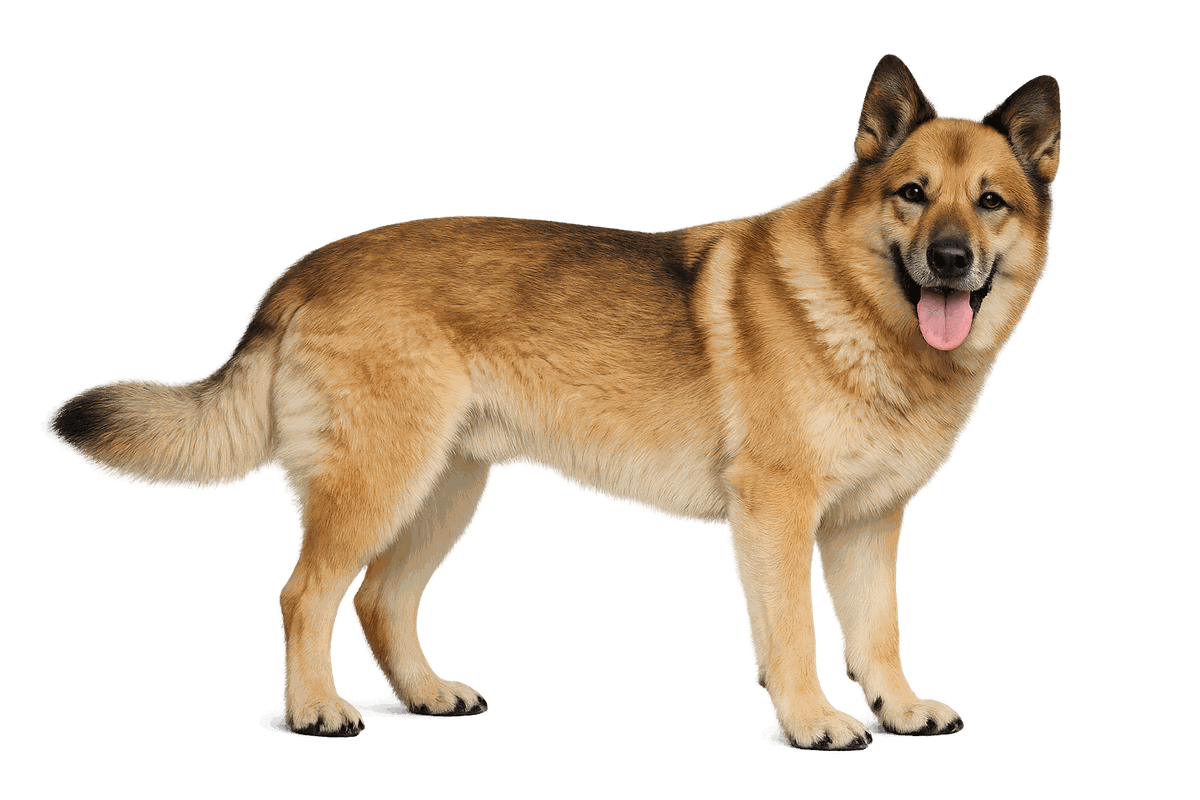
Weight
50-90 lb
Height
22-26 in
Lifespan
12-15 yrs
Coat
Double Medium
The Chinook is a rare American sled dog from New Hampshire, valued for tawny color, steady working ability, and an affectionate, willing temperament.
Official, native, and commonly used variants
No widely used alternate names are recorded for this breed.
Weight
50-90 lb
Height
22-26 in
Lifespan
12-15 yrs
Coat
Double Medium
At A Glance
A quick read on energy, upkeep, and what day-to-day life with this breed usually feels like.
Energy
High
Barking
Moderate
Drooling
Low
Shedding
Moderate
Grooming
2/5
First-time owner
No
The Chinook was developed in New Hampshire as a sled and draft dog, and it still reads like a practical working companion: strong, athletic, people-oriented, and steady. Its tawny coat, ranging from pale honey to reddish gold, is one of the breed's defining features.
Unlike many guardian-type working breeds, the Chinook is usually known for being affectionate, patient, and eager to work with people. It needs real daily activity, but it should not be treated as a hard-edged protection dog. The best homes give it walks, hiking, pulling sports, scent games, training, and family time.
The breed is uncommon, so buyers should expect to speak carefully with preservation breeders about temperament, diversity, health testing, and realistic owner fit. Hip evaluations, eye checks, and discussion of seizures, allergies, and other breed health topics are important before choosing a puppy.
This breed tends to suit homes looking for a affectionate, patient, willing companion, with daily rhythms shaped by high energy, moderate barking, and low drooling.
Coat type
Double
Coat length
Medium
Shedding
Moderate
Colors
Tawny, Honey, Reddish Gold
Chinooks are not impossible in apartments, but the home must support daily outdoor exercise, quiet recovery time, and good leash manners. A house with easy outdoor access is usually simpler.
The breed is generally more family-working dog than guard dog. Expect some alerting or excitement barking, and build calm door routines before barking becomes a habit.
Use rewards, clear structure, and useful jobs. Chinooks often enjoy training when it feels purposeful, especially activities that combine movement, teamwork, and problem-solving.
Brush weekly and more often during shedding seasons. After outdoor work, check nails, pads, ears, and coat for wear, debris, or irritation.
Chinooks need daily aerobic exercise and mental work. Long walks, hiking, pulling sports, skijoring-style activities where appropriate, scent games, and reward-based training all fit the breed better than a quick yard break.
The medium double coat needs weekly brushing most of the year and more attention during seasonal shedding. Check feet, nails, ears, and coat after outdoor work, especially if the dog hikes, pulls, or runs on rough ground.
Chinooks are usually willing and people-focused, so training should be practical and reward-based. Build recall, leash skills, polite greetings, and impulse control early, then give the dog jobs that use its body and brain.
Feed a measured diet that supports a lean working-dog body. Adjust food for exercise level, weather, age, and workload, and ask a veterinarian about joint-supportive nutrition if the dog is highly active.
Energy level
High
Barking level
Moderate
Drooling level
Low
Watchdog ability
3/5
Guard dog ability
1/5
Climate tolerance
Common concerns to discuss with your vet and breeder.
This profile was researched from established breed and canine-care references. Breed tendencies describe typical patterns, not a guarantee for every individual dog.
Reviewed by the Dogs Index Editorial Team. For health or behavior concerns, consult a veterinarian or appropriately qualified professional.
Our Shop
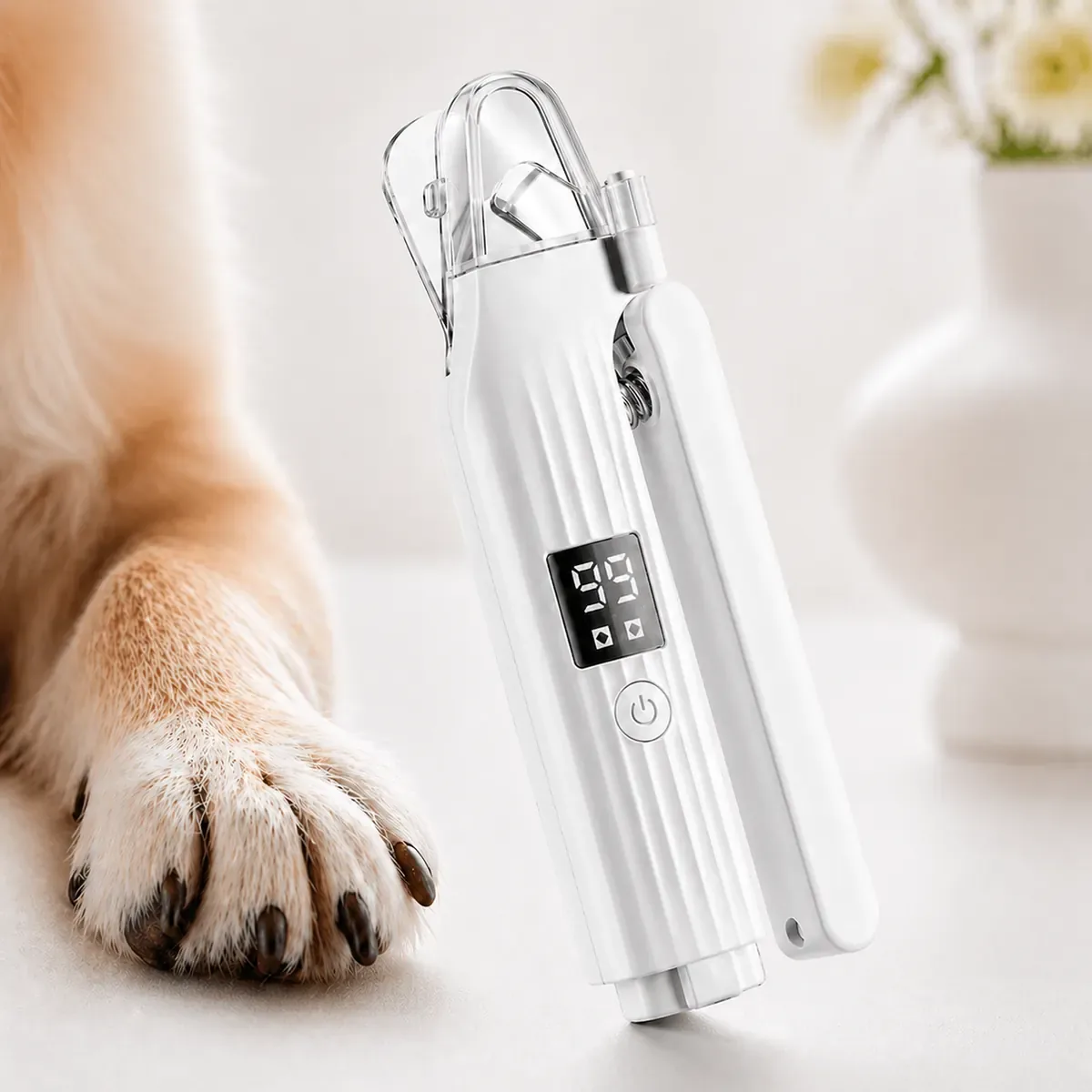
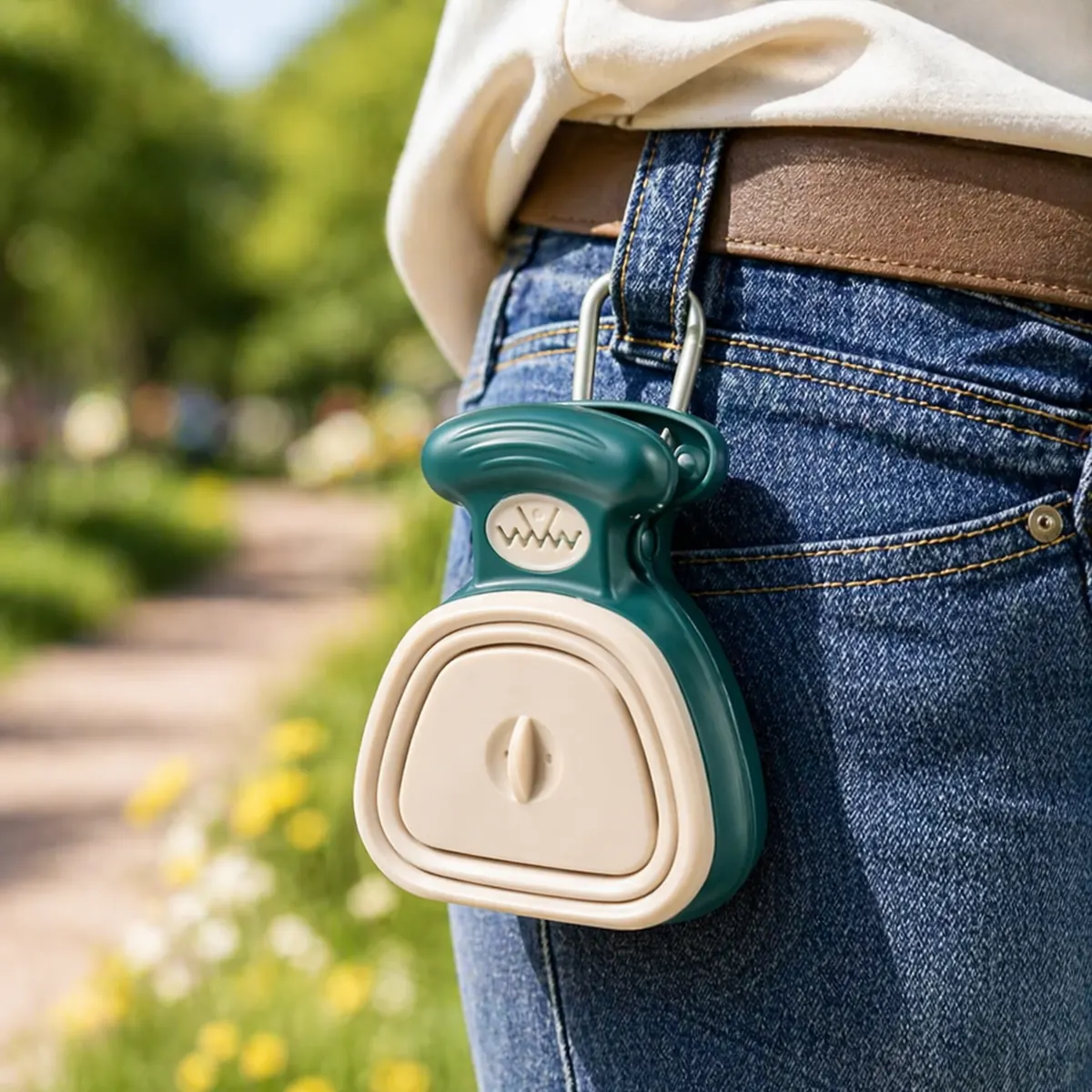
Browse practical products for feeding, grooming, cleanup, enrichment, and smoother daily routines.