Apartment fit
Apartment life is possible only with serious exercise, training, and noise management. The breed's endurance needs matter more than floor space alone.
 Croatia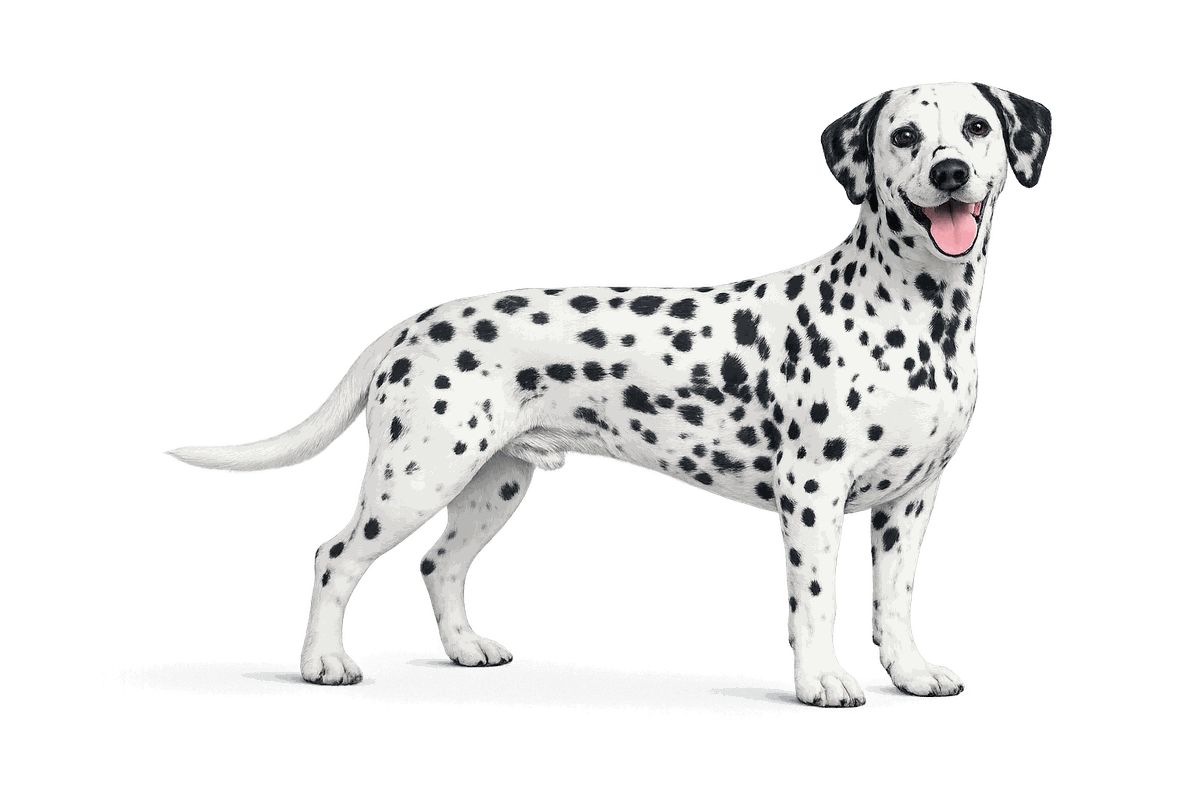
Weight
45-70 lb
Height
19-24 in
Lifespan
11-13 yrs
Coat
Smooth Short
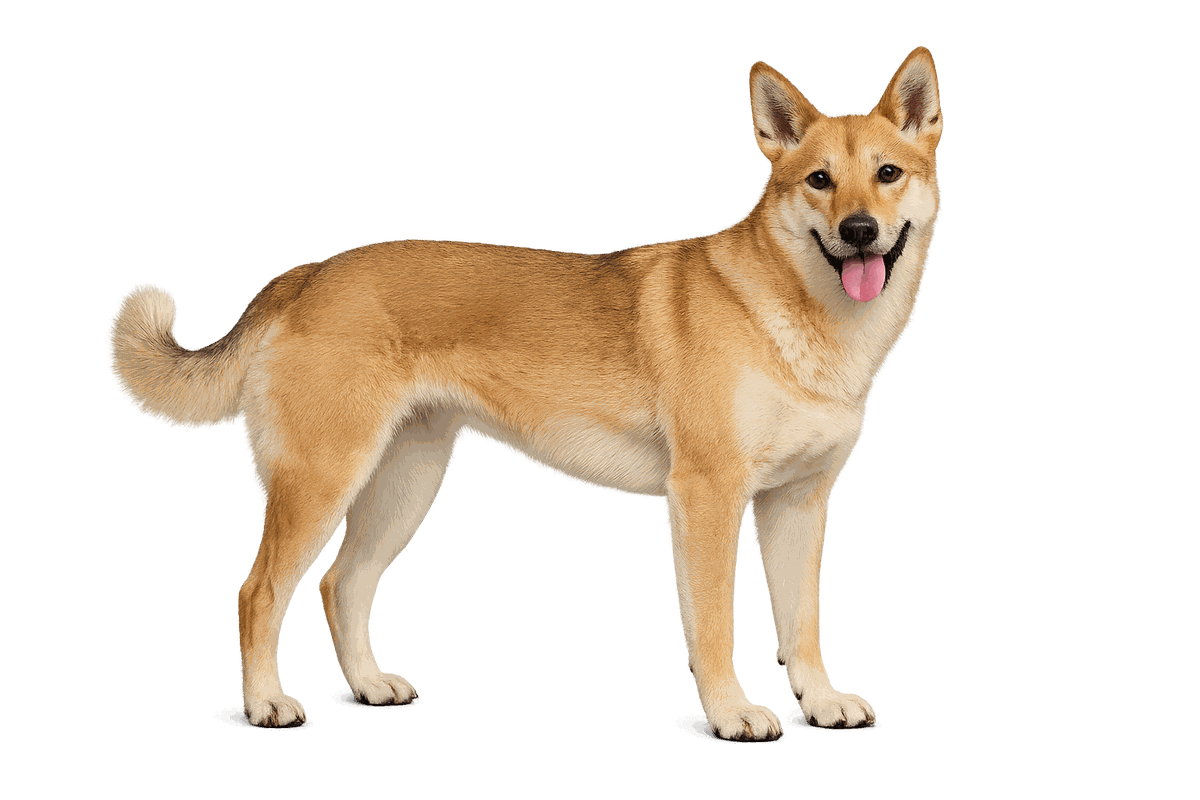
The Dalmatian is a spotted Croatian coaching dog known for endurance, black or liver spots, high activity needs, and an alert, outgoing temperament.
Official, native, and commonly used variants
Weight
45-70 lb
Height
19-24 in
Lifespan
11-13 yrs
Coat
Smooth Short
At A Glance
A quick read on energy, upkeep, and what day-to-day life with this breed usually feels like.
Energy
High
Barking
Moderate
Drooling
Low
Shedding
High
Grooming
2/5
First-time owner
No
The Dalmatian is a historic coaching dog associated with Dalmatia in Croatia and made famous for running with horses and carriages. Its body should be strong, balanced, and capable of endurance rather than heavy or sluggish.
A Dalmatian is usually outgoing, intelligent, alert, and energetic. It needs more than casual walks: running, hiking, training, scent work, and structured games help keep it settled. Without enough exercise and training, Dalmatians can become noisy, pushy, or destructive.
The coat is short, white, and distinctly spotted in black or liver. The breed has important health considerations: congenital deafness is a known issue, and Dalmatians have a unique uric acid metabolism that can increase urinary stone risk. Responsible breeders should discuss hearing tests, urinary health, hips, eyes, and temperament.
This breed tends to suit homes looking for a outgoing, alert, intelligent companion, with daily rhythms shaped by high energy, moderate barking, and low drooling.
Coat type
Smooth
Coat length
Short
Shedding
High
Colors
White with Black Spots, White with Liver Spots
Apartment life is possible only with serious exercise, training, and noise management. The breed's endurance needs matter more than floor space alone.
Dalmatians are alert and energetic. Provide exercise before expecting calm behavior and teach quiet responses to visitors and outdoor movement.
Use rewards, structure, and early impulse-control work. Dalmatians are smart and physical, so training should include manners, recall, settling, and safe outlets.
Brush often to manage short hairs that shed year-round. Maintain nails, teeth, ears, and skin checks, especially in active dogs.
Dalmatians need high daily activity: long walks, running with conditioning, hiking, training, and games. They were bred for endurance, so short potty walks are not enough for most young healthy adults.
The short coat is easy to brush but sheds heavily year-round. Use regular brushing, nail care, dental care, and ear checks, and protect skin from irritation after outdoor work.
Use reward-based training with early work on impulse control, recall, polite greetings, and settling. A bored Dalmatian often creates its own activity.
Feed measured meals and discuss urinary health with a veterinarian. Many Dalmatians benefit from attention to hydration, body condition, and diet choices because of urate stone risk.
Energy level
High
Barking level
Moderate
Drooling level
Low
Watchdog ability
4/5
Guard dog ability
2/5
Climate tolerance
Common concerns to discuss with your vet and breeder.
This profile was researched from established breed and canine-care references. Breed tendencies describe typical patterns, not a guarantee for every individual dog.
Reviewed by the Dogs Index Editorial Team. For health or behavior concerns, consult a veterinarian or appropriately qualified professional.
Our Shop
Browse practical products for feeding, grooming, cleanup, enrichment, and smoother daily routines.