Apartment fit
Apartment life is difficult unless the owner provides daily outdoor work and companionship. The breed is better suited to active homes with access to fields, trails, or training areas.
 Netherlands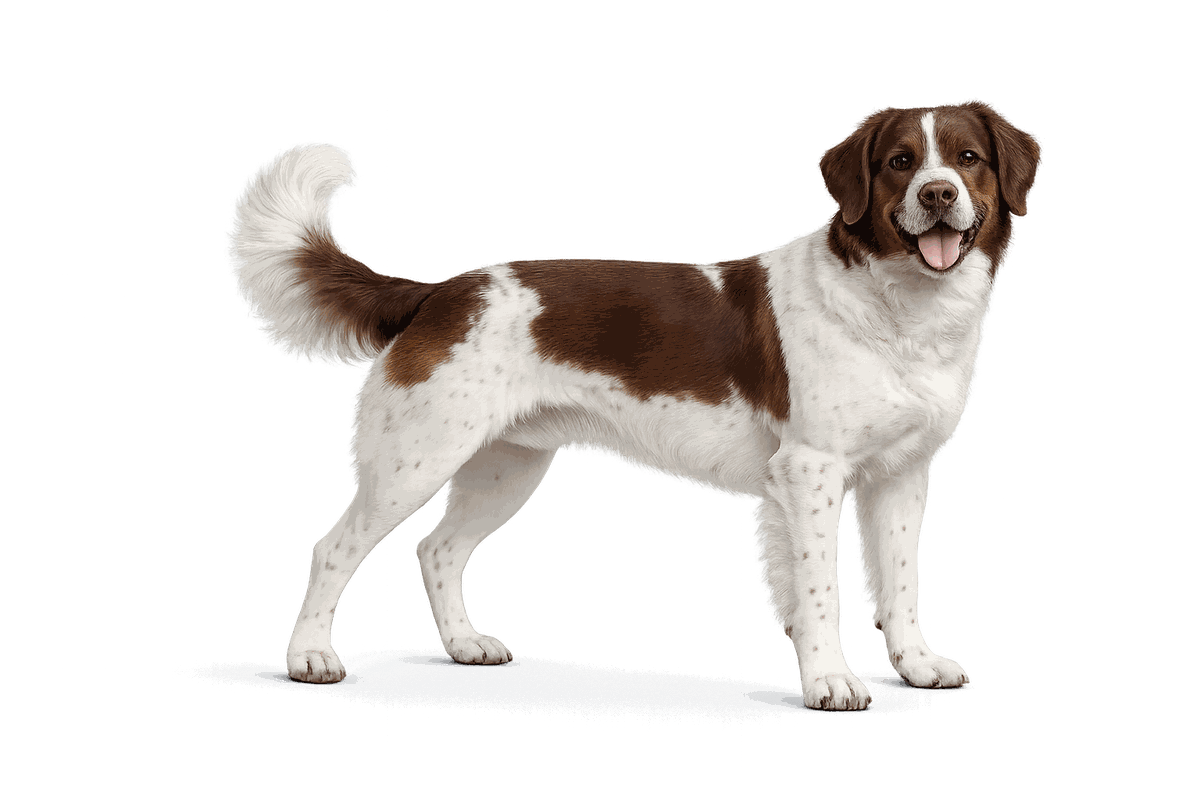
Weight
45-75 lb
Height
21.5-25 in
Lifespan
11-14 yrs
Coat
Feathered Medium
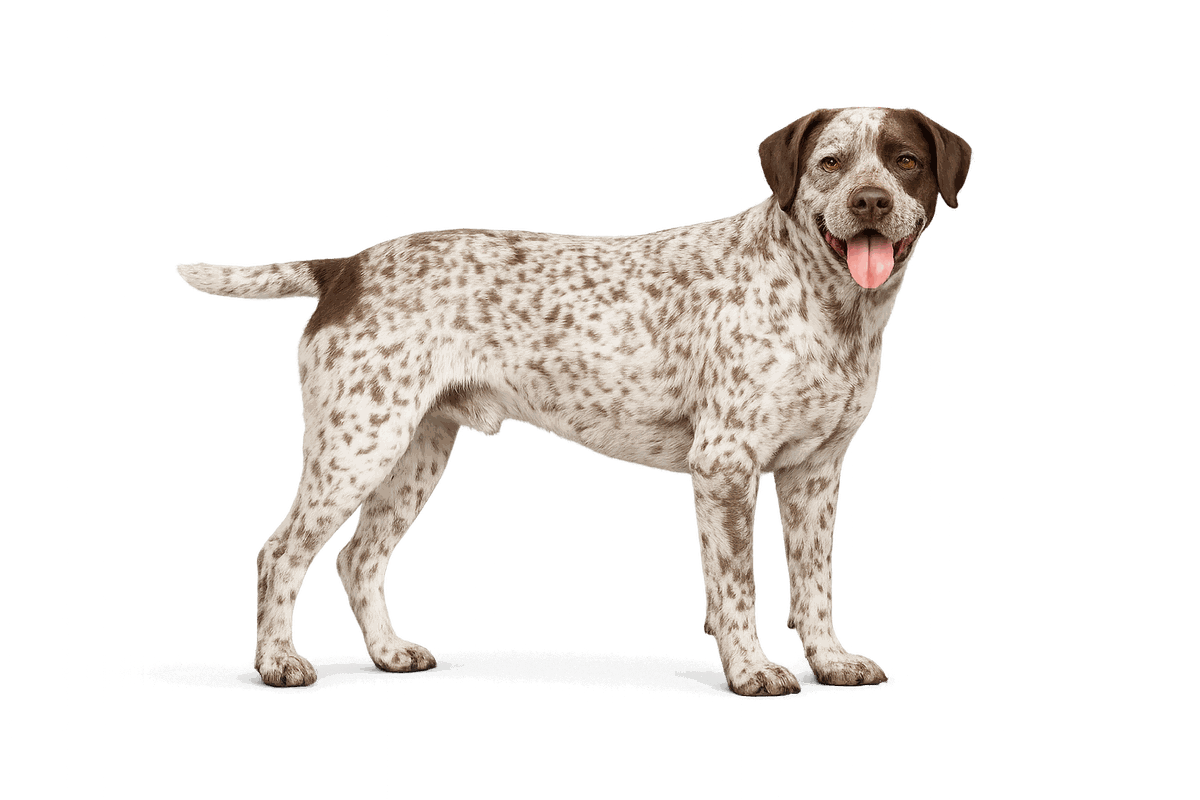
The Drentsche Patrijshond is a Dutch versatile pointing dog, known for close-working field style, white-and-brown coat, family attachment, and gentle sensitivity.
Official, native, and commonly used variants
Weight
45-75 lb
Height
21.5-25 in
Lifespan
11-14 yrs
Coat
Feathered Medium
At A Glance
A quick read on energy, upkeep, and what day-to-day life with this breed usually feels like.
Energy
High
Barking
Moderate
Drooling
Low
Shedding
Moderate
Grooming
3/5
First-time owner
No
The Drentsche Patrijshond, often called the Drent, is one of the old continental versatile pointing breeds from the Netherlands. It was developed to hunt close to the gun, point game, retrieve, and live closely with the family.
A Drent is usually loyal, gentle, eager to work, and sensitive. It is not just a field tool and not just a couch companion: the breed needs family involvement, outdoor exercise, scent work, and kind training. Harsh handling can make it worried, while under-exercise can make it restless.
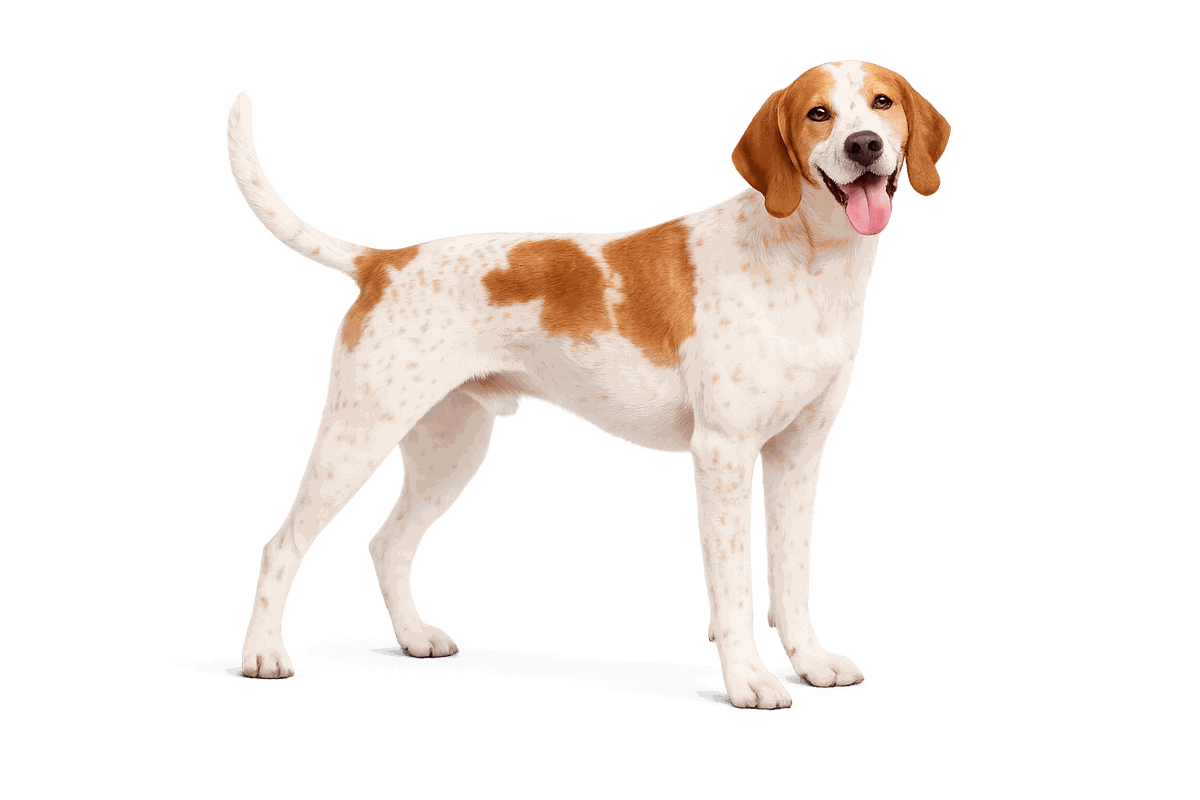
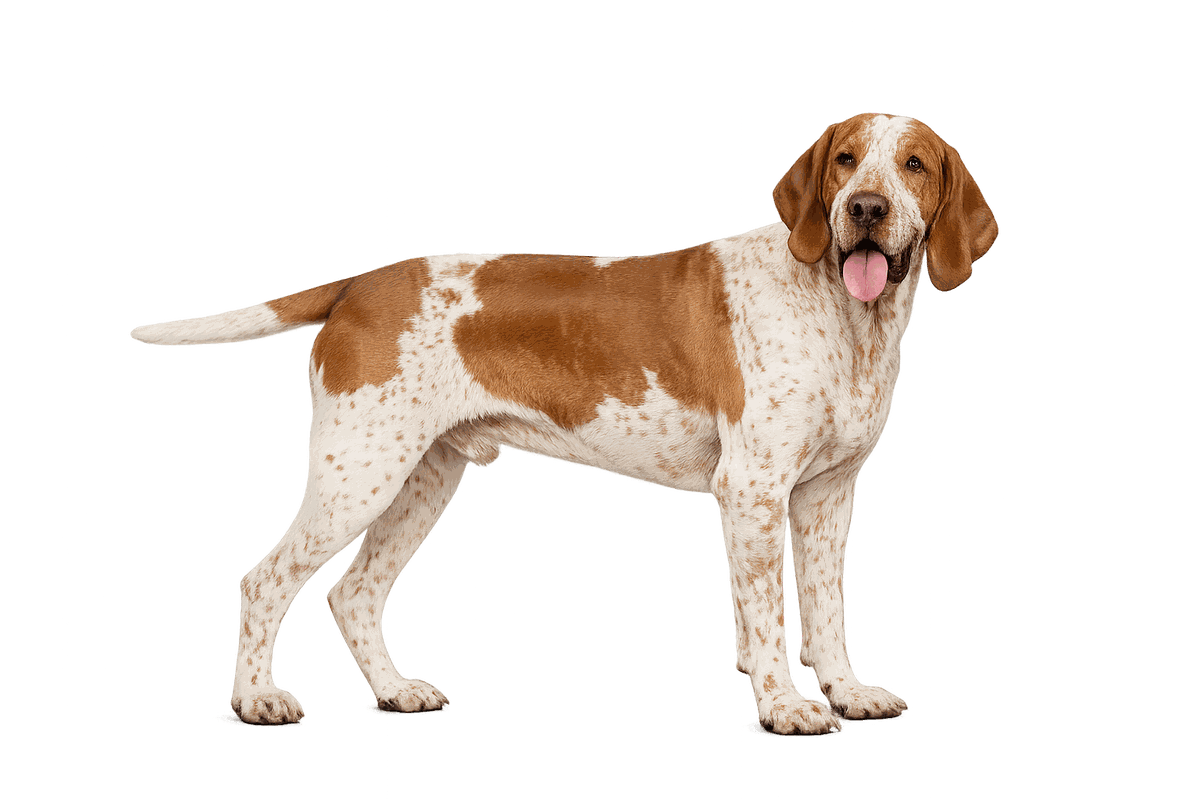
The coat is white with brown plates or markings, often with ticking or roaning, and longer feathering around ears, tail, chest, and legs. Responsible breeders should discuss hips, elbows, eyes, epilepsy, hereditary stomatocytosis, and genetic diversity.
This breed tends to suit homes looking for a loyal, gentle, sensitive companion, with daily rhythms shaped by high energy, moderate barking, and low drooling.
Coat type
Feathered
Coat length
Medium
Shedding
Moderate
Colors
White and Brown, Brown Markings, Ticking, Roan
Apartment life is difficult unless the owner provides daily outdoor work and companionship. The breed is better suited to active homes with access to fields, trails, or training areas.
Drents are people-attached and may vocalize when bored or isolated. Provide exercise, scent work, and calm routines.
Use kind, reward-based training. Build confidence, steadiness, recall, and cooperative handling without pressure.
Brush feathering, check ears and paws after field work, and keep nails trimmed. Coat care is moderate but outdoor checks are important.
Drents need daily outdoor exercise, field-style scent work, retrieving, and training. They usually do best with owners who involve them in family life and purposeful activity.
Brush the coat and feathering several times a week, especially after field walks. Check ears, tail, paws, nails, and skin for debris, seeds, or irritation.
Use gentle reward-based training. Drents are sensitive and eager, so confidence, recall, steadiness, cooperative handling, and calm household manners should be built without harsh pressure.
Feed measured meals for a lean sporting build. Adjust portions for hunting season, sport work, age, and body condition.
Energy level
High
Barking level
Moderate
Drooling level
Low
Watchdog ability
3/5
Guard dog ability
1/5
Climate tolerance
Common concerns to discuss with your vet and breeder.
This profile was researched from established breed and canine-care references. Breed tendencies describe typical patterns, not a guarantee for every individual dog.
Reviewed by the Dogs Index Editorial Team. For health or behavior concerns, consult a veterinarian or appropriately qualified professional.
Our Shop
Browse practical products for feeding, grooming, cleanup, enrichment, and smoother daily routines.