Apartment fit
A Wetterhoun can live in a smaller home only if exercise, mental work, and barking control are handled seriously. A secure yard or regular access to safe outdoor areas makes ownership much easier.
 Netherlands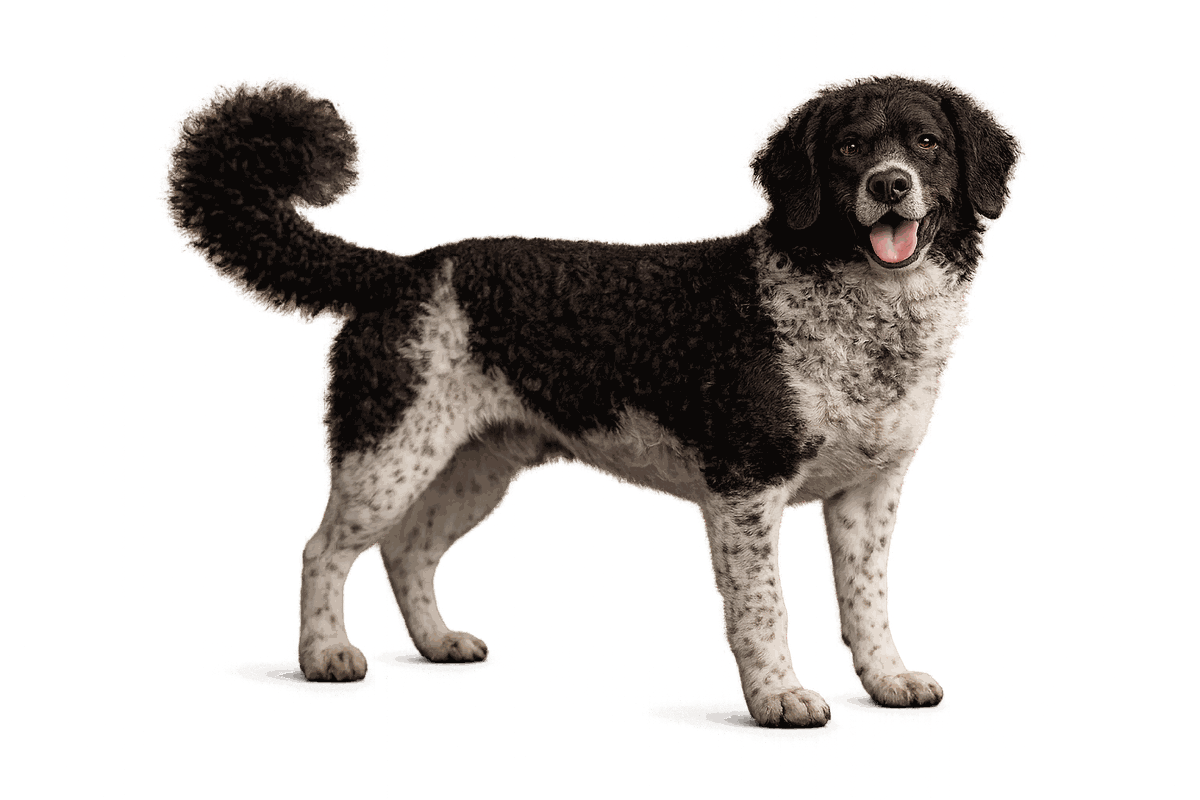
Weight
55-80 lb
Height
21.7-23.2 in
Lifespan
12-14 yrs
Coat
Curly Medium
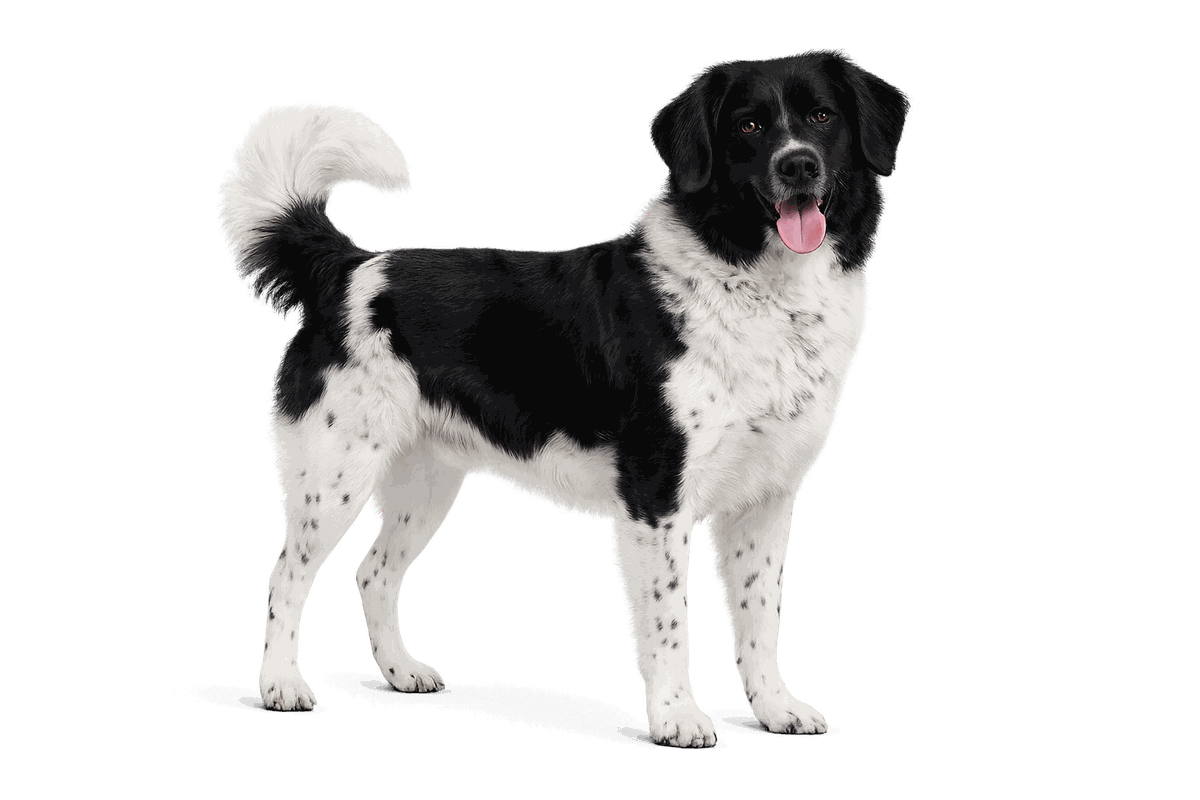
The Wetterhoun is a medium Dutch water dog from Friesland with a curly water-resistant coat, watchful nature, and steady but independent working temperament.
Official, native, and commonly used variants
Weight
55-80 lb
Height
21.7-23.2 in
Lifespan
12-14 yrs
Coat
Curly Medium
At A Glance
A quick read on energy, upkeep, and what day-to-day life with this breed usually feels like.
Energy
Moderate
Barking
Moderate
Drooling
Low
Shedding
Moderate
Grooming
3/5
First-time owner
No
The Wetterhoun, also called the Frisian Water Dog, comes from the Netherlands, especially Friesland, where it was used around water, farms, and hunting work. FCI recognizes it as a water dog, and its coat, build, and temperament still show that practical background.
Unlike some more outgoing retrievers, the Wetterhoun is often reserved, steady, and independent. It is loyal to its household, watchful with strangers, and capable of serious work, but it does not suit owners who expect a soft, instantly social sporting dog. The curly, oily, water-resistant coat protects the body, while the head and legs carry shorter hair.
The breed can be a rewarding fit for owners who want a rare Dutch working dog and can provide calm structure, socialization, and daily activity. It needs exercise, but just as importantly it needs patient handling, clear household rules, coat and ear care, and a home that respects its reserved temperament.
This breed tends to suit homes looking for a reserved, loyal, independent companion, with daily rhythms shaped by moderate energy, moderate barking, and low drooling.
Coat type
Curly
Coat length
Medium
Shedding
Moderate
Colors
Black, Brown, Black and white, Brown and white, Roan, Ticked
A Wetterhoun can live in a smaller home only if exercise, mental work, and barking control are handled seriously. A secure yard or regular access to safe outdoor areas makes ownership much easier.
The breed is naturally watchful and may alert to visitors or unusual sounds. Socialization should build calm judgment, not force the dog to behave like an extroverted breed.
Use clear, consistent, reward-based training with practical goals such as recall, polite greetings, calm handling, and settling after activity. Repetition without purpose can make this independent breed tune out.
Brush and inspect the coat regularly, especially after water work or muddy walks. Ear care is important because moisture and debris can contribute to irritation or infection.
Most Wetterhouns need at least an hour of daily activity through walks, swimming where safe, scent games, training, and off-leash running in secure areas. They do best when exercise is steady and purposeful rather than chaotic.
The curly, water-resistant coat needs regular checking for mats, debris, and skin irritation, especially around the ears, tail, and friction points. Avoid over-bathing unless needed, and keep the ears clean and dry after swimming.
Train with patience, consistency, and respect for the breed's independent streak. Early socialization is important because many Wetterhouns are naturally reserved with strangers and should learn calm confidence without being pushed into forced greetings.
Feed a measured diet for a medium active dog and monitor body condition carefully. Extra weight can strain joints and reduce stamina, especially in a breed used for outdoor work.
Energy level
Moderate
Barking level
Moderate
Drooling level
Low
Watchdog ability
4/5
Guard dog ability
2/5
Climate tolerance
Common concerns to discuss with your vet and breeder.
This profile was researched from established breed and canine-care references. Breed tendencies describe typical patterns, not a guarantee for every individual dog.
Reviewed by the Dogs Index Editorial Team. For health or behavior concerns, consult a veterinarian or appropriately qualified professional.
Our Shop
Browse practical products for feeding, grooming, cleanup, enrichment, and smoother daily routines.